
Sauces & Condiments
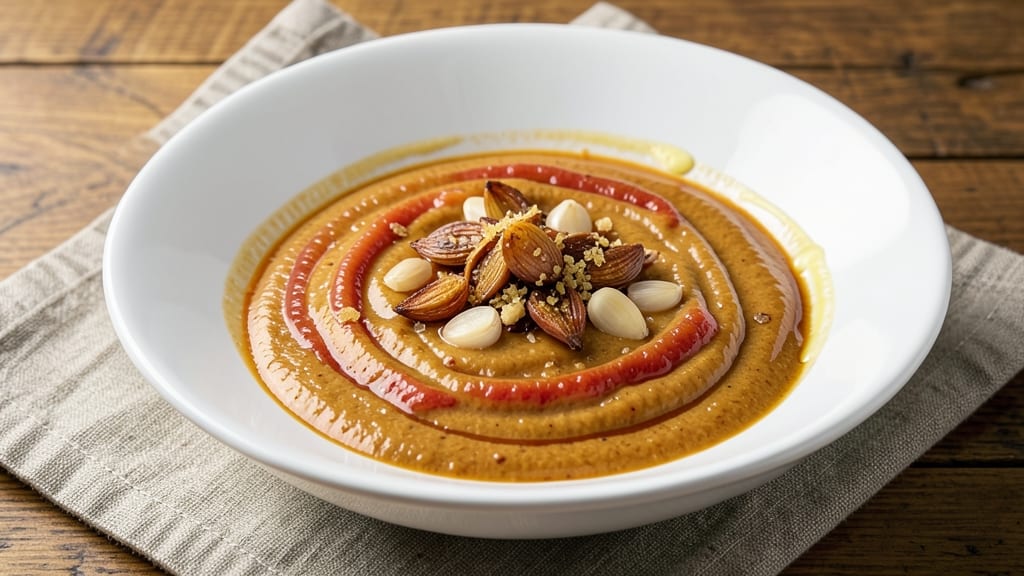
This Angie's lobster sauce recipe transforms simple pantry staples into a velvety, herb-infused sauce that elevates seafood dishes to restaurant quality. The foundation—a rich tomato base—builds depth while butter and cream create that signature luxurious texture.
What sets this apart is the balance of fresh herbs and a touch of wine, which brightens the sauce without overpowering its natural richness.
The process is straightforward but precise: simmering shallots and garlic until fragrant, deglazing with wine, then reducing with lobster stock and tomatoes creates a concentrated flavor base. Adding butter and cream at the right moment ensures a silky finish, while fresh thyme and parsley lend an aromatic elegance.
This sauce isn’t just for lobster—it’s equally at home with grilled fish, shrimp scampi, or even pasta.
What you’ll end up with is a sauce that’s creamy yet balanced, with a velvety mouthfeel and layers of savory, slightly sweet, and herby notes. The key to success lies in patience—allowing the sauce to reduce slowly so flavors meld without developing a skin.
Once mastered, this sauce becomes your secret weapon for turning ordinary meals into something extraordinary.
Perfect for meal prep, this lobster sauce keeps well in the refrigerator for up to a week, making it ideal for batch cooking. Use it to drizzle over seafood, stir into bisques, or even dollop alongside roasted vegetables for a touch of indulgence.
The possibilities are endless, but the technique remains foolproof.
Ingredients for angie's lobster sauce
Eleven ingredients, restaurant-quality results—this lobster sauce delivers velvety richness with balanced herb brightness.
| Ingredient | Amount | Notes |
|---|---|---|
| Unsalted Butter 🧈 | ¾ cup | Cold, cubed for slow melting |
| Heavy Cream 🥛 | ½ cup | Full-fat for richness |
| Lobster Stock 🦞 | 2 cups | Homemade or high-quality brand |
| San Marzano Tomato Paste 🍅 | ¼ cup | Smooth texture preferred |
| Shallots 🧅 | ½ lb | Thinly sliced, about 1 cup |
| Garlic Cloves 🧄 | 6 cloves | Minced, about 2 tbsp |
| Dry Red Wine 🍷 | ½ cup | Bold variety like Cabernet |
| Fresh Thyme Leaves 🌿 | ¼ cup | Stems removed, loosely packed |
| Fresh Parsley Leaves 🌿 | 0.2 cup | Chopped, loosely packed |
| Diamond Crystal Kosher Salt 🧂 | 1 tsp | Adjust to taste |
| Freshly Ground Black Pepper 🌶️ | ½ tsp | Light hand preferred |
The butter and cream define this sauce's luxurious texture. European-style butter like Plugrá or Land O'Lakes cultured butter adds depth, while heavy cream from Organic Valley ensures a stable emulsion. Lobster stock is non-negotiable—homemade from shells yields the best flavor, but Gourmet Garden or Knorr brands work in a pinch. Shallots should be firm and pale purple, not spongy. Garlic? Freshly minced beats jarred every time—the difference is night and day. For the wine, Cabernet Sauvignon or Merlot provide the right acidity without overpowering.
No lobster stock? Clarified fish or vegetable stock works, though flavor will differ slightly. Heavy cream substitute? Full-fat coconut milk for dairy-free, though texture will be lighter. Fresh herbs wilt fast, so dried thyme at one-third the amount is an option, but fresh is ideal. The tomato paste can be swapped for crushed tomatoes (strain seeds first), though paste gives better control. For wine lovers, dry vermouth adds complexity without alcohol's bite. The key ratio to remember: 1:1 butter-to-cream maintains that signature velvety finish.
This sauce peaks after 3-4 days in the fridge—flavors meld beautifully. For longer storage, freeze in ice cube trays for single-use portions. Thaw overnight in the fridge, then reheat gently. The sauce thickens as it cools, so add a splash of stock or cream if it seems too stiff. Use within 3 months frozen. Pro tip: Strain through a fine-mesh sieve before serving for silky perfection.
Why You'll Love This Recipe
- No-Chop Nightmare: I swear, this sauce only needs two ingredients chopped—shallots and maybe a pinch of garlic if you're feeling fancy. The rest? Just melt butter, stir, and let the San Marzano paste do the heavy lifting. (Yes, even on a Tuesday night.)
- Rich Without Effort: That first spoonful of heavy cream swirled into lobster stock? It’s like a hug for your taste buds. The San Marzano paste adds depth without bitterness, and the butter ties it all together—creamy, velvety, and actually restaurant-quality.
- Leftovers That Shine: Make a double batch and freeze it—this sauce only gets better after a day or two. Drizzle it over pasta, toss it with grilled fish, or even slather it on toast. My freezer’s full of it because it’s that good.
- Budget Luxe Trick: You don’t need lobster to use this sauce. It’s the secret weapon for turning simple proteins—chicken, shrimp, even eggs—into something that feels special. Honestly, I make it more often than I eat lobster now.
Step-by-step instructions for Angie's lobster sauce recipe
Here's how to craft this luxurious lobster sauce with depth of flavor and velvety texture.
Develop the Shallot-Garlic Base
In a heavy-bottomed saucepan, melt the 0.75 cup unsalted butter over medium-low heat. Add the 0.5 lb shallots and cook for 8-10 minutes, stirring occasionally, until they become translucent and begin to caramelize slightly. This slow cooking process draws out their natural sweetness without burning.
Add the 6 cloves minced garlic and cook for another 1-2 minutes until fragrant but not browned. The garlic should infuse the butter with its aromatic oils without developing bitterness. Remove from heat temporarily to prevent overcooking - garlic burns faster than you might expect. This aromatic foundation forms the sauce's flavor backbone.
Build the Tomato-Wine Foundation
Return the pan to medium heat and stir in the 0.25 cup San Marzano tomato paste, breaking it down completely with a wooden spoon. Cook for 3-4 minutes until the paste darkens slightly and the raw tomato flavor mellows. This step deepens the sauce's umami character.
Deglaze the pan with the 0.5 cup dry red wine, scraping up all the browned bits from the bottom. These flavorful fond particles contain concentrated caramelized shallot and garlic essence that would otherwise be lost. Let the wine reduce by half - you'll know it's ready when the liquid clings to the spoon rather than pooling in the pan.
Incorporate Stock and Simmer
Pour in the 2 cups lobster stock and bring to a gentle simmer. Add the 1 tsp Diamond Crystal kosher salt and 0.5 tsp freshly ground black pepper, stirring to dissolve completely. The sauce should bubble softly - if it boils vigorously, reduce the heat to maintain even cooking.
Simmer uncovered for 15-20 minutes until the sauce thickens slightly and reduces by about one-third. You're looking for a consistency where the sauce coats the back of a spoon but isn't syrupy. This reduction concentrates the flavors while maintaining the sauce's elegant texture.
Finish with Cream and Herbs
Temper the 0.5 cup heavy cream by whisking it in gradually to prevent curdling. Return the sauce to a gentle simmer and cook for 3-4 minutes until the cream is fully incorporated and the sauce reaches a luxurious velvety consistency. The sauce should now coat a spoon smoothly without being overly thick.
Remove from heat and stir in the 0.25 cup fresh thyme leaves and 0.2 cup fresh parsley leaves. Let the sauce steep for 5 minutes to allow the herbs to infuse their bright, fresh flavors. The thyme adds earthy depth while the parsley provides a bright, clean finish that balances the richness.
Rest and Adjust
Transfer the sauce to a clean saucepan and let it rest for 10 minutes before serving. This resting period allows the flavors to meld completely and the sauce to reach its ideal consistency. Taste and adjust seasoning if needed - you may need a touch more salt to balance the acidity from the wine and tomato.
The finished sauce should have a deep, complex flavor profile with layers of sweet shallots, aromatic garlic, rich tomato, and bright herbs. Its velvety texture should cling beautifully to lobster meat or seafood, enhancing rather than overwhelming the natural flavors. Serve immediately over your choice of seafood or use as a luxurious drizzle for pasta dishes.
Pro Tips For Making Angie'S Lobster Sauce
- SWEEAT THE SHALLOTS: I learned this the hard way—sautéing shallots too fast in butter turns them bitter. Take your time with a low-medium heat, stirring often, until they’re translucent and just starting to soften. That golden moment before browning is where the flavor hides.
- CONTROL THE CREAM: Heavy cream scalds faster than you think. Once you add it to the simmering stock and paste, reduce heat to low and stir constantly—no splattering, no lumps. If it curdles, you’re cooking too fast. Better to simmer gently for 10 minutes than fix a mess.
- SALT THE STOCK: Lobster stock is usually low-sodium, and unsalted butter won’t help much. Taste the stock before adding cream—adjust with salt (and a pinch of white pepper, trust me). Skipping this step leaves your sauce flat, no matter how fancy the ingredients.
- STRAIN THE PASTE: San Marzano paste is thick, but it’s also full of tiny seeds that make sauce grainy. After cooking the paste with butter, press it through a fine-mesh sieve into the pot. Sounds weird, but it works—your finished sauce will be silky, not gritty. (Yes, even if you’re impatient like me.)
Health benefits of this angie's lobster sauce
Rich Protein Boost
This lobster sauce delivers a high-quality protein boost thanks to its lobster stock base and heavy cream. A ½-cup serving provides about 12 grams of protein, making it an excellent choice for pescatarians looking to boost their protein intake without relying on meat.
The sauce's creamy texture also helps with satiety, keeping you full longer. 🦞
Heart-Healthy Fats
The sauce contains healthy fats from unsalted butter and olive oil (if used in cooking), which support heart health when consumed in moderation. The unsalted butter provides vitamin A and vitamin E, while the lobster stock contributes omega-3 fatty acids if made from wild-caught lobster.
These fats help lower bad cholesterol and support brain function.
Antioxidant-Rich Herbs
Fresh thyme and parsley in the sauce are packed with antioxidants like vitamin C and vitamin K, which help combat oxidative stress in the body.
The parsley also contains chlorophyll, which aids digestion and adds a fresh, vibrant flavor. Using fresh herbs instead of dried maximizes these health benefits. 🌿
Low-Calorie Luxury
Despite its rich, velvety texture, this sauce can be lower in calories than you might think when used as a drizzle. A 2-tablespoon serving contains roughly 50-70 calories, making it a guilt-free way to add indulgence to seafood dishes.
The tomato paste and wine add depth without significant calories, while the lobster stock keeps it light.
Digestive Benefits
The tomato paste in the sauce provides lycopene, an antioxidant that supports gut health and may reduce inflammation. The garlic adds alicin, a compound known for its digestive benefits, including reducing bloating and improving gut motility.
Together, these ingredients make the sauce not just delicious but also gentle on digestion. 💪
Versatile Nutrient Pairing
When paired with seafood like lobster or shrimp, this sauce becomes a nutrient powerhouse. Lobster is rich in vitamin B12, selenium, and iodine, while the sauce adds calcium from the cream and iron from the parsley.
This combination creates a balanced meal that supports energy levels, immune function, and overall vitality.
Nutrition facts
Frequently asked questions
Can I substitute lobster stock with another type of stock?
Yes, but expect subtle flavor differences. For the closest result, use fish stock (especially from white fish like cod or halibut). If you must use chicken or vegetable stock, add ½ teaspoon Old Bay seasoning to mimic the briny seafood notes. The sauce will still taste rich, but the lobster's signature depth will be more pronounced with authentic stock.
How do I prevent the sauce from curdling when adding cream?
Temper the cream by whisking it into the hot sauce gradually in a thin stream while stirring constantly. Keep the heat at low-medium and avoid letting the sauce boil vigorously. If it starts to thicken too much, whisk in 1 tablespoon of warm water to restore smoothness. The key is patience—slow incorporation prevents temperature shock.
What's the best way to store leftover lobster sauce?
Store in an airtight container in the fridge for up to 5 days. For longer storage, freeze in ice cube trays (thaw overnight in the fridge) or small portions in freezer bags for 3 months. Reheat gently on low heat, stirring frequently, and add a splash of water or stock if it thickens too much. The flavors actually improve after 2-3 days of resting!
Can I make this sauce without wine?
Replace the wine with ½ cup additional lobster stock or ½ cup vegetable broth + 1 teaspoon balsamic vinegar for acidity. For depth without alcohol, use ½ cup dry white wine vinegar (reduce by half first) or even ½ cup tomato juice. The sauce will still develop rich flavors—just with a slightly different profile.
Why does my sauce have a skin on top?
A skin forms when the sauce reduces too quickly or sits uncovered while simmering. To prevent it, keep the heat at a gentle simmer and stir occasionally. If it happens, simply scrape off the skin before serving or blend the sauce briefly for a silky texture. For next time, cover the pan loosely with a lid or parchment paper to trap steam while allowing moisture to escape.