
Sauces & Condiments
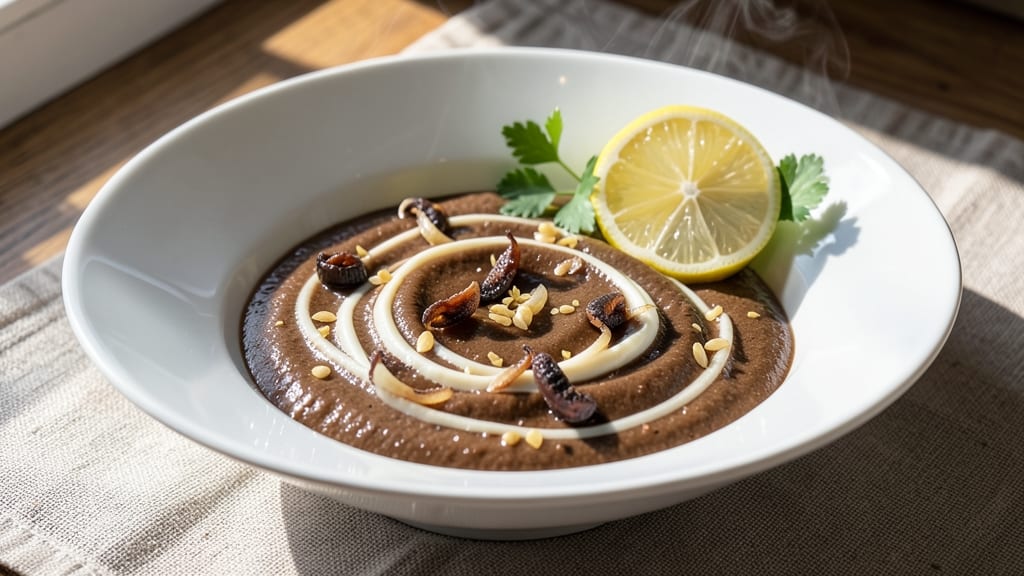
This anchovy cream sauce recipe transforms simple pantry staples into a velvety, umami-rich sauce that elevates any dish. The secret lies in balancing salty anchovies with creamy richness, creating a condiment that's both bold and versatile. I developed this after years of perfecting restaurant-quality sauces at home—no fancy techniques required, just precise timing and a few key ingredients.
The magic happens when you simmer anchovies with garlic and shallots until they dissolve completely, then gradually whisk in heavy cream to create a silky texture. This sauce isn't just for pasta—it works as a dip, spread, or finishing touch for grilled meats and vegetables.
The umami depth comes from the anchovies, while the cream provides a luxurious mouthfeel that makes every bite satisfying.
What sets this sauce apart is its adaptability. Use it as a quick marinade, a rich pasta topping, or even a dip for crusty bread. The recipe yields about 1½ cups, perfect for a family meal or meal prep.
Store leftovers in the fridge for up to 5 days, or freeze for longer shelf life. The flavor actually improves as it sits, allowing the ingredients to meld into a harmonious blend.
For a dairy-free version, substitute the heavy cream with full-fat coconut milk or a high-quality cashew cream. The sauce maintains its velvety texture while keeping the same rich, savory profile. Whether you're a home cook or a seasoned chef, this recipe delivers professional results with minimal effort. Let's get started!
Ingredients for anchovy cream sauce
Nine ingredients balance umami richness with velvety creaminess for a sauce that transforms ordinary dishes.
| Ingredient | Amount | Notes |
|---|---|---|
| Anchovy Fillets 🐟 | 4 oz | High-quality, oil-packed preferred |
| Heavy Cream 🥛 | 1 cup | Full-fat for best texture |
| Garlic Cloves 🧄 | 3 cloves | Freshly minced for strong flavor |
| Shallots 🧅 | 2 whole | Finely chopped, not minced |
| Extra-Virgin Olive Oil 🫒 | 2 tbsp | For sautéing aromatics |
| Lemon Juice 🍋 | 1 tbsp | Freshly squeezed for brightness |
| Dry White Wine 🍷 | ¼ cup | Sauvignon Blanc preferred |
| Salt 🧂 | ½ tsp | Diamond Crystal preferred |
| Black Pepper 🌶️ | ¼ tsp | Freshly cracked for heat |
Anchovies are the heart of this sauce—Colavita or Stella brands are my go-to for consistent quality. Look for fillets packed in oil, not salt, as they dissolve more smoothly. The heavy cream should be full-fat (36-40%) for that restaurant-quality mouthfeel; lighter versions won't achieve the same silkiness. Shallots add subtle sweetness without overpowering the umami, so don't substitute with regular onions. For the wine, any dry white works—Sauvignon Blanc has natural acidity that cuts through the richness, but Pinot Grigio is a fine alternative. The olive oil matters too: a fruity, peppery EVOO like California Early Harvest adds another layer of complexity.
No anchovies? Fish sauce at half the amount gets you close, though it won't dissolve the same way. Heavy cream too expensive? Full-fat coconut milk works for a dairy-free version, though texture will be slightly thinner. Short on shallots? One extra garlic clove plus a pinch of sugar mimics the flavor profile. The wine can be omitted entirely if you're avoiding alcohol—just add an extra tablespoon of lemon juice and a splash of vegetable broth. For a quicker version, use pre-minced garlic from a jar, though fresh is always better. The lemon juice is non-negotiable; it brightens the sauce and balances the saltiness of the anchovies.
This sauce peaks after 24 hours in the fridge as flavors meld, so make it a day ahead if possible. Store in an airtight container with a thin layer of plastic wrap pressed directly onto the surface to prevent a skin from forming. Keeps for 5-7 days refrigerated or 3 months frozen—freeze in ice cube trays for single-use portions. For a smoother texture, strain through a fine-mesh sieve before serving. The sauce thickens as it cools, so thin with a splash of warm water or milk if needed when reheating.
Why You'll Love This Recipe
- Pantry Magic: I swear by this sauce because it’s made with things I always have—no last-minute grocery runs. Just crack open a can of anchovies, melt some cream, and let the garlic and shallots do the work. No specialty ingredients, no fuss.
- Umami Bomb: That first bite? Pure flavor explosion. The anchovies add this deep, salty richness, while the cream smooths it out into something velvety and irresistible. Honestly, it’s the kind of taste that makes you close your eyes and sigh.
- Weeknight Wonder: Drizzle it over pasta, toss it with roasted veggies, or slather it on grilled fish—this sauce is my go-to when I’m too tired to think. It’s the kind of thing that turns a simple dinner into something that feels special, even on a Tuesday.
- Leftovers That Shine: Between us, this sauce actually gets better the next day. The flavors meld even more, and it reheats like a dream. I make a double batch on Sundays so I always have a backup for lazy nights or unexpected guests. Budget-friendly? Absolutely. Reliable? Even more so.
Step-by-step instructions for anchovy cream sauce
Here's the professional method to balance anchovies' bold umami with velvety cream for a restaurant-quality sauce.
Sauté the Shallots Until Transparent
Heat the 2 tablespoons extra-virgin olive oil in a medium saucepan over medium-low heat. Add the 2 whole shallots that have been finely chopped and cook for 5-6 minutes, stirring occasionally. You're looking for the shallots to soften and become nearly transparent without browning—this prevents bitterness in your sauce.
Medium-low heat is crucial here. Too high a temperature will make the shallots color before they soften properly. Stir gently to distribute the oil evenly, ensuring all pieces cook at the same rate. This foundational step builds the aromatic base for your sauce.
Add Garlic and Anchovies
Push the shallots to one side of the pan and add the 3 cloves freshly minced garlic to the empty space. Cook for 30 seconds until fragrant—you'll smell that distinct garlic aroma. Then add the 4 oz anchovy fillets, breaking them into small pieces with a wooden spoon as they melt into the oil.
The anchovies will dissolve completely in about 1-2 minutes. Don't rush this step—allowing them to melt slowly ensures they integrate smoothly without creating fishy chunks. The sauce should now have a deep, savory aroma with a slightly metallic note from the anchovies.
Deglaze with Wine and Lemon
Pour in the 0.25 cup dry white wine and scrape up any browned bits from the bottom of the pan with a wooden spoon. Let it simmer for 2-3 minutes until reduced by about half. Then add the 1 tablespoon freshly squeezed lemon juice and continue simmering for another 1 minute.
This deglazing step captures all the flavor compounds that stick to the pan. The wine's acidity helps break down the anchovies further while adding brightness. The lemon juice at the end prevents the sauce from becoming too heavy as you add the cream later.
Incorporate the Cream and Season
Reduce the heat to low and slowly pour in the 1 cup heavy cream while whisking constantly to prevent curdling. Let the sauce simmer gently for 5-6 minutes until it thickens slightly and coats the back of a spoon. Season with 0.5 teaspoon salt and 0.25 teaspoon freshly cracked black pepper.
This low-and-slow approach ensures the cream heats through evenly without separating. The sauce should reach a velvety consistency—thick enough to coat but still silky smooth. Taste and adjust seasoning if needed, remembering that anchovies are salty, so you might not need all the salt.
Finish and Use Immediately
Remove the sauce from heat and let it sit for 2-3 minutes to allow the flavors to meld completely. The sauce should now have a rich, umami depth with a balanced acidity from the lemon and wine. Serve immediately over pasta, drizzled with additional olive oil if desired.
This sauce is best used fresh—it won't keep well due to the cream and anchovies. If you need to hold it briefly, keep it warm over barely simmering water in a double boiler. The perfect sauce should coat the back of a spoon with a glossy sheen and deliver that signature anchovy umami in every bite.
Pro Tips For Making Anchovy Cream Sauce
- Mince the Anchovies: Skip the fillets—finely chop them with a knife instead of using whole fillets. They dissolve faster and distribute flavor evenly, so you won’t taste any fishy chunks lurking in your sauce. (Yes, even if it feels like overkill.)
- Sweat, Don’t Burn: Cook the shallots and garlic in olive oil over low heat until translucent—about 5 minutes. I learned this the hard way: charred shallots make the sauce bitter, and you’ll be left with a sad, smoky aftertaste instead of that bright, umami-rich base.
- Temper the Cream: Warm the heavy cream separately to room temperature before adding it to the anchovy-garlic mixture. Cold cream shocks the sauce and can cause it to seize or curdle—like throwing ice into a hot pan. A smooth, velvety finish depends on this small step.
- Salt the Anchovies First: Dissolve the anchovies in a splash of warm water and a pinch of salt before stirring them into the sauce. This pre-seasoning cuts through the saltiness of the fillets and balances the cream’s richness from the start. (Your future self will notice the difference.)
Make-ahead tips for leftovers
Prep Ahead Strategy
Make this sauce a day ahead for deeper flavor development. After simmering, let it cool completely, then transfer to an airtight container with a layer of plastic wrap pressed directly onto the surface. The flavors meld beautifully overnight, making it perfect for quick weeknight meals. 💫
Freezer-Friendly Tips
Freeze in ice cube trays for single-use portions—just thaw overnight in the fridge. For larger batches, use quart-sized freezer bags with 1 inch headspace to prevent expansion cracks. Label with the date to track freshness (up to 3 months).
Thawing & Reheating
Thaw refrigerated sauce overnight—never at room temperature. Reheat gently over low heat with 1-2 tablespoons water to prevent curdling. For frozen portions, transfer to a saucepan and warm on medium-low while stirring constantly. Never microwave—it breaks the sauce's silky texture.
Storage Containers
Use glass containers over plastic for better flavor retention. I recommend Pyrex with snap-on lids—they're microwave-safe if you need a quick reheat. For long-term storage, vacuum-sealed bags work best, extending shelf life by up to 6 months.
Flavor Preservation
Add a pinch of salt when reheating to compensate for any flavor loss. For extra richness, stir in 1 teaspoon butter during reheating. The sauce thickens when cold, so thin with warm water or milk if needed before serving. Always taste and adjust seasoning after reheating.
Portion Control
Divide into ½-cup portions for easy meal prep. Store in small glass jars with tight-sealing lids—they're perfect for lunches or quick pasta dinners. Label each portion with the date to track freshness. This sauce keeps for 5-7 days refrigerated when properly stored.
Nutrition facts
Frequently asked questions
Can I make this sauce without wine?
Yes! Skip the wine and use 1 tablespoon lemon juice plus 2 tablespoons vegetable broth instead. This maintains the sauce's brightness and prevents curdling when adding cream. The acidity from the lemon helps balance the anchovies' saltiness, so don't omit it entirely.
Why did my sauce curdle?
Curdling happens when cream heats too quickly. Always whisk constantly when adding cream and keep heat on low. If it happens, whisk in 1 teaspoon cornstarch mixed with 1 tablespoon cold water to stabilize it. For prevention, make sure your cream is cold before adding it to the warm pan.
What dishes work best with this sauce?
This versatile sauce shines on linguine or fettuccine, but also elevates grilled shrimp skewers, crusty bread dips, or roasted vegetables. Try it as a finishing sauce for seared scallops or dolloped over creamy polenta. The key is pairing it with something that can handle its bold umami flavor.
Can I substitute anchovies with another fish?
Not really—anchovies are essential for the sauce's signature umami. However, you could try ½ teaspoon fish sauce plus 1 extra anchovy for a similar depth of flavor. For a vegetarian option, use 1 tablespoon soy sauce or mushroom powder, though the texture and depth will differ slightly.
How do I adjust the thickness?
If too thick, whisk in 1-2 tablespoons warm water or milk gradually. For a thicker sauce, simmer uncovered for 1-2 extra minutes to reduce. Remember, the sauce will thicken further as it cools. For immediate use, strain through a fine-mesh sieve to remove any lumps and achieve a silky consistency.