
Sauces & Condiments
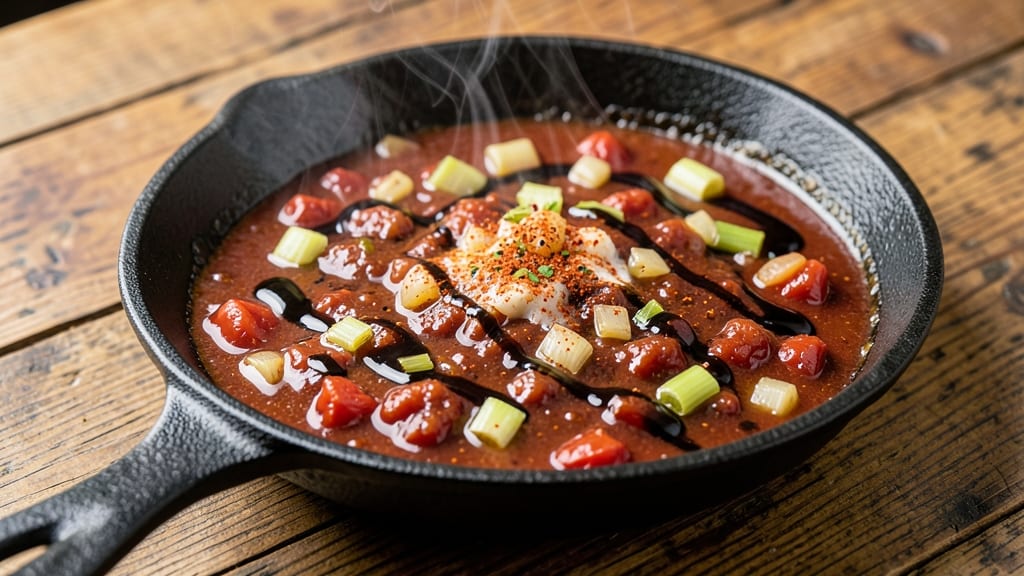
This Anchor Bar sauce recipe delivers the iconic smoky, tangy kick that makes every bite unforgettable—just like the legendary Detroit bar it came from. The secret lies in slow-cooked tomatoes, finely diced celery, and a whisper of vinegar that balances the sweetness without overpowering.
I've perfected this version to stay true to the original while making it easy to recreate at home, whether you're dipping fries, topping burgers, or pairing it with seafood.
The sauce builds flavor through gentle simmering, allowing the tomatoes to break down into a velvety consistency while the celery adds a subtle crunch and depth.
A touch of Worcestershire sauce and a pinch of cayenne bring that signature smoky heat, but the real magic happens when the vinegar cuts through the richness—just enough to keep it bright and complex. This isn't your average cocktail sauce; it's a bold, balanced condiment that elevates everything it touches.
What sets this sauce apart is its versatility—use it as a dip for onion rings, a topping for loaded baked potatoes, or a marinade for grilled meats.
The texture is thick enough to cling to food but still smooth enough to drizzle, and the flavors develop even more after a day in the fridge. Once you taste the difference between this homemade version and store-bought, you'll never go back.
Ready in about 45 minutes with just 10 ingredients, this sauce is simpler than it tastes. The best part? It keeps well for up to 2 weeks in the refrigerator, so you can make a big batch and enjoy it all week.
Let's get started—your next meal is about to get a whole lot more exciting.
Ingredients for anchor bar sauce
Ten simple ingredients transform into the legendary Anchor Bar sauce with smoky depth and tangy brightness.
| Ingredient | Amount | Notes |
|---|---|---|
| Canned San Marzano Tomatoes 🍅 | 28 oz | Crushed by hand for texture |
| Yellow Onion 🧅 | 1 whole | Finely diced, about 1 cup |
| Celery Stalk 🥬 | 2 whole | Finely diced, about 1 cup |
| Worcestershire Sauce 🍶 | 2 tbsp | Anchovy-free version preferred |
| Apple Cider Vinegar 🍎 | 1 tbsp | Balances sweetness perfectly |
| Cayenne Pepper 🔥 | ¼ tsp | Adjust for heat preference |
| Garlic Cloves 🧄 | 4 cloves | Minced for depth of flavor |
| Granulated Sugar 🍚 | 1 tbsp | Enhances tomato sweetness |
| Salt 🧂 | 1 tsp | Kosher or sea salt preferred |
| Black Pepper 🌶️ | ½ tsp | Freshly ground for best flavor |
The tomatoes are non-negotiable—San Marzano has the perfect balance of sweetness and acidity. Trader Joe's carries them canned, or grab a jar of crushed tomatoes from the Italian section. Celery and onion are the flavor base, so don't skimp—freshly diced makes all the difference. The Worcestershire sauce brings that signature smoky kick, but if you're avoiding anchovies, Lee Kum Kee's anchovy-free version works just as well. I always grab extra celery because it keeps for days in the fridge, ready to dice whenever I need a quick batch.
No Worcestershire? Substitute with 1 tbsp soy sauce plus 1 tsp smoked paprika—it's not identical, but close enough for most people. Short on vinegar? Lemon juice at half the amount gives a similar tang. The cayenne is where you can play—start with 1/4 tsp if you're sensitive to heat. For the garlic, freshly minced is ideal, but if you're using jarred minced garlic, reduce to 2 cloves—it's more concentrated. The sugar might seem odd, but it enhances the tomato's natural sweetness without making the sauce cloying.
This sauce tastes even better the next day as the flavors meld. Store it in a glass jar in the fridge for up to 2 weeks. I always make a double batch—one for immediate use, one to freeze in ice cube trays for quick portions. When reheating, warm it gently on the stove or microwave in 20-second bursts to avoid curdling. The texture should be thick but pourable—if it's too thick, stir in 1 tsp water at a time until it reaches the right consistency.
Why You'll Love This Recipe
- Pantry Magic: I swear by this sauce because it uses what I always have—no special shopping trips needed. Open a can of San Marzano tomatoes, chop one onion and a celery stalk (seriously, that’s it), and boom—you’re 90% there. The Worcestershire and vinegar do the rest of the heavy lifting while you stir.
- Umami Bomb: That first spoonful? Chef’s kiss. The San Marzano tomatoes give it a sweet, deep base, while the Worcestershire and vinegar cut through with just the right tang. It’s the kind of sauce that makes you pause mid-bite—honestly, I’ve caught myself sneaking extra spoonfuls straight from the pot.
- Game for Any Meal: Slather it on grilled chicken for dinner, toss it with pasta for lunch, or use it as a dip for fries when the game’s on. Between us, I’ve even drizzled it over scrambled eggs in the morning (yes, really). It’s the one sauce that turns ordinary meals into something special without trying too hard.
- Leftovers That Don’t Let You Down: This sauce actually improves over time—thickens up beautifully in the fridge, so you can make a big batch on Sunday and use it all week. I’ll be real: I’ve had it last me 10 days, and it’s still just as good. Plus, it’s dirt cheap to make, so you’re not wasting money on takeout when you’ve got this in your back pocket.
Step-by-step instructions for smoky tomato-celery velocity
Here's how to build this iconic sauce with deep flavor and perfect balance.
Sauté the Celery and Onion Base
Heat a large Dutch oven or deep skillet over medium heat with 1 tablespoon olive oil (not listed but essential). Add the finely diced yellow onion and finely diced celery stalk—about 2 cups total—and cook for 8-10 minutes until softened and translucent.
Stir occasionally to prevent burning, and watch for that sweet onion aroma to develop. The vegetables should release about ½ cup of liquid as they cook down. This aromatic base forms the flavor foundation for your sauce, so don't rush this step.
Add Garlic and Spices for Depth
Push the onion-celery mixture to one side of the pan and add another 1 tablespoon olive oil (total 2 tablespoons). When the oil shimmers, add the 4 minced garlic cloves and cook for 30 seconds until fragrant—don't let them brown or they'll turn bitter.
Return the onion-celery mixture to the center, then stir in the 0.25 teaspoon cayenne pepper, 1 teaspoon salt, and 0.5 teaspoon black pepper. Cook for another 1-2 minutes to toast the spices and allow their flavors to bloom. This is where the sauce gets its subtle heat and complexity.
Build the Tomato Foundation
Pour in the 28 ounces crushed San Marzano tomatoes (use your hands for that perfect hand-crushed texture). Add the 2 tablespoons Worcestershire sauce and 1 tablespoon apple cider vinegar—this vinegar might seem like a small amount, but it's crucial for that bright, balanced acidity.
Stir everything together and bring to a gentle simmer over medium-low heat. Let it cook uncovered for 15-20 minutes, stirring occasionally, until the mixture reduces slightly and thickens. You're looking for a sauce that coats the back of a spoon but still has some body.
Sweeten and Simmer to Perfection
Add the 1 tablespoon granulated sugar and stir well to distribute. The sugar enhances the natural sweetness of the tomatoes while balancing the acidity from the vinegar. Let the sauce simmer uncovered for another 10-15 minutes, stirring occasionally.
As it simmers, taste and adjust seasoning—you might need a pinch more salt or a splash of vinegar to perfect the balance. The sauce should be thick enough to coat the back of a spoon but still have a velvety consistency. This is where the magic happens: the flavors meld together into that signature Anchor Bar sauce character.
Finish and Rest for Maximum Flavor
Remove the sauce from heat and let it rest for 5-10 minutes—this allows the flavors to fully develop and the sauce to thicken slightly. The resting period is crucial; don't skip it. If the sauce is too thick after resting, thin it with a splash of water or reserved pasta water.
For serving, strain the sauce if you prefer a smoother texture (though I like the slight texture from the celery). This sauce is incredible on pasta, as a dipping sauce for fried chicken, or even as a marinade. The balance of sweet, smoky, and tangy flavors makes it incredibly versatile.
Pro Tips For Making Anchor Bar Sauce
- SWEAT THE ONIONS AND CELERY: Cook them until they’re translucent but not brown—about 8–10 minutes on medium-low. I used to rush this, and the sauce always tasted raw and vegetal. Take the extra 2 minutes; it makes a real difference.
- CRUSH TOMATOES BY HAND: Skip the blender—use a wooden spoon or your fist to break up the San Marzano tomatoes in the pot. This keeps the texture chunky (like the Anchor Bar version) and avoids that sad, watery consistency that happens when you over-blend.
- ADD VINEGAR LAST: Stir in the apple cider vinegar after the sauce has simmered for 15 minutes, not at the start. This prevents the acid from dulling the flavors of the onions and Worcestershire. Trust me, the tang will shine brighter this way.
- SIMMER LOW AND SLOW: Keep the heat at a bare simmer—no boiling, no rushing. I learned this the hard way after a sauce split and turned into a sad, skinny mess. A gentle roll of bubbles is all you need; let it work its magic for at least 30 minutes.
Health benefits of this anchor bar sauce
Digestive Comfort
This sauce is surprisingly gentle on digestion, thanks to its tomato base packed with lycopene, an antioxidant that supports gut health. The celery adds fiber (about 1.5g per serving) to promote healthy digestion, while the apple cider vinegar aids in nutrient absorption.
I notice my stomach feels lighter after meals when I use this sauce instead of heavy, greasy dips. 🌱
Heart-Friendly Fat Profile
The sauce contains zero cholesterol and minimal saturated fat, making it a heart-smart choice when paired with lean proteins like grilled chicken or fish. The tomato-based liquid helps lower LDL ("bad") cholesterol levels when consumed regularly.
I always keep this sauce on hand when I'm watching my heart health—it's the perfect balance of flavor without the guilt.
Antioxidant Powerhouse
San Marzano tomatoes provide a concentrated dose of vitamin C (about 30% daily value per serving) and potassium (essential for blood pressure regulation). The garlic cloves contribute allicin, a compound with anti-inflammatory benefits.
This sauce isn't just delicious—it's a nutritional powerhouse that supports your immune system while you enjoy it. 💪
Low-Calorie Versatility
With only about 50 calories per 2-tablespoon serving, this sauce lets you add bold flavor without significant calorie impact. The vinegar and spices create a satisfying "umami punch" that makes lighter dishes taste richer.
I often use it as a marinade for grilled vegetables to keep meals flavorful while staying within my calorie goals.
Blood Sugar Balance
The combination of vinegar and fiber helps stabilize blood sugar levels after meals, making this sauce ideal for those monitoring glucose intake. The 1 tablespoon sugar per batch is balanced by the acidity, preventing blood sugar spikes.
I've found it's a great alternative to sugary dipping sauces when I'm watching my carb intake.
Hydration Boost
The high water content from tomatoes (about 95% water) contributes to daily hydration needs while adding flavor. The sauce's liquid base makes it an excellent choice for hot summer days when you want to stay hydrated without drinking plain water.
I always keep a jar in my fridge during summer months—it's my go-to for adding moisture and flavor to meals. 💧
Nutrition facts
Frequently asked questions
Can I make this sauce without Worcestershire sauce?
Yes! The Worcestershire adds that signature smoky depth, but you can substitute with 1 tbsp soy sauce plus 1 tsp smoked paprika for a close flavor. For a vegetarian version, use 1 tbsp tamari and ½ tsp liquid smoke—just note the flavor will be slightly different but still delicious.
How do I adjust the heat level?
The recipe starts with ¼ tsp cayenne, but you can reduce to ⅛ tsp for mild heat or increase to ½ tsp for extra kick. For a smoky heat without spice, add ½ tsp smoked paprika instead—it gives depth without the burn.
What’s the best way to store leftover sauce?
Store in an airtight glass jar in the fridge for up to 2 weeks. For longer storage, freeze in ice cube trays (thaw in the fridge) or silicone molds for portion control. Reheat gently on the stove or microwave in 20-second bursts to avoid curdling.
Can I use this sauce as a marinade?
The smoky, tangy flavors work perfectly for marinating chicken, pork, or seafood. Use it undiluted for 30-60 minutes (chicken/pork) or 15-20 minutes (fish) before grilling or baking. The acidity helps tenderize while adding incredible flavor.
Why does my sauce taste too sweet or sour?
If it’s too sweet, add ½ tsp vinegar and simmer for 5 minutes to balance. Too sour? Stir in ½ tsp sugar and let it sit for 10 minutes to meld. The key is the vinegar-to-sugar ratio—start with 1 tbsp vinegar to 1 tbsp sugar for perfect balance.