
Sauces & Condiments
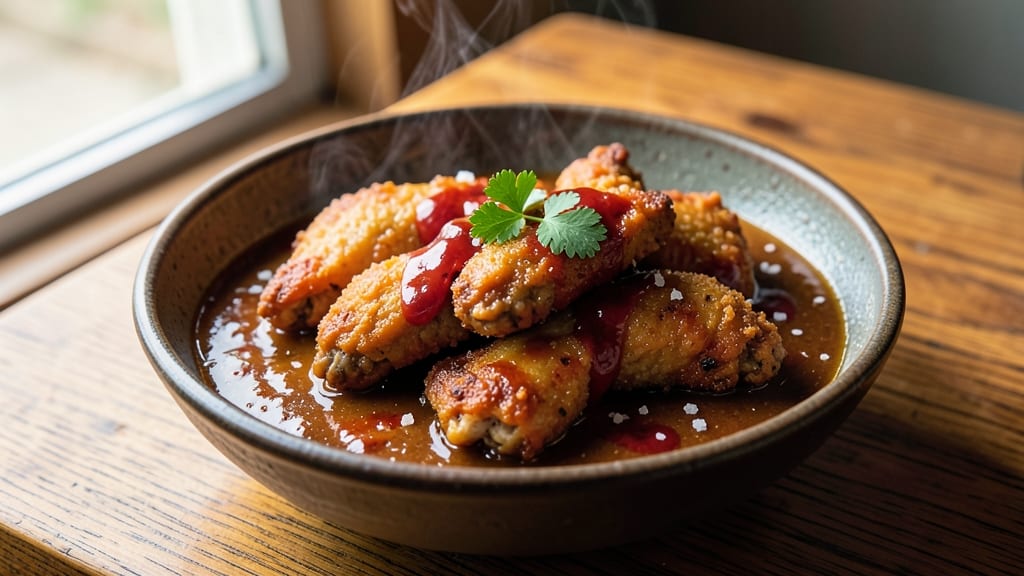
The Anchor Bar buffalo chicken wing sauce recipe is the gold standard for tangy-spicy heat that clings to every bite. This classic sauce balances sweetness and vinegar-based sharpness, creating that signature sticky, finger-licking flavor that makes wings legendary.
The secret lies in the right ratio of hot sauce, melted butter, and a touch of brown sugar—no shortcuts here, just authentic taste.
What sets this sauce apart is its simplicity combined with depth. You'll use just six core ingredients, all pantry staples, but the technique matters—melting the butter and hot sauce together at the right temperature ensures a smooth, glossy finish that coats wings perfectly.
The sauce should be thick enough to cling but still pourable, striking that ideal balance between tang and sweetness.
Once you make this sauce, you'll understand why it's a restaurant staple. The tangy vinegar base cuts through the heat while the brown sugar adds just enough sweetness to make each bite addictive.
It's versatile too—drizzle it over wings, toss with fries, or even use it as a marinade for grilled chicken. The flavor builds with every application, making it worth the effort.
Store any leftovers in the fridge for up to a week, though it rarely lasts that long. The sauce thickens slightly when chilled, so give it a quick stir before using.
This is the kind of recipe that transforms ordinary wings into something unforgettable—once you try it, you'll never go back to bottled sauce again.
Ingredients for anchor bar buffalo chicken wing sauce
Six ingredients, legendary flavor—this is the sauce that makes Anchor Bar wings unforgettable.
| Ingredient | Amount | Notes |
|---|---|---|
| Hot Sauce 🌶️ | 1 cup | Frank's RedHot preferred |
| Unsalted Butter 🧈 | ½ cup | Melted, full-fat preferred |
| Brown Sugar 🍯 | ¼ cup | Light or dark works |
| White Vinegar 💧 | ½ cup | Distilled preferred |
| Garlic Cloves 🧄 | 2 cloves | Minced, for depth |
| Salt 🧂 | 1 tsp | Kosher or sea salt |
The hot sauce is non-negotiable here. Frank's RedHot is the gold standard—it's what Anchor Bar uses, and you'll taste the difference. If you can't find it, Crystal or Louisiana work in a pinch, but they're a little thinner. The butter? Full-fat is a must—it adds richness that cuts through the heat. I always grab Plugrá or Land O'Lakes from the store, but any good-quality butter works. The garlic? Freshly minced adds that restaurant-quality depth—pre-minced gets mushy when cooked down.
No Frank's? Mix equal parts Tabasco and cayenne for a close substitute, but expect a different heat profile. Vinegar substitutes? Apple cider vinegar works too, but distilled gives you that classic tang. Running low on brown sugar? White sugar plus a pinch of molasses mimics the flavor. The sauce should be thick enough to cling but still pourable—if it's too thin, simmer longer; if too thick, add a splash of vinegar. Pro tip: Don't skip the salt—it balances all the flavors perfectly.
This sauce keeps for up to a week in the fridge, though it rarely lasts that long. It thickens when chilled, so always give it a quick stir before using. I like to make a double batch—one for wings, one for fries or grilled chicken. Store in a sealed jar with a lid, and it'll stay fresh for up to 3 months in the freezer. The flavor actually improves after the first day as everything melds together—trust me on this.
Why You'll Love This Recipe
- Five-Ingredient Magic: I swear, this sauce comes together with stuff you already own—hot sauce, butter, sugar, vinegar, and garlic. No fancy gadgets, no measuring cups that make you question your life choices.
- Sweet Heat Balance: That brown sugar cuts the vinegar’s bite just right while the garlic adds depth—like a hug for your taste buds. Honestly, it’s the kind of sauce that makes you lick the bowl.
- Game Day Ready: Toss wings in this before a party, and you’re the MVP. It’s also my go-to for lazy Sundays when I want something that feels special but takes zero effort.
- Leftovers That Don’t Suck: Make a double batch, store it in the fridge, and use it all week. Slather it on chicken, drizzle it over fries, or even mix it into pasta sauce—it’s that versatile.
Step-by-step instructions for Anchor Bar buffalo chicken wing sauce
Here's how to make the legendary sauce that's sticky, tangy, and perfectly balanced every time.
Melt the Butter and Brown Sugar Together
In a medium saucepan, combine the 0.5 cup unsalted butter and 0.25 cup brown sugar over medium-low heat. Stir constantly with a wooden spoon until the butter melts completely and the sugar dissolves, about 3-4 minutes. You'll see tiny bubbles forming around the edges—that's your signal the mixture is ready to move forward.
I like to keep the heat low here to prevent the butter from browning too quickly. If you see the mixture starting to darken or smell nutty, reduce the heat immediately. The sugar should be fully incorporated, with no grainy texture remaining. This step creates the sweet base that balances the heat in the final sauce.
Incorporate the Hot Sauce and Vinegar
Once the butter-sugar mixture is smooth, increase the heat to medium and add the 1 cup hot sauce and 0.5 cup white vinegar. Stir vigorously for 2-3 minutes until everything is fully combined and the sauce begins to thicken slightly. You'll notice the sauce darken and develop a glossy sheen—this is when the flavors start to meld together.
The vinegar adds tanginess that cuts through the sweetness, while the hot sauce brings that signature spicy kick. If you're using Frank's RedHot, you'll get that classic Anchor Bar tang. Let the sauce bubble gently—this helps evaporate some of the raw acidity and deepens the flavor. Don't let it boil hard, or you'll lose some of that rich, sticky quality we're after.
Add Garlic and Salt for Depth
Reduce the heat to low and stir in the 2 minced garlic cloves and 1 teaspoon salt. Let the sauce simmer gently for 1-2 minutes until the garlic is fragrant and the flavors have fully integrated. You should smell that irresistible combination of spicy, sweet, and garlicky aromas—this is where the sauce comes alive.
This is the moment that matters: the garlic should be just fragrant, not burned. If you see it starting to brown too quickly, remove the pan from heat for a few seconds. The salt enhances all the flavors and helps balance the sweet and spicy notes. Taste the sauce now—it should be tangy, slightly sweet, and building in heat. If it needs more spice, add a little more hot sauce; if it needs more sweetness, add a pinch more sugar.
Simmer to Perfect Consistency
Return the sauce to medium-low heat and let it simmer uncovered for 5-7 minutes, stirring occasionally. You're looking for the sauce to thicken to a glossy, syrupy consistency that coats the back of a spoon. It should be thick enough to cling to wings but still pourable. If it's too thin, simmer a little longer; if it's too thick, whisk in 1 tablespoon of hot water to loosen it.
The sauce is ready when it reaches that perfect balance—sticky enough to coat wings thoroughly but still smooth enough to drizzle. Here's the thing: don't rush this step. The longer you let it simmer gently, the more complex and well-rounded the flavors become. The sauce should have a beautiful mahogany color with a glossy finish. If you see it starting to separate or curdle, whisk it vigorously to bring it back together.
Cool and Use Immediately
Remove the sauce from heat and let it cool slightly for 2-3 minutes. This resting period allows the flavors to settle and the sauce to reach its ideal consistency. The sauce will thicken even more as it cools, so don't let it sit too long before using—it's best served fresh and warm.
This sauce is at its peak when used immediately, but it will keep in the refrigerator for up to 1 week in an airtight container. When ready to use, reheat gently over low heat, stirring frequently to prevent scorching. The sauce should be sticky, glossy, and packed with that perfect balance of sweet, spicy, and tangy flavors that make Anchor Bar wings legendary. Serve it warm over wings, drizzle it on burgers, or use it as a dip for fries—it's incredibly versatile!
Pro Tips For Making Anchor Bar Buffalo Chicken Wing Sauce
- Melt Butter Slowly: I used to dump cold butter straight into the pan and wondered why my sauce separated like oil and water. Warm the butter over low heat first—just until it melts but doesn’t brown—before adding anything else. This keeps the sauce smooth and prevents a greasy mess.
- Roast Garlic First: Skip the raw garlic clove shortcut—it burns easily and leaves a bitter taste. Wrap 4-5 cloves in foil, roast at 400°F for 15 minutes, then squeeze out the pulp. The flavor is deeper, and you won’t waste time mincing or risk a harsh bite.
- Balance Vinegar Gradually: Pouring all the white vinegar at once makes the sauce too sharp. Start with half, taste, then add the rest one teaspoon at a time. You’re aiming for tangy, not puckery—trust your tongue, not the recipe.
- Simmer, Don’t Boil: After mixing everything, let the sauce bubble gently for 3-4 minutes—no splattering, no rushing. Boiling turns it thin and watery. A slow simmer thickens it naturally and lets the brown sugar caramelize just enough for that Anchor Bar stickiness.
Serving suggestions for anchor bar buffalo chicken wing sauce
Wings Perfection
This sauce is designed to cling to wings like glue, creating that signature sticky coating that makes every bite irresistible. For best results, toss hot wings (baked or fried) in the warm sauce, letting it fully coat each piece.
I like to double-dip for extra flavor—dip once to coat, then again to ensure maximum coverage. Serve immediately with blue cheese dressing and celery sticks for the classic combo. 🍗
Fries & Onion Rings
Skip the wings entirely and use this sauce as a dipping sauce for crispy fries or onion rings. Warm the sauce slightly before serving to maintain that glossy, pourable consistency.
The tangy-sweet balance cuts through the grease beautifully. I often make a double batch on game day—one for wings, one for fries. 🍟
Burgers & Sandwiches
Drizzle this sauce over smash burgers or pulled pork sandwiches for a bold flavor boost. The heat and sweetness complement rich meats perfectly. I like to add a spoonful of sauce to the bun before assembling, then finish with extra sauce on top.
It also works as a marinade for grilled chicken thighs—just coat and let sit for 30 minutes before grilling. 🍔
Dips & Spreads
Serve this sauce as a dip for mozzarella sticks, chicken tenders, or even soft pretzels. The sauce’s stickiness makes it ideal for dipping—it clings to food without dripping. For extra flair, top with crumbled blue cheese or chopped scallions.
I’ve even used it as a spread for sliders—just slather it on the bun before adding the patty. 🧀
Game Day Menu
This sauce is the star of any game day spread. Pair it with deviled eggs, spinach dip, and wing-shaped veggie platter for a balanced menu. The sauce’s versatility means you can use it on everything from appetizers to mains.
I always make a big batch—it disappears fast! Pro tip: Keep a small pot of sauce warm on the stove for easy drizzling all night. ⚽
Leftovers Reinvented
Transform leftover wings or fries into a fresh meal by tossing them in warmed sauce. The flavors actually improve after the first day, so don’t hesitate to repurpose leftovers.
I’ve also used this sauce to glaze roasted carrots or brussels sprouts for a spicy-sweet side dish. The possibilities are endless—just get creative! 🌟
Nutrition facts
Frequently asked questions
Can I make this sauce without Frank's RedHot?
Yes, but the flavor will differ slightly. For a similar heat level, mix ½ cup Tabasco with ½ cup cayenne pepper to replace the full cup of Frank's. If you prefer milder heat, use Crystal or Louisiana hot sauce instead. The key is maintaining the same vinegar-to-sugar ratio for that classic tangy-sweet balance.
Why does my sauce look too thin or too thick?
Sauce consistency matters for that perfect Anchor Bar cling! If too thin, simmer uncovered for 2-3 more minutes to reduce. If too thick, whisk in 1 tablespoon hot water to loosen. The ideal texture should coat the back of a spoon but still be pourable—like thick syrup rather than glue.
How spicy should this sauce be?
The sauce should deliver moderate heat with balanced tang and sweetness. For extra kick, add ½ teaspoon extra cayenne or 1 tablespoon more hot sauce. If it's too spicy, stir in 1 teaspoon honey to mellow the heat while keeping the sticky texture.
Can I make this sauce ahead of time?
The flavors actually improve when made 1-2 days ahead. Store in an airtight container in the fridge, where it will thicken slightly. Reheat gently over low heat, stirring constantly to prevent scorching. The sauce keeps for up to 1 week refrigerated or 3 months frozen.
What's the secret to making it extra sticky?
The secret lies in the butter-to-sugar ratio and proper simmering.