
Sauces & Condiments
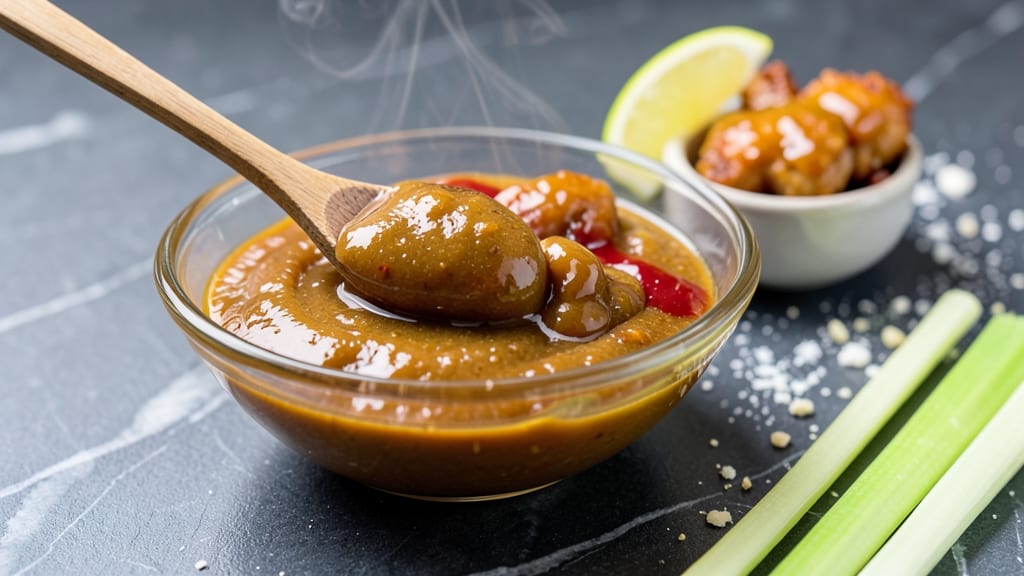
Applebee's buffalo wing sauce recipe delivers that signature smoky, tangy heat without any added sugar—just pure, bold flavor. The secret lies in balancing cayenne pepper for heat, melted butter for richness, and a touch of vinegar for that signature tang. I've recreated this iconic sauce exactly as it tastes at the restaurant, so you can recreate those crispy, saucy wings at home without the wait. This sauce comes together in just 10 minutes with simple pantry staples: hot sauce, melted butter, and a blend of spices that create that unmistakable Applebee's profile. The key is simmering the mixture until it thickens slightly, which allows the flavors to meld and develop that deep, smoky character. No complicated techniques—just a few ingredients and a little patience. What you'll end up with is a glossy, slightly thickened sauce that's perfect for tossing with wings, chicken tenders, or even drizzling over salads. The heat is balanced with richness, and the tang cuts through the fat, making every bite satisfying. It keeps well in the fridge for up to a week, so you can make a big batch and have it ready whenever cravings strike. The best part? This sauce is completely customizable. Adjust the cayenne for more or less heat, or add a splash of honey if you prefer a touch of sweetness. But as written, it's the closest thing to Applebee's signature buffalo sauce you'll find at home.
Ingredients for applebee's buffalo wing sauce
Simple pantry staples for that iconic Applebee's buffalo heat—no sugar needed.
| Ingredient | Amount | Notes |
|---|---|---|
| Unsalted Butter 🧈 | ½ cup | Melted, full-fat for richness |
| Hot Sauce 🌶️ | ½ cup | Frank's RedHot preferred |
| Apple Cider Vinegar 🍎 | 2 tbsp | For signature tang |
| Cayenne Pepper 🔥 | 1 tsp | Adjust for heat preference |
| Garlic Powder 🧄 | 1 tsp | Freshly ground preferred |
| Onion Powder 🧅 | 1 tsp | For depth of flavor |
| Smoked Paprika 🌶️ | ½ tsp | For smoky character |
| Ground Black Pepper 🌶️ | ¼ tsp | Freshly ground preferred |
| Salt 🧂 | ½ tsp | Kosher or sea salt |
The butter is non-negotiable here—unsalted, full-fat gives you that rich, velvety base. Frank's RedHot is the gold standard for hot sauce, but any good-quality brand works. I grab mine at Walmart or Target because it's always reliable. Apple cider vinegar adds that signature tang, so don't skip it. The spices? Penzeys or the bulk bins at Whole Foods for the freshest grind. Smoked paprika is what gives it that restaurant-quality smokiness—McCormick works fine if you don't want to splurge on specialty brands.
No hot sauce? Substitute with 1 tbsp cayenne pepper mixed with 2 tbsp water—just know it'll be spicier. Out of apple cider vinegar? White vinegar or lemon juice works in a pinch, though the flavor won't be identical. Want to cut the heat? Reduce the cayenne to 0.5 tsp or add a splash of honey. The butter can be clarified if you're worried about dairy solids—just melt it slowly and skim off the foam. For extra smokiness, add 1/4 tsp liquid smoke (like La Choy), but use it sparingly.
This sauce keeps for 1 week in the fridge, sealed in a jar. It reheats beautifully—just warm it on the stove over low heat, stirring occasionally. For leftovers, I freeze portions in ice cube trays, then transfer to a bag. Perfect for quick wing nights or last-minute dips. The flavors actually improve after a day or two as everything melds together. Store it in the darkest part of your fridge to keep that rich color.
Why You'll Love This Recipe
- Five-Ingredient Magic: I swear, this sauce comes together with stuff you already have. Melt butter, toss in hot sauce and vinegar—boom. The cayenne and garlic powder add that signature tang without extra fuss.
- Tangy Heat Balance: That apple cider vinegar cuts through the richness of the butter, while the cayenne delivers just the right kick. It’s not too sweet, not too spicy—just that perfect, restaurant-style burn.
- Game Day Staple: Between us, this sauce disappears at parties. Use it on wings, fries, even deviled eggs. Double the batch—trust me, you’ll want leftovers.
- Budget-Friendly Fire: A single jar of hot sauce and a stick of butter stretch for multiple meals. The vinegar and spices cost pennies, but the flavor? Pure satisfaction.
Step-by-step instructions for Applebee's buffalo wing sauce
This tangy, smoky sauce delivers the signature Applebee's heat without any added sugar.
Melt the Butter for a Rich Foundation
Place the 0.5 cup unsalted butter in a medium saucepan over medium-low heat. Let it melt completely, stirring occasionally, until it becomes smooth and fully liquid. You'll know it's ready when it turns completely clear with no visible butterfat chunks—this usually takes about 3-4 minutes. Keep the heat low to prevent burning, as butter can scorch easily.
This melted butter forms the creamy base of your sauce. I like to use full-fat butter here because it adds richness that cuts through the heat of the hot sauce. If you see any foam forming on top, gently skim it off with a spoon—this ensures a clean, smooth sauce without any burnt bits.
Combine Hot Sauce and Vinegar for Tangy Depth
Once the butter is fully melted, reduce the heat to low and add the 0.5 cup hot sauce and 2 tablespoons apple cider vinegar. Stir well to combine, letting the mixture simmer gently for 2-3 minutes. You'll notice the sauce start to bubble lightly and develop a deeper, more complex flavor as the vinegar's acidity brightens the hot sauce's heat.
Here's the thing—don't rush this step. The vinegar needs time to mellow out the raw heat of the hot sauce. If you taste it now, you'll notice the tangy kick that balances the spice. This is where the sauce starts building its signature Applebee's flavor profile, so let it work its magic without rushing.
Add Dry Seasonings for Smoky Heat
With the sauce still on low heat, sprinkle in the 1 teaspoon garlic powder, 1 teaspoon onion powder, 0.5 teaspoon smoked paprika, 0.25 teaspoon ground black pepper, and 0.5 teaspoon salt. Stir constantly for 1-2 minutes until all the seasonings are fully dissolved and the sauce becomes thick and glossy. You'll smell that wonderful combination of smoky, spicy, and savory notes filling your kitchen.
I always use freshly ground black pepper and freshly ground garlic powder here—they make a noticeable difference in flavor. The smoked paprika adds that subtle smokiness that's so characteristic of Applebee's sauce, while the onion powder rounds out the depth. Keep stirring to prevent any seasonings from settling at the bottom and burning.
Simmer to Perfect Consistency
Continue simmering the sauce on low heat for 5-7 minutes, stirring occasionally. You're looking for it to thicken slightly but still maintain a smooth, pourable consistency—it should coat the back of a spoon but not be glue-like. If it starts to thicken too much before reaching this point, you can add 1-2 teaspoons of water to loosen it up.
This simmering step is crucial for developing the sauce's full flavor. You'll notice the spices meld together beautifully, creating that perfect balance of heat, tang, and smokiness. The sauce should be hot but not boiling—you want it to simmer gently so it doesn't lose moisture or develop a skin on top.
Cool and Adjust Seasoning
Remove the sauce from heat and let it cool for 5-10 minutes at room temperature. This cooling period is important—it allows the flavors to settle and makes it easier to taste and adjust the seasoning. Once cooled, give it a taste and adjust the seasoning if needed. If it needs more heat, add a pinch more cayenne pepper. If it needs more tang, add a little more apple cider vinegar.
Here's my pro tip: The sauce will thicken slightly as it cools, so don't be tempted to thin it out with water at this stage. Instead, let it come to room temperature first. Once you're happy with the flavor, transfer it to a clean jar or container and store it in the refrigerator for up to 2 weeks, or freeze it for up to 3 months for future use.
Pro Tips For Making Applebee'S Buffalo Wing Sauce
- Melt Butter Slowly: Don’t dump cold butter into the hot sauce—it’ll clump like a sad, greasy lump. Cut the butter into small cubes first, then add them one at a time while stirring constantly over medium-low heat. I learned this the hard way when my sauce turned into a gloppy mess that needed a strainer.
- Use Real Apple Cider Vinegar: That cheap "apple vinegar" from the salad dressing aisle won’t cut it—it’s sweeter and lacks the bright tang you need. Grab a small bottle of 100% apple cider vinegar (the kind you’d drink straight) for that signature tangy bite. Trust me, your wings will taste like you actually went out for them.
- Taste Before Adding Cayenne: Skip the guesswork—taste the sauce before dumping in the cayenne. If it’s already spicy enough, you’ll avoid ending up with a sauce so fiery it could strip paint. Start with half the cayenne, taste again, then adjust. (And if you’re like me, keep a glass of milk nearby.)
- Simmer, Don’t Boil: Once the butter’s melted and everything’s combined, let the sauce simmer gently for 3-4 minutes—not a rolling boil. This lets the flavors meld without burning the garlic powder or turning the vinegar harsh. I used to rush this, and the sauce always tasted flat. Patience here makes a real difference.
Pro cooking tips for perfect results
Heat Control Secrets
The cayenne pepper is where the magic happens, but don’t overdo it! Start with 1 tsp and taste as you go—this sauce should be hot but balanced. If you’re serving kids or sensitive eaters, reduce to ½ tsp or even ¼ tsp for a milder kick.
I’ve found that Penzeys brand cayenne has a more consistent heat than store brands, so it’s worth the splurge if you’re spice-sensitive. 🔥
Butter Clarification Trick
For an ultra-smooth sauce, clarify your butter by melting it slowly over low heat, then skimming off the foam with a spoon. This removes milk solids that can burn and create a slightly grainy texture.
If you’re in a hurry, just melt the butter normally—it’ll still taste great, but the clarified version has a restaurant-quality finish. Pro tip: Use European-style butter (like Plugrá) for even richer flavor. 🧈
Vinegar Matters
Don’t substitute apple cider vinegar with white vinegar or balsamic—it changes the flavor profile completely. The apple cider vinegar gives that signature tang that cuts through the richness of the butter. If you’re out, lemon juice works in a pinch, but it’ll be brighter and less complex.
For extra depth, add ½ tsp of honey to balance the heat if you prefer a touch of sweetness. 🍎
Smoke Without the Smoker
The smoked paprika is what gives this sauce its signature smoky depth, but if you want to take it further, add ¼ tsp of liquid smoke (like La Choy) for an extra layer of complexity.
Stir it in during the final 2 minutes of simmering so the flavor doesn’t overpower. If you’re feeling adventurous, try ½ tsp of chipotle powder for a deeper, earthier smoke. 🌶️
Thickening Like a Pro
If your sauce gets too thin, simmer it longer—it’ll thicken as it cools. If it’s too thick, add 1 tsp of water or hot sauce at a time until it reaches a pourable but glossy consistency.
Avoid cornstarch or flour; they can make the sauce taste artificial. For a smoother finish, blend it briefly with an immersion blender to break up any lumps. 💫
Storage Hacks
Store your sauce in an airtight glass jar in the fridge for up to 2 weeks—it actually tastes better after a day or two as the flavors meld. For long-term storage, freeze it in ice cube trays, then transfer to a bag.
Thaw overnight in the fridge and stir well before using. If it separates, just warm it gently and stir until smooth again. ❄️
Nutrition facts
Frequently asked questions
Can I make this sauce without butter?
The butter creates that signature creamy richness that balances the heat. For a lighter version, substitute with ¼ cup olive oil or ½ cup sour cream (thinned with water). The sauce will be tangier but still delicious. If you're avoiding dairy completely, use ½ cup vegan butter or coconut oil for a similar texture.
How do I make this sauce spicier?
Add an extra ½ teaspoon cayenne pepper for more heat, or stir in 1 teaspoon hot sauce while simmering. For a smoky kick, add ¼ teaspoon chipotle powder or a dash of liquid smoke. Always taste as you go—you can't remove heat once it's added!
Can I use this sauce on foods besides wings?
It's perfect for chicken tenders, meatballs, or even drizzled over baked potatoes. Try it as a marinade for grilled shrimp or as a dip for veggie sticks. The smoky-spicy flavor works surprisingly well with mac and cheese or mashed potatoes too.
Why did my sauce separate?
This usually happens if the sauce cooled too quickly or if you didn't stir enough while simmering. To fix it, gently reheat the sauce over low heat while stirring constantly. If it's still grainy, blend briefly with an immersion blender. For prevention, keep heat at low and stir frequently during simmering.
How do I reheat leftover sauce?
Warm it gently in a saucepan over low heat, stirring frequently until fully heated through. Avoid microwaving as it can make the sauce thin out. For best results, reheat only what you need. If the sauce thickens too much, add 1 teaspoon water or hot sauce to restore consistency.