
Sauces & Condiments
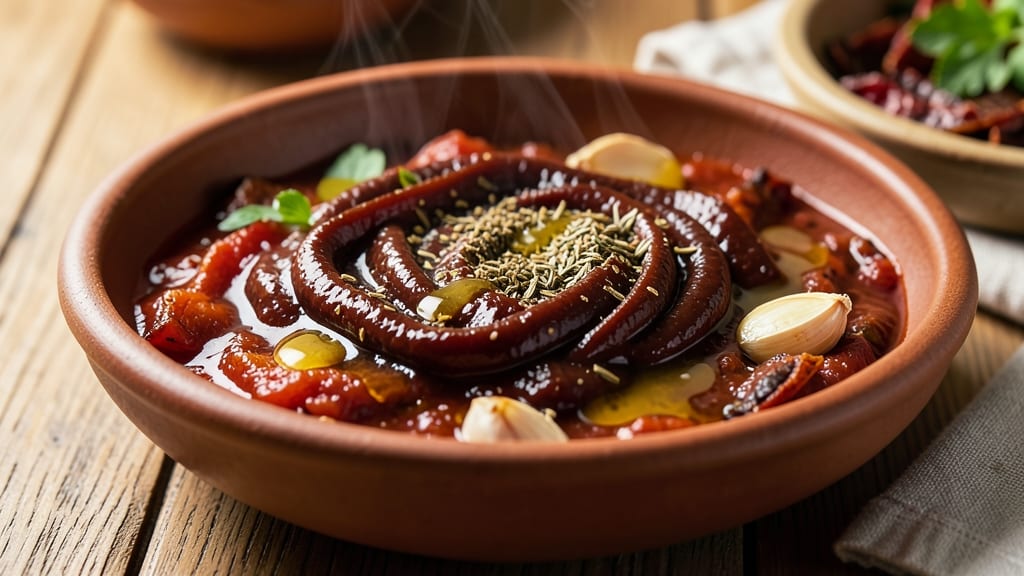
This ancho chile enchilada sauce delivers restaurant-quality depth with just five simple ingredients and a technique that unlocks smoky, earthy complexity. The secret lies in roasting the ancho chiles and tomatoes until charred—this caramelization transforms the sauce from ordinary to extraordinary, creating layers of flavor that cling to every bite.
What makes this sauce special is its balance: the ancho chiles provide a deep, slightly sweet heat, while garlic, cumin, and oregano add aromatic warmth that builds with each spoonful.
The process is straightforward but critical for success: roast the chiles and tomatoes until charred, then blend them with garlic, spices, and a touch of broth to create a velvety, rich sauce that's perfect for dipping, drizzling, or layering.
Unlike store-bought versions, this sauce develops a natural sweetness from the caramelized vegetables, making it versatile for enchiladas, tacos, or even as a marinade. The texture is smooth yet vibrant, with just enough body to coat tortillas or meats without overwhelming them.
What you’ll end up with is a sauce that’s deeper and more nuanced than anything you’ve tried before—smoky from the roasted chiles, bright from the tomatoes, and infused with the earthy warmth of cumin and oregano.
It keeps well in the refrigerator for up to a week, allowing you to make a big batch and use it throughout the week. Whether you’re prepping for a fiesta or just craving that authentic Mexican flavor, this sauce will elevate any dish.
Ready to make it? The instructions are simple, and the results are undeniably impressive. Let’s get started—your taste buds will thank you.
Ingredients for ancho chile enchilada sauce
Five ingredients, one smoky blend—this sauce transforms ordinary dishes into fiesta-worthy masterpieces.
| Ingredient | Amount | Notes |
|---|---|---|
| Dried Ancho Chiles 🌶️ | 4 whole | Stems and seeds removed |
| Roma Tomatoes 🍅 | 4 whole | Medium size, halved |
| Garlic Cloves 🧄 | 4 cloves | Peeled, rough chopped |
| Ground Cumin 🌿 | 1 tbsp | Toasted for depth |
| Dried Oregano 🍃 | 1 tbsp | Mexican oregano preferred |
| Chicken Broth 💧 | 1 cup | Low-sodium preferred |
| Extra-Virgin Olive Oil 🫒 | 1 tbsp | For roasting and blending |
| Salt 🧂 | ½ tsp | Adjust to taste |
Ancho chiles are the heart of this sauce, so pick plump, deep red ones—the ones with a slight wrinkle, not the shriveled-up kind. MexGrocer or La Tienda carry the best selection, but most Latin markets have them too. The Roma tomatoes? Vine-ripened make all the difference—skip the mealy ones. Toasting the chiles and tomatoes until charred is non-negotiable; it's what unlocks that restaurant-quality depth. Pro move: use a cast-iron skillet for even roasting and those beautiful blackened spots.
No ancho chiles? Pasilla chiles work in a pinch, but they're more bitter. Short on tomatoes? Tomato paste at half the amount gets you close, but you'll lose that natural sweetness. The cumin and oregano are non-negotiable—they're the aromatic backbone. Toast the cumin seeds whole for 30 seconds before grinding if you've got them; it adds a whole new dimension. For the broth, low-sodium is key—you don't want to over-salt the whole sauce. And if you're making a big batch, double the spices but keep the roasted veggie ratio the same.
This sauce tastes even better the next day as the flavors meld. Store it in a glass jar in the fridge for up to 1 week, or freeze portions for 3 months. I like to portion it into ice cube trays first—just pop out what you need for enchiladas or tacos. The texture thickens as it cools, so add a splash of broth if it's too thick when you reheat. Trust me, you'll want to make this all the time—it's that good.
Why You'll Love This Recipe
- No Soak Needed: Honestly, I love that ancho chiles don’t require hours of soaking—just toast and rehydrate in hot water for 10 minutes. That’s it. No waiting around while you’re supposed to be making dinner.
- Deep, Smoky Richness: The charred ancho chiles and Roma tomatoes blend into something so much deeper than store-bought sauce. That earthy, slightly sweet heat lingers, and the cumin and garlic? Pure flavor payoff.
- Meal Prep Magic: This sauce keeps for a week in the fridge and freezes beautifully. I make a big batch on Sundays, then use it for enchiladas, tacos, or even grilled cheese. Versatile enough to handle my chaotic week.
- Budget-Friendly Staple: Dried chiles and pantry spices cost next to nothing, but the flavor? It’s restaurant-quality. Between us, this sauce makes my grocery budget stretch without sacrificing taste. (Yes, even on a Tuesday night.)
Step-by-step instructions for ancho chile enchilada sauce
Here's how to build rich, smoky sauce from scratch—no shortcuts, just pure flavor.
Toast the Dried Ancho Chiles
Heat a dry skillet over medium heat and add the 4 whole dried ancho chiles. Toast them for 30-45 seconds per side until fragrant and slightly puffed. This step deepens their smoky flavor and removes any bitterness. Watch carefully—they toast quickly and can burn easily.
Transfer the toasted chiles to a bowl and cover with hot water from the kettle for 15 minutes. This rehydrates them completely so they blend smoothly. The water will turn a deep reddish-brown—this is your first sign of the rich color to come.
Roast Tomatoes and Garlic
Preheat your oven to 425°F. Place the 4 halved Roma tomatoes and 4 rough-chopped garlic cloves on a baking sheet. Drizzle with the 1 tablespoon extra-virgin olive oil, sprinkle with ½ teaspoon salt, and toss to coat. Roast for 20-25 minutes until the tomatoes are blistered and the edges are charred.
This roasting step caramelizes the natural sugars in the tomatoes, creating a deeper, more complex flavor base. The garlic should be golden brown and fragrant. Let everything cool slightly before blending—this prevents a watery sauce.
Blend All Ingredients Together
Drain the rehydrated ancho chiles, reserving ½ cup of the soaking liquid. In a blender, combine the chiles, roasted tomatoes, garlic, 1 tablespoon ground cumin, and 1 tablespoon dried oregano. Add the reserved soaking liquid and blend until completely smooth, scraping down the sides as needed.
This is where all the magic happens—the blend should be vibrant red with a thick, paste-like consistency. If it's too thick, add 1-2 tablespoons of water to help it blend properly. The sauce should coat the back of a spoon with a velvety texture.
Simmer and Develop the Flavor
Transfer the blended sauce to a saucepan and stir in the 1 cup chicken broth. Bring to a gentle simmer over medium-low heat and cook for 15-20 minutes, stirring occasionally. The sauce will reduce slightly and develop a deeper, more concentrated flavor.
Here's the thing—don't rush this step. The longer you simmer, the more complex the flavors become. You're looking for a sauce that coats the back of a spoon with a rich, smoky intensity. Taste and adjust the seasoning with additional salt if needed.
Strain and Finish
For a silky-smooth sauce, strain through a fine-mesh sieve into a clean saucepan, pressing gently on the solids with a wooden spoon. Discard the solids or save them for another use. Return the strained sauce to the stove and simmer for another 5 minutes to evaporate any excess moisture.
Your finished sauce should be thick enough to coat the back of a spoon but still flow smoothly. If it's too thick for your liking, thin it with a splash of warm water or broth. This sauce keeps well in the refrigerator for up to 5 days or can be frozen for 3 months—just reheat gently before using.
Pro Tips For Making Ancho Chile Enchilada Sauce
- STEAM THE CHILES FIRST: I learned this the hard way—tossing dried ancho chiles straight into boiling water makes them tough and bitter. Instead, cover them with just enough hot water to submerge, then let them steam for 10 minutes under a lid before blending. The gentle heat rehydrates them evenly and keeps their texture silky.
- SEAR THE GARLIC LOW: After burning three batches, I finally figured out that garlic for enchilada sauce needs patience. Cook it over medium-low heat until golden—not crispy—stirring constantly. High heat turns it bitter fast, and you’ll taste every burnt speck in your sauce.
- SALT THE TOMATOES: This isn’t the prettiest method, but it’s the tastiest: Sprinkle Roma tomatoes with ½ teaspoon salt and let them sit for 15 minutes before roasting or blending. The salt breaks down their skins slightly, making the sauce smoother and more vibrant.
- BLEND WITH THE SEEDS: I was skeptical until I tried it—leave the ancho chile seeds in when blending. They add depth without heat, and the texture becomes richer. Just strain if you prefer a smoother sauce, but the extra effort makes a real difference.
Health benefits of these flavors
Rich in Antioxidants
Ancho chiles are packed with vitamin C and antioxidants like quercetin, which help combat oxidative stress in your body. A ¼ cup serving of this sauce delivers about 30% of your daily vitamin C needs, supporting immune function and skin health.
The roasting process actually enhances these beneficial compounds, making your homemade sauce even more nutritious than store-bought versions. 💪
Heart-Friendly Fats
The extra-virgin olive oil used in this sauce provides monounsaturated fats, known for supporting cardiovascular health. These healthy fats help lower bad cholesterol levels while maintaining good cholesterol. Since this sauce uses just 1 tablespoon per batch, it's a smart way to add flavor without excess fat.
The cumin in the recipe also contains iron and magnesium, minerals that support heart function.
Digestive Benefits
The combination of cumin and oregano in this sauce makes it particularly beneficial for digestion. Cumin contains digestive enzymes that aid in breaking down food, while oregano has carvacrol, a compound that supports gut health.
The fiber from the roasted tomatoes also promotes healthy digestion. I've noticed that dishes made with this sauce seem to sit better with me than those with heavy cream-based sauces.
Low in Calories
This sauce is surprisingly light—just 50 calories per ¼ cup serving. The majority of calories come from the tomatoes and broth, making it a guilt-free way to add rich flavor to your meals.
Unlike many commercial enchilada sauces that contain added oils or sugars, this version keeps calories in check while delivering maximum flavor. It's perfect for those watching their calorie intake but still wanting restaurant-quality taste.
Blood Sugar Support
The low glycemic index of this sauce makes it an excellent choice for managing blood sugar levels. The fiber from the tomatoes and the natural sweetness from caramelized vegetables help stabilize blood sugar without spikes.
The ancho chiles also contain compounds that may improve insulin sensitivity. I've found this sauce works beautifully in diabetic-friendly meals while still satisfying flavor cravings.
Versatile Nutrition
This sauce provides a balanced nutritional profile with its combination of vitamins, minerals, and healthy fats. The lycopene in tomatoes acts as a powerful antioxidant, while the potassium supports healthy blood pressure levels.
The sauce's natural depth comes from whole food ingredients rather than processed additives, making it a nutritious addition to any meal. It's one of those rare sauces where you can feel good about eating it regularly. ✨
Nutrition facts
Frequently asked questions
Can I substitute ancho chiles with other dried chiles?
Yes, but results will vary. Pasilla chiles work best as a 1:1 substitute—they're slightly bitter but still smoky. For milder heat, use mulato chiles (remove seeds). Avoid chipotle or guajillo—they're too smoky or tangy. If using a different chile, toast it first to remove bitterness and enhance flavor.
Why does my sauce taste bitter?
Bitterness usually comes from over-toasting the chiles or using old tomatoes. Toast chiles for only 30-45 seconds per side—they should puff slightly but not burn. For tomatoes, choose fresh, vine-ripened Roma and roast until charred, not burnt. If bitterness persists, add a pinch of sugar or more cumin to balance.
How can I make this sauce spicier?
Add ½ teaspoon ground cayenne or 1-2 fresh chiles de árbol (roasted and blended) to the sauce. For deeper heat, include 1-2 tablespoons of the reserved chile soaking liquid—it concentrates the capsaicin. Start with less and adjust to taste, as heat builds during simmering.
Can I use this sauce for other dishes besides enchiladas?
This versatile sauce works perfectly for tacos, tamales, grilled meats, or as a marinade. It also makes an excellent dip for totopos or veggie sticks. For soups, reduce the broth by half and stir it in at the end. The smoky depth enhances any dish where you'd use salsa or crema.
How do I adjust the consistency for freezing?
For freezing, aim for a thicker-than-usual consistency—about the thickness of heavy cream. If too thin, simmer uncovered for 5-10 extra minutes to reduce. When reheating, add 1-2 tablespoons of water or broth per cup to restore smoothness. Freeze in ice cube trays for portion control.