
Sauces & Condiments
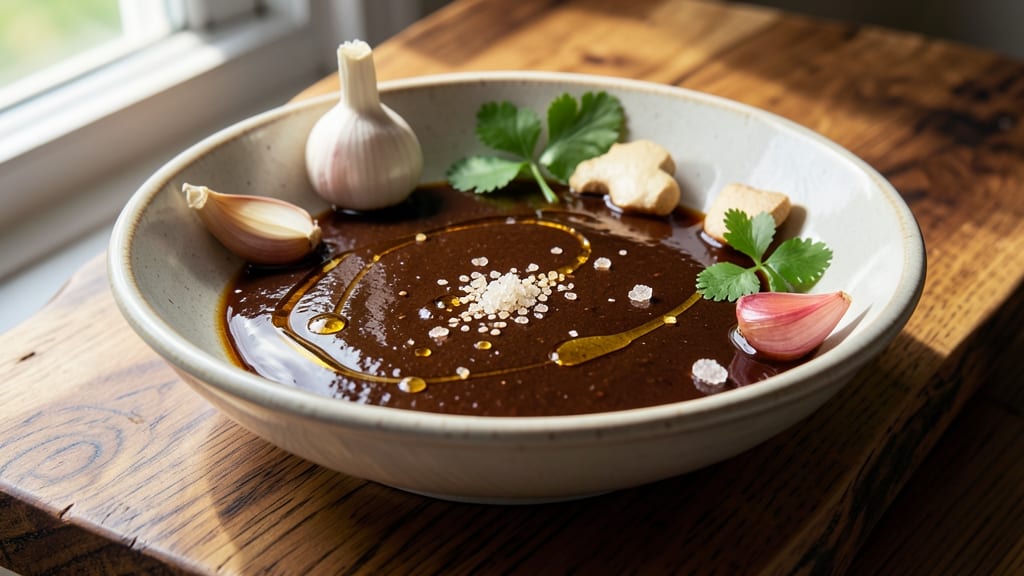
This amino sauce recipe transforms simple pantry staples into a glossy, umami-rich sauce that elevates grilled meats, wings, and stir-fries. The secret lies in balancing soy sauce, mirin, and sugar for a perfect harmony of sweet, salty, and savory notes that cling beautifully to food.
I developed this version after years of experimenting with restaurant-quality sauces, and it’s now my go-to for adding depth to everything from marinades to dipping sauces.
The process is straightforward but requires patience—simmering the ingredients until thickened creates that signature glossy finish. You’ll need just five core ingredients (plus optional garlic or ginger for extra complexity), and the sauce keeps well in the fridge for up to two weeks.
What makes this recipe stand out is its versatility: use it as a marinade for chicken or pork, a dipping sauce for dumplings, or a glaze for roasted vegetables.
What you’ll end up with is a rich, sticky sauce that adds layers of flavor without overpowering the dish. The balance of sweetness and salt creates a satisfying depth that pairs perfectly with grilled meats, while its glossy texture makes every bite feel restaurant-worthy.
Whether you’re cooking for a crowd or meal prepping for the week, this sauce is a game-changer for elevating simple dishes.
Ready in just 15 minutes with minimal effort, this amino sauce delivers professional results without the fuss. The key is reducing it properly—don’t rush the process, and you’ll achieve that perfect consistency every time. Let’s get started!
Ingredients for amino sauce
Five core ingredients create this restaurant-worthy umami sauce that clings beautifully to grilled meats and wings.
| Ingredient | Amount | Notes |
|---|---|---|
| Light Soy Sauce 🥢 | ½ cup | Low-sodium preferred for balance |
| Mirin 🍶 | ¼ cup | Sweet rice wine for depth |
| Granulated Sugar 🍚 | ¼ cup | White or brown sugar works |
| Sesame Oil 🫒 | 1 tbsp | Toasted for nutty aroma |
| Garlic Cloves 🧄 | 3 cloves | Minced for aromatic base (optional) |
| Fresh Ginger 🌿 | 1 tbsp | Grated for zesty kick (optional) |
| Water 💧 | ½ cup | For thinning if needed |
The soy sauce and mirin combo is non-negotiable—Kikkoman soy sauce and Hirata mirin are my go-tos, but any quality brands work. Sugar isn't just for sweetness; it helps balance the acidity and creates that glossy finish. Trader Joe's carries affordable mirin, and if you can't find it, a 1:1 mix of white wine and sugar in a pinch. Sesame oil adds that nutty aroma, so grab the toasted kind (the regular stuff tastes flat). For the garlic and ginger, fresh is ideal, but if you're in a rush, jarred minced garlic works—just taste first to avoid overpowering.
No mirin? Substitute 1 tbsp honey plus 1 tbsp water for the same sweetness. Short on sesame oil? 1 tsp toasted sesame seeds stirred in at the end mimic the flavor. The sugar can be swapped for maple syrup, but it'll darken the sauce more. If you're making this for a crowd, double the batch—it keeps beautifully. The sauce thickens as it cools, so add water gradually if it's too stiff. For extra depth, a splash of fish sauce (if not vegetarian) or vegetable broth works wonders.
This sauce is a pantry staple—keeps for up to 2 weeks in the fridge, and freezes perfectly for 6 months. I always make a double batch because it disappears fast. Store it in a glass jar with a tight seal to preserve that glossy finish. Shake before using if it separates. The flavors meld even better after a day, so if you can wait, do it. A drizzle over grilled chicken or wings? Absolute game-changer.
Why You'll Love This Recipe
- Five-Ingredient Magic: I swear, this is the kind of sauce where you measure, simmer, and boom—flavor explosion. No chopping mountains of herbs, no blender full of mystery liquids, just those five pantry staples doing all the heavy lifting while you sip your coffee.
- Umami Bomb: That first hit of garlic and sesame oil? Pure satisfaction. The mirin softens the soy’s saltiness while the sugar caramelizes just enough to make it dangerously good on everything from stir-fries to grilled chicken.
- Weeknight Hero: I’ve drizzled this on takeout noodles, slathered it over roasted veggies, and even used it as a quick marinade. Honestly, if I’m not making a full meal, this sauce turns whatever I’ve got into something special—no stress, no fuss.
- Budget Stretch: A few dollars’ worth of ingredients makes way more sauce than you’d think. I’ve stretched a batch into three meals, frozen half for later, and still had enough to toss into a quick ramen fix. That’s real value right there.
Step-by-step instructions for amino sauce
Here's how to craft this umami-rich sauce that transforms grilled meats into showstopping centerpieces.
Combine the Base Ingredients
In a medium saucepan, pour in the 0.5 cup light soy sauce, 0.25 cup mirin, and 0.25 cup granulated sugar. Stir gently with a wooden spoon to dissolve the sugar completely—this prevents graininess in your final sauce. The sugar will dissolve more quickly if you heat the mixture on low heat for 1-2 minutes, but don't let it come to a boil.
This initial combination creates the foundational balance of salty, sweet, and slightly acidic notes that define amino sauce. The mirin adds depth while cutting through the soy's intensity. I like to taste the mixture at this stage—it should be noticeably sweet and tangy, with just a hint of saltiness. If it tastes too strong, add a splash of water now to adjust the balance.
Add Aromatics and Simmer
Increase the heat to medium and add the 1 tablespoon sesame oil, 3 minced garlic cloves, and 1 tablespoon grated fresh ginger. Stir constantly for 3-4 minutes until the garlic becomes fragrant and the ginger softens slightly. You'll see the mixture bubble gently—this is when the aromatics release their oils and infuse the sauce.
Here's the thing—don't let the sauce darken or stick to the pan. If it starts to reduce too quickly, add 1-2 tablespoons of water to maintain a gentle simmer. The goal is to build flavor without burning the aromatics. You'll know it's ready when the garlic is golden around the edges and the sauce has thickened slightly but remains glossy.
Reduce for Glossy Perfection
Continue simmering on medium-low heat for 8-10 minutes, stirring occasionally, until the sauce reduces by about one-third and becomes syrupy. You're looking for a glossy, lacquer-like consistency that will coat meats beautifully. The sauce should coat the back of a spoon and leave a slight sheen when drizzled.
If the sauce thickens too much before reaching the right consistency, add 1 tablespoon of water at a time until it reaches your desired thickness. Real talk: this sauce should be thick enough to cling to grilled meats but still flow smoothly when brushed on. The reduction process concentrates the flavors, creating that signature umami punch that makes this sauce irresistible.
Strain and Cool
Remove the sauce from heat and let it cool for 5 minutes. Then, strain it through a fine-mesh sieve into a clean bowl or jar, pressing gently on the solids to extract all the flavor. This step ensures your sauce is silky smooth with no texture—perfect for drizzling or brushing. The strained sauce will be even more vibrant in color and flavor.
Let the sauce cool completely before using it on grilled meats. The flavors will meld even more as it cools, and the consistency will become just right for brushing. I like to store any leftovers in the refrigerator for up to 1 week—it actually tastes better the next day as the flavors continue to develop. This sauce is a game-changer for grilled chicken, pork, or even vegetables, adding that professional-quality sheen and depth of flavor.
Pro Tips For Making Amino Sauce
- Simmer Low and Slow: I learned this the hard way—when I rushed the reduction, the sauce ended up thin and cloying instead of rich and glossy. Keep the heat at a gentle simmer (just bubbles breaking occasionally) to let the mirin and sugar meld properly. This isn’t the time to rush; give it 10-15 minutes to thicken naturally.
- Minced Garlic First: Toss whole garlic cloves into the pot and you’ll regret it—you’ll end up with bitter, charred bits instead of fragrant flavor. Finely mince the garlic first (or use a garlic press) and let it bloom in the oil for 30 seconds before adding anything else. This locks in the aroma without burning it.
- Balance the Sugar: Too much sugar and your sauce turns syrupy; too little and it’s flat. Start with 1 tablespoon per cup of soy sauce, then taste as you go—adjust with a pinch more sugar or a splash of mirin until it’s sweet enough to cut through the salt but not overpower the garlic. (Yes, even if you’re impatient like me.)
- Strain for Smoothness: Skim the sesame oil off the top at the end, but don’t stop there—strain the sauce through a fine-mesh sieve to remove any lingering garlic bits. It’s a little extra work, but the result is silky, not gritty. (Your future self will thank you.)
Troubleshooting this dish
Sauce Too Thin?
If your amino sauce isn’t clinging to meats, it’s likely under-reduced. Simmer uncovered on medium-low heat for an extra 5-7 minutes, stirring often. The key is patience—let the liquid evaporate naturally.
If it still feels too thin, mix in 1 teaspoon cornstarch with 1 tablespoon water, stir, then return to heat for 1-2 minutes until thickened. Avoid boiling, or the sauce will darken and lose its glossy finish. 🌡️
Sauce Too Thick?
Over-reduced sauce can become sticky and hard to brush. Thin it gradually with warm water, 1 tablespoon at a time, while stirring constantly. For a smoother texture, whisk in ½ teaspoon sesame oil to restore balance.
If the sauce separates, gently reheat it on low heat while stirring until fully re-emulsified. Remember, the sauce thickens as it cools, so adjust while warm.
Burnt or Bitter Taste?
This usually happens when aromatics (garlic/ginger) burn or the sauce boils too vigorously. Next time, keep heat at medium-low and stir frequently. If it’s already bitter, balance it with ½ teaspoon honey or 1 teaspoon mirin, then simmer for 2 more minutes.
For extra depth, add a pinch of white pepper to mask any burnt notes. Always taste as you go—this sauce is all about balance. 💡
Grainy or Cloudy?
Undissolved sugar or improper straining causes this. If your sauce looks cloudy, strain it again through a fine-mesh sieve or cheesecloth. For extra smoothness, blend the strained sauce briefly in a blender.
If sugar crystals remain, reheat gently while stirring until fully dissolved. Avoid adding cold water—it can cause sugar to re-crystallize. The result should be silky and glossy, not gritty.
Lacks Umami Depth?
Boost umami by adding 1 teaspoon fish sauce (if not vegetarian) or ½ teaspoon MSG to the simmering sauce. For a vegetarian option, stir in 1 tablespoon soy sauce or 1 teaspoon mushroom powder.
If you’re missing sweetness, add ½ teaspoon honey or 1 teaspoon mirin. Taste frequently—umami builds as the sauce reduces, so don’t rush the process. The goal is a rich, savory-sweet balance. ✨
Separates When Stored?
Sauce separation happens when oil and liquid separate in the fridge. Before using, gently reheat the sauce on low heat while stirring until smooth. If it still separates, whisk in 1 teaspoon cornstarch with 1 tablespoon water to help re-emulsify.
Store leftovers in a glass jar with a tight seal to prevent further separation. Shake well before using—this sauce should always be glossy and cohesive. 💫
Nutrition facts
Frequently asked questions
What's the difference between amino sauce and teriyaki sauce?
Amino sauce is lighter, glossier, and more umami-forward than teriyaki, which is thicker and sweeter. While teriyaki relies on a heavy sugar base and often includes honey or brown sugar, amino sauce balances sweetness with soy and mirin for a delicate, sticky finish. Think of amino as the perfect glaze for grilled meats, while teriyaki works better as a marinade or dipping sauce.
Can I make this sauce without mirin?
Replace 0.25 cup mirin with 1 tbsp honey + 1 tbsp water for similar sweetness, or use 0.25 cup white wine for a tangier profile. The key is maintaining the sweet-salty balance—just taste as you go and adjust with extra soy sauce or sugar if needed. For a non-alcoholic option, try 0.25 cup apple juice.
How long does this sauce keep, and can I freeze it?
Store in an airtight container in the fridge for up to 2 weeks, where flavors deepen over time. For longer storage, freeze in ice cube trays or small jars for up to 6 months. Thaw overnight in the fridge—never microwave directly. The texture may thicken slightly when frozen, so thin with water if needed.
What's the best way to use this sauce on grilled meats?
Brush on during the last 5-7 minutes of grilling for maximum caramelization. For wings or chicken, apply a thin layer and grill skin-side down first. For pork chops, baste generously while cooking. The sauce should form a glossy crust—don't overbrush, or it'll pool instead of cling. Save some for finishing drizzles after cooking!
Why does my sauce look cloudy after straining?
Cloudiness usually means undissolved sugar or starch. Reheat the sauce gently while stirring until fully clear, then strain again through a fine-mesh sieve. For extra smoothness, blend briefly in a blender. If the issue persists, reduce the heat next time and stir constantly to prevent sugar crystallization. The final sauce should be crystal-clear and glossy!