
Sauces & Condiments
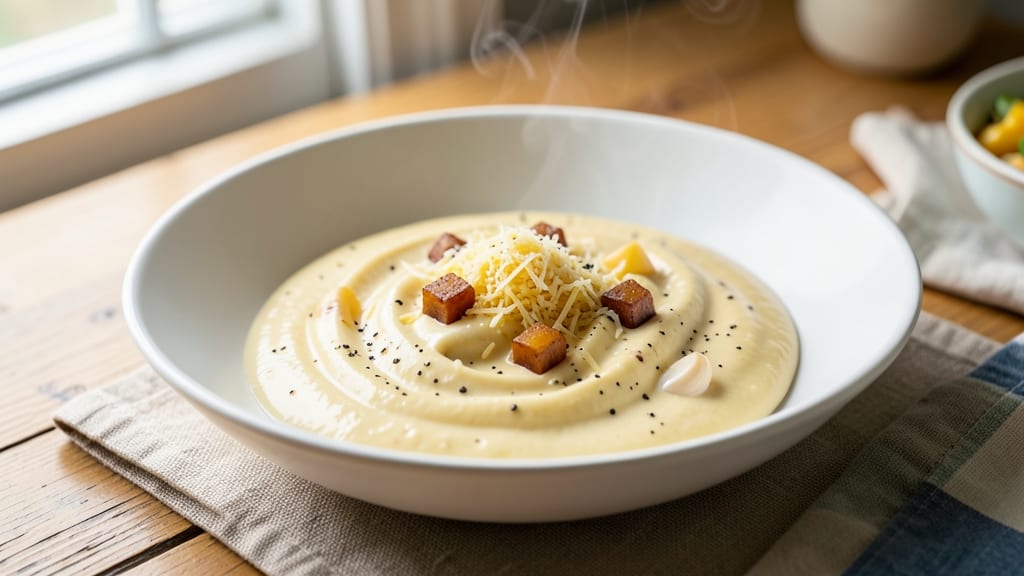
This American alfredo sauce recipe delivers restaurant-quality creaminess without the boiling, blending just four ingredients into velvety perfection in minutes. The secret lies in proper technique—melting butter and cheese together before incorporating warm cream creates a sauce so smooth it clings to pasta like a dream.
I've perfected this version after years of trial and error, ensuring it never curdles or separates, even when reheated.
The magic happens at medium heat, where butter and Parmesan form a silky base before the cream gently folds in. Garlic adds depth without overpowering, while a splash of pasta water keeps the sauce perfectly fluid.
What you'll end up with is a rich, ultra-smooth sauce that coats every strand of fettuccine beautifully—no lumps, no graininess, just pure, indulgent creaminess.
This sauce works equally well over chicken, shrimp, or vegetables, transforming simple meals into something special. The best part? It comes together in under 10 minutes with just a saucepan and whisk—no fancy equipment required. Once you try homemade, store-bought versions will never compare again.
Store leftovers in the fridge for up to 5 days or freeze for months. The sauce actually improves overnight as flavors meld, making it perfect for meal prep. Let's make this creamy masterpiece!
Ingredients for american alfredo sauce
Four core ingredients transform into velvety perfection with the right technique.
| Ingredient | Amount | Notes |
|---|---|---|
| Unsalted Butter 🧈 | ½ cup | Cold, cut into small cubes |
| Parmesan Cheese 🧀 | 1 ½ cups | Freshly grated, block preferred |
| Heavy Cream 🥛 | 1 ½ cups | Full-fat for richest texture |
| Garlic Cloves 🧄 | 3 cloves | Minced, for subtle depth |
| Salt 🧂 | ½ tsp | Diamond Crystal preferred |
| Black Pepper 🌶️ | ¼ tsp | Freshly ground for warmth |
| Pasta Water 💧 | ¼ cup | Reserved from cooking pasta |
The butter and Parmesan form the sauce's foundation, so quality matters here. Use unsalted butter—it gives you control over seasoning. For Parmesan, grate it yourself from a wedge; pre-shredded contains anti-caking agents that make the sauce grainy. I always grab mine from the deli counter at Whole Foods—it's worth the extra few dollars. The heavy cream should be full-fat (none of that skim nonsense)—it's what gives you that signature richness. Garlic cloves? Three medium-sized is perfect; they'll mellow into the sauce without overpowering.
No heavy cream? Half-and-half works in a pinch, though the sauce will be slightly lighter. Freshly grated Parmesan hard to find? Pecorino Romano is a great substitute—it melts beautifully too. The pasta water is non-negotiable; it's what keeps the sauce silky. If you're making this ahead, save an extra 1/4 cup of pasta water when cooking your noodles. For extra flavor, add a pinch of nutmeg or a dash of white pepper—both pair beautifully with Alfredo. And if you're worried about the sauce separating, just whisk in a splash of warm water or milk to bring it back together.
This sauce tastes even better the next day as flavors meld. Store it in an airtight container in the fridge for up to 5 days. For freezing, portion into ice cube trays—thaw exactly what you need for one meal. When reheating, warm gently over low heat, whisking constantly. If it thickens too much, stir in a splash of warm water or milk. The sauce clings beautifully to fettuccine, penne, or even roasted vegetables—just toss while everything's hot for perfect coating.
Why You'll Love This Recipe
- Five-Ingredient Magic: I swear, this sauce comes together with just butter, cheese, cream, garlic, and salt—no weird ingredients or fancy techniques. The butter melts into the Parmesan so fast, you’ll think you’re cheating, and the heavy cream ties it all into that signature velvety hug.
- Garlic-Kissed Richness: That raw garlic sizzling in butter? Oh, it’s good—sharp, sweet, and then it softens into this creamy, nutty depth when the Parmesan joins the party. Honestly, the first time I tasted it, I immediately texted my mom: "You’re coming over for dinner."
- Pasta Party Starter: Slather it over fettuccine for a classic, or toss it with chicken, shrimp, or even roasted veggies. I’ve used it to glaze garlic bread (yes, really) and even as a dip for crusty bread when I’m lazy. It’s the kind of sauce that turns anything into a cozy meal.
- Leftovers That Lie: Between us, this sauce tastes better the next day—thicker, richer, and way more forgiving if you didn’t measure perfectly. I make a double batch on Sundays, freeze half, and still have a backup for when I burn dinner. (Again.) Budget-friendly? Absolutely. Stress-free? Even more so.
Step-by-step instructions for American Alfredo sauce
This method delivers restaurant-quality creaminess without boiling the sauce to perfection.
Melt the Butter and Garlic
Heat a medium saucepan over medium-low heat and add the 0.5 cup unsalted butter cut into small cubes. Let it melt completely, then reduce heat to low to prevent browning. Add the 3 cloves minced garlic and cook for 1-2 minutes until fragrant but not browned—this ensures subtle flavor without bitterness.
Watch the butter carefully—it should foam gently but not bubble vigorously. If it starts to bubble too much, immediately reduce heat to lowest setting. The garlic will release its aroma quickly, so don't let it sit too long or it'll turn bitter.
Gradually Add Parmesan and Heavy Cream
Lower the heat to lowest setting and slowly sprinkle in the 1.5 cups freshly grated Parmesan cheese, stirring constantly with a wooden spoon. The cheese will melt gradually, creating a thick, velvety base. Once fully incorporated, slowly pour in the 1.5 cups heavy cream while continuing to stir.
This gradual addition prevents lumps and ensures even melting. If you add everything at once, you risk creating a grainy texture. Stir for 3-4 minutes until the sauce thickens slightly and coats the back of a spoon. The mixture should look smooth and glossy, not stringy or separated.
Season and Finish with Pasta Water
Add the 0.5 tsp salt and 0.25 tsp black pepper, stirring until fully dissolved. Taste and adjust seasoning if needed—Alfredo sauce should be rich but not overly salty. Now, add 1-2 tablespoons of the 0.25 cup reserved pasta water at a time, stirring constantly, until the sauce reaches your desired consistency.
The pasta water acts as a natural emulsifier, balancing the richness while keeping the sauce silky. If the sauce thickens too much while cooking pasta, simply stir in more pasta water 1 tablespoon at a time until smooth. Remove from heat immediately after reaching desired consistency—overcooking will cause the sauce to curdle.
Serve Immediately Over Pasta
Transfer the sauce to a serving bowl and stir in any remaining pasta water needed to achieve a luxurious, clingy texture. Serve immediately over freshly cooked pasta, tossing gently to coat each strand evenly. The sauce should cling beautifully without being overly thick, creating that signature American Alfredo experience.
For best results, serve while the pasta is still hot. The sauce will continue to thicken slightly as it sits, so don't over-thin it at this stage. If the sauce separates slightly while standing, simply stir vigorously to re-emulsify—this happens occasionally with dairy-based sauces but doesn't affect flavor.
Pro Tips For Making American Alfredo Sauce
- Melt Butter Slowly: I learned this the hard way—dumping butter in all at once turns your sauce into a greasy mess. Instead, melt it in two batches: half first to coat the pan, then the rest in 1-tablespoon increments while stirring constantly. The sauce will emulsify smoother, and you’ll avoid that dreaded separation.
- Grind Your Own Cheese: Pre-shredded Parmesan is coated with anti-caking agents that make your sauce grainy. Grab a microplane or food processor and grate your own—freshly ground cheese dissolves like a dream and packs way more flavor. (Yes, even if you’re impatient like me.)
- Simmer, Don’t Boil: The moment your sauce starts to bubble, you’ve crossed the line. Keep the heat at a gentle simmer—just enough to see tiny ripples—so the heavy cream doesn’t curdle. I used to rush this, and the sauce would split like a bad joke.
- Infuse Garlic Cold: Toss your minced garlic into the cold heavy cream before heating—it mellows the flavor instead of turning bitter. Let it sit for 10 minutes while you melt the butter, then strain it out if you’re squeamish about texture. (Your sauce will thank you.)
Regional styles of these flavors
Classic Italian Roots
While American Alfredo sauce has become a staple in US restaurants, its roots trace back to Italy's Roman-style cacio e pepe. The original Roman sauce used pecorino cheese and black pepper, served over tonnarelli pasta.
American chefs adapted it with Parmesan and heavy cream, creating the ultra-rich version we know today. The key difference? Italian versions are lighter, while American Alfredo is all about that decadent creaminess. 🌍
New York-Style Twist
New York restaurants put their own spin on Alfredo by adding a touch of cream cheese (about 2 ounces) to the base, creating a thicker, more velvety texture. Some versions even include a splash of white wine or a pinch of nutmeg for extra depth.
The Big Apple's take is perfect for hearty pasta dishes like fettuccine or even as a creamy dip for breadsticks.
Texas BBQ Fusion
In Texas, Alfredo sauce gets a smoky twist by incorporating smoked Gouda cheese (replace half the Parmesan) and a dash of smoked paprika. Some chefs even add a splash of beef broth> to deepen the flavor.
This version pairs beautifully with grilled steaks or BBQ chicken, creating a creamy contrast to the smoky meats. The result? A sauce that bridges Italian comfort food with Texas BBQ tradition.
West Coast Lighter Version
California chefs often lighten up Alfredo by using half-and-half> instead of heavy cream and adding a splash of lemon juice> (about 1 teaspoon) for brightness. Some versions even incorporate avocado puree> (about 2 tablespoons) for a silky, dairy-free option.
This lighter take works perfectly with seafood dishes or as a creamy salad dressing.
Southern Comfort Style
The South gives Alfredo sauce a warm, buttery twist by adding a pinch of Cajun seasoning> (about 1/4 teaspoon) or a splash of hot sauce> (like Tabasco). Some Southern chefs even stir in crumbled bacon> (about 2 tablespoons) for extra richness.
This version is ideal for pairing with fried chicken or shrimp dishes, giving it that signature Southern comfort feel.
Vegetarian Vegan Adaptations
For plant-based versions, replace butter with olive oil> and heavy cream with cashew cream> (blend 1 cup soaked cashews> with 1 cup water until smooth). Use nutritional yeast> instead of Parmesan for that cheesy flavor.
Add a splash of lemon juice> to balance the richness. This version works beautifully with veggie-based pasta dishes or as a creamy dip for veggie sticks. 🌱
Nutrition facts
Frequently asked questions
Can I make this Alfredo sauce without heavy cream?
Yes! For a lighter version, replace the heavy cream with an equal amount of half-and-half—it'll still be rich but slightly less decadent. For a dairy-free option, use cashew cream (blend 1 cup soaked cashews with 1 cup water) or coconut milk. Just note the texture will be slightly different, but still delicious when paired with pasta.
Why did my Alfredo sauce get grainy?
Graininess usually happens when cheese doesn't melt smoothly or the sauce gets too hot. Always use freshly grated Parmesan (pre-shredded has anti-caking agents) and stir constantly over low heat. If it happens, whisk in 1-2 tablespoons of warm water or milk to re-emulsify. The sauce should return to silky perfection!
How do I keep the sauce from separating when reheating?
Store leftovers in an airtight container and reheat gently over low heat, stirring constantly. If it separates, whisk in 1 tablespoon of warm water or milk at a time until smooth. Never microwave—it causes dairy to break apart. The sauce should cling beautifully to pasta even after reheating when done properly.
Can I make this sauce ahead of time?
This sauce actually tastes better the next day as flavors meld. Store in an airtight container in the fridge for up to 5 days or freeze for 3 months. When reheating, warm gently over low heat and add pasta water as needed. The texture will be slightly thicker after chilling, which is perfect for tossing with hot pasta.
What's the best pasta to use with Alfredo?
Fettuccine is the classic choice, but any medium-width pasta works beautifully. For extra sauce cling, try pappardelle or tagliatelle. Avoid thin noodles like spaghetti—they can break when tossing. Cook pasta 1 minute less than package instructions (it'll finish cooking in the sauce) for perfect al dente texture.