
Sauces & Condiments
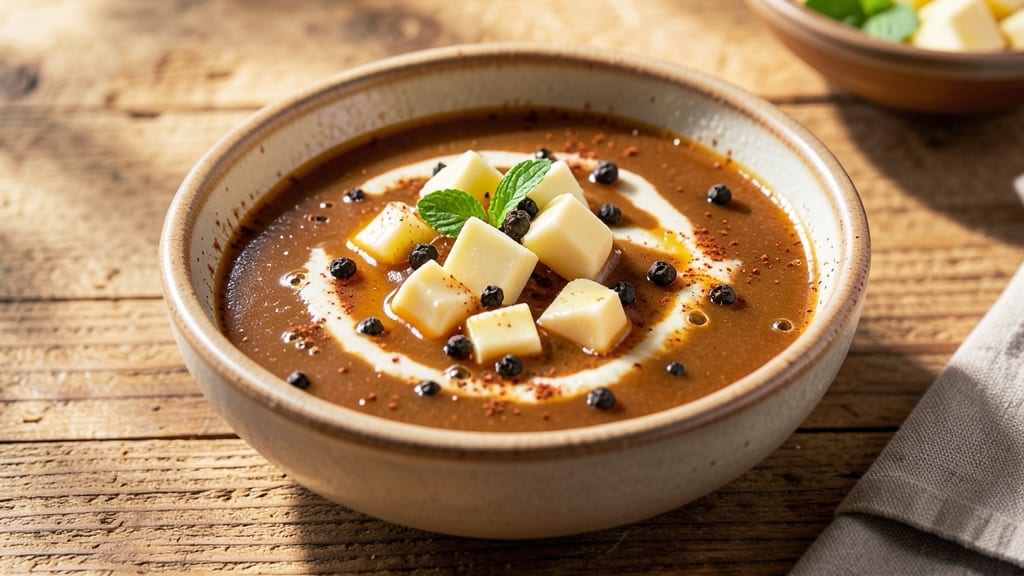
This ambrosia sauce recipe transforms ordinary holiday meals into showstopping centerpieces with its velvety, spiced-sweet glaze. The secret lies in simmering brown sugar, vinegar, and butter until it reaches that perfect glossy consistency—just thick enough to cling beautifully to ham or cake layers.
I first discovered this recipe while preparing for Thanksgiving, and it became an instant family favorite for its ability to elevate any dish with minimal effort.
The magic happens in the spice blend: warm cinnamon, aromatic cloves, and a hint of nutmeg create layers of flavor that complement ham's savory richness or vanilla cakes' delicate sweetness. Unlike store-bought versions, this homemade ambrosia sauce develops a deeper, more complex taste that's impossible to replicate.
The key technique is reducing the mixture slowly over low heat, ensuring it achieves that signature glossy finish without burning.
What makes this sauce truly special is its versatility—it works as both a glaze for holiday hams and a dreamy topping for vanilla-soaked cake layers. The creamy texture coats every bite, creating a luxurious mouthfeel that balances perfectly with the warm spices.
For a modern twist, you can easily adapt this recipe to be vegan by substituting butter with coconut oil and using a plant-based vanilla extract.
Once you try this ambrosia sauce, you'll never go back to store-bought versions. The process is straightforward, but the results are restaurant-quality, making it perfect for both holiday feasts and everyday desserts. Let's get started on creating this timeless classic!
Ingredients for ambrosia sauce
Nine ingredients transform into a velvety, spiced glaze for cakes or hams.
| Ingredient | Amount | Notes |
|---|---|---|
| Light Brown Sugar 🍯 | 1 ½ cups | Packed firmly, not loosely |
| Orange Juice 🍊 | 1 cup | Freshly squeezed preferred |
| Apple Cider Vinegar 🍏 | ½ cup | For tangy depth |
| Unsalted Butter 🧈 | ½ cup | Cut into small cubes |
| Pure Vanilla Extract 🌿 | 1 tbsp | High-quality, not imitation |
| Ground Cinnamon 🌶️ | 1 ½ tsp | Freshly ground preferred |
| Ground Cloves 🌶️ | ½ tsp | Freshly ground for warmth |
| Ground Nutmeg 🌶️ | ¼ tsp | Freshly grated preferred |
| Orange Zest 🍊 | 1 tbsp | From organic oranges |
| Granulated Sugar 🍚 | ¼ cup | For final gloss |
The brown sugar and butter are the sauce’s soul—don’t skimp on quality. Domino or C&H sugars work perfectly, but if you’ve got a raw cane sugar like Florida Crystals, it adds a caramel note. For butter, Plugrá or Land O’Lakes unsalted melt beautifully. Fresh orange juice is non-negotiable here—store-bought lacks the brightness. If you’re using bottled, Tropicana Pure is the closest you’ll get. The zest? Organic oranges have more vibrant flavor, but conventional will do in a pinch. Just make sure it’s freshly zested—pre-grated zest loses potency fast.
No fresh orange juice? Canned orange juice concentrate (thawed and diluted) works, though it’s not ideal. Short on cloves or nutmeg? Allspice at half the amount mimics the warmth. The vanilla extract can be imitation if you’re in a bind, but Madagascar Bourbon or Tewkesbury make all the difference. For a vegan version, swap the butter for Earth Balance vegan butter—it mimics the richness surprisingly well. The apple cider vinegar can be subbed with white vinegar, but it’ll lack that subtle apple undertone that rounds out the sauce.
This sauce keeps beautifully—store it in an airtight jar in the fridge for up to 2 weeks. The flavor actually improves over time as the spices meld. For cake layers, let it come to room temperature before drizzling—it’ll glaze perfectly. If it thickens too much, just whisk in a splash of warm water. Freezes well for 3 months—thaw in the fridge overnight. Pro tip: double the batch. It disappears fast during holidays, and you’ll always have a backup for last-minute dessert emergencies.
Why You'll Love This Recipe
- Here’s what sold me: that first spoonful of warm butter and brown sugar hits like comfort food, but the orange juice and vinegar cut through it with this bright, tangy kick. It’s the kind of sauce that makes you pause mid-bite—like dessert sneaking into savory dishes.
- Five-Ingredient Magic: I swear by this—just brown sugar, orange juice, vinegar, butter, and vanilla. That’s it. No fancy gadgets, no measuring cups with confusing lines. Honestly, I’ve made it while chatting on the phone, and it still turns out rich and glossy every time.
- Sweet-Tart Balance: Here’s what sold me: that first spoonful of warm butter and brown sugar hits like comfort food, but the orange juice and vinegar cut through it with this bright, tangy kick. It’s the kind of sauce that makes you pause mid-bite—like dessert sneaking into savory dishes.
- Holiday or Weeknight: Between us, this sauce is my secret weapon for roasted meats, glazed veggies, or even drizzled over pancakes. I’ve used it for Thanksgiving turkey and Tuesday-night chicken thighs. The vanilla ties it all together, so it feels special without needing a 10-step process.
Step-by-step instructions for ambrosia sauce
Here's how to craft that signature silky, citrus-kissed sauce that transforms cake layers into pure indulgence.
Melt Butter and Brown Sugar Together
In a heavy-bottomed saucepan, combine the 0.5 cup unsalted butter (cut into small cubes) with the 1.5 cups light brown sugar. Place over medium heat and stir constantly with a wooden spoon until the butter melts completely and the mixture becomes smooth. Here's the thing—don't rush this. You're looking for the sugar to dissolve fully and the butter to incorporate completely, which should take about 5-7 minutes. The sauce should thicken slightly and take on a golden hue, signaling the sugar has caramelized just enough to deepen the flavor without burning.
If you see any sugar grains at the bottom of the pan, that means it's not fully dissolved. Keep stirring gently until it disappears completely. This step is crucial because undissolved sugar can make your sauce grainy. Once smooth and bubbling gently, reduce the heat to low to maintain a gentle simmer—this prevents scorching while you add the remaining ingredients.
Incorporate Wet Ingredients and Spices
Add the 1 cup orange juice, 0.5 cup apple cider vinegar, and 1 tbsp orange zest all at once. Stir vigorously to combine, scraping the bottom of the pan to lift up any caramelized bits that have formed. Here's where the magic happens—the orange zest will infuse the sauce with bright citrus notes, while the vinegar adds a subtle tang that balances the sweetness. Let the mixture simmer for 3-4 minutes until it thickens slightly and the volume reduces by about 15-20%. You'll notice the sauce becoming glossy and slightly syrupy in texture.
Next, whisk in the 1.5 tsp ground cinnamon, 0.5 tsp ground cloves, and 0.25 tsp ground nutmeg. These spices dissolve quickly, but stir for an additional 1 minute to ensure they're fully incorporated and the flavors meld. The cloves add warmth, cinnamon brings depth, and nutmeg lends a subtle earthiness—together, they create a spice profile that's both familiar and sophisticated. Taste the sauce at this stage. It should be sweet, tangy, and aromatic, with a hint of spice. If it needs more depth, you can add a pinch more of any spice, but start with the exact amounts provided.
Finish with Vanilla and Granulated Sugar
Remove the saucepan from heat and let it cool slightly for 2-3 minutes. This pause prevents the vanilla from cooking off its delicate flavor. Stir in the 1 tbsp pure vanilla extract and 0.25 cup granulated sugar. The vanilla adds a smooth, floral note that rounds out the sauce, while the granulated sugar provides a final touch of brightness and gloss. At this point, the sauce should be creamy, aromatic, and ready to transform your cake layers.
For the ultimate texture, strain the sauce through a fine-mesh sieve to remove any zest particles or undissolved spice bits. This step ensures a silky, velvety consistency that coats the cake layers perfectly. Let the sauce cool to room temperature before using it—this allows the flavors to fully meld and the texture to set just enough to cling beautifully to the cake. The result? A sauce that's rich, creamy, and bursting with citrus-spiced complexity, every time.
Pro Tips For Making Ambrosia Sauce
- Simmer Slowly: I learned this the hard way—rushing the sauce on high heat turns it into a sticky mess instead of a glossy, balanced glaze. Keep it at a gentle bubble, just enough to see tiny ripples form, and let the brown sugar dissolve fully before adding the vinegar.
- Strain the Citrus: Fresh orange juice always tastes better, but pulp clogs your sauce and makes it grainy. Strain it through a fine-mesh sieve or cheesecloth before measuring—no one wants to taste fiber in their ambrosia.
- Salt the Butter: Unsalted butter is your friend here, but forgetting to season it means your sauce will taste flat. Toss in a pinch of salt (about ¼ teaspoon per ¼ cup butter) while melting it—trust me, the flavor difference is noticeable.
- Vinegar First: Add the apple cider vinegar before the vanilla extract, not after. It needs time to mellow out the sharpness and marry with the sugar—if you toss it in last, the sauce will taste tart and unfinished. Stir it in and let it cook for 2-3 minutes before adding anything else.
Creative variations of this dish
Classic Holiday Ham Glaze
This sauce isn't just for cakes—it's a showstopper when drizzled over spiral-cut ham during holidays. After baking the ham (until it reaches 145°F internal temperature), brush the warm ambrosia sauce generously over the top.
The orange juice and vinegar create a glossy sheen that caramelizes beautifully in the oven, while the spices infuse the meat with aromatic warmth. For extra drama, sprinkle crushed pineapple on top before serving—it adds a tropical contrast that pairs perfectly with the spiced glaze. 🍊
Vegan Orange Dream Sauce
Swap the butter for ½ cup coconut oil (melted) and use ½ cup maple syrup instead of granulated sugar. For vanilla, opt for 1 tbsp vegan vanilla extract (like Annie's brand). The sauce maintains its creamy texture while becoming dairy-free and plant-based.
This version works perfectly as a topping for vanilla bean cakes or as a drizzle over tofu-based desserts. The orange zest and spices remain the same, ensuring that signature citrus-spice balance. 🌱
Spiced Rum Infusion
Add 1 tablespoon dark spiced rum (like Captain Morgan or Bacardi) when you incorporate the vanilla extract. The rum deepens the sauce's complexity with notes of caramel and molasses, making it ideal for Thanksgiving desserts or as a glaze for pork tenderloin.
For a non-alcoholic version, use 1 tablespoon orange liqueur (such as Cointreau) instead. The infusion works best when the sauce is warm, allowing the alcohol to cook off slightly and integrate the flavors. 🍹
Pumpkin Spice Twist
Replace ½ cup of the orange juice with ½ cup pumpkin puree and add ½ teaspoon pumpkin pie spice (a blend of cinnamon, nutmeg, ginger, and cloves).
This variation transforms the sauce into a fall-inspired glaze that pairs wonderfully with pumpkin cakes or as a drizzle over apple crumb bars. The pumpkin adds natural sweetness and a velvety texture, while the extra spices enhance the warm, cozy flavors of autumn. 🎃
Lemon Lavender Variation
Swap the orange juice for 1 cup fresh lemon juice and add 1 teaspoon dried culinary lavender (finely crushed) when simmering the wet ingredients. The lavender adds a floral, slightly herbal note that brightens the sauce, making it perfect for lemon cakes or as a glaze for chicken dishes.
For a stronger lavender flavor, steep 1 tablespoon dried lavender in ¼ cup hot water for 10 minutes, then strain and add the infused water to the sauce. 🌸
Caramelized Onion Topping
For a savory-sweet twist, caramelize ½ cup thinly sliced onions in 1 tablespoon butter until golden brown. Stir these into the finished ambrosia sauce just before serving. This variation works beautifully as a glaze for roasted pork chops or as a drizzle over caramelized onion tart.
The onions add a deep, sweet complexity that complements the sauce's citrus and spice notes. 🧅
Nutrition facts
Frequently asked questions about ambrosia sauce
What's the best way to store homemade ambrosia sauce?
Store it in an airtight container in the fridge for up to 2 weeks. The flavors actually improve over time as the spices meld! For longer storage, freeze it for 3 months—thaw overnight in the fridge. Pro tip: Double the batch—it disappears fast during holidays.
Can I make this sauce without brown sugar?
Yes! Substitute with 1.5 cups granulated sugar plus 1 tablespoon corn syrup to mimic the moisture content. The sauce will be slightly less caramelized but still delicious. For a healthier option, try 1 cup coconut sugar—it has a lower glycemic index.
Why did my ambrosia sauce turn grainy?
Undissolved sugar or overcooking usually causes this. Always stir constantly while melting the butter and sugar, and reduce heat to low once simmering. If it happens, whisk in 1 teaspoon warm water to dissolve the grains. For extra smoothness, strain through a fine-mesh sieve before serving.
What's the best way to use this sauce on cakes?
Let the sauce cool to room temperature first—this prevents melting. Drizzle over vanilla-soaked cake layers while they're still warm, then let set for 10 minutes before slicing. For extra shine, brush a thin layer on top of frosted cakes. It works beautifully on pound cakes, sponge layers, or even cupcakes!
How can I make this sauce vegan?
Replace the butter with ½ cup coconut oil (melted) and use ½ cup maple syrup instead of granulated sugar. Keep all other ingredients the same—especially the orange zest and spices. The texture remains creamy, and it works perfectly on vegan cakes or as a glaze for tofu desserts.