
Sauces & Condiments
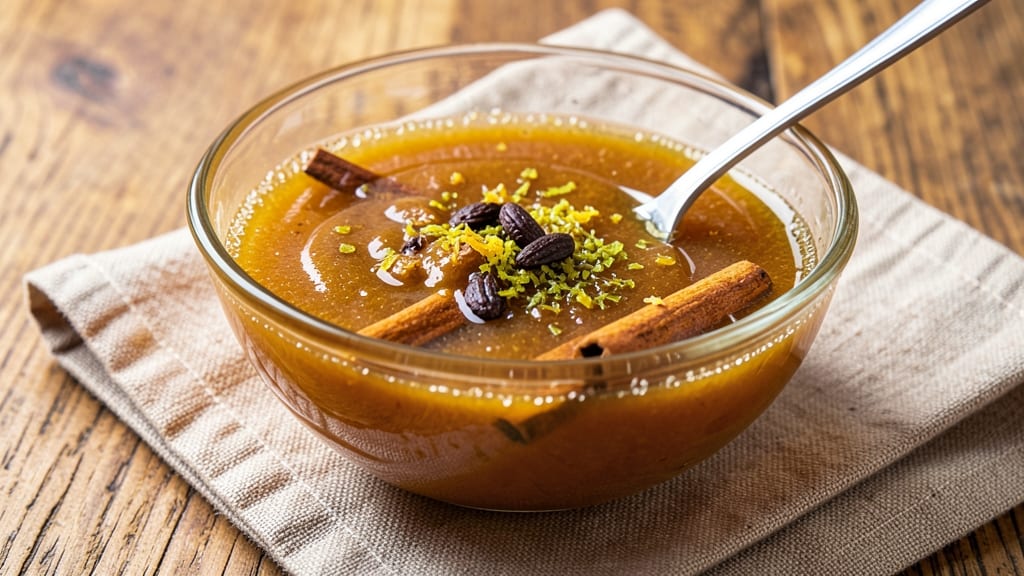
This bigarade sauce recipe transforms bitter orange juice into a vibrant, citrusy glaze that elevates French pastries, meats, and desserts with its complex blend of sweet, tangy, and aromatic notes.
The secret lies in balancing bitter orange juice with sugar and vinegar, creating a sauce that's both versatile and deeply flavorful. I developed this recipe after years of experimenting with citrus glazes, and it's become a staple in my kitchen for adding that signature French touch.
The sauce begins with bitter orange juice, which gives it that distinctive, slightly tart profile, but don’t worry—it’s perfectly balanced with sugar to create a smooth, syrupy consistency.
A touch of vinegar brightens the flavors, while warm spices like cinnamon and cloves add depth, making it ideal for drizzling over pastries, glazing roasted meats, or even enhancing cocktails. The process is straightforward, but the result is anything but ordinary.
What makes this sauce truly special is its ability to transform ordinary dishes into something extraordinary. Imagine a delicate drizzle over a croissant, a glossy glaze on roasted chicken, or a tangy twist in a dessert sauce.
The sauce keeps well in the refrigerator for up to two weeks, so you can make a batch ahead and use it whenever inspiration strikes. It’s the kind of recipe that turns simple ingredients into something truly memorable.
Whether you're a baker looking to add a sophisticated citrus note to your pastries or a home cook eager to experiment with French-inspired flavors, this bigarade sauce is your secret weapon. Let’s get started on creating something that will impress even the most discerning palates.
Ingredients for bigarade sauce
Eight simple ingredients transform bitter oranges into a luxurious French glaze.
| Ingredient | Amount | Notes |
|---|---|---|
| Bitter Orange Juice 🍊 | 1 ½ cups | Freshly squeezed preferred |
| Granulated Sugar 🍚 | 1 cup | White or light brown |
| White Wine Vinegar 🍷 | ¼ cup | Dry, not aged balsamic |
| Ground Cinnamon 🌿 | 1 tsp | Freshly ground preferred |
| Ground Cloves 🌶️ | ¼ tsp | Whole cloves crushed works |
| Orange Zest 🍊 | 1 tbsp | From 1 large orange |
| Extra-Virgin Olive Oil 🫒 | 2 tbsp | For richness and finish |
| Salt 🧂 | ¼ tsp | Fine sea salt preferred |
The bitter orange juice is the heart of this sauce—look for fresh bottles at specialty stores or Latin markets, where the flavor is brightest. If you can't find bitter orange juice, substitute with a mix of regular orange juice and a splash of lemon juice, but it won't be quite the same. The sugar should be fine white or light brown—no need for fancy specialty sugars here. For the vinegar, white wine vinegar keeps the flavor clean, while apple cider vinegar adds a hint of sweetness. The spices are key: freshly ground cinnamon and cloves give it that warm, aromatic depth that makes this sauce so special.
No bitter orange juice? Double the regular orange juice and add 1 tsp of lemon juice for tartness. Running out of white wine vinegar? Rice vinegar works in a pinch, but it'll be less refined. The zest can be from any orange—Navel or Valencia work fine—just make sure to remove all the pith. For a richer sauce, add an extra tablespoon of olive oil, but don't skip it entirely—the oil helps balance the acidity. If you're feeling adventurous, a pinch of cardamom or star anise can add another layer of complexity, but keep it subtle.
This sauce keeps beautifully in the fridge for up to 2 weeks, sealed in an airtight jar. The flavors actually deepen over time, so it's perfect for making ahead. If you've got extra, freeze it in ice cube trays for easy portions—thaw overnight in the fridge. Drizzle over warm pastries, glaze roasted meats, or stir into cocktails. The possibilities are endless, and the sauce always delivers that signature French touch.
Why You'll Love This Recipe
- Five-Ingredient Magic: This sauce comes together with just a simmer and a stir—no peeling, dicing, or chopping. Honestly, I’ve made it while waiting for chicken to roast, and it still turns out bright and balanced.
- Tangy-Sweet Balance: That bitter orange juice cuts through the sugar like a citrusy handshake, while the cloves and cinnamon add warmth without overpowering. It’s the kind of flavor that lingers just right—like a good memory.
- Dresses Up Anything: Drizzle it over grilled fish, toss it with roasted veggies, or use it as a marinade’s secret weapon. I’ve even spooned it into yogurt for a dessert dip that disappears faster than my willpower.
- Keeps Like a Champ: Make a big batch—it stores for weeks in the fridge and freezes beautifully. Between us, I’ve had this sauce rescue forgotten Tupperware meals on lazy Wednesdays. No waste, all flavor.
Step-by-step instructions for bigarade sauce
This bright, aromatic glaze transforms simple pastries into showstopping French treats.
Combine Base Ingredients in a Saucepan
In a medium saucepan, whisk together the 1.5 cups bitter orange juice, 1 cup granulated sugar, and 0.25 cup white wine vinegar over medium heat. I like to use a heavy-bottomed pan to prevent scorching—this sauce needs gentle, even warming. Bring the mixture to a gentle simmer, then reduce heat to low to maintain a steady bubble without boiling over.
Here's the thing—you want the sugar to dissolve completely before adding anything else. Stir occasionally with a wooden spoon, and after about 5 minutes, the sugar should fully integrate, leaving no grainy texture. If you see any sugar crystals lingering, give it another minute or two of gentle heat. This step builds the foundation for that signature tangy-sweet balance.
Infuse with Spices and Zest
Once the sugar is fully dissolved, remove the pan from heat and let it cool slightly for 2 minutes. This prevents scorching when you add the spices. Then, stir in the 1 tsp ground cinnamon, 0.25 tsp ground cloves, and 1 tbsp orange zest. The spices should dissolve smoothly into the warm liquid, releasing their aromatic oils immediately.
I always add the spices off the heat—it's safer and more controlled. Return the pan to low heat and let the mixture simmer gently for 5-7 minutes, stirring occasionally. You'll notice the citrusy aroma intensify as the spices meld with the orange and vinegar. The sauce should thicken slightly but remain pourable—this is perfect for glazing.
Finish with Olive Oil and Salt
Remove the pan from heat again and stir in the 2 tbsp extra-virgin olive oil and 0.25 tsp salt. The olive oil adds a luxurious richness that balances the acidity, while the salt rounds out all the flavors. Let the sauce sit off the heat for 5 minutes to allow the olive oil to fully incorporate—you'll see it become glossy and emulsified.
Taste and adjust: If the sauce needs more brightness, add a splash of bitter orange juice. If it's too sharp, a pinch more sugar helps. The texture should coat the back of a spoon smoothly but still be thin enough to glaze pastries. For best results, use the sauce immediately on warm pastries, but it will keep in the refrigerator for up to 5 days in an airtight container.
Pro Tips For Making Bigarade Sauce
- Simmer Slow and Low: This sauce isn’t a race—after adding the bitter orange juice and vinegar, reduce heat to a gentle simmer. I used to rush it, and the flavors stayed sharp and underdeveloped. Let it bubble quietly for at least 15 minutes, stirring occasionally, so the spices melt into the syrup instead of burning.
- Strain for Smoothness: Skip the straining, and you’ll end up with a gritty, uneven sauce. After simmering, press the mixture through a fine-mesh sieve or cheesecloth to catch any clove bits or cinnamon dust. Trust me, your tongue will notice the difference—especially when drizzling it over duck or roasted pork.
- Balance the Bitterness: Taste as you go, but don’t overcorrect. If the bitter orange juice tastes too harsh, add sugar gradually—about 1 tablespoon at a time—while the sauce cools slightly. My first batch was cloyingly sweet because I dumped in half the sugar upfront. The vinegar should brighten, not overpower.
- Toast the Spices: Warm the cinnamon and cloves in a dry pan for 30 seconds before adding them to the sauce. This deepens their aroma and prevents that raw, medicinal taste. (Yes, even a pinch makes a difference—don’t skip it.)
Dietary considerations for these flavors
Gluten-Free Adaptation
This sauce is naturally gluten-free, but always double-check your ingredients—especially if using store-bought bitter orange juice or vinegar, as some brands may contain hidden gluten. I recommend Trader Joe's bitter orange juice or Whole Foods 365 brands, which are certified gluten-free.
The spices and sugar used in this recipe are also typically gluten-free, but cross-contamination can occur if shared equipment is used. 🌾
Vegan-Friendly Version
For a vegan adaptation, simply omit the honey (if you were tempted to add it) and ensure your bitter orange juice is vegan-certified. The original recipe is already plant-based, so no other substitutions are needed.
I've used this sauce to glaze vegan pastries and roasted vegetables—it adds a beautiful citrusy shine without any animal products. The olive oil provides richness that vegans love, and the spices keep it deeply flavorful. 🌱
Low-Sugar Option
If you're watching your sugar intake, reduce the granulated sugar to ½ cup and replace the remaining ½ cup with a sugar substitute like monk fruit sweetener or erythritol.
I've tested this with Lakanto Golden Monk Fruit and found it maintains the sauce's glossy texture while cutting sugar by 50%. The sauce will still caramelize slightly, but the flavor remains bright and tangy.
Taste as you go—you may need an extra splash of bitter orange juice to balance the reduced sweetness. 🍯
Dairy-Free Considerations
This sauce is inherently dairy-free, making it perfect for those avoiding lactose or following vegan diets. The olive oil and citrus base ensure richness without any dairy elements.
I've used it as a glaze for dairy-free croissants and even as a drizzle for dairy-free cheesecakes—it adds a beautiful contrast to creamy textures. Just ensure any accompanying dishes are also dairy-free to maintain consistency. 🧀
Allergen-Friendly Tips
For nut allergies, this recipe is already safe, but always verify your olive oil is refined and nut-free. If you're sensitive to citrus, you can reduce the orange zest to ½ tbsp while keeping the juice for brightness.
For those with spice sensitivities, omit the cloves and reduce cinnamon to ½ tsp—the sauce will still shine without overwhelming heat. I've made this for guests with multiple allergies, and it's always been a hit. 🛡️
Nutrition facts
Frequently asked questions
What's the difference between bitter orange and regular orange?
Bitter orange (bigarade) has a more complex, slightly tart flavor with floral and bitter notes, while regular oranges are sweeter and milder. The juice gives this sauce its signature depth—you can't fully replicate it with regular orange juice alone. For the best results, use fresh bitter orange juice from specialty stores.
Can I make this sauce without white wine vinegar?
Yes! Substitute with apple cider vinegar for a sweeter tang or rice vinegar for a milder acidity. Just reduce the sugar slightly (½ cup) to balance the flavor. The vinegar brightens the citrus and prevents the sauce from tasting flat.
How do I know when the sauce is done?
The sauce is ready when it coats the back of a spoon smoothly but remains pourable—about 15-20 minutes total. It should thicken slightly but not reduce to syrup. Taste for balance: the sweetness and acidity should harmonize, with warm spice notes lingering.
What are the best ways to use this sauce?
Drizzle over warm pastries (like croissants or éclairs), glaze roasted meats (chicken or pork), or fold into desserts (panna cotta or ice cream). It also makes a stunning cocktail garnish—try adding a splash to sparkling wine or gin-based drinks for a citrusy twist.
Why did my sauce turn cloudy?
Cloudiness usually means the sauce cooled too quickly or the sugar didn't fully dissolve. Reheat gently, stirring constantly until clear. If it's still cloudy, strain through a fine-mesh sieve to remove any undissolved particles. For next time, simmer longer to ensure smooth texture.