
Sauces & Condiments
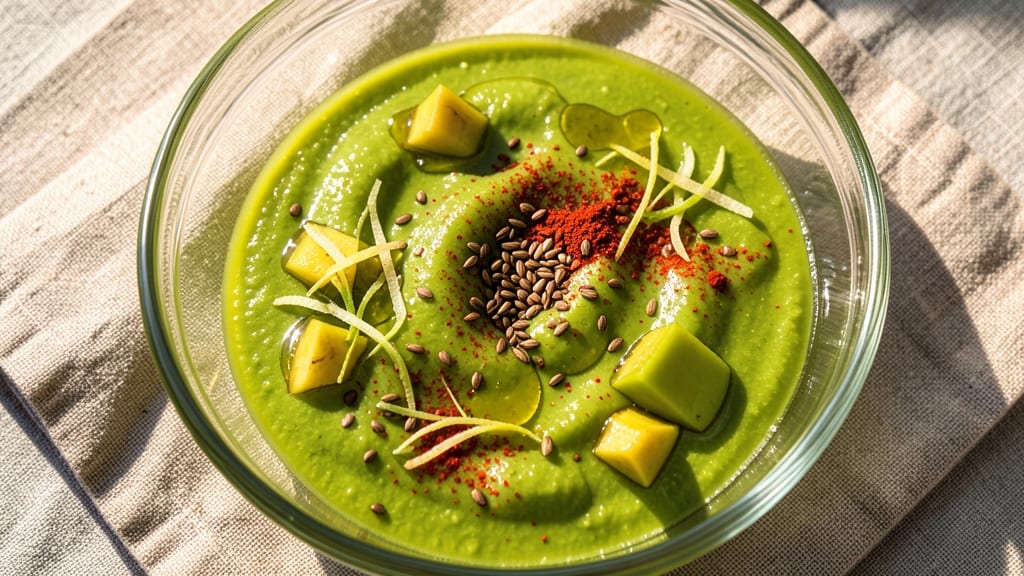
This amba mango sauce recipe transforms tart green mangoes into a vibrant, tangy-sweet condiment that elevates grilled meats and street food. Fermented for depth, it balances heat and acidity with cumin, chili, and salt—creating a glossy, chunky sauce that clings perfectly to charred surfaces.
The process is simple but requires patience, as the flavors develop over days into something restaurant-quality.
At its core, this sauce relies on three key elements: raw, unripe mangoes (their tartness mellows into complexity), a spice blend of toasted cumin and red chili (for warmth), and a touch of salt (to enhance fermentation).
Unlike fresh chutneys, the fermentation process—typically 2-3 days—deepens the flavors, reducing sweetness while intensifying the tang. The result is a sauce that’s both bold and versatile, working as a marinade, dip, or finishing gloss.
What sets this sauce apart is its textural contrast: smooth yet slightly grainy from the fermented mango purée, with a glossy sheen from added oil. The balance of tangy, spicy, and subtle sweetness makes it a game-changer for kebabs, dosas, or even as a dip for fries.
Storage is effortless—it keeps in the fridge for weeks, with flavors improving over time.
For best results, use green or amber mangoes (they’re firmer and less sweet) and let the sauce sit before serving—its full potential unfolds after 48 hours. Pair it with grilled lamb, chicken, or even as a tangy accompaniment to samosas. Here’s how to make it.
Ingredients for amba mango sauce
Nine ingredients transform tart green mangoes into a restaurant-quality fermented sauce for grilled meats.
| Ingredient | Amount | Notes |
|---|---|---|
| Green Mangoes 🍈 | 3 cups | Peeled, pitted, and finely chopped |
| Toasted Cumin Seeds 🌿 | 1 ½ tbsp | Ground or whole, lightly toasted |
| Red Chili Powder 🌶️ | 1 ½ tbsp | Adjust for heat preference |
| Sea Salt 🧂 | 1 ½ tsp | Diamond Crystal preferred |
| Extra-Virgin Olive Oil 🫒 | ½ cup | High-quality, fruity variety |
| Fresh Ginger 🧅 | 1 tbsp | Finely grated, aromatic |
| Garlic Cloves 🧄 | 4 cloves | Peeled and minced |
| Asafoetida Powder 🌿 | ¼ tsp | Optional for depth, omit if unavailable |
| Lemon Juice 🍋 | 1 tbsp | Freshly squeezed, bright |
The green mangoes are the foundation—select firm, unripe varieties like Alphonso or Dasheri for optimal tartness. Indian grocery stores or specialty markets carry them year-round, often pre-cut for convenience. Toast the cumin seeds in a dry pan until fragrant to deepen their earthy notes, then grind them for a smoother texture. Red chili powder should be freshly ground if possible, as pre-ground varieties lose potency quickly. For the olive oil, Californian extra-virgin brands like Corto or Lucini provide the fruity complexity needed to balance the sauce's tang.
No green mangoes? Unripe papaya or tamarind pulp can substitute, though the texture will differ slightly. Substitute cumin with coriander seeds (use half the amount) if unavailable, but the flavor profile will shift toward nuttiness. Asafoetida (hing) is non-negotiable for authentic depth—it’s the umami backbone of the sauce. Fresh ginger and garlic can be swapped for powdered versions at half the quantity, though fresh yields superior flavor. For heat adjustment, reduce chili powder to 1 tbsp if serving to sensitive palates, but fermenting will mellow the spice naturally.
Ferment the sauce in a sterilized glass jar with a loose lid to allow airflow, storing in a cool, dark place for 2-3 days. The texture will thicken and flavors intensify—taste daily to monitor progression. Once ready, it keeps for up to 4 weeks in the fridge, with flavors deepening over time. For long-term storage, transfer to an airtight container and freeze for up to 3 months. The sauce thickens further when refrigerated, so stir before use to restore consistency.
Why You'll Love This Recipe
- No-Chop Necessary: I swear by this—just slice those green mangoes into planks, no dicing, no fuss. The toasted cumin seeds add depth without any extra work, and the chili powder does all the heat balancing for you.
- Tangy Heat Magic: That first bite? The bright acidity of green mango meets the slow-toast warmth of cumin, then the chili powder kicks in—like a zesty, spicy hug. Drizzle it over grilled fish or toss it with rice, and suddenly everything feels alive.
- Pantry Stash Hero: Between us, this sauce is my go-to when I’ve got nothing but a few spices and a mango. It turns a simple bowl of rice into a full meal, or elevates store-bought crackers into something fancy. (Yes, even on a Tuesday night.)
- Leftovers That Last: Make a big batch—it keeps for days in the fridge, and the flavor actually deepens over time. I’ve used it to dress up eggs for breakfast, drizzled it on sandwiches, and even mixed it into yogurt for a tangy dip. Zero waste, all flavor.
Step-by-step instructions for amba mango sauce
Master this vibrant, fermented condiment that transforms grilled meats into restaurant-worthy dishes.
Prepare the Green Mango Base
Begin by finely chopping the 3 cups of peeled, pitted green mangoes—aim for a texture between a coarse paste and small chunks. The goal is to preserve some structure while maximizing surface area for fermentation. Transfer the chopped mango to a clean glass or ceramic bowl and set aside.
Add the 1.5 tablespoons of toasted cumin seeds, 1.5 tablespoons of red chili powder, and 1.5 teaspoons of sea salt directly to the mango. Use the back of a spoon to gently fold these spices into the mango mixture until evenly distributed. The spices will infuse their flavors while also helping to preserve the mixture during fermentation. Avoid over-mixing—just enough to combine thoroughly.
Incorporate Aromatics and Oil
In a small bowl, finely grate the 1 tablespoon of fresh ginger and mince the 4 cloves of garlic into a paste. Add these to the mango mixture along with the 0.5 cup of extra-virgin olive oil and 0.25 teaspoon of asafoetida powder (if using). Stir well until the oil is fully emulsified and the mixture reaches a thick, smooth consistency—similar to a coarse paste.
This step is where the sauce begins to develop its signature complexity. The asafoetida adds a deep umami note, while the olive oil provides a silky texture that clings beautifully to grilled meats. If the mixture feels too thick, add 1 tablespoon of lemon juice to help bind the ingredients and create a more workable texture.
Ferment for Depth of Flavor
Transfer the sauce to a clean, airtight glass jar and press the contents down firmly to remove any air pockets. Seal the jar tightly and let it ferment at room temperature for 3-5 days, stirring once daily. You’ll notice the sauce develop a tangy aroma and a slightly effervescent texture—this indicates fermentation is working.
After 3 days, taste the sauce. It should be tangy and slightly sour, with the flavors of mango, cumin, and chili fully integrated. If it needs more depth, let it ferment an additional 1-2 days. Once it reaches your desired level of tanginess, transfer the jar to the refrigerator to halt fermentation. The cold will also help the flavors meld further.
Adjust and Store for Maximum Freshness
Before using, give the sauce a final taste and adjust the seasoning if needed. If it’s too thick, thin it with a splash of lemon juice or water; if it’s too thin, let it sit uncovered at room temperature for 1-2 hours to thicken slightly. The sauce should coat the back of a spoon smoothly but still retain a vibrant, glossy finish.
Store the sauce in an airtight container in the refrigerator for up to 3 months. The flavors will continue to evolve over time, becoming more complex and nuanced. Use this sauce generously—it’s the secret to elevating grilled meats, seafood, and even vegetarian dishes with its bright, tangy-sweet profile.
Pro Tips For Making Amba Mango Sauce
- Peel Mangoes Under Running Water: The skin’s stubborn—scrubbing with a damp cloth first loosens it, but I learned the hard way that peeling under running water keeps the fruit from turning brown while you work. No more bitter surprises when you’re finally ready to chop.
- Toast Cumin Until It Sings: Low heat just won’t cut it—crank the pan to medium-high and listen for that popping sound. Toasted cumin should smell nutty and sharp, not burnt or dull. If you’re distracted, set a timer for 30 seconds max.
- Blend in Stages: Start with just the mango, salt, and a splash of water—blend until completely smooth before adding oil or chili. I used to dump everything in at once and ended up with a grainy, oily mess. Patience here makes the sauce silky.
- Let the Chili Bloom: Heat the olive oil until shimmering, then add the chili powder and toast for 10 seconds—just until it smells smoky, not acrid. Dumping raw chili into cold mango flattens the flavor. Trust me, that brief sizzle matters.
Essential equipment for amba mango sauce
Fermentation Jar
Your sterilized glass jar is the heart of this recipe—it must be food-safe, airtight, and at least 1-quart capacity to accommodate the sauce during fermentation. I recommend Le Parfait 1-Quart Mason Jars (they’re affordable and widely available) or Weck Glass Jars for a premium option with better sealing.
Sterilize by boiling jars and lids in water for 5 minutes, then dry completely before use. The jar’s size ensures proper airflow while containing the mixture, preventing spills during the fermenting process. 🔥
Immersion Blender
An immersion blender (like the Ninja BN601) is a game-changer for achieving the perfect chunky-smooth texture without over-processing.
After fermenting, use it to blend the sauce to your preferred consistency—pulse for 2-3 seconds at a time for a rustic texture or blend continuously for 5-7 seconds for a smoother finish. This tool also helps emulsify the olive oil evenly, giving the sauce its signature glossy sheen.
Skip the blender if you prefer a completely rustic, textured sauce.
Fine-Mesh Strainer
A fine-mesh strainer (such as the OXO Good Grips) is essential for prepping the green mango base efficiently. Use it to drain any excess liquid from the chopped mangoes before mixing with spices, which prevents a watery sauce.
I also use it to strain the fermented mixture if you prefer a smoother texture, discarding any fibrous bits. For best results, press the mango pulp gently through the strainer with the back of a spoon to maximize yield. 💫
Digital Kitchen Scale
Precision is key with spices like asafoetida and red chili powder, where even 0.1 teaspoon can alter the flavor balance. A digital kitchen scale (such as the Escali Primo) ensures accuracy, especially when measuring small quantities.
Weigh spices directly into the bowl to avoid spills and maintain consistency. This tool is particularly useful for scaling the recipe up or down—simply adjust the measurements proportionally. Trust me, it’s worth the investment for repeatable results.
Wooden Spoon
A wooden spoon (preferably olive wood or maple) is ideal for stirring and folding the ingredients without scratching your glass jar or bowl. Wood’s natural properties are gentle on delicate textures and help distribute heat evenly when stirring hot spices like toasted cumin.
Avoid metal utensils during fermentation, as they can introduce bacteria. I keep one dedicated solely to fermented sauces to prevent cross-contamination. ✨
Lemon Juicer
Fresh lemon juice is critical for balancing the tanginess of the fermented mango, and a handheld lemon juicer (like the OXO Good Grips) ensures you extract every last drop without seeds or pulp. This tool also helps maintain consistency in your sauce—aim for 1 tablespoon of bright, seedless juice.
If you don’t have a juicer, roll the lemon on a countertop first to break down the pulp, then hand-squeeze it through a fine-mesh strainer. The juice adds brightness and helps preserve the sauce during storage.
Nutrition facts
Frequently asked questions about amba mango sauce
Can I use ripe mangoes instead of green ones?
Not recommended! Ripe mangoes are too sweet and lack the tartness needed for fermentation. The acidity from unripe green mangoes (like Alphonso or Dasheri varieties) creates the signature tangy flavor. If you must substitute, try unripe papaya or tamarind pulp—but expect a slightly different texture.
How do I know when the fermentation is complete?
Taste it daily after 3 days—it should be tangy with balanced heat and sweetness. Look for bubbles forming on the surface and a slightly effervescent texture. If it smells overly sour or vinegary, fermentation has gone too far. Refrigerate immediately to halt the process.
Can I make this sauce without asafoetida?
Yes, but it won't have the same depth. Asafoetida (hing) adds an umami richness that's hard to replace. For a substitute, try 1/4 teaspoon of garlic powder or a pinch of black salt, though the flavor will differ slightly. The sauce will still be delicious—just less complex.
What's the best way to store leftover sauce?
Transfer to an airtight glass jar and refrigerate for up to 3 months. The flavors actually improve over time! For long-term storage, freeze in small portions. Thaw overnight in the fridge—never microwave, as it can break down the texture and alter the taste.
How spicy should this sauce be?
The recipe uses 1.5 tablespoons of red chili powder, which gives a moderate heat level. For milder sauce, reduce to 1 tablespoon. For extra heat, add 1/2 teaspoon of cayenne pepper after fermentation. Remember, fermentation naturally mellows the spice over time.