
Sauces & Condiments
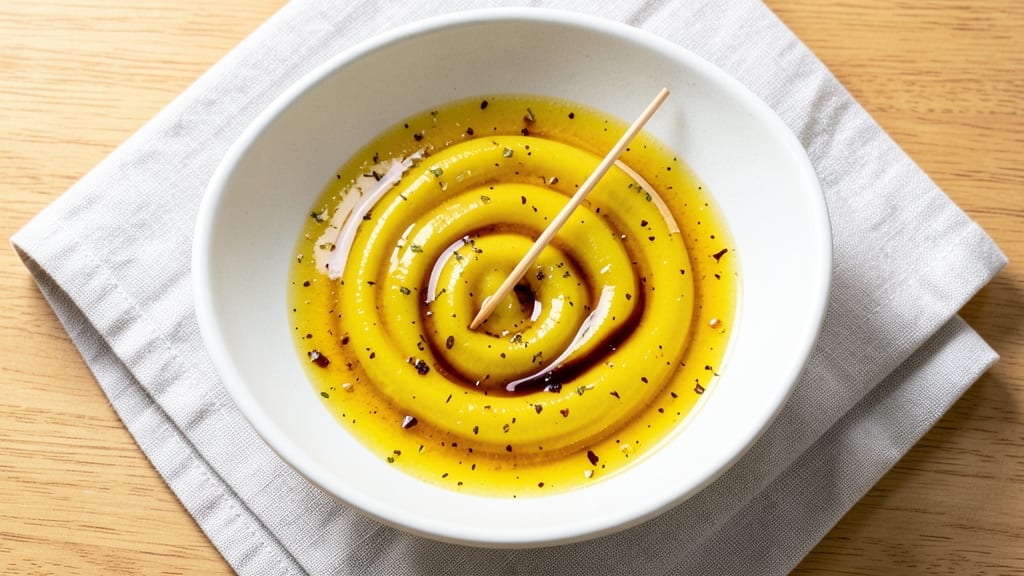
This amazu ponzu sauce recipe transforms simple pantry staples into a vibrant, balanced condiment that elevates seafood dishes with its bright citrus tang and umami depth.
The secret lies in the precise ratio of yuzu juice (or substitute with a mix of lemon and lime), soy sauce, and mirin, which work together to create a sauce that's both complex and refreshing.
Unlike store-bought versions, this homemade version delivers a cleaner, more nuanced flavor profile that enhances rather than overpowers delicate ingredients.
What sets this ponzu sauce apart is its versatility—it's equally at home drizzled over sushi, used as a marinade for grilled fish, or tossed with fresh salads for a zesty kick. The recipe calls for just five core ingredients, making it accessible for home cooks while still delivering restaurant-quality results.
The balance of acidity from the citrus and saltiness from the soy creates a harmonious flavor that lingers without being overbearing, making it a go-to for pescatarian meals.
By the time you finish blending the ingredients, you'll have a glossy, golden sauce that's ready to transform your dishes. The sauce's bright citrus notes cut through rich fish flavors, while the umami from the soy and mirin adds depth.
It's the kind of condiment that makes even simple seafood preparations feel special, turning a weeknight dinner into something memorable.
This recipe yields about 1 cup of sauce, perfect for a single meal or storing in the refrigerator for up to 10 days. Its simplicity doesn't compromise on flavor—just a few minutes of prep and a taste that rivals specialty sauces.
Whether you're a seafood enthusiast or simply love bright, flavorful condiments, this ponzu sauce will quickly become a staple in your kitchen.
Ingredients for amazu ponzu sauce
Five core ingredients balance citrus brightness with umami depth for restaurant-quality ponzu sauce.
| Ingredient | Amount | Notes |
|---|---|---|
| Yuzu Juice 🍋 | ½ cup | Fresh preferred, or lemon-lime mix |
| Soy Sauce 🍶 | ¼ cup | Japanese-style preferred |
| Mirin 🍶 | ¼ cup | Sweet cooking rice wine |
| Rice Vinegar 🍶 | ¼ cup | White or seasoned |
| Dijon Mustard 🌶️ | 1 tbsp | For emulsification |
| Toothpick 🪥 | 1 whole | For whisking |
| Dashi Powder 🍜 | 1 tsp | Umami base, optional |
| Sesame Oil 🫒 | ½ tsp | Toasted for aroma |
| Salt 🧂 | ¼ tsp | Adjust to taste |
The yuzu juice is the heart of this sauce—fresh is ideal, but a 50/50 lemon-lime mix works in a pinch. Japanese soy sauce (like Kikkoman) adds authentic depth, while mirin provides the signature sweetness. Whole Foods or Asian markets carry quality mirin, but a good sub is 1 part honey to 2 parts water. Rice vinegar should be white and mild—seasoned vinegar can overpower the delicate citrus notes. For an extra umami kick, dashi powder (like Honten) is worth adding, though it's optional.
No yuzu? Double the lemon juice and add 1/4 tsp grated ginger for complexity. Mirin unavailable? Dry sherry or white wine works, but reduce by 1 tbsp due to lower sweetness. The Dijon mustard is non-negotiable—it emulsifies the sauce, giving it that glossy, restaurant-quality texture. Trader Joe's has affordable sesame oil, but toast it yourself for 30 seconds in a dry pan to deepen the aroma. Salt should be added last—taste as you go, since soy sauce already contributes significant saltiness.
This sauce keeps for 10 days in the fridge, sealed tightly. For longer storage, freeze in ice cube trays—thaw overnight in the fridge. The texture thickens slightly when chilled, so whisk before using. Use within 3 months for best flavor. Portion into small jars for easy drizzling over sushi or grilled fish. The sauce pairs beautifully with delicate seafood, but also brightens roasted vegetables or grain bowls.
Why You'll Love This Recipe
- Five-Ingredient Magic: The pantry staples you already own—yuzu juice, soy sauce, mirin—come together in minutes. No fancy techniques, just stir, taste, adjust. That’s it. Honestly, I keep a jar in my fridge because it’s this simple.
- Bright Tangy Kick: The yuzu juice cuts through everything like a citrusy whisper, while the Dijon mustard adds a subtle heat. It’s not overpowering—just enough to make grilled fish, roasted veggies, or even a simple salad feel special.
- Weeknight Workhorse: Drizzle it over steamed shrimp on a Tuesday, toss it with noodles for a quick dinner, or use it as a marinade for chicken thighs. The balance of sweet, salty, and sour means it works for lunch, dinner, or even a last-minute appetizer.
- Leftover Goldmine: This sauce keeps for weeks in the fridge and only gets better as the flavors meld. Between us, I’ve had it last longer than I’d admit—because it’s too good to waste. Plus, a little goes a long way, so you’re not buying it often.
Step-by-step instructions for amazu ponzu sauce
Master this vibrant sauce with precise technique and balanced flavors.
Whisk Together the Citrus and Sweet Elements
In a medium bowl, combine the 0.5 cup yuzu juice, 0.25 cup mirin, and 0.25 cup rice vinegar. Use a whisk to blend thoroughly, breaking down any pulp from the yuzu juice. This citrus base forms the bright, tangy foundation of the sauce.
The yuzu juice should be fresh if possible—its floral, tart notes are essential. If using a substitute like lemon-lime mix, expect slightly less complexity. Whisking ensures the mirin's sweetness and rice vinegar's acidity fully integrate, creating a balanced starting point.
Incorporate the Umami and Binding Components
Add the 0.25 cup soy sauce, 1 tsp dashi powder, and 0.25 tsp salt to the citrus mixture. Stir well to dissolve the dashi powder completely—it should disappear without any graininess. The toothpick comes into play now: wrap the whisk around it to create a makeshift emulsifier for the next step.
This is where the sauce's depth develops. The soy sauce provides salty umami, while the dashi powder adds a subtle seafood-like richness. The salt enhances all flavors without overpowering. Don't rush this blending—each ingredient needs time to meld with the citrus base.
Emulsify with Dijon Mustard and Toasted Sesame Oil
Add the 1 tbsp Dijon mustard and whisk vigorously for 1-2 minutes until the mixture thickens slightly. The mustard acts as an emulsifier, binding the sauce's components together. In a separate small bowl, lightly toast the 0.5 tsp sesame oil by warming it briefly over a double boiler or microwave for 10 seconds—just enough to release its nutty aroma.
This step is critical for texture. The mustard creates a velvety consistency that prevents separation. The toasted sesame oil adds aromatic depth that raw oil can't match. Work quickly but deliberately—over-whisking can incorporate too much air, which may affect the final texture.
Final Adjustments and Resting
Slowly drizzle the toasted sesame oil into the sauce while whisking continuously. Taste and adjust seasoning: add a pinch more salt if needed, or a splash of rice vinegar for extra tang. Transfer the sauce to a clean jar and let it rest at room temperature for 30 minutes before using.
Resting allows flavors to fully develop and the sauce to reach its ideal consistency. The texture should be silky yet cohesive, with no visible separation. If it thickens too much after resting, thin with 1 teaspoon water at a time until you reach a pourable consistency. This sauce keeps for up to 1 week refrigerated—perfect for drizzling over sashimi, grilled fish, or as a marinade.
Pro Tips For Making Amazu Ponzu Sauce
- STRAIN THE YUZU WELL: Don’t just pour the juice—filter out the pulp with a fine-mesh sieve or cheesecloth. I learned this the hard way when my sauce turned gritty and uneven. The bitterness hides in those fibers, and you’ll taste the difference in every sip.
- WARM THE MIRIN FIRST: Gently heat the mirin to about 110°F (43°C) before mixing—just enough to wake up its sweetness without boiling. Cold mirin makes the sauce taste flat, and you’ll miss that depth that balances the yuzu’s acidity.
- DILUTE THE SOY GRADUALLY: Start with half the soy sauce called for, taste, then add the rest. Ponzu should be bright, not salty. I’ve ruined batches by dumping all the soy in at once—now I adjust in stages to nail that perfect tang.
- USE AGED RICE VINEGAR: Skip the cheap stuff—aged (or su) rice vinegar adds complexity that cheap vinegar can’t match. It’s pricier, but the sauce will taste like it’s from a Tokyo izakaya, not a pantry shortcut. (Yes, even if you’re impatient like me.)
Troubleshooting great amazu ponzu sauce
Citrus Separation Fix
If your ponzu sauce separates after resting, it’s likely due to unemulsified citrus oils. First, whisk vigorously for 2-3 minutes—the Dijon mustard should bind the ingredients.
If it still separates, add ½ tsp xanthan gum or 1 tsp cornstarch slurry (mix 1 tsp cornstarch with 1 tbsp cold water) and whisk until smooth. For a quick fix, blend the sauce briefly in a food processor. 💫
Overpowering Soy Flavor
Too much soy sauce can make your ponzu taste salty and flat. If this happens, balance it by adding 1-2 tbsp more yuzu juice or rice vinegar to brighten the acidity.
For extra depth without saltiness, stir in ½ tsp grated ginger or 1 tsp honey to round out the flavors. Taste as you go—small adjustments make all the difference.
Grainy Texture Issues
Grittiness usually means undissolved dashi powder or citrus pulp. Strain the sauce through a fine-mesh sieve or cheesecloth for a silky finish. If you skipped the dashi powder, try adding ½ tsp fish sauce (for umami) or 1 tsp sugar to smooth out the texture.
Always whisk thoroughly before straining to avoid losing flavor.
Weak Umami Profile
If your sauce lacks depth, boost the umami with 1 tsp fish sauce or ½ tsp bonito flakes (soaked in warm water for 10 minutes). For a vegetarian option, add 1 tsp mushroom powder or ½ tsp nutritional yeast.
Let the sauce rest for an extra 15-20 minutes—umami flavors often develop over time. 🍜
Sauce Too Thin or Watery
Reduce the sauce gently by simmering in a small saucepan over low heat for 3-5 minutes, stirring constantly. Alternatively, blend in 1 tsp arrowroot powder mixed with 1 tbsp cold water and cook until thickened.
If the sauce is still too thin, reduce the rice vinegar by 1 tbsp in future batches—it’s the most liquid-heavy ingredient.
Flavor Imbalance
If your ponzu tastes too sweet, add 1 tsp lemon juice or a pinch of salt to cut through. Too tangy? Stir in ½ tsp honey or 1 tsp mirin.
For a more complex balance, finish with a dash of toasted sesame oil or grated daikon radish. Adjust gradually—taste after each addition to avoid overcorrecting.
Nutrition facts
Frequently asked questions
What's the best substitute for yuzu juice in ponzu sauce?
Use a 50/50 mix of lemon and lime juice for the closest flavor, but add ¼ tsp grated ginger to mimic yuzu's floral depth. For a more complex substitute, blend ½ cup lemon juice + ¼ cup lime juice + 1 tsp orange zest. Avoid grapefruit—it's too bitter and can overpower the sauce.
Can I make ponzu sauce without mirin?
Yes! Replace mirin with dry sherry or white wine, but reduce by 1 tbsp since these are less sweet. For a non-alcoholic option, mix 1 tbsp honey + 2 tbsp water. The sauce will be slightly less refined but still delicious. Always balance with extra citrus if using wine.
How long should I let the sauce rest before using?
Rest for at least 30 minutes to let flavors meld, but up to 2 hours for maximum depth. The texture will thicken slightly—whisk before using if it becomes too viscous. Pro tip: Store in the fridge for 1 hour before serving to enhance the citrus notes.
Is this ponzu sauce vegetarian?
Yes! The base recipe is fully vegetarian, but watch for optional ingredients. The dashi powder (if used) may contain fish—opt for vegetarian dashi or skip it. For extra umami without fish, add ½ tsp mushroom powder or 1 tsp nutritional yeast instead.
How do I use ponzu sauce beyond seafood?
Drizzle over grilled chicken, toss with cold soba noodles, or use as a marinade for tofu or tempeh. It also brightens rice bowls, avocado salads, or even roasted vegetables. The key is balancing its tangy-sweet profile with rich or neutral flavors.