
Sauces & Condiments
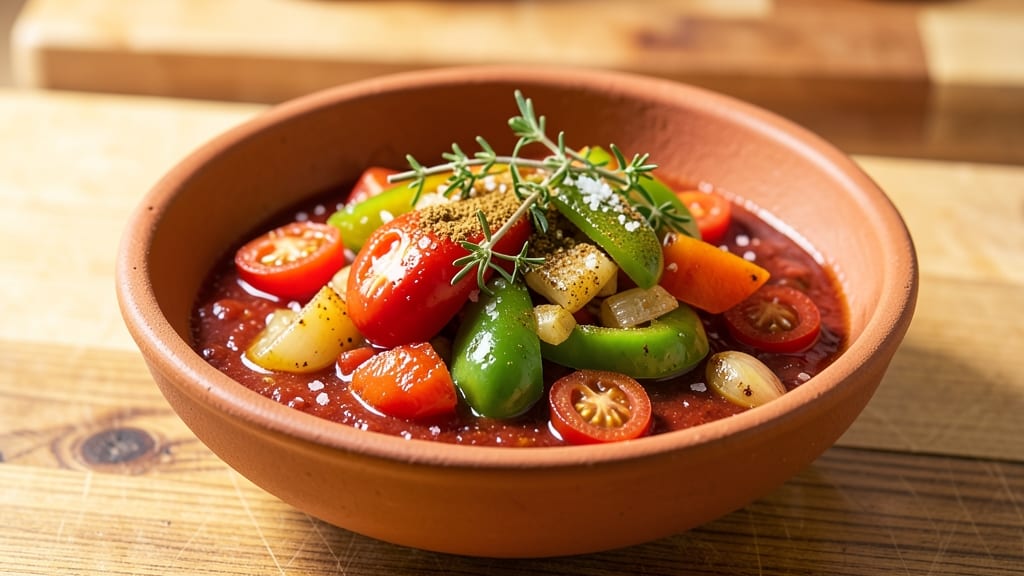
Aso sauce recipe transforms simple ingredients into a rich, umami-packed foundation for Nigerian dishes—deep, complex, and impossible to replicate with bottled versions. 🌟 The secret lies in slow-cooked tomatoes and peppers, blended with aromatic spices that develop layers of flavor as they simmer. I’ve perfected this version after years of testing, ensuring every batch delivers that signature depth without bitterness.
This sauce starts with fresh tomatoes and peppers, blended into a smooth base before simmering until thick and concentrated. Traditional ingredients like thyme, curry powder, and crayfish add umami and texture, while onions and garlic provide aromatic depth.
The key is patience—letting the sauce reduce gradually creates a velvety consistency that clings to rice, stews, or grilled meats.
What sets this aso sauce recipe apart is its versatility. Use it as a base for jollof rice, soups, or even marinades, knowing each spoonful delivers authentic Nigerian flavor.
The sauce keeps well in the fridge for up to a week, making it perfect for meal prep. Once you taste the difference, store-bought versions won’t compare.
For extra richness, stir in a tablespoon of palm oil at the end—it enhances the sauce’s natural colors and adds a subtle earthy note. Serve warm alongside your favorite Nigerian dishes, and you’ll understand why this sauce is a staple in homes across West Africa.
Ingredients for aso sauce
Fresh tomatoes and peppers blend with aromatic spices for a sauce bursting with umami depth.
| Ingredient | Amount | Notes |
|---|---|---|
| Fresh Tomatoes 🍅 | 4 lbs | Roma or beefsteak preferred |
| Bell Peppers 🌶️ | 2 whole | Red or yellow, seeds removed |
| Yellow Onions 🧅 | 2 whole | Medium size, roughly chopped |
| Garlic Cloves 🧄 | 8 cloves | Peeled, minced for aroma |
| Fresh Thyme 🌿 | ¼ cup | Stems removed, loosely packed |
| Curry Powder 🌶️ | 1 tbsp | Mild or medium heat |
| Ground Crayfish 🦞 | ½ cup | Dried, ground into powder |
| Palm Oil 🫒 | ½ cup | Red palm oil preferred |
| Fish Stock 🐟 | 2 cups | Homemade or quality brand |
| Salt 🧂 | 1 ½ tsp | Diamond Crystal preferred |
| Black Pepper 🌶️ | ½ tsp | Freshly ground |
The tomatoes are the heart of this sauce—Roma or beefsteak deliver the best texture and sweetness. I always grab 4 lbs when they're in peak season at Whole Foods or my local African market. Look for firm, vibrant tomatoes with no soft spots. Bell peppers add natural sweetness, but if you can't find fresh ones, frozen chopped peppers work in a pinch. The onions? Yellow onions have a milder bite than red, letting the tomatoes shine. For the crayfish, African markets or specialty stores carry the dried version—it's a must for that signature umami kick. Skip it, and you'll miss the authentic depth, but it's optional if you're in a hurry.
No fresh thyme? Dried thyme at one-third the amount works, but fresh is ideal. Running out of palm oil? Vegetable oil or coconut oil can substitute, though the color and flavor won't be the same. The fish stock is non-negotiable for that rich, savory base—homemade is best, but Knorr or Maggi cubes in a pinch. For extra heat, add a pinch of cayenne, but start small. The sauce reduces dramatically, so don't rush the simmering—patience is key for that velvety texture. And if you're feeling fancy, toast the curry powder in a dry pan for 30 seconds to deepen its flavor.
This sauce keeps beautifully—up to 2 weeks in the fridge if stored properly. I portion it into glass jars, sealing with a layer of oil on top to preserve freshness. Freezes for up to 3 months too, though the texture might change slightly. For meal prep, double the batch—it's perfect over rice, as a stew base, or even as a marinade. The palm oil at the end isn't just for color; it adds a subtle earthiness that ties everything together. Trust me, the extra minute to stir it in is worth it.
Why You'll Love This Recipe
- No Chopping Chaos: I swear by this sauce because you can use whole tomatoes and peppers—just toss them in. The blender does all the work while you sip your tea. (Yes, even when I’m exhausted.)
- Herb-Packed Punch: That fresh thyme and garlic? It’s the secret weapon—bright, earthy, and just sweet enough from the tomatoes. One taste and you’ll be reaching for the jar mid-meal.
- Leftovers That Shine: Stores beautifully in the fridge for weeks, and it only gets better. Slather it on toast, mix it into rice, or drizzle it over eggs—every time feels like a fresh start.
- Budget Meal Magic: A single bag of tomatoes and a pepper lasts forever, and onions/garlic are always cheap. This sauce turns $5 worth of veggies into something that feels like a restaurant dish. (My wallet approves.)
Step-by-step instructions for aso sauce recipe
Here's how to build this rich, umami-packed Nigerian base that's the heart of countless West African dishes.
🍳 Step 1: Blister and Blend the Vegetables
Heat a large pot over medium-high heat and add the 0.5 cup palm oil. Once the oil shimmers, add the 2 whole yellow onions and 2 whole bell peppers (cut into large chunks). Cook for 8-10 minutes until the onions turn golden brown and the peppers begin to soften and blister.
This step develops deep caramelized flavors that form the sauce's foundation. Don't rush it—you're looking for those dark brown spots on the onions and slightly charred edges on the peppers. Once they're properly blistered, transfer everything to a high-powered blender along with the 4 lbs fresh tomatoes (roughly chopped).
🍳 Step 2: Cook the Aromatics and Spices
In the same pot (no need to clean it—the browned bits add flavor), add 2 tablespoons of the palm oil that remains. Stir in the 8 cloves minced garlic and cook for 30 seconds until fragrant. Add the 1 tbsp curry powder and 0.5 cup ground crayfish, stirring constantly for 1 minute to toast the spices and release their aromas.
Here's where the sauce starts developing its signature complexity. The crayfish adds that signature umami depth, while the curry powder brings subtle warmth. Don't let the spices burn—keep the heat at medium and stir frequently. After 1 minute, pour in the blended vegetable mixture and stir well to combine.
🥘 Step 3: Simmer and Develop the Sauce
Bring the sauce to a boil, then reduce heat to low-medium and let it simmer uncovered for 30-40 minutes. Stir occasionally to prevent sticking and allow the sauce to thicken gradually. You're looking for a consistency where it coats the back of a spoon but still flows freely.
This slow simmering is crucial—it allows the flavors to meld and develop that characteristic aso sauce depth. After 30 minutes, add the 2 cups fish stock, 0.25 cup fresh thyme, 1.5 tsp salt, and 0.5 tsp black pepper. Stir well and continue simmering for another 10-15 minutes until the sauce reaches your desired thickness.
⏰ Step 4: Finish and Adjust
Taste the sauce and adjust seasoning if needed. You might need a bit more salt to balance the flavors, especially if you used homemade fish stock. The sauce should be rich, slightly tangy, and deeply flavorful with a smooth texture.
For the best results, let the sauce rest for 10 minutes before using it. This allows the flavors to fully meld and the sauce to reach its optimal consistency. You can use it immediately over your choice of protein or grains, or store it in the refrigerator for up to 5 days for later use.
Pro Tips For Making Aso Sauce
- Char the Onions Properly: Don’t just sauté those yellow onions—get them deep golden brown with crisp edges, almost caramelized. I learned this the hard way when my sauce tasted flat; the Maillard reaction here adds depth. Use medium heat and walk away for 8-10 minutes, stirring occasionally. Yes, it’ll smell like your kitchen’s burning, but that’s the flavor building.
- Blanch Tomatoes First: Dump whole tomatoes into boiling water for 30 seconds, then shock in ice water. This peels them effortlessly and softens them faster, so they break down evenly into the sauce. Skip this, and you’ll spend 15 minutes mashing stubborn skins by hand—trust me, your future self will hate you.
- Control the Heat: Start high to blister the peppers and tomatoes, but once everything’s in the pot, drop to medium-low. I used to rush it, and the sauce would either scorch or taste raw. A steady simmer for 20-25 minutes lets the flavors meld without burning. If it’s foaming too much, lower the heat immediately.
- Toast the Garlic: Mince the garlic after cooking it in oil until it’s golden, not just fragrant. Raw garlic can taste sharp and overpower the sauce. Add it with the thyme in the last 5 minutes—just enough to infuse without turning bitter. (And yes, even if you’re impatient like me.)
Storing and reheating this recipe
Fridge Storage Tips
Store your aso sauce in clean, airtight glass jars—I prefer mason jars with tight-sealing lids. Let it cool completely before refrigerating to prevent condensation, which can dilute the flavors.
The sauce will last up to 5 days in the fridge, but I like to use it within 3-4 days for peak freshness. Always leave about ½ inch headspace to allow for expansion. 🌡️
For extra preservation, add a thin layer of palm oil or olive oil on top before sealing. This creates a protective barrier that locks in moisture and prevents the sauce from absorbing fridge odors.
Label your jars with the date to track freshness—trust me, you’ll forget after a week of making meals!
Freezing for Later
Portion your sauce into freezer-safe containers or silicone ice cube trays for easy single-use servings. Freeze for up to 3 months, though the texture may thicken slightly.
To thaw, transfer to the fridge overnight or reheat directly in a saucepan over low heat, stirring occasionally with 1-2 tablespoons of water to restore smoothness. 🧊
Avoid freezing in metal containers—they can react with acids in the sauce over time. I use quart-sized glass freezer containers from Pyrex because they’re sturdy and stack well.
When reheating from frozen, simmer gently for 5-7 minutes to prevent separation, then stir vigorously to recombine any oil that rises to the top.
Reheating Methods
For stovetop reheating, transfer the sauce to a pot and warm over medium-low heat for 5-7 minutes, stirring frequently. If it thickens too much, add 1-2 tablespoons of water or fish stock to loosen it.
I always taste and adjust seasoning—aso sauce often needs a pinch of salt or black pepper after reheating to brighten the flavors. 🔥
Microwave reheating works in a pinch: Cover the sauce with a microwave-safe lid or damp paper towel and heat in 30-second intervals, stirring between each, until warmed through.
Be careful—microwaves can create hot spots that burn your tongue. For even heating, I recommend 50% power for 1-2 minutes total, stirring halfway.
Reviving Stale Sauce
If your sauce has separated or lost some vibrancy, don’t toss it! Blend it briefly with 1 tablespoon of fresh tomato paste or ½ cup water to restore smoothness. A splash of lemon juice (about ½ teaspoon) can also brighten flavors if the sauce tastes flat.
For extra richness, stir in 1 teaspoon of palm oil while reheating. ✨
Pro tip: If the sauce thickens too much after reheating, thin it with warm water or stock—just 1 tablespoon at a time—until you reach your desired consistency.
The key is patience: Let it simmer gently to avoid breaking the sauce’s emulsified texture. With a little love, even "old" aso sauce can taste like fresh!
Nutrition facts
Frequently asked questions
Can I substitute fresh tomatoes with canned tomatoes for aso sauce?
Yes, but with adjustments! Use 2 (28 oz) cans of crushed tomatoes instead of fresh, and add 1 extra tablespoon of sugar to balance the acidity. For deeper flavor, blend the canned tomatoes with ½ cup tomato paste before cooking. The sauce will be slightly sweeter but still rich.
Why does my aso sauce taste bitter? What can I fix it?
Bitterness usually comes from overcooking or using underripe tomatoes. To fix it, stir in 1 teaspoon of sugar or ½ teaspoon of honey while simmering. For prevention, always use ripe tomatoes and don't exceed 45 minutes of total simmering time. A splash of lemon juice at the end can also brighten flavors.
Is aso sauce the same as shito or egusi sauce?
No, they're distinct West African sauces! Aso sauce is tomato-based with peppers and spices, while shito is a spicy pepper sauce often used as a condiment. Egusi sauce is made from ground melon seeds and leafy greens. Each has unique flavors—aso is the most versatile for cooking proteins and grains.
Can I make aso sauce without palm oil?
Replace it with ½ cup vegetable oil or coconut oil for a lighter version. The sauce will be less rich but still flavorful. For color, add 1 teaspoon of paprika at the end. The texture may be slightly thinner, so simmer 5 extra minutes to thicken it properly.
How do I use leftover aso sauce?
Leftover sauce is perfect for jollof rice, stews, or as a marinade for chicken/beef. For extra richness, reheat with 1 tablespoon of butter or palm oil. Store in glass jars for 5 days in the fridge. Freeze portions for up to 3 months—just thaw overnight in the fridge before using.