
Sauces & Condiments
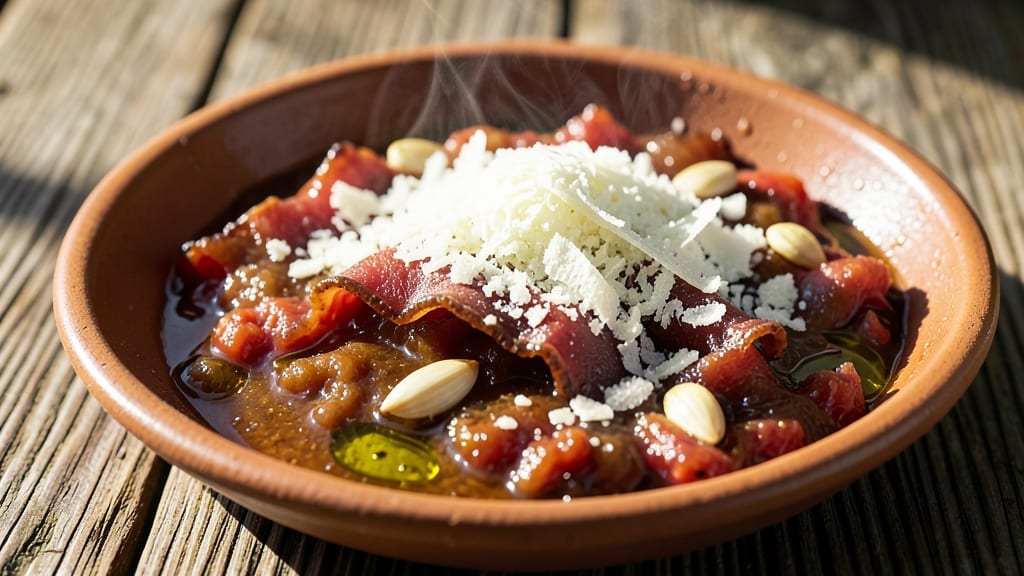
This Amatriciana sauce recipe inspired by Jamie Oliver delivers the bold, peppery depth of Rome’s classic ragù without the fuss. The secret lies in guanciale—cured pork jowl—that renders into crispy, salty bits while infusing the sauce with unmatched richness.
What sets this version apart is the slow reduction, where tomatoes caramelize into a velvety, slightly sweet base that balances the sauce’s signature tang.
Start with a simple technique: crisp the guanciale until golden, then deglaze with white wine to capture every flavorful drop. Add crushed tomatoes and simmer low and slow, letting the sauce thicken naturally into a glossy, clingy consistency.
The key is patience—rushing turns this sauce into something flat, but taking the time transforms it into something restaurant-worthy.
Finish with a sprinkle of pecorino cheese for a salty, umami punch and a pinch of chili flakes for just enough heat. The result is a sauce that clings to pasta like a second skin, with layers of smoky, peppery, and slightly sweet flavors that sing.
This isn’t just a sauce—it’s the heart of every perfect Amatriciana dish.
Store leftovers in the fridge for up to 5 days or freeze for months, making it the ultimate make-ahead sauce. For a vegetarian twist, swap guanciale for mushrooms and pancetta, but never skip the slow simmer—it’s what makes this sauce truly special.
Ingredients for amatriciana sauce recipe jamie oliver
Nine ingredients transform into Rome's iconic sauce, where guanciale's smoky richness meets tomatoes' velvety sweetness.
| Ingredient | Amount | Notes |
|---|---|---|
| Guanciale 🥓 | 6 oz | Cured pork jowl, diced small |
| Garlic Cloves 🧄 | 4 cloves | Peeled and smashed |
| Crushed Tomatoes 🍅 | 2 cups | San Marzano preferred |
| Dry White Wine 🍷 | ½ cup | Bold variety like Pinot Grigio |
| Pecorino Romano Cheese 🧀 | ½ cup | Freshly grated from block |
| Extra-Virgin Olive Oil 🫒 | ¼ cup | For crisping guanciale |
| Chili Flakes 🌶️ | ½ tsp | Adjust to taste |
| Salt 🧂 | ½ tsp | Diamond Crystal preferred |
| Black Pepper 🌶️ | ¼ tsp | Freshly cracked |
| Freshly Ground Black Peppercorns 🌶️ | ¼ tsp | For finishing |
Guanciale is non-negotiable for authentic flavor—look for thick slices with good marbling at Italian specialty markets or well-stocked butchers. San Marzano tomatoes from Trader Joe's or Whole Foods deliver superior sweetness, but any high-quality crushed tomatoes work. The wine should be dry and crisp; Pinot Grigio or Sauvignon Blanc are ideal. Pecorino Romano needs to be freshly grated from a block—pre-grated lacks the sharp, salty punch. For olive oil, California Extra Virgin brands like Corto or Bertolli work beautifully, but any fruity EVOO will do.
No guanciale? Pancetta or thick-cut bacon in its place, though flavor will differ slightly. Substitute dried porcini mushrooms for a vegetarian version, but never skip the wine deglaze—it's what builds the sauce's depth. If chili flakes are too spicy, reduce to 1/4 tsp or use red pepper flakes at half the amount. For a smoother texture, strain the sauce after simmering. The key to balance is the pecorino's saltiness—taste as you go and adjust with extra cheese or a pinch of salt.
This sauce tastes better the next day as flavors meld. Store in an airtight container for up to 5 days in the fridge or 3 months frozen. For freezing, portion into ice cube trays with a splash of olive oil to preserve texture. Reheat gently on the stove, adding a splash of water if it thickens too much. The sauce clings perfectly to bucatini or spaghetti, but works equally well on grilled chicken or roasted vegetables.
Why You'll Love This Recipe
- No Chopping Needed: I swear by this—just dice the guanciale into thin strips (or buy pre-sliced) and toss the garlic cloves straight into the pan. That’s it. The wine deglazes everything while you’re grabbing a glass for yourself.
- Umami Bomb: The guanciale alone makes this sauce sing, but add the Pecorino Romano at the end? The saltiness cuts through the richness like a knife through butter. That first bite—chef’s kiss—it’s the kind of flavor that sticks with you.
- Weeknight to Dinner Party: Same sauce, different vibes. Slap it on pasta for a lazy Tuesday, or drizzle it over polenta for a fancy-ish weekend meal. The wine and tomatoes mellow into something deep, so it works just as well cold in sandwiches the next day.
- Leftovers That Lie: Between us, this sauce tastes better the next day. The flavors meld into something richer, and reheating it with a splash of water or pasta water keeps it silky. Honestly? I make double batches just for this reason.
Step-by-step instructions for Amatriciana sauce
This classic Roman sauce delivers rich, peppery depth with perfectly balanced acidity and umami.
Render the Guanciale Until Crispy
Heat a large skillet over medium heat and add the 6 oz guanciale. Let it cook undisturbed for 5-7 minutes until the fat begins to render out and the edges turn golden. Here's the thing—don't stir too soon. The guanciale needs time to develop that crispy texture that becomes the sauce's flavor foundation.
Once the fat is actively sizzling and the meat is golden brown with crispy edges, it's time to move. You should have about 2 tablespoons of rendered fat in the pan—this is your cooking liquid. If the guanciale releases easily from the pan, it's ready. Transfer it to a small plate, leaving the fat behind in the skillet.
Sauté Garlic Until Fragrant
Add the 4 smashed garlic cloves to the skillet with the rendered guanciale fat. Cook over medium-low heat for 1-2 minutes until the garlic is light golden but not browned. Watch carefully—garlic burns quickly, and you want to preserve its sweet, aromatic flavor rather than bitterness.
When the garlic releases its fragrance and becomes just slightly colored, remove the skillet from heat. This prevents the garlic from browning too much, which can make the sauce bitter. Let it cool for 30 seconds before proceeding—this brief pause prevents a sudden rush of flavors when you add the wine.
Deglaze with Wine and Reduce
Return the skillet to medium heat and pour in the ½ cup dry white wine. Stir vigorously, scraping up all the browned bits from the bottom of the pan—these contain concentrated flavor. Let the wine reduce by half, which should take about 3-4 minutes. You'll notice the alcohol aroma dissipating as it cooks off, leaving behind just the wine's fruity notes.
Add the 2 cups crushed tomatoes and ½ teaspoon salt to the skillet. Stir well to combine, then reduce heat to low. Let the sauce simmer gently for 10-12 minutes until it thickens slightly and the tomatoes break down into a smooth consistency. The sauce should coat the back of a spoon but still be loose enough to pour easily.
Build Depth with Cheese and Spices
Stir in the ½ cup freshly grated Pecorino Romano cheese, ½ teaspoon chili flakes, and ¼ teaspoon freshly cracked black pepper. Cook for an additional 3-4 minutes until the cheese melts completely and the sauce becomes glossy. The cheese should dissolve smoothly, creating a velvety texture that balances the sauce's acidity.
Taste the sauce and adjust seasoning if needed. You might need a pinch more salt or a sprinkle of chili flakes to achieve that perfect balance of savory, tangy, and slightly spicy flavors. Here's where it gets fun—toss in the crispy guanciale you set aside earlier and let it warm through for 1-2 minutes. This step ensures every bite delivers that signature crunch and rich pork flavor.
Finish with Freshly Ground Pepper
Remove the skillet from heat and stir in the ¼ teaspoon freshly ground black peppercorns. The fresh grinding releases the pepper's essential oils, adding a bright, aromatic finish that elevates the sauce. Let the sauce rest for 5 minutes off the heat—this allows the flavors to meld and the sauce to thicken slightly.
Serve the sauce immediately over al dente spaghetti, tossing it gently to coat each strand. The sauce should cling beautifully to the pasta, creating a harmonious balance of textures and flavors. Each bite should deliver a perfect marriage of crispy guanciale, tangy tomatoes, and creamy cheese with a peppery kick.
Pro Tips For Making Amatriciana Sauce Recipe Jamie Oliver
- COOK GUANCIALE LOW AND SLOW: Jamie’s recipe calls for rendering guanciale until it’s golden and crispy, but I learned the hard way—rushing it turns it greasy. Keep the heat at a steady simmer (not a sizzle) and let it cook for 15-20 minutes uncovered. Stir occasionally to prevent burning, and if it smells too strong, you’re overdoing it. The fat should pool at the bottom like liquid gold—save it for pasta.
- SALT THE GARLIC: Before crushing those garlic cloves, sprinkle a pinch of salt over them and let them sit for 5 minutes. This prevents bitterness and makes the flavor pop when they hit the pan. I used to skip this, and the sauce always tasted flat—now it’s the thing that makes the dish sing.
- DON’T SKIP THE WINE REDUCTION: Pour in that dry white wine and let it bubble away until it’s almost gone—about 3-4 minutes. The goal isn’t just to deglaze; you want the alcohol to fully evaporate so the sauce doesn’t taste raw. I once rushed this and ended up with a dish that smacked of booze. Patience here guarantees a rich, balanced flavor.
- GRATE PECORINO FRESH: Pre-grated pecorino is convenient, but it’s packed with anti-caking agents that make the sauce grainy. Use a microplane or fine grater right before tossing it into the sauce—it melts in smoothly and adds that perfect sharpness. I was skeptical until I tried it; now I won’t go back.
Storing and reheating this recipe
Fridge Storage Tips
Let your Amatriciana sauce cool completely before transferring it to an airtight glass container—I love using Le Parfait jars for their tight seals.
Store it in the fridge at 40°F or below for up to 5 days, but honestly, it tastes even better the next day as the flavors meld. The sauce will thicken slightly when chilled, so add a splash of water or broth when reheating. 🥫
Freezing for Months
For long-term storage, portion the sauce into ice cube trays with a splash of olive oil—this prevents freezer burn and makes it easy to thaw just what you need. Transfer the cubes to a freezer bag and label with the date.
This sauce keeps its quality for up to 3 months in the freezer. When you're ready to use it, thaw overnight in the fridge or quickly in the microwave.
Reheating on Stovetop
My preferred method is reheating on the stovetop over low heat with a splash of water or pasta water. This prevents the sauce from breaking or becoming grainy. Stir frequently and add liquid 1 tablespoon at a time until it reaches 165°F—this usually takes about 5-7 minutes.
The sauce should be smooth and glossy, just like when you first made it. 🔥
Microwave Shortcuts
For a quick fix, transfer the sauce to a microwave-safe bowl and heat in 30-second intervals, stirring between each. Add 1-2 teaspoons of water if it thickens too much.
Avoid high power—50% power is ideal to prevent splitting. The texture won't be as perfect as stovetop reheating, but it's a decent stopgap when you're in a hurry.
Reviving Dried-Out Sauce
If your sauce has thickened too much after storage, don't toss it! Stir in 1-2 teaspoons of water or broth and simmer for 2-3 minutes until it reaches the right consistency.
A splash of freshly grated pecorino or a pinch of chili flakes can also brighten up flavors that have mellowed over time. The key is to bring back that peppery, tangy balance that makes Amatriciana shine.
Portioning for Pasta
When reheating for pasta, aim for about ½ cup of sauce per serving—this ensures each strand of spaghetti or bucatini gets perfectly coated. If you're prepping ahead, store the sauce in small containers (like 4-ounce ramekins) so you can grab just what you need.
The sauce clings beautifully to pasta, so a little goes a long way. 🍝
Nutrition facts
Frequently asked questions
Can I substitute pancetta for guanciale in this recipe?
Yes, you can use pancetta (about 6 oz diced) as a substitute, though guanciale provides a more authentic, rich flavor. Pancetta has less fat and a slightly sweeter taste, but it still delivers that essential salty, umami punch. For extra depth, look for high-quality pancetta with visible fat marbling.
How do I make this vegetarian?
Swap the guanciale for 8 oz sliced mushrooms (like cremini or shiitake) sautéed until golden, then add 1 tbsp soy sauce or balsamic vinegar to mimic the umami. Use vegetarian pecorino or nutritional yeast if needed, but the wine deglaze and slow simmer remain critical for building flavor. The texture will be slightly different but still delicious!
Why does my sauce taste too acidic?
This usually happens when tomatoes aren't fully reduced. Simmer the sauce longer (up to 20 minutes) to concentrate flavors. Balance acidity with 1-2 tbsp tomato paste or a pinch of sugar. The cheese also helps—add a bit more pecorino for saltiness, which cuts through acidity. Taste as you go!
Can I make this sauce in a slow cooker?
Brown the guanciale and garlic in a skillet first, then transfer everything to the slow cooker. Cook on low for 4-5 hours, stirring occasionally. The slow cooker's gentle heat enhances the sauce's depth while preventing burning. Just add the cheese and pepper at the end to avoid curdling.
What's the best pasta to pair with this sauce?
Traditionally, bucatini or tonnarelli work best—their thick strands hold the sauce beautifully. For a lighter option, try spaghetti or linguine. Avoid thin noodles like angel hair, as they can break under the sauce's weight. Cook pasta 1 minute less than package instructions for perfect al dente texture.