
Sauces & Condiments
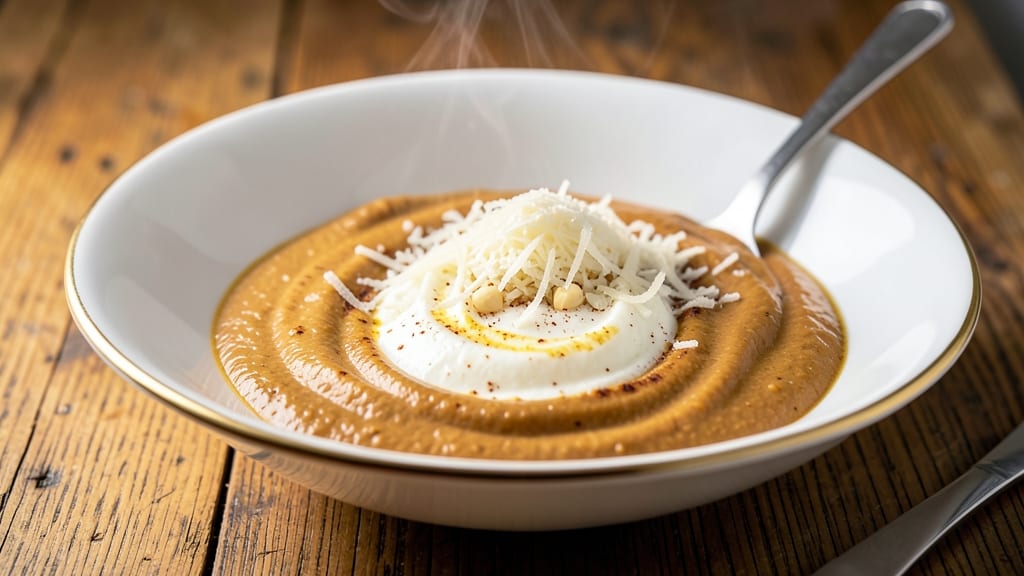
Jamie Oliver’s alfredo sauce recipe delivers restaurant-quality creaminess in just 15 minutes—no heavy cream substitutes or clumpy textures here. The secret lies in balancing rich butter, velvety cream, and freshly grated Parmesan, all simmered to perfection. This isn’t your childhood’s watery version; it’s a velvety, golden sauce that clings to pasta like a dream.
The magic happens in the technique: low-and-slow simmering prevents curdling, while constant stirring ensures a silky texture. Fresh garlic and a touch of nutmeg add depth without overpowering the Parmesan’s nutty richness.
What you’ll end up with is a sauce so smooth it feels like it was made with love—and a little culinary magic.
This alfredo sauce works beautifully with fettuccine, chicken, or seafood, but the real star is the sauce itself. It’s rich enough to satisfy cravings but light enough to pair with delicate flavors.
The best part? No waiting for hours—just 15 minutes of hands-on time for a result that tastes like it took all day.
Once you try this version, store-bought Alfredo will never compare. The key is patience—letting the sauce develop its velvety consistency while avoiding the common pitfalls of graininess or separation. Trust the process, and you’ll have a sauce that’s worth every spoonful.
Ingredients for alfredo sauce recipe jamie oliver
Five minutes of prep, fifteen minutes of simmering—this is Jamie Oliver’s secret to creamy perfection.
| Ingredient | Amount | Notes |
|---|---|---|
| Unsalted Butter 🧈 | ½ cup | Cold, cubed for even melting |
| Heavy Cream 🥛 | 1 ½ cups | Full-fat for richest texture |
| Freshly Grated Parmesan Cheese 🧀 | 1 ½ cups | Block cheese, freshly grated |
| Garlic Cloves 🧄 | 4 cloves | Minced, fresh for best flavor |
| Ground Nutmeg 🌿 | ¼ tsp | Freshly grated preferred |
| All-Purpose Flour 🌾 | ¼ cup | For thickening, sifted |
| Salt 🧂 | ½ tsp | Kosher or sea salt |
| Freshly Ground Black Pepper 🌶️ | ¼ tsp | Cracked peppercorns preferred |
| Whole Milk 🥛 | ½ cup | For thinning if needed |
The Parmesan is non-negotiable here. Grab a wedge from the deli counter—pre-grated cheese has anti-caking agents that ruin the texture. I always buy more than I need since it keeps for months in the freezer. For the butter, European-style unsalted (like Plugrá or President) adds more flavor than regular American butter. The heavy cream should be cold when you start—full-fat only, none of that low-fat nonsense. If you’re feeling fancy, Trader Joe’s carries a great organic version at a good price. Garlic? Freshly minced makes all the difference—no jarred garlic paste here.
No heavy cream? Half-and-half with a splash of whole milk works in a pinch, though it won’t be as rich. Short on Parmesan? Pecorino Romano is a great substitute—it’s sharper and melts beautifully. The nutmeg is key for that classic alfredo flavor, but if you’re out, a pinch of cinnamon can add warmth (though it’s not the same). For the flour, all-purpose works fine, but if you’ve got bread flour, it’ll give you a slightly thicker sauce. Pro tip: Toast the flour in the butter for 30 seconds before adding liquid—this removes any raw taste and adds depth.
This sauce is best made fresh, but it reheats beautifully. Store in an airtight container in the fridge for up to 5 days, though it’s at its peak within the first two. For freezing, portion into ice cube trays—one cube per serving—then transfer to a bag. Thaws in minutes and you won’t lose any texture. The secret to reheating? Low heat only, and add a splash of milk or cream to loosen it up if it thickens. Leftovers? Toss with pasta, chicken, or seafood—it’s that versatile.
Why You'll Love This Recipe
- Five-Minute Melt: I swear by this sauce because it’s that fast—just melt butter, toss in minced garlic (no chopping required), then stir in cream and cheese. No waiting for reductions, no fancy techniques—just warm, velvety perfection in one pan.
- Nutmeg Magic: Honestly, that tiny pinch of ground nutmeg is what makes this sauce ridiculously good. It’s subtle but adds this cozy, almost spiced depth that turns basic fettuccine into a restaurant-worthy dish. (Yes, even on a Tuesday night.)
- Weeknight Workhorse: This sauce is my go-to for everything—pasta, grilled chicken, even as a dip for roasted veggies. The rich, creamy base adapts like a champ, so I’m never stuck scrambling for a last-minute meal. (My kids call it “the happy sauce.”)
- Leftovers That Don’t Suck: Between us, most Alfredo leftovers turn into a sad, watery mess. Not this one. The butter and heavy cream keep it luscious for days, so I can reheat it without crying. Plus, it’s budget-friendly—just a handful of ingredients, no waste.
Step-by-step instructions for Jamie Oliver's creamy Parmesan Alfredo
Here's how to make Jamie Oliver's signature creamy sauce—rich, velvety, and ready in just 15 minutes.
Melt Butter and Cook Garlic
In a medium saucepan, melt the 0.5 cup unsalted butter over medium heat until it foams and turns golden. You'll smell that nutty aroma—this is where the sauce starts to sing. Add the 4 cloves minced garlic and cook for 1-2 minutes until fragrant but not browned. Garlic burns quickly, so keep an eye on it. If it starts to darken, remove the pan from heat for 30 seconds to cool slightly.
Here's the thing—cooking the garlic in butter first builds flavor without overpowering the sauce. The butter will form the creamy base, while the garlic adds depth that you won't get from powdered versions. I like to use fresh garlic because nothing beats its pungent, sweet flavor in homemade sauces.
Whisk in Flour and Cream
Reduce heat to medium-low and sprinkle in the 0.25 cup all-purpose flour, whisking constantly to prevent lumps. Cook for 1-2 minutes until the mixture turns a pale golden color and smells toasty. This step is called "making a roux," and it's what gives the sauce its velvety texture.
Next, pour in the 1.5 cups heavy cream all at once. Stir vigorously with a wooden spoon or whisk to combine completely. The mixture will thicken as it simmers gently. Let it cook for 3-4 minutes, stirring occasionally, until it reaches a smooth, creamy consistency. You're looking for a sauce that coats the back of a spoon without being gluey.
Add Cheese and Seasonings
Remove the saucepan from heat and gradually whisk in the 1.5 cups freshly grated Parmesan cheese. The cheese will melt into the warm cream, creating that signature rich, nutty flavor. Add the 0.5 tsp salt, 0.25 tsp freshly ground black pepper, and 0.25 tsp ground nutmeg, whisking until everything is fully incorporated.
This is where the magic happens—the nutmeg adds warmth, the pepper gives a little kick, and the Parmesan brings that unmistakable umami flavor. If the sauce looks too thick, you can thin it with the 0.5 cup whole milk later, but it should be creamy enough to cling to pasta right now. Taste and adjust seasoning if needed—I usually need a tiny bit more salt to balance the richness.
Simmer and Finish
Return the sauce to low heat and let it simmer gently for 2-3 minutes, stirring occasionally. This final simmer helps the flavors meld together and ensures the sauce is perfectly smooth. The nutmeg will release its aromatic oils, giving the sauce that cozy, slightly sweet note that makes it so irresistible.
If the sauce is too thick for your liking, whisk in the 0.5 cup whole milk a little at a time until you reach your desired consistency. The sauce should be thick enough to coat the back of a spoon but still flow smoothly. Remember, you can always thin it more later, but you can't thicken it once it's too thin.
Serve Immediately
Transfer the sauce to a serving bowl and stir in any additional Parmesan if you want extra richness. The sauce will continue to thicken slightly as it cools, so don't worry if it looks perfect right away. Serve immediately over fettuccine or your favorite pasta, garnished with extra Parmesan and a sprinkle of black pepper.
This sauce is best enjoyed fresh—it's creamy, luxurious, and packed with flavor. The key to success is patience during the cooking process and using high-quality ingredients. The freshly grated Parmesan makes all the difference, so don't skip this step. Enjoy your homemade Jamie Oliver-style Alfredo sauce!
Pro Tips For Making Alfredo Sauce Recipe Jamie Oliver
- Melt Butter Slowly: Jamie’s version relies on a smooth, silky texture—don’t rush the butter. Melt it over medium-low heat in a wide pan, stirring constantly until it’s fully liquid but not browned. I learned this the hard way: high heat means burnt butter and a bitter sauce.
- Grind Parmesan Fresh: Pre-grated cheese is a crutch. Use a microplane or fine grater right before adding it to the sauce—it dissolves better and keeps the sauce from clumping. (Yes, even if you’re impatient like me.) The difference in creaminess is night and day.
- Simmer, Don’t Boil: Once the cream comes in, keep the heat at a gentle simmer—never a rolling boil. You’re not making risotto; you want the sauce to thicken gradually, not curdle. A steady hand here means no grainy, broken sauce.
- Toast Garlic Lightly: Sauté the minced garlic in the butter until it’s fragrant but not golden—just 30 seconds max. Overcooking turns it bitter, and that flavor lingers. (Your future self will thank you.) Remove it before adding cream to avoid any harsh notes.
Common mistakes when making this recipe
Overcooking the Garlic
Garlic burns faster than you think, and once it turns brown, it releases bitter compounds that ruin the sauce. I’ve seen people walk away for just a minute, and suddenly their sauce tastes like a charred campfire.
Keep heat at medium-low and watch it like a hawk—it should smell sweet and fragrant, not smoky. If it starts darkening, immediately remove the pan from heat and let it cool for 30 seconds before continuing. 🌶️
Adding Cheese Too Fast
Dumping all that Parmesan at once can cause clumps that won’t melt, no matter how much you whisk. Instead, add it gradually in 3-4 additions, whisking vigorously between each. I like to start with half the cheese, let it melt completely, then add the rest.
If you’re using pre-shredded cheese (which I don’t recommend), the anti-caking agents make clumping even worse. Freshly grated is the only way to go.
Skipping the Roux
The roux—cooking the flour in butter—is what gives Alfredo its signature velvety texture. If you skip it and just stir in the flour with the cream, you’ll end up with a gloppy, grainy mess.
Cook the flour for 1-2 minutes until it’s golden and smells toasty. This step is non-negotiable for that restaurant-quality smoothness Jamie Oliver is known for. 🧈
Using Low-Quality Cheese
Pre-shredded Parmesan is a common shortcut, but it’s packed with anti-caking agents that make your sauce grainy and separate. Invest in a block of Parmesan and grate it yourself—it’s worth the extra effort.
If you’re in a pinch, Pecorino Romano works in a bind, but it’s sharper and has a different texture. Freshly grated cheese melts smoothly and adds that unmistakable nutty depth.
Not Simmering Long Enough
Rushing the simmering step is a big mistake. The sauce needs 2-3 minutes on low heat to fully emulsify and develop its velvety texture. If you rush it, you’ll end up with a sauce that separates or tastes raw.
Patience here is key—let the flavors meld and the nutmeg release its aromatic oils. Trust me, the extra 2 minutes makes all the difference. ⏳
Adding Milk Too Late
If your sauce is too thick, adding milk at the end can cause it to separate or curdle. Instead, thin it gradually while it’s still warm, whisking constantly. Start with just 1-2 tablespoons at a time and let it simmer for another 30 seconds before adding more.
The goal is to reach a consistency that coats the back of a spoon but still flows smoothly. Adding milk too late can turn your creamy sauce into a lumpy disaster.
Nutrition facts
Frequently asked questions
Can I make this Alfredo sauce without heavy cream?
For a lighter version, replace the heavy cream with 1 cup half-and-half plus 0.5 cup whole milk. The texture will be slightly thinner but still rich. If you want extra creaminess, whisk in 2 tablespoons sour cream at the end—it adds tanginess that balances the richness. Just remember, full-fat dairy makes the best Alfredo!
Why did my sauce turn grainy?
Graininess usually happens when cheese clumps don't melt properly. Always use freshly grated Parmesan (no pre-shredded!) and add it gradually while whisking constantly. If it happens, immediately remove from heat and whisk vigorously with 1 tablespoon cold water to break up clumps. The sauce should smooth out as it reheats gently.
How do I adjust the seasoning if I don't like nutmeg?
Nutmeg is traditional, but you can substitute ½ teaspoon cinnamon for warmth or skip it entirely. For depth without nutmeg, add a pinch of white pepper or ½ teaspoon lemon zest instead. Taste as you go—this sauce is highly customizable! The key is balancing the salt and pepper first before adding any extras.
Can I make this sauce in a slow cooker?
Yes, but with caution! Combine all ingredients (except milk) in the slow cooker on low heat for 1-2 hours, stirring every 30 minutes to prevent scorching. Add milk at the end if needed. The texture may be slightly thinner, so reduce the cream by ¼ cup if you prefer a thicker result. Always check for doneness—slow cookers can vary in heat intensity.
What's the best pasta to pair with this sauce?
Jamie Oliver's Alfredo shines with fettuccine (the classic choice) or tagliatelle for maximum surface area to cling to the sauce. For extra indulgence, try pappardelle or even chicken tenders for a non-pasta option. Avoid thick, dense pastas like rigatoni—the sauce needs room to coat properly. The wider the noodle, the better!