
Sauces & Condiments
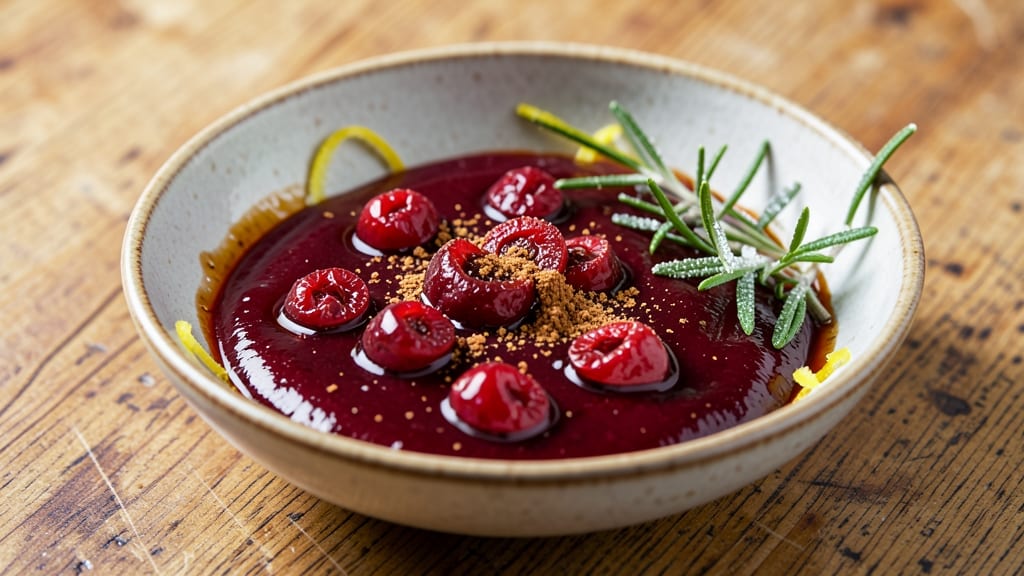
Amarena cherry sauce transforms ordinary desserts into showstoppers with its tart-sweet jammy gloss that clings perfectly to ice cream, pancakes, or even savory dishes. This recipe captures the essence of Italy’s beloved amarena cherries—juicy, intensely sweet, and just slightly tart—without requiring pectin or complicated techniques.
The secret lies in simmering the cherries with citrus and spices until they break down into a velvety, spoonable sauce that’s rich enough to drizzle but light enough to glaze.
What sets this sauce apart is its versatility—it elevates everything from vanilla bean ice cream to grilled pork chops, all while keeping prep simple. No straining required; the sauce naturally thickens as it reduces, creating pockets of fruit that burst with flavor.
A touch of vanilla and cinnamon adds warmth, balancing the cherries’ natural acidity for a finish that’s both elegant and approachable. The result? A sauce so luxurious it feels like a restaurant secret, yet achievable in under 30 minutes.
By the end, you’ll have a glossy, jammy sauce with a texture between syrup and jam—thick enough to drizzle without dripping, yet fluid enough to coat every bite. It keeps well in the fridge for up to 2 weeks, making it perfect for gifting or batch prep.
Whether you’re drizzling it over cheesecake or glazing roasted chicken, this sauce delivers restaurant-quality depth with minimal effort.
Pair it with ricotta and honey, crumble it over panna cotta, or use it as a glaze for baked salmon—the possibilities are endless. Here’s how to make it, step by step.
Ingredients for amarena cherry sauce
Eight simple ingredients transform cherries into a velvety sauce perfect for desserts and savory dishes.
| Ingredient | Amount | Notes |
|---|---|---|
| Amarena Cherries 🍒 | 1 ½ lbs | Pitted, fresh or frozen |
| Granulated Sugar 🍚 | 1 cup | Light brown preferred |
| Fresh Lemon Juice 🍋 | ¼ cup | Strained, seeds removed |
| Pure Vanilla Extract 🌿 | 1 tbsp | High-quality Madagascar preferred |
| Ground Cinnamon 🍃 | ½ tsp | Freshly ground for warmth |
| Extra-Virgin Olive Oil 🫒 | 2 tbsp | For glossy finish |
| Salt 🧂 | ¼ tsp | Diamond Crystal preferred |
| Orange Zest 🍊 | 1 tbsp | Freshly grated |
Amarena cherries are the heart of this sauce—look for them at Italian specialty stores like Eataly or online shops like La Scialuppa. If fresh aren't available, frozen work perfectly (no need to thaw). The sugar should be light brown for subtle caramel notes, but white works in a pinch. Fresh lemon juice brightens the sauce, so avoid bottled versions—they lack the zing. For vanilla, Madagascar bourbon extract adds depth, but imitation will do if that's all you've got. The cinnamon is key: Ceylon has a milder flavor if you prefer subtlety.
No amarena cherries? Substitute with a mix of tart cherries and blackberries—about 1.5 cups total. Skip the brown sugar? White works, but add an extra pinch of salt to balance. Bottled lemon juice is fine, but add 1/4 tsp extra citric acid for tang. Olive oil isn't just for drizzling—it adds shine and richness, so don't skip it. For a smoother texture, blend briefly after simmering. The orange zest can be dried if you prefer, but fresh is brighter. If you're short on time, use 1/2 tsp dried orange peel instead.
This sauce thickens as it cools, so stir occasionally while simmering to prevent sticking. Store in a clean glass jar with a tight seal—it keeps for 2 weeks in the fridge. For gifting, divide into small jars with ribbon seals. The sauce reheats beautifully—just warm gently on the stove or microwave. Freeze for up to 6 months in ice cube trays for single-serving portions. The flavor actually improves after a day or two as the cherries soften and release their juices.
Why You'll Love This Recipe
- No-Stir Magic: I swear by this—just toss the pitted cherries, sugar, and lemon juice into a saucepan, let it simmer until the cherries burst, then fold in that vanilla and cinnamon. Five minutes of active time, and the rest is hands-off. Honestly, it’s the kind of recipe that makes me feel like a lazy chef, but no one ever complains.
- Sweet-Tart Balance: That first bite of lemon-bright cherries with a whisper of cinnamon and vanilla? It’s like dessert snuck into your savory dishes. The sugar caramelizes just enough to coat your spoon, but the acidity keeps it from being cloying—perfect for people who love flavor but hate overly sweet sauces.
- Dress-Up Any Dish: I drizzle this over vanilla ice cream when I’m feeling fancy, but it’s also my secret weapon for roasted pork, pancakes, or even yogurt. Between us, it’s the one sauce that turns a simple grilled chicken into something restaurant-worthy without trying too hard.
- Pantry Staple Power: Amarena cherries stay fresh for weeks, and the other ingredients? Already lurking in your cupboards. Plus, this sauce keeps for months in the fridge—so you’re never scrambling for dessert or a last-minute glaze. I’ll be real: I’ve made a batch in January and still had it by July.
Step-by-step instructions for amarena cherry sauce
Here's how to transform tart amarena cherries into a velvety, jammy sauce that elevates everything from cheesecake to yogurt.
Simmer Cherries Until Soft and Jammy
In a medium saucepan, combine the 1.5 lbs amarena cherries (pitted if fresh) with the 1 cup granulated sugar, 0.25 cup fresh lemon juice, and 0.25 tsp salt. Bring to a gentle boil over medium-high heat, stirring occasionally to dissolve the sugar completely. Once boiling, reduce heat to medium-low and let the mixture simmer uncovered for 20-25 minutes. The cherries should break down into a thick, jammy consistency with minimal liquid remaining.
Here's the thing—I like to taste-test around the 15-minute mark. The sauce should be sweet-tart with visible fruit pieces that still hold their shape. If it's too thick too soon, add 1-2 tablespoons of water to maintain balance. The lemon juice is crucial here; it brightens the natural tartness of the amarena cherries and prevents the sugar from overpowering the delicate fruit flavor.
Add Aromatics and Reduce for Depth
Once the cherries have broken down, stir in the 1 tbsp orange zest, 0.5 tsp ground cinnamon, and 1 tbsp pure vanilla extract. The orange zest adds a subtle citrusy brightness that cuts through the sweetness, while the cinnamon and vanilla deepen the flavor profile. Simmer the mixture for an additional 10-12 minutes over low heat, stirring occasionally to prevent sticking.
This reduction step is where the magic happens. You'll notice the sauce thicken further as it simmers, and the aromatics meld into the cherries. If the sauce becomes too thick before the time is up, add 1 tablespoon of water at a time until it reaches a glossy, spoonable consistency. The goal is a sauce that coats the back of a spoon but isn't syrupy—think of it as a cross between jam and a delicate compote.
Finish with Olive Oil for Gloss and Emulsion
Remove the sauce from heat and let it cool for 5 minutes. While it cools, stir in the 2 tbsp extra-virgin olive oil one tablespoon at a time. The olive oil not only adds a luxurious sheen but also helps emulsify the sauce, giving it a silky, velvety texture. Stir gently to avoid creating bubbles, and let the mixture sit for another 5 minutes to fully integrate.
This is the moment that matters: the olive oil should blend seamlessly into the sauce, creating a glossy finish that makes it perfect for drizzling. If you're using this sauce for desserts like cheesecake or panna cotta, the olive oil also helps create a beautiful, glossy top layer. For best results, let the sauce cool completely before using it—this allows the flavors to fully meld and the texture to set properly.
Strain and Adjust for Perfect Texture
Once the sauce has cooled to room temperature, strain it through a fine-mesh sieve into a clean bowl or jar. This step removes any remaining seeds or skin, leaving you with a smooth, velvety sauce. Press gently on the solids with a spoon to extract every last bit of flavorful juice. Taste the sauce and adjust the sweetness or acidity if needed—add a pinch more sugar if it's too tart, or a splash of lemon juice if it's too sweet.
The strained sauce should be thick enough to coat the back of a spoon but still flow smoothly when drizzled. If it's too thick, thin it with 1 teaspoon of water at a time until it reaches your desired consistency. For the best results, store the sauce in an airtight jar in the refrigerator for up to 2 weeks or freeze it for up to 3 months. The flavors will continue to develop and deepen over time, making it even more delicious as it ages.
Pro Tips For Making Amarena Cherry Sauce
- Simmer Slow and Steady: Amarena cherries burst best at a gentle boil—any hotter and they’ll turn to mush before releasing their jammy goodness. Keep the heat at a low simmer (small bubbles, occasional swirls) and resist the urge to stir constantly. I learned this the hard way when my first batch turned into a watery sludge.
- Pit Those Cherries First: Skip the pitting step, and you’ll end up with a sauce full of tiny, chewy surprises. Use a cherry pitter or make a tiny slit in each cherry with a paring knife—it’s tedious, but worth it. If you’re short on time, freeze the cherries first; they’ll split easier under pressure.
- Balance Sugar with Acid: Too much sugar? The sauce will taste cloying. Too little? It’ll lack depth. Start with half the sugar called for, taste, then adjust—adding lemon juice (not just sugar) keeps the flavor bright. I used to dump in all the sugar upfront; now I save myself from regret.
- Infuse Vanilla Last: Add vanilla extract at the very end, when the sauce is thickened and off the heat. Stir it in just before serving so its aroma doesn’t cook off into nothingness. Sounds weird, but it works—your sauce will taste fresher, like it was made yesterday.
Essential equipment for great amarena cherry sauce
Saucepan Essentials
Start with a medium saucepan with a 2-3 quart capacity—I use my All-Clad stainless steel because it heats evenly and prevents scorching. The saucepan should have slightly sloped sides to help with stirring and reducing without spills.
Avoid non-stick pans for this recipe; they don’t handle the prolonged simmering as well, and the sauce needs direct contact with the metal for proper reduction. 🔥
Fine-Mesh Sieve
A fine-mesh sieve (like the OXO Good Grips) is non-negotiable for achieving that silky texture. The holes should be small enough to catch seeds and skins but large enough to let the sauce flow freely.
If you don’t have one, a cheesecloth works in a pinch—just double it up for better results. Pressing the solids with a spoon through the sieve extracts every last drop of flavor, which is key for that restaurant-quality finish.
Wooden Spoon
Use a heat-resistant wooden spoon (I love the OXO Good Grips again) to stir the sauce. Wood won’t scratch your pan and helps prevent sticking better than metal. Stirring occasionally while simmering ensures even cooking and prevents the sugar from burning.
A long-handled spoon also makes it easier to reach into the pan without burning your hand—trust me, this sauce gets hot!
Glass Jars for Storage
For storage, glass jars with airtight lids (like Ball Mason jars) are ideal—they preserve the sauce’s freshness and make it look stunning on your counter. Glass also allows you to see the vibrant color of the sauce, which is especially satisfying.
Avoid plastic containers, as they can absorb odors and flavors over time. Label your jars with the date to keep track of freshness—this sauce tastes even better after a few days!
Citrus Zester
A microplane or citrus zester (like the OXO Good Grips again—it’s my go-to!) is perfect for grating the orange zest. Fresh zest adds brightness and aroma that bottled versions can’t match. If you don’t have one, a fine grater works, but it’s messier and less precise.
The zest should be finely grated—no need for chunks. This small tool makes a big difference in elevating the sauce’s flavor profile. 🍊
Digital Thermometer (Optional)
While not strictly necessary, a digital instant-read thermometer (like the ThermoWorks Thermapen) helps you monitor the sauce’s temperature for precision. The ideal simmering range is 180-200°F—this ensures the cherries soften without burning.
It’s especially useful if you’re new to sauce-making and want to avoid over-reducing. Once you get the hang of it, though, your eyes and nose will guide you just fine! ⏰
Nutrition facts
Frequently asked questions
Can I use regular cherries instead of amarena cherries?
You can substitute, but the flavor won't be identical. Use a mix of tart cherries and blackberries (about 1.5 cups total) for a similar tart-sweet balance. Amarena cherries are smaller, sweeter, and have a unique jammy texture that's hard to replicate. If you must substitute, add an extra 1/4 tsp citric acid to boost tartness.
How do I know when the sauce is done?
The sauce is ready when it reaches a jammy consistency with visible fruit pieces that still hold shape. Test around 15-20 minutes—it should coat the back of a spoon but not be syrupy. If it thickens too quickly, add 1 tbsp water at a time. The aroma should be rich with cherry and citrus notes.
Can I make this sauce without straining?
Skip straining for a rustic texture with visible fruit chunks. Just simmer until the cherries break down to your preferred consistency. For a smoother finish, strain through a fine-mesh sieve. The strained version works best for drizzling, while the unstrained version adds texture to yogurt or cheese boards.
What's the best way to store and reheat?
Store in an airtight glass jar in the fridge for up to 2 weeks. For reheating, warm gently in a saucepan over low heat until just hot (about 1-2 minutes). Avoid microwaving—it can make the sauce grainy. For long-term storage, freeze in ice cube trays for single-serving portions (up to 6 months).
How can I use this sauce beyond desserts?
This versatile sauce glaze works beautifully on grilled meats (like pork chops or chicken), pairs with ricotta or goat cheese, or enhances savory dishes like risotto. For a sweet-savory twist, drizzle over aged cheddar or brie. The acidity cuts through rich flavors, making it a perfect finishing touch for many dishes.