
Sauces & Condiments
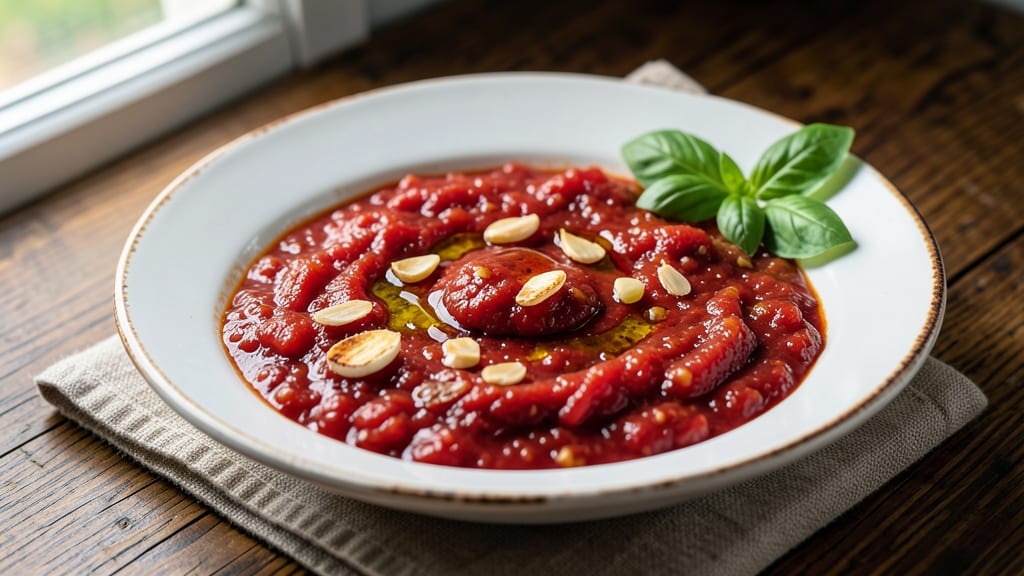
Alton Brown's marinara sauce recipe delivers the kind of restaurant-quality depth that transforms simple meals into something extraordinary. The secret lies in slow-simmering tomatoes until they break down into a velvety, umami-rich sauce, then finishing with fresh basil for that signature brightness. This isn't your basic jarred sauce—it's a labor of love that builds flavor layer by layer, starting with caramelized onions and garlic that form the aromatic foundation.
The beauty of this recipe is in its balance: sweetness from ripe tomatoes, acidity from a splash of red wine vinegar, and umami from a touch of fish sauce or Parmesan rind.
You'll simmer everything together until the flavors meld into perfect harmony, then finish with fresh basil that adds both color and freshness. The result is a sauce that's rich enough for lasagna but versatile enough for dipping bread or tossing with grilled vegetables.
What makes this marinara truly special is how it develops over time—those deep, complex flavors only come from patience. The sauce thickens as it simmers, creating that ideal consistency that clings beautifully to pasta or meat.
And because it's made from scratch, you control every ingredient, ensuring no artificial additives or aftertaste.
Store it in the fridge for up to a week or freeze for months—this sauce only gets better with time. Whether you're prepping for a big meal or just want to elevate weeknight dinners, this marinara delivers restaurant-quality results with minimal effort.
Let's get started on creating your own perfect batch.
Ingredients for alton brown marinara sauce
Nine simple ingredients transform into Alton Brown's legendary marinara sauce.
| Ingredient | Amount | Notes |
|---|---|---|
| Extra-Virgin Olive Oil 🫒 | ½ cup | High-quality, fruity variety preferred |
| Yellow Onion 🧅 | 1 whole | Medium size, finely chopped |
| Garlic Cloves 🧄 | 6 cloves | Peeled and minced finely |
| Canned San Marzano Tomatoes 🍅 | 28 oz | Crushed by hand or with fork |
| Red Wine Vinegar 🍷 | 1 tbsp | For brightness and acidity |
| Fish Sauce 🐟 | 1 tsp | For umami depth (or soy sauce) |
| Dried Basil 🌿 | 1 tsp | Or 0.25 cup fresh basil leaves |
| Salt 🧂 | 1 ½ tsp | Diamond Crystal preferred |
| Black Pepper 🌶️ | ½ tsp | Freshly ground for best flavor |
| Parmesan Cheese Rind 🧀 | 2 pieces | Optional, for extra umami |
The tomatoes are the heart of this sauce, so San Marzano is worth hunting down—they're sweeter and less acidic than regular canned tomatoes. Whole peeled tomatoes work best (crush them by hand for texture), but crushed is fine in a pinch. For the olive oil, California avocado oil or Spanish olive oil adds a nice fruity note, but any good extra-virgin will do. The onion and garlic get caramelized first, so don't rush this step—patient browning builds the sauce's depth. If you're at Trader Joe's, grab their pre-minced garlic for convenience, but fresh is always better.
No fish sauce? Soy sauce or Worcestershire sauce works in a pinch, though fish sauce adds that signature umami punch. Fresh basil is ideal, but dried basil at one-third the amount gets you close. The Parmesan rind is optional but adds incredible depth—just toss it in with the tomatoes. For a smokier sauce, add a pinch of smoked paprika. The red wine vinegar might seem like a small amount, but trust me, it brightens everything. If you're making this ahead, the flavors only get better as they meld over time.
This sauce keeps beautifully in the fridge for up to 1 week, with flavor actually improving as it sits. For longer storage, freeze in ice cube trays—perfect for adding to pasta later. The sauce thickens as it cools, so if it seems too thick right after simmering, just add a splash of water or pasta water. Double the batch and freeze half—you'll thank yourself later when you're pulling it out for weeknight dinners. The basil should be added fresh at the very end, so save some for garnish if you're feeling fancy.
Why You'll Love This Recipe
- Here’s what sold me: I can make a big batch for $3, and it lasts me two weeks. The olive oil and vinegar stretch the tomatoes into something restaurant-worthy, but my wallet stays happy. (Yes, even on a Tuesday night.)
- No-Fuss Pantry Hero: I swear by this sauce when I’ve got nothing but a can of San Marzano tomatoes and a half-empty bottle of olive oil. The red wine vinegar adds that bright, tangy punch without needing fancy ingredients—just let the tomatoes and garlic shine.
- Garlic-Forward Magic: That moment when you crush fresh garlic into hot olive oil? Chef’s kiss. The slow simmer lets the flavor mellow into something rich and complex, but the garlic’s edge stays sharp—like a hug from a flavor bomb.
- Weeknight Workhorse: Between us, this sauce is my lazy-days savior. Toss it with pasta, drizzle it on pizza crusts, or even use it as a marinade. The San Marzano tomatoes keep it silky smooth, so it never tastes like a shortcut.
Step-by-step instructions for slow-simmered umami marinara
Here's how to build rich, balanced marinara with deep flavor and perfect texture.
Sauté Onion and Garlic Until Translucent
Heat the 0.5 cup extra-virgin olive oil in a heavy saucepan over medium-low heat. Add the finely chopped yellow onion and cook for 8-10 minutes until completely translucent and softened. You want it to lose all its raw bite—this prevents bitterness in the final sauce.
Reduce heat to low and add the minced garlic cloves. Cook for 1-2 minutes until fragrant but not browned—garlic burns quickly at this stage. Stir constantly to prevent burning, which would make the sauce bitter. The garlic should smell sweet and inviting, not sharp or acrid.
Add Tomatoes and Acid Components
Pour in the 28 oz canned San Marzano tomatoes (crushed by hand or fork) and stir to combine with the onion and garlic. Add the 1 tbsp red wine vinegar and 1 tsp fish sauce—these create the bright, balanced acidity and umami foundation. Bring the mixture to a gentle simmer over medium heat.
Let it cook uncovered for 15 minutes while stirring occasionally. You're developing the base flavor here, so don't rush this step. The sauce should reduce slightly and begin to thicken. If it looks too thin at this point, you can continue simmering uncovered—it will thicken naturally as it reduces.
Season and Simmer Until Thickened
Add the 1.5 tsp salt, 0.5 tsp black pepper, and 1 tsp dried basil. Stir well to distribute the seasoning evenly. If using the 2 pieces Parmesan cheese rind, add them now—they'll melt and infuse the sauce with deep, nutty umami as they simmer.
Continue simmering uncovered for another 20-25 minutes until the sauce thickens to your desired consistency. You're looking for a sauce that coats the back of a spoon but still flows smoothly—it should be thick enough to cling to pasta but not so heavy it feels gloppy. Taste and adjust seasoning if needed, adding more salt or vinegar as necessary.
Finish with Fresh Basil (Optional but Recommended)
Remove the sauce from heat and let it cool slightly for 5 minutes. If using fresh basil, stir in 0.25 cup chopped fresh basil leaves just before serving. This adds vibrant color and a bright, fresh finish that contrasts beautifully with the deep, simmered flavors. The basil should be added at the end to preserve its delicate aroma and prevent it from wilting in the hot sauce.
For best results, serve immediately over al dente pasta. The sauce will continue to thicken slightly as it sits, so don't worry if it looks a bit loose when you first plate it. Each spoonful should deliver layers of sweet tomato, bright acidity, savory umami from the fish sauce and cheese rind, and the fresh herbal finish from the basil.
Pro Tips For Making Alton Brown Marinara Sauce
- Sweat the Onion First: I learned this the hard way—chopping onions into tiny dice and letting them sit in a cold skillet with olive oil for 3-4 minutes before adding heat. The sugar caramelizes just enough to deepen the sauce’s flavor without burning, and you won’t end up with a bitter base. (Yes, it looks weird, but trust the process.)
- Crush Garlic Like It’s 1999: Skip the mincer unless you’re in a hurry. Smash whole garlic cloves with the flat side of your knife first, then finely chop—this releases more flavor without turning bitter. For extra depth, toast the chopped garlic in the oil for 30 seconds before adding the onions, but watch it like a hawk or it’ll burn.
- Simmer Low and Slow: That red wine vinegar is the game-changer, but if you rush the simmer, it’ll turn harsh. After adding the tomatoes, bring to a gentle boil first, then drop to a low simmer (barely bubbling) for at least 20 minutes. I used to walk away after 10, and the sauce always tasted flat—patience pays off here.
- Strain the Tomatoes: This isn’t the prettiest method, but it’s the tastiest. After crushing the San Marzano tomatoes by hand (yes, even if you’re impatient like me), strain them through a fine-mesh sieve to remove skins and seeds. It takes 5 extra minutes, but the result is silky smooth with no weird texture—worth it for special occasions.
Best sauces and condiments for this alton brown marinara sauce
Sweet Tomato Foundation
Start with San Marzano tomatoes—their natural sweetness and low acidity create the perfect base for this marinara. I crush them by hand with a fork to maintain texture, but a potato masher works too.
For extra depth, add 1 tbsp tomato paste to the onions before the tomatoes go in. This caramelizes beautifully and adds a concentrated tomato flavor that builds complexity. 🍅
Umami Boosters
The fish sauce and Parmesan rind are game-changers for umami depth. If you don’t have fish sauce, soy sauce or Worcestershire works, but fish sauce adds that authentic savory punch.
For the rind, grab a small piece from a block of Parmigiano-Reggiano—it dissolves as it simmers, infusing the sauce with nutty richness. Skip the rind? A pinch of MSG or 1 tsp miso paste can mimic that savory depth.
Acidity Balance
The red wine vinegar is crucial for brightness—don’t skip it! I use Balsamic vinegar in a pinch, but red wine vinegar’s sharpness cuts through the sweetness beautifully. For extra tang, add ½ tsp citric acid (found in baking aisles) or a splash of lemon juice.
Taste as you go: the sauce should taste balanced, not sour or flat.
Herb Finishes
Fresh basil is non-negotiable for that signature aroma, but dried basil works in a pinch (use ⅓ the amount). For variation, try ½ tsp dried oregano or 1 sprig fresh thyme with the tomatoes.
If you’re feeling adventurous, add 1 tsp crushed red pepper flakes for heat or ½ tsp smoked paprika for a smoky twist. Garnish with extra basil or a drizzle of olive oil before serving.
Thickness Control
Simmering reduces the sauce naturally, but if it’s too thick, stir in 1 tbsp water or pasta water. For extra richness, whisk in 1 tbsp heavy cream at the end. If it’s too thin, simmer uncovered for 5–10 more minutes—the sauce will thicken as it reduces.
The ideal consistency coats the back of a spoon but still flows smoothly over pasta.
Storage Secrets
This sauce tastes even better after 24 hours as flavors meld. Store in an airtight container in the fridge for up to 1 week or freeze for 3 months.
For easy portions, freeze in ice cube trays—perfect for adding to pasta later. Reheat gently on the stovetop with a splash of water to restore texture. 💫
Nutrition facts
Frequently asked questions
Why does Alton Brown's marinara sauce use fish sauce instead of soy sauce?
Fish sauce adds a deeper, more complex umami flavor that elevates the sauce beyond what soy sauce can provide. The subtle salty-sweet notes from fish sauce (like Red Boat or Thai Kitchen brands) create that signature restaurant-quality depth that makes this marinara stand out. It's especially noticeable when paired with the bright acidity from red wine vinegar.
Can I make this marinara sauce without fresh basil?
Use ⅓ the amount of dried basil (about ⅓ tsp) and add it with the other herbs during simmering. For extra flavor, try ½ tsp dried oregano or 1 sprig fresh thyme along with it. The key is balancing the herbs to complement the tomato's natural sweetness rather than overpowering it.
How do I fix marinara sauce that's too thin or too thick?
For thin sauce, simmer uncovered for 5-10 more minutes—it will naturally reduce and thicken. If it's too thick, whisk in 1 tbsp water or pasta water to loosen it. For extra richness, stir in 1 tbsp heavy cream at the end. The ideal consistency should coat the back of a spoon but still flow smoothly over pasta.
What's the best way to store leftover marinara sauce?
Store in an airtight container in the fridge for up to 1 week—it actually tastes better after 24 hours as flavors meld! For longer storage, freeze in ice cube trays (perfect for adding to pasta later) or in portion-sized containers for 3 months. Always reheat gently with a splash of water to restore texture.
Can I use regular canned tomatoes instead of San Marzano?
While San Marzano tomatoes give the best results with their natural sweetness and low acidity, you can use regular canned tomatoes in a pinch. For better flavor, add 1 tbsp tomato paste to the onions before adding tomatoes. Also consider adding ½ tsp citric acid or 1 tsp sugar to help balance the flavors and improve texture.