
Sauces & Condiments
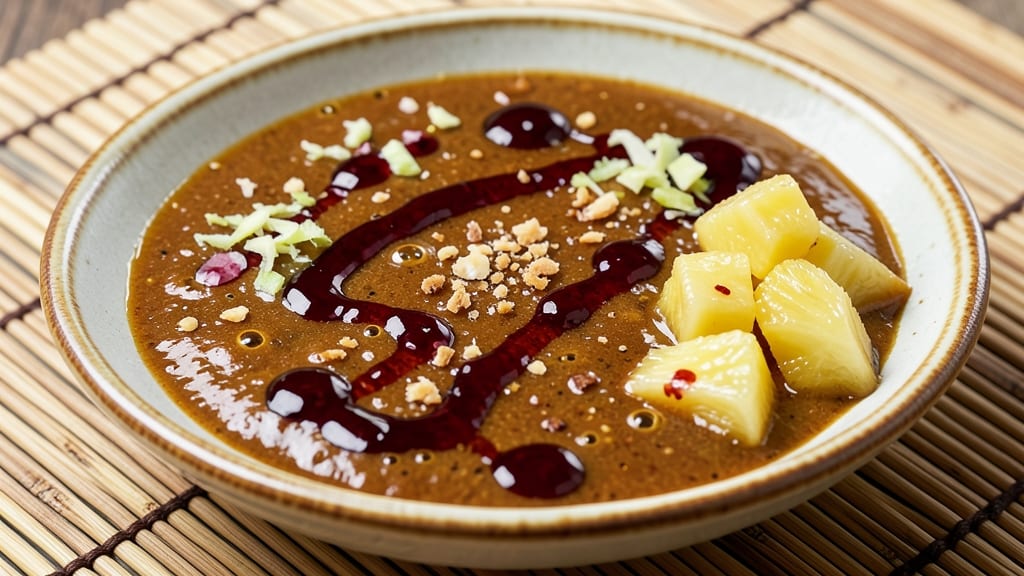
This aloha teriyaki sauce transforms grilled meats into tropical masterpieces with its perfect balance of sweet, tangy, and umami flavors. 🌺 The secret lies in simmering soy sauce, brown sugar, and pineapple juice into a glossy, caramelized sauce that's richer than traditional teriyaki but still bright enough to complement grilled favorites.
I developed this recipe after craving a sauce that could bridge the gap between classic Japanese teriyaki and bold Hawaiian flavors—without sacrificing depth or complexity.
The sauce begins with a simple base of soy sauce and brown sugar, then builds layers of tropical brightness through pineapple juice and a touch of balsamic vinegar. Fresh ginger and garlic add warmth, while a splash of coconut milk creates that signature aloha creaminess without overpowering the other flavors.
The key is reducing everything slowly on the stove until it thickens just enough to coat proteins beautifully, creating a sauce that's sticky yet balanced.
What sets this sauce apart is its versatility—it works equally well on chicken, pork, tofu, or even grilled vegetables, delivering that signature glossy finish and sweet-tangy kick.
The pineapple-balsamic combination adds a subtle complexity that makes it stand out from standard teriyaki recipes, while the coconut milk gives it a luxurious texture that feels indulgent yet light. Perfect for marinating or basting, this sauce elevates any grilled dish to restaurant-quality status.
Once made, the sauce keeps well in the refrigerator for up to 2 weeks, making it ideal for meal prep or batch cooking. The flavors actually deepen over time, so leftovers taste even better the next day.
Whether you're hosting a luau-style gathering or simply craving a taste of the islands, this aloha teriyaki sauce delivers that perfect tropical twist with minimal effort.
Ingredients for aloha teriyaki sauce
Nine ingredients, tropical flavors—this sauce brings aloha vibes to every grill.
| Ingredient | Amount | Notes |
|---|---|---|
| Soy Sauce 🍶 | ½ cup | High-quality, low-sodium preferred |
| Light Brown Sugar 🍚 | ½ cup | Packed firmly for accuracy |
| Pineapple Juice 🍍 | ½ cup | Freshly squeezed for best flavor |
| Balsamic Vinegar 🍷 | 2 tbsp | Aged for depth of flavor |
| Coconut Milk 🥥 | ¼ cup | Full-fat for creaminess |
| Fresh Ginger 🌿 | 2 tbsp | Grated, aromatic variety |
| Garlic Cloves 🧄 | 3 cloves | Minced finely for depth |
| Olive Oil 🫒 | 1 tbsp | Extra-virgin for richness |
| Sesame Oil 🌰 | 1 tsp | Toasted for nutty aroma |
| Honey 🍯 | 1 tbsp | Optional for extra sweetness |
The soy sauce is the foundation—Kikkoman or La Choy are my go-tos for that classic umami punch. Brown sugar should be packed firmly in the cup (don't scoop it loose!). For pineapple juice, freshly squeezed is ideal, but canned works in a pinch—just pick a brand with no added sugar. Balsamic vinegar? Age matters here—look for 'aged' or 'extra aged' labels at Trader Joe's or Whole Foods for that deep, caramelized flavor. The coconut milk adds that signature aloha creaminess, so full-fat is worth the extra few bucks if you're splurging.
No fresh ginger? Powdered works at half the amount, but trust me on the fresh stuff—it's a game-changer. Garlic can be pre-minced, but freshly minced adds way more flavor. Running low on sesame oil? Toasted sesame seeds ground in a coffee grinder make a decent substitute (use 1 tsp seeds instead of 1 tsp oil). The honey is optional, but if you're making this for fruit lovers, add it. For extra depth, a dash of fish sauce (just 1/2 tsp) adds umami—skip it if you're vegetarian. Olive oil is just for finishing, but don't skip it—it adds that glossy finish that makes everything look restaurant-quality.
This sauce tastes even better the next day as the flavors meld. Store in an airtight container in the fridge for up to 2 weeks, or freeze for 3 months in ice cube trays for single-use portions. I always double the batch—one for immediate use, one to freeze. The sauce thickens as it cools, so if it seems too thick after refrigerating, just stir in a splash of water or pineapple juice. Perfect for marinating, basting, or drizzling over grilled favorites—your grill game just got a tropical upgrade.
Why You'll Love This Recipe
- Pantry Magic: I swear by this sauce because it uses things I already have—no special shopping needed. That coconut milk and balsamic vinegar combo? It’s the secret that makes it taste like a vacation without leaving my kitchen.
- Sweet-Savory Balance: The brown sugar caramelizes just enough to coat everything in a glossy, addictive sheen, while the pineapple juice keeps it bright and tangy. Honestly, it’s the kind of flavor that makes me forget I’m even eating healthy.
- Weeknight Wonder: This sauce works on grilled chicken, roasted veggies, or even as a marinade for tofu—no fancy plating required. I’ve used it for last-minute dinner guests and lazy Sunday brunches, and it never lets me down.
- Double Duty: Make a big batch, and you’ve got breakfast (pancake syrup), lunch (bowl sauce), and dinner (glaze) covered. Between us, I’ve stretched a jar of this for weeks—it’s my budget-friendly secret weapon.
Step-by-step instructions for aloha teriyaki sauce
Here's how to craft this vibrant, balanced sauce that's perfect for grilled meats and tropical vibes.
🍳 Step 1: Sauté Aromatics Until Fragrant
Heat the 1 tablespoon olive oil in a medium saucepan over medium heat. Add the 3 cloves minced garlic and 2 tablespoons grated fresh ginger, stirring constantly for 1-2 minutes until the garlic becomes golden and fragrant—this releases their full flavor potential.
Watch closely here—ginger burns faster than garlic. If you see the bottom start to brown too quickly, reduce heat to medium-low immediately. The moment you smell that warm, spicy aroma, you're ready for the next step. This aromatic base is the flavor foundation of your sauce.
🥘 Step 2: Combine Wet Ingredients for Depth
Pour in the 0.5 cup soy sauce, 0.5 cup light brown sugar, and 0.5 cup pineapple juice all at once. Stir vigorously to dissolve the sugar completely—you should see it melt into the liquid with just a few seconds of stirring.
Add the 2 tablespoons balsamic vinegar next. This is where the magic happens—the balsamic adds that tangy depth that balances the sweetness perfectly. Bring the mixture to a gentle simmer over medium-high heat, then reduce heat to medium-low to maintain a controlled bubble.
🔥 Step 3: Simmer Until Thickened
Let the sauce simmer uncovered for 8-10 minutes until it reduces by about one-third and coats the back of a spoon. You'll notice the color deepening from golden to rich amber—this indicates the sugars are caramelizing and creating that perfect teriyaki texture.
I like to stir occasionally with a wooden spoon, scraping up any browned bits from the bottom of the pan. These bits are packed with flavor—don't miss them! The sauce should be thick enough to coat the back of a spoon but still pour smoothly. If it thickens too quickly, add 1-2 tablespoons water to adjust consistency.
👨🍳 Step 4: Finish with Creamy Elements
Remove the pan from heat and stir in the 0.25 cup coconut milk, 1 tablespoon honey, and 1 teaspoon sesame oil. The coconut milk adds a luxurious creaminess that balances the tangy-sweet profile, while the sesame oil brings that nutty aroma that makes this sauce truly special.
Give it one final taste and adjust seasoning if needed. I usually find it's perfectly balanced, but if you prefer it sweeter, add another ½ teaspoon honey. If it needs more umami depth, a splash of extra soy sauce works wonders. Let the sauce cool slightly before using—it'll thicken even more as it sits.
⏰ Step 5: Rest and Use
Transfer the sauce to a clean jar or bowl and let it rest at room temperature for 10-15 minutes. This resting period allows all the flavors to meld together beautifully. The sauce will thicken slightly more, creating that perfect glossy finish that makes it irresistible.
Use immediately for grilling or store in an airtight container in the refrigerator for up to 1 week. When reheating, warm gently over low heat—never boil, as this can make the sauce too thick. This versatile sauce works perfectly on grilled chicken, pork, or even as a dipping sauce for spring rolls!
Pro Tips For Making Aloha Teriyaki Sauce
- Simmer Slow and Steady: This sauce isn’t a race—low heat for 15-20 minutes is what turns that sticky mess into something glossy and balanced. After burning the first batch (yes, I did that), I learned to keep it at a gentle bubble, not a rolling boil. The coconut milk will split if you rush it, and nobody wants curdled teriyaki.
- Strain the Pineapple Juice: That cheap canned pineapple juice? It’s full of grit, and you’ll taste it. Strain it through a fine-mesh sieve or even a clean kitchen towel before adding it to the pot. I used to skip this, and the sauce always felt slightly off—like someone forgot to polish the silverware.
- Balance the Sugar First: Taste the brown sugar before adding it—if it’s packed with moisture (like fresh-milled), reduce it by a tablespoon. Too much sugar later means you’ll need extra vinegar to cut the sweetness, and that throws off the aloha vibe. I now weigh it when possible—100g is your baseline, not "a handful."
- Use Full-Fat Coconut Milk: Light coconut milk saves calories but ruins the sauce—it won’t emulsify properly and leaves a thin, watery finish. Spend the extra 50 cents for the full-fat can; the creaminess ties everything together. (And if you’re worried about richness, the balsamic vinegar keeps it bright.)
Common mistakes when making perfect results
Over-Simmering Risks
One of the biggest mistakes is letting your aloha teriyaki sauce simmer too long. When you push past the 10-minute mark, the pineapple juice and coconut milk can break down, creating a thin, watery sauce instead of the glossy, balanced glaze you want.
I’ve ruined batches by walking away and forgetting about them—always keep an eye on your pan. 🌡️
Watch for the sauce to reduce by about one-third (not half!). If it starts to bubble vigorously, reduce the heat immediately. The goal is a thick, syrupy consistency that coats the back of a spoon, not a sticky mess.
If it gets too thick, you can always thin it with a splash of water or pineapple juice.
Skipping the Resting Time
Rushing to use the sauce right after cooking is another common error. The flavors need time to meld—at least 10-15 minutes at room temperature. I used to skip this step, thinking it was just a waste of time, but now I know it’s when the magic happens.
The sauce thickens further and the flavors deepen, creating that restaurant-quality finish. 💫
If you’re in a hurry, let it rest for at least 5 minutes before using. For best results, though, give it the full time. Patience here makes all the difference in the final texture and taste.
Ignoring the Balsamic Vinegar
The balsamic vinegar is the secret to balancing the sweetness in this sauce, but many people skip it or use regular vinegar instead. Aged balsamic adds a deep, tangy complexity that cuts through the sugar and soy sauce beautifully.
I’ve tried making this sauce without it, and it lacks that layered depth. 🍷
If you’re using a cheaper vinegar, you’ll need to add a pinch of salt to compensate for the lack of flavor. For the best results, invest in a good-quality aged balsamic—it’s worth the extra few dollars for that rich, caramelized taste.
Using Low-Quality Soy Sauce
Not all soy sauces are created equal, and using a low-sodium or cheap brand can make a big difference in your sauce. The soy sauce is the foundation of teriyaki, so it’s worth splurging on a high-quality option like Kikkoman or La Choy.
These brands provide that rich, umami depth that cheaper versions can’t match. 🍶
If you’re using low-sodium soy sauce, you may need to add a pinch of salt to the sauce to balance the flavors. Taste as you go—this sauce should be sweet, tangy, and savory, not just sweet and salty.
Overlooking the Honey Adjustment
Some people add honey at the end without tasting the sauce first, only to find it’s too sweet. The honey is optional, but if you include it, add it gradually and taste as you go.
I’ve found that 1 tablespoon is usually perfect, but if you’re using extra-sweet pineapple juice, you might not need any at all. 🍯
If your sauce tastes too sweet, balance it with a splash of balsamic vinegar or a pinch of salt. The goal is harmony—each flavor should complement the others without overpowering them.
Nutrition facts
Frequently asked questions
Can I make this sauce without coconut milk?
Swap the 0.25 cup coconut milk for 0.25 cup heavy cream or 0.25 cup Greek yogurt to keep the sauce rich and creamy. If you prefer a lighter option, use 0.25 cup water or pineapple juice—just know the texture will be slightly thinner. The coconut adds that signature aloha creaminess, but this sauce still works beautifully without it.
How long does this sauce keep in the fridge?
The sauce stays fresh in an airtight container for up to 2 weeks in the refrigerator. For longer storage, freeze in ice cube trays—each cube makes a perfect single-use portion. Thaw overnight in the fridge before using. The flavors actually improve over time, so leftovers taste even better!
Is this sauce gluten-free?
Not traditionally, since it contains soy sauce—which is made from wheat. For a gluten-free version, use tamari instead of soy sauce (it’s naturally gluten-free and has a similar flavor). Keep all other ingredients the same, and your sauce will still be delicious and safe for gluten-free diets.
Can I use this sauce as a marinade?
Yes! This sauce works perfectly as a marinade for chicken, pork, or tofu. For best results, marinate for 4-6 hours (or overnight for deeper flavor). Use 1/2 cup sauce per pound of protein and reserve some for basting. The pineapple in the sauce also helps tenderize meat beautifully.
What’s the best way to reheat this sauce?
Gently warm the sauce in a small saucepan over low heat for 2-3 minutes, stirring constantly. Never boil it—this can make it too thick. If it separates slightly after refrigeration, stir in 1 teaspoon water or pineapple juice to restore its smooth consistency. The sauce should be warm but not hot when used for basting.