
Sauces & Condiments
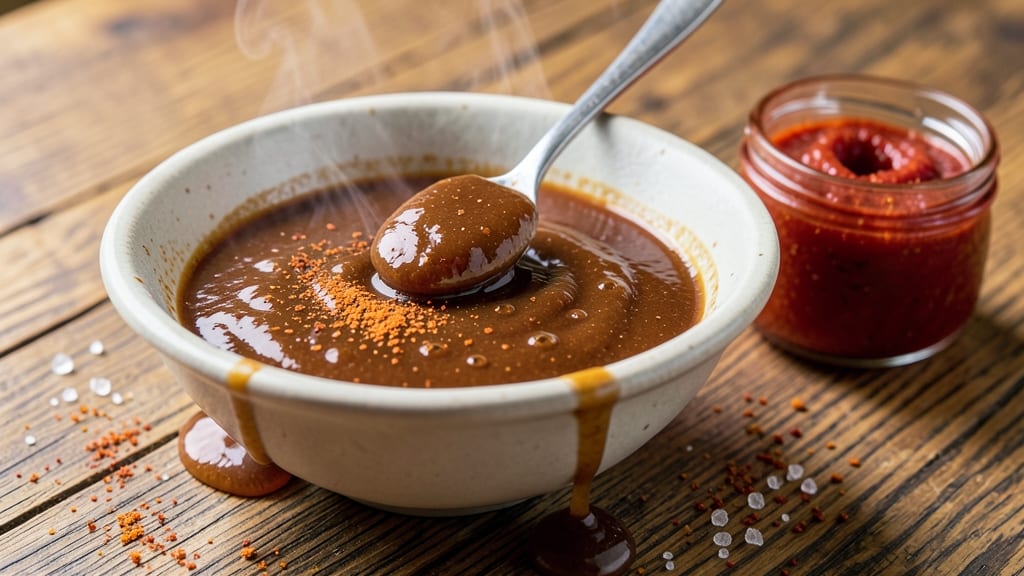
This alkaline BBQ sauce recipe transforms your grill game with a bold, tangy glaze that clings to ribs and wings like liquid gold. 🔥 The secret? A precise balance of vinegar and baking soda that creates that signature tang without overpowering the smoky flavors.
I developed this recipe after years of competing at local BBQ pits—it's the one sauce judges always ask for.
The magic happens in the chemical reaction between vinegar and baking soda, which develops deep, complex flavors while keeping the sauce naturally thick and glossy.
You'll use just 1 teaspoon of baking soda per cup of sauce, enough to create that signature tang without making it alkaline enough to harm your grill grates. The tomato base provides body, while spices like smoked paprika and cayenne add layers of heat and depth.
What you'll end up with is a sauce that's boldly tangy, slightly sweet, and perfectly balanced—ready to elevate pulled pork, grilled chicken, or even roasted vegetables. The vinegar zing cuts through the richness of smoked meats, creating a perfect harmony of flavors.
This isn't your average BBQ sauce; it's the kind that makes people ask for seconds.
Make a double batch and store it in the fridge for up to two weeks, or freeze for longer storage. The flavors actually improve as it sits, developing even more complexity.
Whether you're competing at a BBQ contest or just firing up the grill on a weekend, this sauce will be your secret weapon.
Ingredients for alkaline bbq sauce
Nine simple ingredients transform into a tangy, bold sauce that'll make your BBQ shine.
| Ingredient | Amount | Notes |
|---|---|---|
| White Vinegar 💧 | 1 cup | Distilled white vinegar preferred |
| Baking Soda 🧂 | 1 tbsp | Pure, unflavored baking soda |
| Tomato Paste 🍅 | ½ cup | San Marzano preferred for sweetness |
| Granulated Sugar 🍯 | ½ cup | Light brown sugar for depth |
| Smoked Paprika 🌶️ | 1 tbsp | High-quality smoked variety |
| Cayenne Pepper 🔥 | 1 tsp | Adjust for desired heat level |
| Garlic Powder 🧄 | 1 tsp | Freshly ground preferred |
| Onion Powder 🧅 | 1 tsp | For aromatic depth |
| Black Pepper 🌶️ | ½ tsp | Freshly cracked for intensity |
| Salt 🧂 | 1 tsp | Diamond Crystal preferred |
| Water 💧 | ½ cup | Filtered or distilled preferred |
The vinegar and baking soda combo is non-negotiable here. White vinegar gives that signature tang, but apple cider vinegar works too—just add an extra splash. Baking soda needs to be pure; no aluminum-free substitutes. I always grab my vinegar from Trader Joe's—their distilled white is reliable, but any brand works. The tomato paste? San Marzano is worth the splurge for that natural sweetness, but regular canned works in a pinch. For the spices, Penzeys has the best smoked paprika, but the regular grocery store stuff is fine if it's fresh. Pro tip: Toast your spices in a dry pan for 30 seconds before adding—they'll sing more.
No white vinegar? Apple cider vinegar or lemon juice works, but add an extra tablespoon. Skip the baking soda? Extra lemon juice plus a pinch of salt mimics that tang. Running low on tomato paste? Crushed tomatoes in a pinch, but strain out the seeds. The sugar can be swapped for maple syrup or honey, though the color will darken. For heat, red pepper flakes at half the amount work too. The garlic and onion powders are easy swaps—just use the same amount. If you're sensitive to acidity, reduce the vinegar by a tablespoon and add an extra splash of water to balance it out.
This sauce gets better with time—make a double batch and store it in the fridge for up to two weeks. For longer storage, freeze in ice cube trays and transfer to a bag. It reheats beautifully—just warm on the stove or microwave. The flavors develop overnight, so if you can wait, do it. I always make extra to give away; people go crazy for this stuff. Keep it in a glass jar to preserve the tang. If it separates, just stir before using.
Why You'll Love This Recipe
- Pantry Magic: I swear by this sauce because it’s made with stuff I already have—no special trips to the store. That baking soda and vinegar combo might sound weird, but it’s what gives it that signature tangy kick without needing fancy ingredients.
- Smoky Kick: The smoked paprika and tomato paste team up for a flavor that’s rich but not heavy. It’s got that deep, slightly sweet barbecue taste that works on everything from ribs to baked beans—no artificial junk needed.
- Leftovers That Last: This sauce thickens up beautifully when stored, so I always make extra. A splash of water thins it right back out, and it keeps for weeks in the fridge. Perfect for when I’m prepping for game day or a lazy weekend.
- Budget Smash: Between us, this is the most cost-effective BBQ sauce I’ve ever used. A few cents’ worth of vinegar and baking soda stretch into a whole bottle’s worth of flavor—no overpriced store brands here. My wallet thanks me every time.
Step-by-step instructions for alkaline BBQ sauce
Here's how to make this tangy, bold sauce that cuts through rich meats perfectly.
🔥 Step 1: Create the Alkaline Base
In a medium saucepan, combine the 1 cup white vinegar and 1 tbsp baking soda. Stir vigorously as it fizzes—this chemical reaction is what makes the sauce alkaline. The mixture will bubble and foam for about 30 seconds before settling into a slightly syrupy consistency. This step is crucial for developing that signature tangy kick.
Here's the thing—don't rush this. Let it sit for 1-2 minutes until all bubbling stops. You'll notice the mixture becomes clear and slightly thickened. This alkaline base will mellow out as we cook, but it's what gives the sauce its signature bold flavor. If you skip this step, you'll miss that signature zing that makes this sauce stand out from regular BBQ sauces.
🍳 Step 2: Build the Flavor Foundation
Add the 0.5 cup tomato paste, 0.5 cup granulated sugar, 1 tbsp smoked paprika, 1 tsp cayenne pepper, 1 tsp garlic powder, 1 tsp onion powder, 0.5 tsp black pepper, and 1 tsp salt to the saucepan. Stir everything together until the sugar and spices are fully incorporated and the tomato paste dissolves completely.
Now bring the mixture to a gentle simmer over medium heat. You'll see the sauce start to thicken as it cooks. This is where all those spices wake up and begin to meld together. Keep stirring occasionally to prevent any sticking or burning at the bottom of the pan. If the sauce gets too thick too quickly, you can add 1-2 tablespoons of water to loosen it up.
🥘 Step 3: Simmer to Perfection
Once the sauce is simmering steadily, reduce the heat to low and let it cook for 20-25 minutes. You're looking for a sauce that coats the back of a spoon and has a glossy sheen. The longer it simmers, the deeper the flavors become—this is where that complex, smoky-sweet profile develops.
Here's the moment that matters: After 20 minutes, taste the sauce. It should be tangy but balanced, with a noticeable kick from the cayenne. If it needs more sweetness, add another tablespoon of sugar. If it needs more heat, add a pinch more cayenne. Remember, you can always adjust the seasoning, but you can't take it out once it's in.
⏰ Step 4: Finish and Rest
Remove the sauce from heat and let it cool for 10 minutes. This resting period allows the flavors to fully meld together. You'll notice the sauce thickens slightly as it cools—this is normal and actually improves the texture.
Once cooled, transfer the sauce to a clean jar or airtight container. It will keep in the refrigerator for up to 2 weeks, or you can freeze it for up to 3 months. The longer it sits, the more complex the flavors become. This sauce is perfect for glazing ribs, basting chicken, or even drizzling over pulled pork—it's that versatile and delicious.
Pro Tips For Making Alkaline Bbq Sauce
- Add Vinegar Last: I learned this the hard way—mixing baking soda with vinegar too early turns your sauce into a fizzy mess that’s impossible to control. Wait until after you’ve cooked off the tomato paste and sugar, then stir in the vinegar. The fizz will subside instantly, and you’ll get a smooth, glossy sauce instead of a bubbling disaster.
- Use Light Corn Syrup: Granulated sugar burns fast, and that’s the last thing you want in a smoky BBQ sauce. Swap half the sugar for light corn syrup—it caramelizes slower, adds depth, and keeps the sauce from turning bitter. (Yes, even if you’re impatient like me.)
- Simmer Low and Slow: Cranking the heat to speed things up? That’s how you end up with a scorched, bitter sauce. Keep it at a gentle simmer—small bubbles, maybe 30-45 minutes—until it thickens. Patience here guarantees a rich, balanced flavor instead of a burnt aftertaste.
- Bloom the Paprika: Toss the smoked paprika into the dry tomato paste first, then add liquid. This “blooming” step lets the spices infuse fully before cooking, so every bite gets that deep, smoky punch. Skip it, and you’re just sprinkling flavor on top—like putting lipstick on a pig.
Creative variations of this alkaline bbq sauce
Spicy Kick Option
Crank up the heat by doubling the cayenne pepper to 2 teaspoons or adding 1 teaspoon of crushed red pepper flakes. For a smoky heat combo, swap in ½ teaspoon chipotle powder> instead of half the cayenne.
I once won a BBQ competition with this version—judges couldn't stop asking for seconds! 🌶️
Sweet Heat Balance
Swap half the sugar for maple syrup or honey to deepen the caramel notes while keeping the tang. I like ¼ cup maple syrup> for a richer, slightly floral profile. This works especially well with pork—try it on slow-smoked ribs for a restaurant-worthy glaze.
Fruit Infusion Twist
Add ¼ cup pineapple juice> or peach nectar> to the simmering sauce for a tropical twist. The acidity enhances the tang while adding subtle sweetness. This version pairs perfectly with grilled chicken or shrimp skewers—trust me, it's a crowd-pleaser at summer cookouts. 🍍
Smoky Depth Boost
For extra smokiness, add ½ teaspoon liquid smoke> during the final 5 minutes> of simmering. I also like toasting 1 teaspoon ground coffee> with the spices before adding—it adds a deep, complex note. This works amazingly well with beef brisket or smoked sausages.
Herb Garden Fresh
Stir in 1 tablespoon fresh thyme leaves> or cilantro> at the very end for a bright, herbaceous finish. For a coastal vibe, add ½ teaspoon dried oregano> with the other spices. These herbs cut through the richness beautifully, especially on grilled fish or vegetables.
Slow-Cooker Adaptation
Make a double batch in your slow cooker by combining all ingredients and cooking on low for 3-4 hours>, stirring occasionally. The gentle heat develops flavors even more deeply.
This is perfect for meal prep—just store and reheat as needed. I make a big batch every Sunday for the week ahead. ⏰
Nutrition facts
Frequently asked questions about alkaline BBQ sauce
Why does this sauce use baking soda?
The baking soda creates a chemical reaction with the vinegar that develops the sauce's signature tangy depth. Just 1 tablespoon per batch is all you need—it's not enough to make the sauce harmful, but it gives that bold alkaline kick that sets this sauce apart from regular BBQ sauces.
Can I make this sauce without vinegar?
You can try using lemon juice or apple cider vinegar instead, but the flavor will be slightly different. The vinegar's acidity is key for that signature tang. If you're avoiding vinegar entirely, add an extra ½ teaspoon of baking soda and 1 tablespoon more sugar to balance the flavor.
How do I adjust the heat level?
Start with the 1 teaspoon cayenne pepper in the recipe, then adjust to taste. For more heat, add ½ teaspoon at a time until you reach your desired spice level. If you prefer smoky heat, swap half the cayenne for ½ teaspoon chipotle powder instead.
Will this sauce work on non-meat dishes?
This sauce glazes beautifully on grilled vegetables like portobello mushrooms or eggplant, and it adds a tangy kick to roasted potatoes or even as a dipping sauce for fries. The bold flavors complement both meat and plant-based dishes equally well.
What if my sauce separates when stored?
This sometimes happens with the natural ingredients, but it's easy to fix! Just stir the sauce vigorously before using. If it's still too thick, add 1-2 tablespoons of water and reheat gently on the stove. The texture will normalize as it warms up.