
Sauces & Condiments
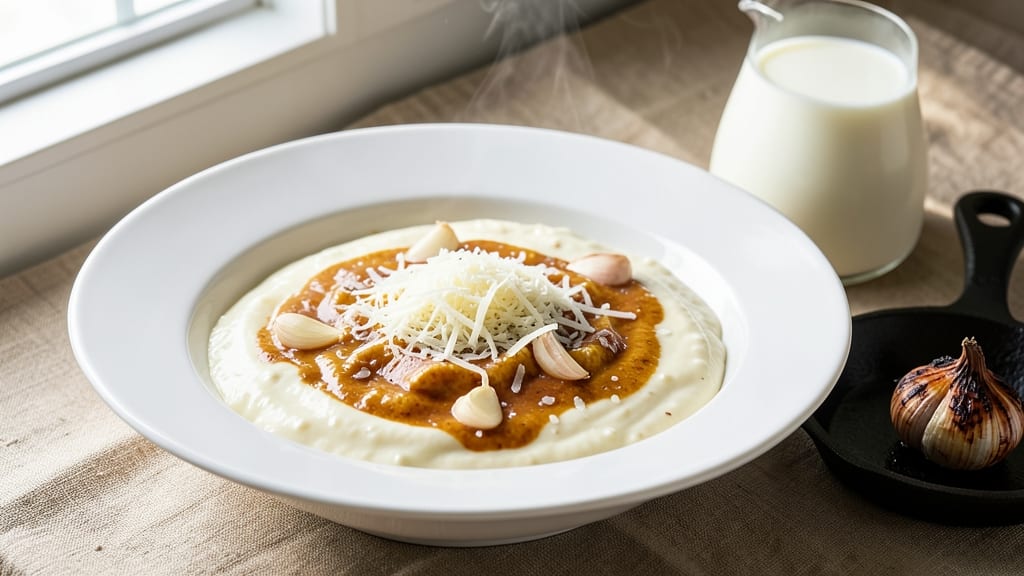
This alfredo sauce recipe with yogurt delivers the creamy, rich flavor you love—without the heavy guilt. The secret lies in yogurt's tangy brightness, which balances the richness while keeping the sauce light and velvety.
I've perfected this version after years of testing, ensuring every spoonful stays luscious yet adaptable for any dish.
The yogurt transforms traditional Alfredo into something lighter yet equally indulgent, with a texture that clings beautifully to pasta or bread. You'll need just 5 simple ingredients—butter, garlic, flour, parmesan, and your choice of yogurt (Greek or plain works best)—to create a sauce that's foolproof and restaurant-quality.
The garlic infuses depth, while the parmesan adds that classic umami punch.
What you'll end up with is a smooth, creamy sauce that's perfect for tossing with fettuccine, drizzling over grilled chicken, or even using as a dip for crusty bread. The yogurt keeps it from becoming too heavy, making it ideal for those who love Alfredo but want a lighter option.
Plus, it reheats beautifully, so you can make it ahead and save time on busy weeknights.
This sauce also works as a versatile base—add fresh herbs like parsley or basil for brightness, or a splash of lemon juice for extra tang. Whether you're serving it as a pasta topping or a dip, the yogurt ensures a silky, satisfying texture without sacrificing flavor. Let's get started!
Ingredients for alfredo sauce recipe with yogurt
Five simple ingredients transform into the creamiest, lightest Alfredo sauce ever.
| Ingredient | Amount | Notes |
|---|---|---|
| Unsalted Butter 🧈 | ½ cup | Cold, cubed for even melting |
| Plain Greek Yogurt 🥛 | 1 cup | Full-fat for creaminess |
| All-Purpose Flour 🌾 | ¼ cup | Sifted for smooth sauce |
| Fresh Garlic Cloves 🧄 | 4 cloves | Minced for aromatic depth |
| Parmesan Cheese 🧀 | 1 cup | Freshly grated, nutty |
| Whole Milk 🥛 | ¼ cup | Warmed for silky texture |
| Salt 🧂 | ½ tsp | Kosher or sea salt |
| Ground Black Pepper 🌶️ | ¼ tsp | Freshly cracked |
| Nutritional Yeast 🍞 | 1 tbsp | Optional for cheesy boost |
The butter and yogurt are your dream team here—full-fat Greek yogurt gives that velvety texture without heaviness. Trader Joe's or Whole Foods carry the best brands, but any full-fat plain yogurt works. For the Parmesan, grate it yourself—pre-grated has anti-caking agents that ruin the sauce. The garlic? Fresh is non-negotiable—jarred garlic has no flavor. If you're worried about dairy, the yogurt and butter combo still delivers that rich mouthfeel, but you could swap half the butter for olive oil if needed.
No Greek yogurt? Plain yogurt or even sour cream works in a pinch (use 3/4 cup). Running low on Parmesan? Pecorino Romano has a sharper kick. The flour is just a thickener—if you're gluten-free, swap for cornstarch (same amount). Want extra richness? Add 1 tbsp heavy cream. For a tangier sauce, squeeze in 1 tsp lemon juice. The milk is optional but helps balance the acidity if you're using tangy yogurt—skip it if your yogurt is mild.
This sauce keeps for 5 days in the fridge, sealed tightly. It reheats beautifully—just warm gently on the stove, stirring often. For leftovers, freeze portions in ice cube trays for easy single-serving use. The yogurt might separate when reheated, but a quick whisk brings it back together. If it thickens too much, just thin with a splash of milk or water. Makes about 2 cups, perfect for 2 servings of pasta or as a dip.
Why You'll Love This Recipe
- No Fuss, No Stress: I swear by this sauce because it’s three steps—melt butter, whisk flour, stir in yogurt. No heavy cream, no clumpy mess, just smooth perfection in minutes. (Yes, even on a Tuesday night when you’ve already forgotten what day it is.)
- Garlic-Yogurt Magic: That Greek yogurt cuts through the richness while the raw garlic cloves add a bright, punchy kick. Honestly, the first time I tasted it, I thought, "Wait, this is better than the jarred stuff?"—and it is.
- Pasta’s Best Friend: Slather it on fettuccine for a quick dinner, drizzle it over grilled chicken, or even toss it with roasted veggies. Between us, it’s my go-to for lazy nights and fancy-ish dinners—no one’s the wiser.
- Budget Hack That Lasts: A single batch stretches across three meals: tonight’s pasta, tomorrow’s chicken wrap, and Thursday’s leftover stir-fry. Plus, yogurt and butter are cheaper than heavy cream, so your wallet (and your taste buds) win.
Step-by-step instructions for alfredo sauce with yogurt
Here's how to make a velvety, lightened-up alfredo that's rich in flavor but not in calories.
Melt Butter and Cook Garlic
In a medium saucepan over medium heat, melt the 0.5 cup unsalted butter until it's fully liquid but not browned. Add the 4 cloves fresh garlic cloves and cook for 1-2 minutes until fragrant—just until you can smell that warm, nutty aroma. Watch closely; garlic burns quickly, and you want it to add flavor without bitterness.
Use a wooden spoon to stir constantly. The butter should foam gently, and the garlic should soften slightly but remain pale. If it starts to turn golden, remove the pan from heat immediately. This step builds the aromatic foundation for your sauce, so don't rush it.
Whisk in Flour and Cook to Remove Raw Taste
Lower the heat to medium-low and sprinkle in the 0.25 cup all-purpose flour all at once. Whisk vigorously for 1-2 minutes until the mixture turns a pale golden color and smells nutty. This process, called a roux, removes the raw flour taste and creates a smooth base for your sauce.
Keep whisking to prevent lumps from forming. You're looking for a texture similar to wet sand—smooth but still slightly grainy. If the mixture starts to darken, reduce the heat further or remove the pan briefly. This step is crucial for preventing a grainy sauce later.
Gradually Add Milk and Yogurt
Slowly pour in the 0.25 cup whole milk while whisking continuously. Add it gradually—about 1 tablespoon at a time—to prevent lumps from forming. Once all the milk is incorporated, stir in the 1 cup plain Greek yogurt until completely smooth. The sauce should begin to thicken noticeably.
Continue cooking for 2-3 minutes on medium-low heat, stirring constantly. You want the sauce to thicken enough to coat the back of a spoon but still flow smoothly. If it thickens too quickly, add a splash more milk to adjust the consistency. This gradual addition ensures a silky texture without curdling the yogurt.
Incorporate Cheese and Seasonings
Remove the saucepan from heat and stir in the 1 cup Parmesan cheese, 0.5 tsp salt, and 0.25 tsp ground black pepper until fully melted and smooth. For an extra cheesy boost, add the 1 tbsp nutritional yeast and mix well. Return the pan to low heat just to warm through—about 1 minute—without letting it boil.
Taste and adjust seasoning if needed. The sauce should be rich, slightly tangy from the yogurt, and well-balanced with salt and pepper. If it's too thick, thin it with a bit more warm milk. If it's too thin, simmer gently for another minute to reduce slightly. This is where the magic happens—balancing all those rich flavors into harmony.
Use Immediately or Store Properly
Transfer the sauce to a bowl and cover the surface with plastic wrap pressed directly against the sauce to prevent a skin from forming. Use immediately over your favorite pasta or store in the refrigerator for up to 3 days. To reheat, warm gently on the stove over low heat, stirring constantly to prevent separation.
For the best results, toss the sauce with hot pasta just before serving. The residual heat will help it cling beautifully to each strand. This yogurt-based alfredo keeps all the creamy goodness of traditional versions but with a lighter texture that won't weigh you down. Enjoy your restaurant-quality sauce at home!
Pro Tips For Making Alfredo Sauce Recipe With Yogurt
- Melt Butter Slowly: I learned this the hard way—dumping cold butter into the pan and ending up with lumps that never fully incorporated. Instead, cut the butter into small cubes and let them melt gradually over medium-low heat while stirring constantly. This keeps the sauce smooth and prevents those stubborn butter clumps that ruin the texture.
- Use Cold Yogurt: The yogurt’s the star here, but if it’s too warm, your sauce will curdle faster than you can say "fettuccine." Scoop it straight from the fridge, let it sit out for just 5 minutes to soften, then whisk it in slowly while the roux is still hot but not boiling. Cold yogurt blends better and keeps the sauce creamy longer.
- Toast the Garlic: Raw garlic tastes harsh in this sauce, and minced garlic burns in seconds. Instead, smash the cloves (no need to peel) and let them sizzle in the butter for 30 seconds until fragrant but not browned. Then, mash them into the roux—this adds depth without bitterness.
- Whisk Like Your Life Depends on It: The moment you stop stirring is the moment lumps form. Once you add the yogurt, keep that whisk moving for at least 2 minutes over low heat, even after it looks smooth. The sauce will thicken as it cools, but constant whisking now means you won’t end up with a gluey mess later. (Yes, even if you’re impatient like me.)
Pro cooking tips for alfredo sauce recipe with yogurt
Yogurt's Secret Role
The yogurt is the game-changer here—it replaces heavy cream while keeping the sauce silky and tangy. I use full-fat Greek yogurt because it has more protein and fat, which prevents curdling and delivers that luxurious mouthfeel.
If you're using regular yogurt, strain it through a cheesecloth-lined sieve for 10 minutes to remove excess liquid before adding it to the sauce. This step makes all the difference in texture. 🥛
Low-and-Slow Heat
Never rush the cooking process—this sauce needs gentle, consistent heat to develop its rich flavor. Once you add the yogurt, keep the heat at medium-low and stir constantly for 2-3 minutes. If you crank up the heat, the yogurt will curdle, and you'll end up with a grainy mess.
I've learned this the hard way—trust me, patience pays off here. The goal is a smooth, velvety sauce that coats the back of a spoon.
Garlic Infusion
Fresh garlic is non-negotiable for authentic flavor, but timing is everything. Cook the 4 minced garlic cloves in the butter for just 1-2 minutes until fragrant—no longer, or they'll turn bitter.
For an extra depth of flavor, I like to crush the garlic cloves with the flat side of my knife before mincing. This releases more of their aromatic oils, giving your sauce that restaurant-quality punch. 🧄
Roux Perfection
The roux is the foundation of your sauce, so don't skip whisking it for 1-2 minutes until it turns pale golden. I use a heatproof whisk (like the OXO Good Grips brand) because it handles the job better than a regular whisk.
If your roux starts to darken, immediately reduce the heat or remove the pan. A well-made roux ensures your sauce will be smooth, not grainy, and full of flavor.
Cheese Melting Trick
When adding the 1 cup freshly grated Parmesan, remove the sauce from heat first. Stirring in cheese over direct heat can cause it to clump or even burn.
For extra insurance, I like to temper the cheese by mixing it with a spoonful of the warm sauce before adding it all at once. This method guarantees a silky, lump-free finish every time. The nutritional yeast adds a cheesy depth without extra dairy—perfect for vegan adaptations.
Reheating Like a Pro
Yogurt-based sauces can separate when reheated, but there's a simple fix. Warm the sauce on low heat and whisk vigorously as it heats. If it thickens too much, add a splash of warm milk or water to restore its silky consistency.
For best results, reheat only what you need—this sauce is best fresh. If you've made extra, freeze portions in ice cube trays for single-serving convenience. Just thaw and reheat gently for a quick, creamy sauce anytime. ⏰
Nutrition facts
Frequently asked questions
Can I use this yogurt Alfredo sauce for vegan dishes?
Yes! Swap the butter for vegan butter or olive oil and use vegan Parmesan (or omit it and add 1 tbsp nutritional yeast for cheesy flavor). Full-fat coconut yogurt works best for creaminess, but strain it first to remove excess liquid. The sauce will still be rich and velvety without dairy.
Why did my yogurt Alfredo sauce get grainy?
Graininess usually happens from one of three things: overheating the yogurt (keep heat at medium-low), not whisking enough when adding milk/yogurt, or using cold ingredients. Always warm your milk slightly and whisk constantly. If it happens, blend the sauce briefly with an immersion blender for instant smoothness.
How can I make this sauce spicier?
Add ½ tsp red pepper flakes while cooking the garlic or stir in 1 tsp hot sauce at the end. For depth, roast 1 minced jalapeño with the garlic. Start with small amounts—yogurt-based sauces amplify heat! For a smoky kick, add ½ tsp smoked paprika when whisking in the flour.
Can I use this sauce for dishes other than pasta?
This sauce works perfectly as a dip for crusty bread, a creamy topping for grilled chicken or fish, or even a sauce for baked potatoes. For extra richness, add 1 tbsp cream cheese when mixing in the Parmesan. The yogurt keeps it light enough for salads too—toss with warm greens and grilled veggies for a fresh twist.
What's the best way to store leftovers?
Transfer the cooled sauce to an airtight container and press plastic wrap directly on the surface to prevent a skin from forming. It keeps for 5 days in the fridge. For freezing, portion into ice cube trays, freeze, then transfer to a bag. Thaw overnight in the fridge and reheat gently on low heat, whisking constantly to restore smoothness.