
Sauces & Condiments
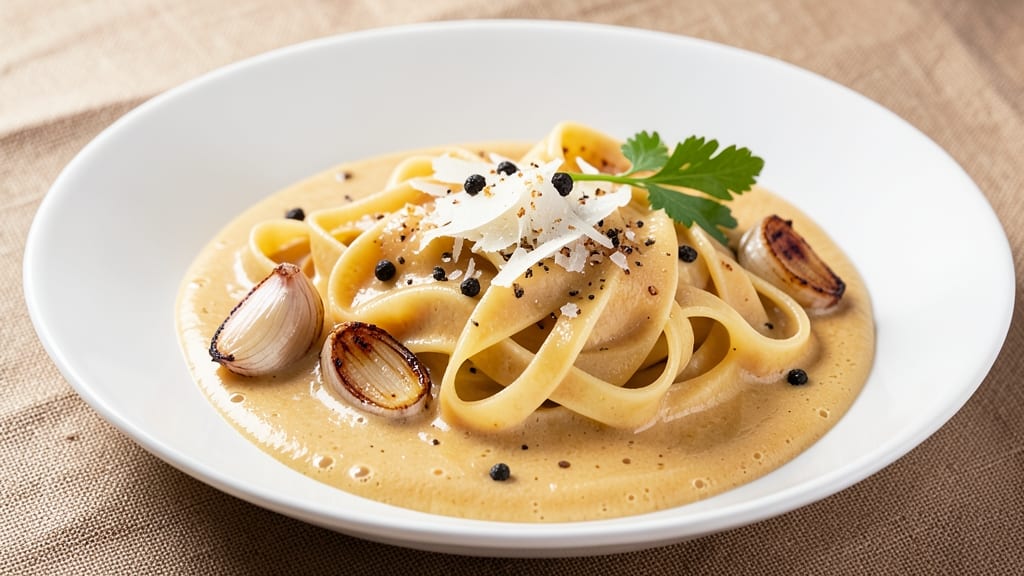
This Gordon Ramsay-inspired alfredo sauce delivers restaurant-quality richness without a single clump—just velvety, buttery silk that clings perfectly to fettuccine. The secret lies in tempering the cheese properly and emulsifying the sauce at the right moment, a technique Ramsay himself swears by for professional results.
What sets this recipe apart is how it balances creamy texture with bold parmesan flavor, creating a sauce that's both luxurious and foolproof.
The foundation starts with equal parts butter and heavy cream, simmered until just before boiling to create a smooth base. Freshly grated parmesan—never pre-shredded—melts into the sauce gradually, while a touch of garlic and nutmeg adds depth. The key move?
Whisking constantly as you add the cheese to prevent lumps, then finishing with a splash of pasta water to create that signature silky consistency. This isn't just any alfredo—it's the kind that makes you question why you ever bought store-bought.
By the time you twirl that first forkful, you'll taste why this sauce earns its reputation: creamy yet light, with a parmesan richness that coats every strand of pasta.
The sauce thickens just enough to cling beautifully without being gluey, and the garlic-nutmeg undertones elevate it beyond basic Alfredo territory. Whether you're serving it over fettuccine, chicken, or vegetables, this sauce transforms ordinary meals into something special.
For maximum flavor, make it fresh and serve immediately—though leftovers reheat beautifully with a splash of cream. The technique is simple but precise, making it perfect for home cooks who want restaurant-quality results without the fuss. Let's get cooking—your taste buds will thank you.
Ingredients for alfredo sauce recipe gordon ramsay
Eight essential ingredients for velvety, restaurant-quality Alfredo that clings beautifully to pasta.
| Ingredient | Amount | Notes |
|---|---|---|
| Unsalted Butter 🧈 | ½ cup | Cold, cubed for tempering |
| Heavy Cream 🥛 | ½ cup | Full-fat for richness |
| Freshly Grated Parmesan Cheese 🧀 | 1 ½ cups | Block, microplane preferred |
| Garlic Cloves 🧄 | 3 cloves | Minced, not powdered |
| Ground Nutmeg 🌿 | ¼ tsp | Freshly grated preferred |
| Freshly Ground Black Pepper 🌶️ | ¼ tsp | Cracked peppercorns preferred |
| Salt 🧂 | ½ tsp | Diamond Crystal preferred |
| Pasta Water 💧 | ¼ cup | Reserved from cooking pasta |
The butter and cream form the sauce's luxurious base—European-style butter melts more smoothly, but any good brand works. Heavy cream must be full-fat; light versions won't create the same silkiness. For the Parmesan, Parmigiano-Reggiano from a wedge is non-negotiable—pre-shredded contains anti-caking agents that cause clumps. I buy mine at Whole Foods or specialty Italian markets where they grate it fresh daily. Garlic should be freshly minced (not jarred) for that bright, aromatic punch that cuts through the richness.
No heavy cream? Half-and-half with an extra tablespoon of butter works in a pinch, though texture will be slightly lighter. Short on Parmesan? Pecorino Romano at a 1:1 ratio adds a sharper bite. Nutmeg is crucial—if you're out, a pinch of cinnamon plus cardamom mimics its warmth. The pasta water isn't just for thinning; it carries starch that helps emulsify the sauce. Save some while cooking your noodles—1/4 cup is plenty—and keep it hot until you're ready to use it. For extra depth, toast the garlic in the butter for 30 seconds before adding cream.
This sauce is best made fresh and served immediately, but leftovers reheat beautifully with a splash of warm water or milk to restore creaminess. Store in an airtight container for 3-4 days in the fridge, or freeze for up to 3 months (thaw in the fridge overnight). Pro tip: Divide into ice cube trays before freezing—perfect portions for future meals. The sauce thickens as it cools, so always whisk in a bit of warm water or milk when reheating to restore that signature silkiness.
Why You'll Love This Recipe
- I’ll be real: I always make extra. This sauce reheats like a dream—just a splash of milk or cream to loosen it up—and tastes just as good the next day. Slather it on toast for brunch, drizzle it over roasted veggies, or toss it with eggs. It’s the kind of leftovers people actually ask for.
- Five-Ingredient Magic: I swear by this—just butter, cream, Parmesan, garlic, and nutmeg. That’s it. No fancy reductions or hidden spices. The secret? Freshly grated cheese straight from the block (none of that pre-shredded nonsense) melts into something velvety, and the nutmeg cuts through the richness like a whisper.
- Weeknight Hero: Between us, this is my go-to when I’ve got pasta on the stove and 20 minutes to spare. The garlic gets a quick sizzle in butter until it’s fragrant but not burnt (yes, I’ve learned the hard way), then the cream and cheese transform it into something restaurant-worthy. No waiting, no stress—just satisfaction.
- Leftovers That Lie: I’ll be real: I always make extra. This sauce reheats like a dream—just a splash of milk or cream to loosen it up—and tastes just as good the next day. Slather it on toast for brunch, drizzle it over roasted veggies, or toss it with eggs. It’s the kind of leftovers people actually ask for.
Step-by-step instructions for Gordon Ramsay's Alfredo sauce
Here's how to make velvety, lump-free Alfredo sauce that rivals any restaurant version.
Melt Butter and Infuse with Garlic
Place a heavy-bottomed saucepan over medium-low heat and add the 0.5 cup unsalted butter, cut into small cubes. Let it melt slowly, stirring occasionally, until it turns a pale golden color and small bubbles form around the edges. This should take about 3-4 minutes—don't rush it.
Add the 3 cloves minced garlic cloves and cook for another 30 seconds until fragrant but not browned. Garlic burns quickly, so keep a close eye on it. The butter should smell nutty and rich, with a subtle garlic aroma. Remove the pan from heat immediately after the garlic is fragrant to prevent burning.
Temper the Sauce with Cream
Return the pan to medium-low heat and slowly pour in the 0.5 cup heavy cream, whisking constantly to prevent scorching. Bring the mixture to a gentle simmer, then reduce heat to low and let it cook for 3-4 minutes until slightly thickened but still pourable.
This gradual heating is crucial—it prevents the cream from curdling and ensures a smooth, silky texture. You'll know it's ready when the sauce coats the back of a spoon and leaves a slight trail. If it starts to bubble too vigorously, reduce the heat immediately to maintain control.
Incorporate Parmesan Gradually
Remove the pan from heat and add the 1.5 cups freshly grated Parmesan cheese in three additions, whisking vigorously after each addition. Start with about ½ cup at a time, letting each batch melt completely before adding the next. This gradual approach prevents clumping and ensures a perfectly smooth sauce.
Return the pan to low heat and continue whisking for 2-3 minutes until the cheese is fully melted and the sauce is homogeneous. The sauce should now be thick and glossy, with a rich, cheesy aroma. If you see any lumps forming, strain the sauce through a fine-mesh sieve to achieve that restaurant-quality silkiness.
Season and Adjust Consistency
Add the 0.5 tsp salt, 0.25 tsp freshly ground black pepper, and 0.25 tsp ground nutmeg, whisking well to combine. Taste and adjust seasoning if needed—Alfredo sauce should be rich, salty, and slightly peppery, with a hint of nutmeg warmth.
If the sauce is too thick, whisk in 1 tablespoon at a time of the reserved 0.25 cup pasta water until you reach your desired consistency. The sauce should coat the back of a spoon but still be pourable. For an extra-luxurious finish, add a splash of pasta water to the serving dish before tossing in the pasta.
Finish and Serve Immediately
Remove the sauce from heat and let it rest for 2-3 minutes to thicken slightly. This resting period allows the flavors to meld and the sauce to reach peak consistency. Taste one final time and adjust seasoning if necessary.
Serve immediately over freshly cooked pasta, tossing gently to coat each strand evenly. The sauce should cling beautifully to the pasta, creating a luxurious, cheesy coating with every bite. For best results, use the sauce within 30 minutes—it thickens as it cools, so reheat with a splash of pasta water or heavy cream if needed.
Pro Tips For Making Alfredo Sauce Recipe Gordon Ramsay
- Melt Butter Slowly: Start with medium-low heat—high heat burns butter before it even melts, and you’ll end up with a bitter, browned mess instead of that silky base. I learned this the hard way after ruining three batches with a pan that looked like it was on fire before the butter even turned liquid.
- Grind Your Own Garlic: Skip the minced jar—it’s waterlogged and dull. Use a microplane or crush fresh cloves with the flat side of your knife first, then let them sit for 10 minutes before adding. The flavor is sharper, and the sauce won’t taste like garlic powder.
- Strain That Cheese: Parmesan clumps make the sauce grainy, no matter how much you stir. After mixing in the cheese, strain the sauce through a fine-mesh sieve into a clean bowl. Yes, it’s extra work, but your sauce will look and taste like it came from a Michelin-starred kitchen.
- Finish with Cold Cream: Let the heavy cream cool slightly before adding it to the butter—room temp cream makes the sauce split if you’re not careful. I was skeptical until I tried it: the sauce stays smooth, and you avoid that dreaded curdled texture.
Wine and beer pairings for this recipe
White Wine Pairings
For this rich, buttery Alfredo, I reach for Italian whites that match its creamy depth. A dry Vermentino from Sardinia is my go-to—its crisp acidity and citrus notes cut through the sauce's richness beautifully. The mineral finish cleanses your palate between bites, making each forkful taste even more luxurious. 🍷
If you prefer something lighter, Pinot Grigio from Alto Adige offers a bright, floral profile that complements the nutmeg and garlic without overpowering. Avoid oaky whites like Chardonnay—they'll clash with the sauce's delicate balance.
Serve both wines slightly chilled (45-50°F) to enhance their refreshing qualities against the warm Alfredo.
Beer Pairings
A crisp Italian lager like Peroni or Moretti is the perfect beer match—its subtle malt sweetness and effervescence balance the sauce's richness. The light body won't compete with the dish, but rather enhance the creamy texture.
For craft beer lovers, a Belgian witbier (like Hoegaarden) adds a citrusy brightness that mirrors the garlic and nutmeg in the sauce. 🍺
If you're serving Alfredo with chicken or seafood, opt for a pilsner—its clean, herbal notes provide contrast. Avoid heavy stouts or IPAs, which would overpower the delicate flavors. For maximum enjoyment, chill your beer to 40-45°F to highlight its refreshing qualities against the warm sauce.
Unexpected Pairings
For a bold twist, try pairing this Alfredo with sparkling wine—a Prosecco or Cava adds effervescence that cuts through the richness. The bubbles create a fun, celebratory contrast to the creamy sauce.
I've also enjoyed it with a dry Riesling, where the wine's slight sweetness and acidity complement the nutmeg and Parmesan. 🥂
For non-alcoholic options, a sparkling apple cider (like Martinelli's) or ginger beer (like Feani) brings refreshing acidity that balances the sauce's richness. These pairings work especially well for family meals or when you want to keep things light and refreshing.
Nutrition facts
Frequently asked questions
Why does Gordon Ramsay's Alfredo sauce stay so smooth?
The secret is in the gradual melting of Parmesan off the heat and constant whisking. Adding cheese in three batches prevents clumping, while the reserved pasta water acts as a natural emulsifier for that signature silkiness. Never use pre-shredded cheese—the anti-caking agents cause lumps!
Can I make this sauce without heavy cream?
Yes! Substitute with half-and-half plus 1 extra tablespoon butter, though the texture will be slightly lighter. For a dairy-free version, use full-fat coconut milk (canned, not carton) and add 1 tablespoon cornstarch to thicken. The sauce will have a subtle coconut flavor, but still clings beautifully.
What's the best pasta to serve with this sauce?
Gordon Ramsay recommends fettuccine or tagliatelle—their wide, flat surfaces catch the sauce perfectly. For extra drama, try pappardelle or linguine. Avoid thin noodles like spaghetti, as they can't hold the creamy coating. Pro tip: Toss the sauce with the pasta in the pot for maximum flavor transfer!
How do I fix lumps if they form?
Don't panic! Immediately remove from heat and whisk vigorously. For stubborn lumps, strain through a fine-mesh sieve into a clean pot. If the sauce breaks, whisk in 1 tablespoon cold water or milk to re-emulsify. The key is to work quickly—Alfredo sauce is forgiving if you catch issues early.
Can I make this sauce ahead of time?
Fresh is best, but you can prep components in advance: Grate the Parmesan, measure ingredients, and even melt the butter-garlic base. Reheat gently with a splash of warm water or milk—never let it boil. For leftovers, store in an airtight container for 3-4 days or freeze in 1-tablespoon portions for easy reheating.