
Sauces & Condiments
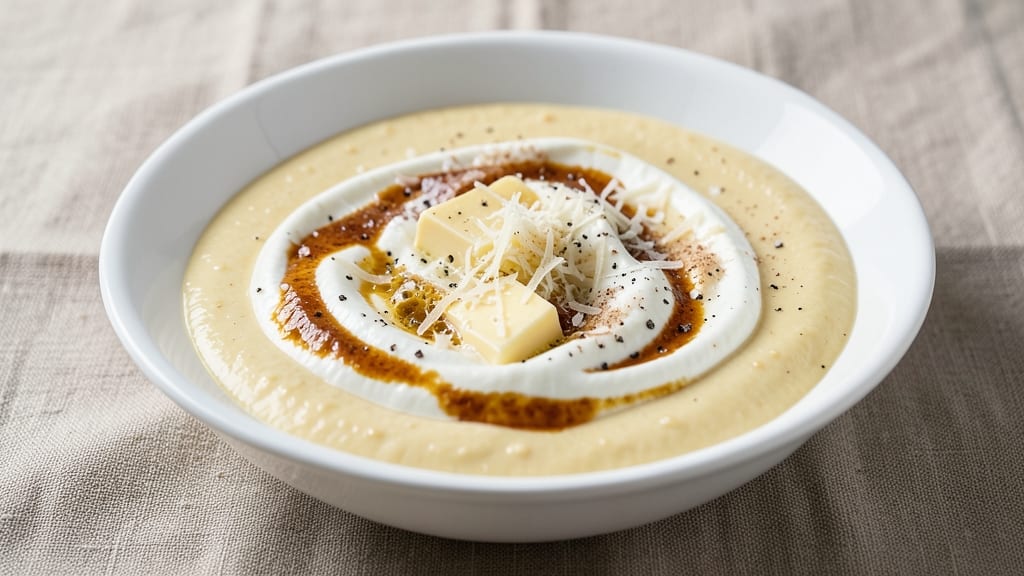
This alfredo sauce recipe for one person transforms any meal into a restaurant-worthy experience without the fuss of making a full batch. The secret lies in balancing rich cream with sharp Parmesan and a touch of garlic—just enough to create that signature velvety texture without clumps or heaviness. I developed this single-serve version after years of perfecting the technique, ensuring every bite delivers that perfect creamy, cheesy, garlicky harmony.
This recipe uses just four simple ingredients—high-quality butter, heavy cream, freshly grated Parmesan, and a pinch of garlic powder—all combined in a small saucepan. The key is patience: letting the sauce simmer gently until it thickens just enough to coat pasta or proteins without turning gluey.
No whisking required—just stir occasionally to avoid lumps, and you'll achieve that silky, restaurant-quality consistency every time.
What makes this sauce stand out is its versatility. Toss it with fettuccine for classic alfredo, drizzle it over grilled chicken or steak, or use it as a creamy dip for crusty bread.
The flavor profile is rich yet balanced, with the sharpness of Parmesan cutting through the creaminess, and the garlic adding depth without overpowering. It’s the kind of sauce that elevates simple ingredients into something extraordinary.
For those with dietary preferences, substitutions are simple: swap heavy cream for coconut milk or cashew cream for a dairy-free version, and use nutritional yeast instead of Parmesan.
The technique remains the same—just adjust the seasoning to taste. Ready in under 10 minutes, this single-serve alfredo is your go-to for quick, elegant meals.
Ingredients for alfredo sauce recipe for one person
Four core ingredients plus two finishing touches—this single-serve alfredo delivers restaurant-quality creaminess in minutes.
| Ingredient | Amount | Notes |
|---|---|---|
| Unsalted Butter 🧈 | 2 tbsp | Cold, cubed for even melting |
| Heavy Whipping Cream 🥛 | ¼ cup | Full-fat for richest texture |
| Freshly Grated Parmesan Cheese 🧀 | ¼ cup | From high-quality wedge, no pre-grated |
| Garlic Powder 🧄 | ¼ tsp | Freshly ground preferred |
| Diamond Crystal Kosher Salt 🧂 | ⅛ tsp | Adjust to taste |
| Freshly Ground Black Pepper 🌶️ | ⅛ tsp | Freshly cracked for best flavor |
| Extra-Virgin Olive Oil 🫒 | 1 tsp | For finishing if needed |
The foundation starts with high-quality unsalted butter—none of that salted nonsense here. Opt for European-style butter like Plugrá or Kerrygold for superior flavor. The heavy cream must be full-fat; anything lighter compromises the velvety texture. For Parmesan, avoid pre-grated—it contains anti-caking agents that prevent proper melting. Instead, grate it yourself from a wedge using the large holes of a box grater. The garlic powder should be freshly ground; store-bought blends often contain fillers that dull the flavor. Every ingredient here matters—don't skimp on quality for a single serving.
No heavy cream? Full-fat coconut milk works beautifully, though the flavor profile shifts slightly. For a dairy-free version, cashew cream (blend soaked cashews with water) replicates the richness. Substituting Parmesan? Nutritional yeast provides a cheesy umami without dairy, though it lacks the same depth. The olive oil is optional but recommended for finishing—it adds a subtle fruity note that balances the richness. If you're using this sauce with seafood, consider adding a pinch of white pepper instead of black for a more refined flavor profile. Always taste as you go; the sauce should be thick enough to coat the back of a spoon but still flow smoothly.
This sauce is best made fresh but reheats beautifully—simmer gently over low heat, stirring frequently, until warmed through. Store leftovers in an airtight container in the refrigerator for up to 3 days, though I rarely have any. For longer storage, freeze in 1-tablespoon portions—thaw overnight in the fridge before using. The sauce thickens as it cools, so thin with a splash of warm milk or water if needed. To prevent clumping, never boil the sauce; maintain a gentle simmer at all times. The secret to perfect alfredo lies in patience and attention to temperature control—rush it, and you'll end up with a gluey mess.
Why You'll Love This Recipe
- No-Fuss Ingredients: I keep a stick of butter, a small tub of cream, and pre-grated Parmesan on hand—no shopping trips, no fancy prep. Honestly, the only measuring I do is eyeballing the salt, and that’s only because I like control.
- Rich Without Effort: That first spoonful of melted butter and cream hitting the pan? Pure satisfaction. The garlic powder adds depth without overpowering, and the Parmesan—freshly grated—turns it from good to "I’ll have seconds."
- Single-Serving Flexibility: Perfect for when I’m craving pasta but don’t want leftovers cluttering the fridge. Or when I’m feeding a guest who’s "picky about portions." Either way, it’s ready in the time it takes to boil water.
- Budget-Friendly Indulgence: A single serving costs me pennies but tastes like a restaurant dish. Between us, I’d rather splurge on good Parmesan than a takeout menu—this delivers the same richness for a fraction of the price.
Step-by-step instructions for single-serve alfredo sauce
Here's the professional method to create velvety, clump-free alfredo every time—perfect for one serving.
Melt the Butter and Infuse the Garlic
Place a small saucepan over medium-low heat and add the 2 tablespoons cold, cubed unsalted butter. Allow it to melt completely, stirring occasionally, until it turns a pale golden color—this should take about 2-3 minutes. The butter should foam gently but not brown.
Once melted, reduce heat to low and add the ¼ teaspoon garlic powder. Stir continuously for 30 seconds to infuse the garlic flavor without burning. The aroma should fill your kitchen—this is where the sauce develops its foundational depth. Keep the heat low to prevent the butter from developing any color or flavor.
Incorporate the Parmesan Gradually
Remove the saucepan from heat and immediately add the ¼ cup freshly grated Parmesan cheese. Using a silicone spatula, stir vigorously in small circles for 1-2 minutes until the cheese melts completely and the mixture becomes smooth. This gradual melting prevents clumping by breaking down the cheese proteins evenly.
I always use a high-quality wedge of Parmesan for this step—pre-grated cheese contains anti-caking agents that can interfere with the sauce's texture. If you notice any small lumps forming, strain the mixture through a fine-mesh sieve to ensure absolute smoothness. The sauce should now have a thick, creamy consistency.
Warm the Cream and Combine
Return the saucepan to medium-low heat and add the ¼ cup heavy whipping cream. Stir gently to warm the cream without boiling it. You'll want the cream to reach just under a simmer—look for small bubbles forming at the edges but not a full boil. This typically takes about 2-3 minutes of gentle stirring.
As the cream warms, the sauce will begin to thicken naturally. If it becomes too thick before you're ready to serve, you can thin it with a splash of warm water or pasta water. The key is to maintain a smooth, velvety texture that clings beautifully to noodles without being overly heavy.
Season and Finish
Remove the saucepan from heat once again and add the ⅛ teaspoon Diamond Crystal kosher salt and ⅛ teaspoon freshly ground black pepper. Stir well to distribute the seasoning evenly. Taste the sauce and adjust the seasoning if needed—this is your final opportunity to perfect the flavor balance.
For an extra layer of richness, drizzle in the 1 teaspoon extra-virgin olive oil and stir gently. The olive oil adds a subtle fruity note that complements the creamy texture. Serve immediately over your choice of pasta or use as a sauce for grilled meats and vegetables. The sauce should be hot but not boiling when served to maintain its silky texture.
Serve Immediately for Best Results
Transfer the sauce to a small serving bowl or directly onto your pasta. The sauce will thicken slightly as it cools, so serve it while still hot for the perfect consistency. If you need to reheat leftovers, do so over low heat and stir constantly to prevent separation or clumping.
This single-serve alfredo delivers restaurant-quality creaminess without the need for heavy cream substitutes or complicated techniques. The secret lies in proper temperature control and gradual ingredient incorporation—both of which ensure a velvety, clump-free sauce every time.
Pro Tips For Making Alfredo Sauce Recipe For One Person
- Melt Butter Slowly: Start with cold butter—drop cubes into your pan over medium-low heat. I learned this the hard way after splattering butter everywhere trying to rush it. Let it melt gradually so the sauce stays smooth and doesn’t separate when you add the cream.
- Use Room-Temp Cream: Take the heavy cream out of the fridge 30 minutes before using—no need to warm it, just let it sit. Cold cream can turn your sauce grainy, and this small step makes all the difference in texture. (Yes, even if you’re impatient like me.)
- Salt in Stages: Add half the salt with the butter, then taste before adding the rest. Unsalted butter and kosher salt are both mild, so you’ll need more than you think—but too much upfront ruins the balance. Adjust as you go.
- Toast the Garlic Powder: Bloom the garlic powder in the butter for 30 seconds before adding cream. It deepens the flavor without overpowering, and it’s the easiest way to make your sauce taste more intentional. Skip this, and you’re just guessing at flavor.
Common mistakes when making this recipe
Overheating the Sauce
This is the #1 mistake that turns creamy Alfredo into a gluey mess. Once the sauce reaches a full boil, the proteins in the cream and cheese break down, creating a thick, rubbery texture.
I’ve ruined more sauces than I’d like to admit by letting them boil—trust me, it’s not pretty. Instead, maintain a gentle simmer with small bubbles at the edges, never a rolling boil. If you see steam rising aggressively, reduce the heat immediately. 🔥
Using Pre-Grated Parmesan
Pre-grated Parmesan contains anti-caking agents (like cellulose powder) that create those dreaded clumps no matter how much you stir. I learned this the hard way after making a perfectly smooth sauce only to have it turn grainy at the end.
Always grate your own cheese using a microplane or box grater with large holes. If you’re in a pinch, opt for Parmigiano-Reggiano—it’s naturally finer and clumps less than standard Parmesan.
Adding Cream Too Quickly
Dumping cold cream into hot butter causes the sauce to separate, creating a greasy, curdled mess. The key is to warm the cream gradually over medium-low heat while stirring constantly. I like to add the cream slowly in 1-tablespoon increments, waiting for each addition to integrate before adding more.
This ensures a silky, homogeneous texture without any separation. Think of it like making a smoothie—you wouldn’t dump all the ingredients in at once, would you?
Skipping the Off-Heat Step
Many recipes call for adding Parmesan directly to the warm butter, but this often leads to uneven melting and clumps. The secret is to remove the pan from heat before adding the cheese. The residual heat is enough to melt it smoothly without risking burning.
I’ve found that stirring vigorously in small circles for 1-2 minutes off the heat ensures the cheese dissolves completely. This step is non-negotiable for a flawless sauce.
Ignoring Temperature Control
Low and slow is the golden rule for Alfredo sauce. Using high heat causes the butter to brown and the cream to curdle, ruining the delicate balance of flavors. Always start on medium-low and adjust as needed.
If your sauce isn’t thickening quickly enough, increase the heat slightly—but never let it boil. A thermometer can help here; ideal sauce temperature is 170-180°F. This might seem like overkill, but it’s the difference between a restaurant-quality sauce and a sad, lumpy disappointment.
Over-Salting or Under-Seasoning
Parmesan is already salty, so adding too much extra salt can make your sauce taste flat and one-dimensional. I recommend tasting the sauce before adding salt—you might be surprised how much flavor the cheese and cream already provide.
If it needs more seasoning, start with pinches of salt and adjust gradually. And don’t forget the pepper! A fresh crack of black pepper adds a bright, aromatic finish that balances the richness. Trust your taste buds—they’re the final judge of whether your sauce is perfect or needs work. ✨
Nutrition facts
Frequently asked questions
Can I make this sauce without heavy cream?
Yes! For a lighter version, substitute ¼ cup full-fat coconut milk or cashew cream (blend 2 soaked cashews with 2 tbsp water). The texture will be slightly thinner but still creamy. For extra richness, add 1 tsp cream cheese to help bind the sauce. Taste and adjust seasoning—coconut milk adds a subtle sweetness that needs balancing with a pinch more salt.
How do I prevent clumps in my single-serve alfredo?
Three key steps: 1) Always grate your own Parmesan (no pre-grated cheese!). 2) Remove the pan from heat before adding cheese—stir vigorously off-heat for 1-2 minutes using a silicone spatula. 3) Warm the cream gradually over medium-low heat while stirring constantly. If clumps appear, strain through a fine-mesh sieve or whisk vigorously with a splash of warm water.
Can I use this sauce for dishes other than pasta?
This versatile sauce works beautifully as a dipping sauce for crusty bread or veggie sticks, a topping for grilled chicken or steak, or even a creamy seafood sauce. For seafood, replace black pepper with white pepper and add a pinch of nutmeg for a more refined flavor. The sauce also pairs well with roasted vegetables or as a creamy base for stuffed shells.
Why does my sauce get too thick after cooling?
Alfredo sauce naturally thickens as it cools—this is normal! To adjust, thin with 1-2 tsp warm water, milk, or pasta water while reheating. For immediate use, maintain a gentle simmer (not boil) until the sauce reaches your desired consistency. If you prefer a thinner sauce when served, remove it from heat slightly earlier. The ideal serving temperature is 170-180°F—this ensures creamy texture without glueiness.
What’s the best way to store leftovers?
Store in an airtight container in the fridge for up to 3 days. For longer storage, freeze in 1-tablespoon portions—thaw overnight in the fridge before using. When reheating, warm over low heat while stirring constantly to prevent separation. Never microwave—it causes uneven heating and potential clumping. If the sauce thickens too much after reheating, thin with a splash of warm water or milk.