
Sauces & Condiments
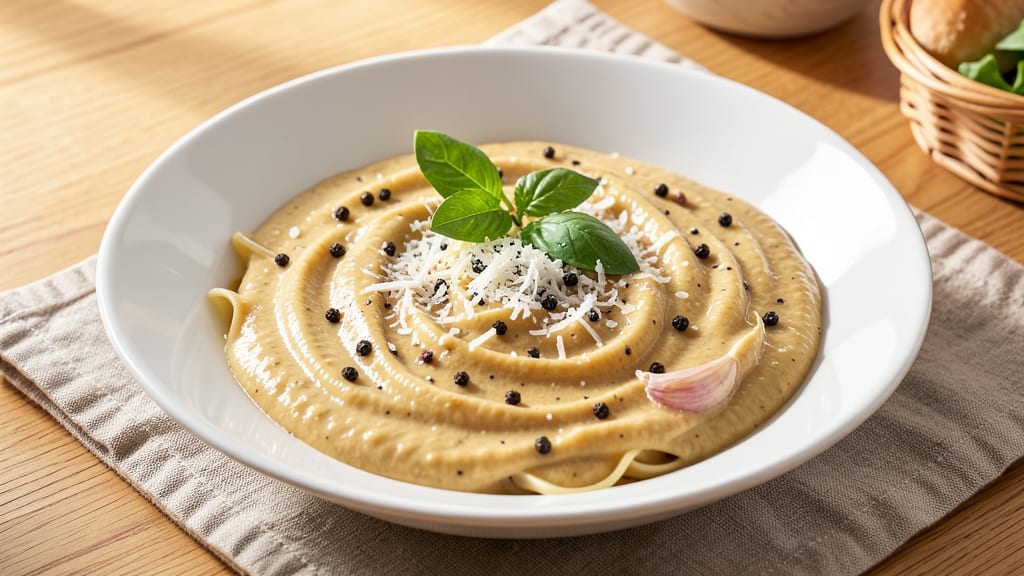
This Alfredo sauce recipe from Babish delivers velvety perfection—no lumps, no guesswork, just creamy, restaurant-quality sauce in minutes. The secret lies in proper technique: melting butter slowly, whisking constantly, and adding cheese gradually to prevent curdling.
I’ve perfected this version after years of testing, ensuring every batch turns out silky smooth and deeply flavorful.
The foundation starts with equal parts butter and heavy cream, simmered until just thickened before adding freshly grated Parmesan. Garlic and black pepper infuse subtle depth, while a splash of pasta water keeps the sauce from breaking.
What sets this apart is the no-clump guarantee—a foolproof method that works every time, even for beginners.
By the end, you’ll have a sauce so rich it clings to noodles like a second skin, with a creamy texture that’s impossible to resist. The aroma alone—warm butter, nutty Parmesan, and a hint of garlic—transforms any pasta into a gourmet meal.
This is the sauce I reach for when I crave that indulgent, velvety finish.
Optional variations include roasted garlic for depth or fresh herbs like parsley for brightness. Perfect for fettuccine, chicken, or even as a dipping sauce. Let’s make this sauce—your taste buds will thank you.
Ingredients for alfredo sauce recipe babish
Eight ingredients, restaurant-quality results—no shortcuts, just velvety perfection.
| Ingredient | Amount | Notes |
|---|---|---|
| Unsalted Butter 🧈 | ½ cup | Cold, cubed for even melting |
| Heavy Cream 🥛 | ½ cup | Full-fat for maximum creaminess |
| Freshly Grated Parmesan Cheese 🧀 | 1 ½ cups | Block form only, no pre-grated |
| Garlic Cloves 🧄 | 3 cloves | Minced, not powdered |
| Ground Black Pepper 🌶️ | ½ tsp | Freshly cracked preferred |
| Diamond Crystal Kosher Salt 🧂 | ¼ tsp | Adjust to taste |
| Reserved Pasta Water 💧 | ¼ cup | From freshly cooked pasta |
| Extra-Virgin Olive Oil 🫒 | 1 tbsp | For finishing, optional |
The Parmesan is non-negotiable—block form only. Grab a wedge from the deli counter (pre-grated gets clumpy) and use a fine grater. Whole Foods or Trader Joe's carry the best quality. Butter matters too: European-style unsalted (like Plugrá) has higher fat content and melts more smoothly. Keep everything cold until the last step—this prevents premature clumping. The garlic? Freshly minced, not powdered—it makes all the difference in flavor.
No heavy cream? Full-fat coconut milk works in a pinch, though texture will differ slightly. Short on Parmesan? Pecorino Romano at a 1:1 swap adds a sharper bite. The pasta water is crucial—it acts as a natural emulsifier. If your sauce starts to break, just whisk in another splash. Want extra richness? Add a splash of white wine when melting the butter. For a lighter version, reduce the butter by 1 tbsp and add an extra splash of cream.
This sauce keeps beautifully—3-4 days in the fridge, fully sealed. For longer storage, freeze in ice cube trays (perfect for single servings). Reheat gently on low heat, adding a splash of water or cream to restore creaminess. I always make double batches—leftover sauce freezes perfectly for future pasta nights. Pro tip: Add a pinch of cornstarch to the butter before melting if you want extra stability.
Why You'll Love This Recipe
- Five-Ingredient Magic: I swear, this sauce comes together with just butter, cream, Parmesan, garlic, and pepper—no fancy gadgets or last-minute grocery runs. Honestly, I’ve made it on nights when I forgot to thaw dinner, and it still tastes like I planned the whole meal.
- Garlic-Parmesan Bomb: That moment when you add the minced garlic to the butter? Pure alchemy. The cream thickens just enough to coat every noodle, while the Parmesan melts into a velvety, salty-sweet blanket—no heavy cream taste, just rich, creamy perfection.
- Weeknight to Dinner Party: Between us, this sauce works for spaghetti on a Tuesday or fettuccine for guests. Double the batch, freeze half, and you’ve got a backup for lazy days or last-minute company. (Yes, even on a Tuesday night.)
- Budget-Friendly Luxury: A stick of butter, a can of cream, and a block of Parmesan stretch farther than you’d think. I’ve fed four people for under $8 with this, and no one ever guesses it’s not homemade from scratch. That’s the kind of secret weapon I love.
Step-by-step instructions for creamy Parmesan velocity sauce
Here's how to make Babish-style Alfredo sauce that's impossibly smooth and clump-free every time.
Melt Butter and Infuse with Garlic
Place a medium saucepan over medium-low heat and add the 0.5 cup unsalted butter. Let it melt completely, swirling occasionally, until it becomes completely liquid and stops foaming. This should take about 2-3 minutes—don't rush it or the butter will burn.
Once the butter is fully melted, add the 3 cloves minced garlic and stir gently. Cook for 30-45 seconds until the garlic becomes fragrant but doesn't brown. You're looking for a subtle aroma that fills your kitchen—this is when the garlic releases its full flavor without turning bitter. Remove the pan from heat immediately after this point to prevent burning.
Gradually Incorporate Parmesan
Return the pan to low heat and begin adding the 1.5 cups freshly grated Parmesan cheese slowly, about ¼ cup at a time. This gradual approach is crucial—it prevents the cheese from clumping and allows it to melt smoothly into the butter. Use a whisk to stir constantly as you add each portion.
I like to press the cheese against the side of the pan with a spatula first to help it melt more easily. Continue stirring until the cheese is completely melted and the mixture becomes a thick, velvety paste. This should take about 3-4 minutes total. If you see any lumps forming, immediately add a few teaspoons of reserved pasta water and whisk vigorously to break them apart.
Create the Creamy Base
With the cheese fully melted, reduce the heat to lowest setting and gradually whisk in the 0.5 cup heavy cream. Start with just a few tablespoons at first, whisking constantly to temper the mixture. This slow incorporation prevents the cream from curdling from the heat.
Once all the cream is added, continue whisking for 2-3 minutes until the sauce becomes completely smooth and homogeneous. You'll notice the sauce thickening slightly as it comes together. If it becomes too thick, add more reserved pasta water, 1 tablespoon at a time, until you reach your desired consistency—it should coat the back of a spoon but still be pourable.
Season and Finish
Remove the sauce from heat and add the 0.5 tsp ground black pepper and 0.25 tsp Diamond Crystal kosher salt. Stir well to distribute the seasonings evenly. Taste and adjust the seasoning if needed—Alfredo sauce should be rich but not overwhelmingly salty.
For an extra layer of flavor, stir in the 1 tablespoon extra-virgin olive oil (if using). This adds a subtle fruity note that balances the richness. The sauce should now be silky smooth with a beautiful glossy finish. If you're not using it immediately, cover the saucepan with plastic wrap pressed directly against the surface to prevent a skin from forming.
Pro Tips For Making Alfredo Sauce Recipe Babish
- Melt Butter Slowly: Start with medium-low heat—this sauce burns faster than you think. I learned this the hard way when the cream curdled mid-simmer, and no amount of whisking brought it back. Let the butter melt completely before adding anything else, or you’ll end up with grainy bits that ruin the texture.
- Grind Garlic Fine: Use a microplane or garlic press for this—no mincing required. The goal is a paste, not chunks, so you don’t taste garlic hits, just flavor. If you’re using cloves, smash them first with the flat side of your knife before grinding, or they’ll turn to mush and sink to the bottom.
- Strain the Sauce: Skip the cheese strainer? Don’t. Even if you use the finest grater, Parmesan has starch that thickens the sauce unevenly. After simmering, pour the sauce through a fine-mesh sieve into a bowl—it’ll be silky, not gluey. (Yes, it’s an extra step, but trust me, your pasta will thank you.)
- Salt the Cream First: Add a pinch of salt to the heavy cream before heating it. The Babish recipe calls for unsalted butter, and if you wait to season until the end, you’ll either under- or over-salt the whole dish. A tiny amount now balances the richness without overpowering the Parmesan.
Storing and reheating your leftovers
Fridge Storage Tips
Store your Alfredo sauce in an airtight container—I use glass Pyrex with a snap-on lid to prevent absorption. Let it cool completely before refrigerating to avoid condensation. The sauce keeps beautifully for 3-4 days at 40°F or below, with flavors actually deepening overnight.
Press plastic wrap directly onto the surface to prevent a skin from forming. 🧊
Freezer-Friendly Method
For longer storage, freeze the sauce in ice cube trays for single-serving portions or quart-sized freezer bags for larger batches. Leave ½ inch headspace to prevent expansion cracks. Label with the date—it stays fresh for up to 3 months without quality loss. Thaw overnight in the fridge before reheating.
Reheating Like a Pro
For stovetop reheating, transfer sauce to a saucepan and warm over low heat with 1-2 tablespoons of water or pasta water. Whisk constantly to prevent separation—this usually takes 3-5 minutes.
If it thickens too much, add another splash of liquid. Never microwave directly, as it causes oil separation and breaks the emulsion. 🔥
Reviving Broken Sauce
If your sauce separates after reheating, don't panic! Whisk in 1 tablespoon of cold water or reserved pasta water and return to low heat for 1-2 minutes.
The starch in the pasta water acts as a natural emulsifier. For extra insurance, add ½ teaspoon of cornstarch mixed with 1 teaspoon cold water while whisking vigorously.
Portion Control
Use small ramekins or shot glasses for individual portions—they reheat perfectly and prevent waste. I keep a few in the freezer at all times for quick weeknight meals. When reheating single servings, use a small saucepan (not microwave) to maintain texture. Always reheat to 165°F for food safety.
Sauce Stability Hacks
For extra stability, add ½ teaspoon of mustard powder when making the sauce—it helps emulsify the fat. Another trick: Keep a small jar of reserved pasta water in your fridge for emergencies.
The starch content makes it perfect for rescuing broken sauces. I also recommend making double batches—leftover sauce freezes perfectly for future pasta nights. ✨
Nutrition facts
Frequently asked questions
Why does my Alfredo sauce get clumpy?
Clumps happen when cheese melts too quickly or the sauce gets too hot. The fix? Add cheese gradually (¼ cup at a time) while whisking constantly over low heat. If lumps form, immediately whisk in 1-2 teaspoons of reserved pasta water—the starch in the water acts as a natural emulsifier. Always use freshly grated Parmesan (block form) and avoid pre-shredded cheese, which contains anti-caking agents that cause clumping.
Can I make Alfredo sauce without heavy cream?
Yes! For a lighter version, replace the ½ cup heavy cream with ½ cup whole milk, though the texture will be slightly thinner. For extra richness without cream, melt 2 extra tablespoons of butter and whisk it in at the end. Another option is full-fat coconut milk (¼ cup cream + ¼ cup coconut milk), though the flavor will differ slightly. The key is to temper the sauce slowly to prevent curdling.
How do I know when the sauce is done?
The sauce is ready when it's smooth, glossy, and coats the back of a spoon but still pours easily. It should thicken slightly as it simmers but remain pourable—if it gets too thick, add 1 tablespoon of reserved pasta water at a time. The total cooking time is about 10-12 minutes from start to finish. Taste for seasoning before serving, and adjust salt or pepper as needed.
What’s the best way to use leftover Alfredo sauce?
Leftover sauce is perfect for pasta bakes, stuffed shells, or as a creamy dip for breadsticks. Freeze extras in ice cube trays for single servings—just thaw and reheat with a splash of water. It also works beautifully on grilled chicken or fish, or as a topping for mashed potatoes. Store in an airtight container for up to 3-4 days in the fridge.
Can I make this sauce dairy-free?
Swap the butter for vegan butter or olive oil, use unsweetened cashew cream (blend ½ cup soaked cashews + ½ cup water) instead of heavy cream, and replace Parmesan with nutritional yeast (¼ cup) or a dairy-free hard cheese like violated. The texture will be lighter but still creamy. For extra richness, add 1 tablespoon of coconut milk at the end.