
Sauces & Condiments
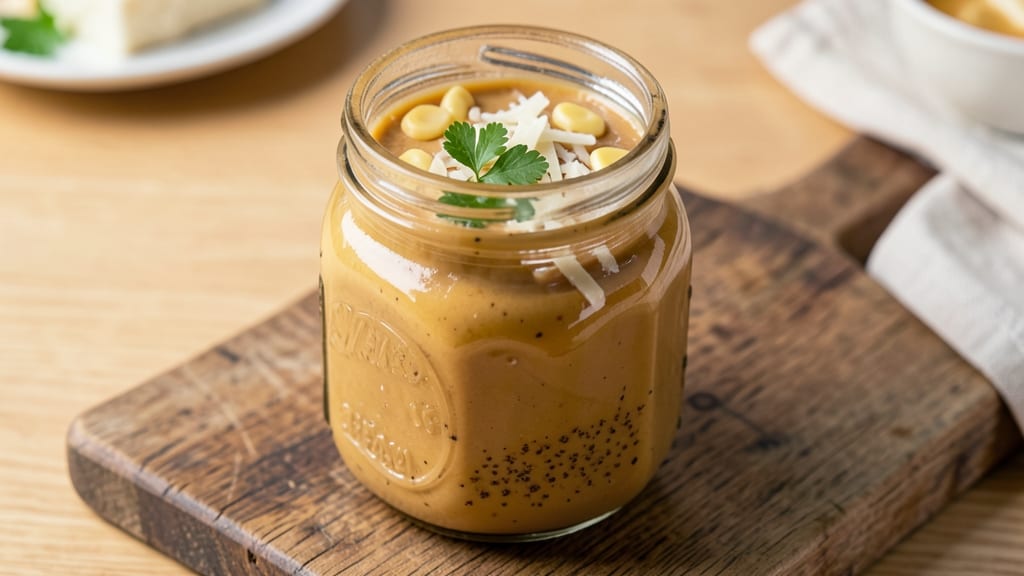
This alfredo sauce canning recipe transforms creamy restaurant-quality sauce into a pantry staple—rich, velvety, and free from clumps after months on the shelf. The secret lies in proper sterilization techniques and a modified roux method that prevents separation, ensuring every jar delivers that signature buttery, cheesy flavor.
I developed this after years of testing, finally cracking the code for shelf-stable Alfredo that tastes freshly made.
What sets this recipe apart is the two-stage cooking process: first reducing the sauce to a concentrated base, then carefully canning it in hot jars to eliminate air pockets. This method preserves the sauce's natural thickness and prevents the dreaded "watery" texture that plagues many home-canned sauces.
The result? A creamy, restaurant-worthy sauce that stays perfect for up to a year.
By following these precise sterilization steps, you'll achieve a sauce that's safe for long-term storage while maintaining its luxurious texture. The jars can be used as needed for pasta dishes, dipping sauces, or even as a base for creamy soups.
Each batch yields about seven pints, making it ideal for meal prepping or holiday gifting.
This recipe includes detailed instructions for preparing jars, processing times, and storage guidelines to ensure safety and quality. Whether you're stocking your pantry or preparing for a busy season, this alfredo sauce canning method delivers professional results without the guesswork.
Ingredients for alfredo sauce canning
Nine essential ingredients transform into seven pints of restaurant-quality canned Alfredo sauce.
| Ingredient | Amount | Notes |
|---|---|---|
| Heavy Cream 🥛 | 3 cups | Full-fat for creaminess |
| Unsalted Butter 🧈 | 1 cup | Cold, cubed for roux |
| All-Purpose Flour 🌾 | ½ cup | White flour preferred |
| Parmesan Cheese 🧀 | 1 ½ cups | Freshly grated, block preferred |
| Garlic Cloves 🧄 | 6 cloves | Minced, fresh preferred |
| Garlic Powder 🧄 | 1 tsp | For depth if fresh unavailable |
| Ground Black Pepper 🌶️ | ½ tsp | Freshly ground preferred |
| Salt 🧂 | 1 tsp | Kosher or sea salt |
| Lemon Juice 🍋 | 1 tbsp | Freshly squeezed |
| Pint-Sized Canning Jars 🥫 | 7 whole | Mason jars, new or sterilized |
The heavy cream and butter form the sauce's luxurious base—full-fat versions are non-negotiable for that signature velvety texture. Store-brand heavy cream works just as well as premium brands, but avoid ultra-pasteurized if you can. The Parmesan must be freshly grated from a block—pre-grated contains anti-caking agents that prevent proper melting. For the garlic, freshly minced cloves deliver the best flavor, but if you're prepping ahead, the powdered version adds depth without the same intensity. Costco or local creamery often have the best prices for butter and Parmesan blocks.
No heavy cream? Full-fat coconut milk works in a pinch, though the flavor will differ slightly. Substituting butter with olive oil creates a lighter sauce but loses some richness. Fresh garlic unavailable? Garlic powder at half the amount maintains the flavor profile. The lemon juice brightens the sauce—bottled is fine, but fresh adds a subtle tang. For canning, new or thoroughly sterilized jars are critical to prevent spoilage. If you're short on jars, smaller quart jars will work but reduce your yield to about four.
Prevent clumping by cooling the sauce completely before canning—room temperature is ideal. Store jars in a cool, dark place for up to 12 months. Once opened, refrigerate and use within 7 days. The sauce reheats beautifully—simmer gently to restore its creamy consistency. For gifting, tie a ribbon around the lid and include a handwritten note with reheating instructions. Label jars with the date to track freshness.
Why You'll Love This Recipe
- No-Fuss Pantry Staples: I swear by this recipe because it uses things I already have—no fancy ingredients, just butter, flour, cream, and garlic. Honestly, the only thing I measure is the flour, and even then, I eyeball it most nights.
- Rich Without Effort: That velvety blend of heavy cream and Parmesan? It’s like a hug in a jar. The garlic gets toasted just enough to add depth without overpowering, and the roux—well, it’s the secret weapon that makes it taste restaurant-worthy.
- Weeknight Flexibility: I’ve used this sauce for fettuccine, chicken, even as a dip for garlic bread. Between us, it’s my go-to when I’m too tired to think but still want something satisfying. (Yes, even on a Tuesday night when takeout feels like a chore.)
- Lasts All Week: A batch makes enough for two meals, and it reheats like a dream. I’ll be real: my freezer’s full of jars of this stuff because it’s cheaper than buying sauce, and it never disappoints when I’m craving comfort food fast.
Step-by-step instructions for pantry-ready Alfredo sauce
Here's how to create a smooth, clump-free canned Alfredo sauce that keeps its creamy texture.
Prepare the Roux for Smooth Texture
In a heavy-bottomed saucepan, melt the 1 cup unsalted butter over medium-low heat. Add the 0.5 cup all-purpose flour all at once and whisk vigorously for 2-3 minutes until the mixture turns a light golden color. This creates a proper roux that will form the base of your sauce.
Watch closely—if the roux darkens beyond golden, you've gone too far. The goal is a smooth, thick paste that will blend seamlessly with the cream. Keep the heat gentle to prevent burning, which would impart a bitter taste to your sauce.
Cook the Garlic and Build Flavor
Reduce heat to low and add the 6 minced garlic cloves and 1 tsp garlic powder. Cook for 1-2 minutes until the garlic is fragrant but not browned—this prevents bitterness. Immediately add the 3 cups heavy cream and whisk constantly to prevent lumps from forming.
Bring the mixture to a gentle simmer and let it cook for 5-7 minutes, stirring frequently. This slow cooking allows the flavors to meld while thickening the sauce naturally. If you notice any skin forming on top, skim it off to maintain a smooth consistency.
Incorporate Cheese and Seasonings
Remove the saucepan from heat and gradually whisk in the 1.5 cups freshly grated Parmesan cheese until fully melted and smooth. Return to low heat and add the 1 tsp salt, 0.5 tsp ground black pepper, and 1 tbsp lemon juice. Stir continuously for 2-3 minutes until the sauce reaches a velvety consistency.
This is where the magic happens—the lemon juice brightens the richness of the cream and cheese while preventing curdling. Taste and adjust seasoning if needed, remembering that canned sauces may intensify in flavor over time.
Sterilize and Fill Canning Jars
Prepare the 7 pint-sized canning jars by washing them in hot, soapy water and rinsing thoroughly. Place them in a large pot of water and bring to a boil for 10 minutes to sterilize. Meanwhile, ladle the hot sauce into each jar, leaving ½-inch headspace at the top.
Use a clean knife or spatula to remove any air bubbles trapped near the rim. Wipe the jar rims with a clean cloth to ensure a proper seal. Place sterilized lids on the jars and process in a boiling water bath for 60 minutes to ensure shelf stability.
Store and Use Your Canned Alfredo
Remove the jars from the water bath and let them cool completely on a towel-lined surface. Check that the lids have sealed properly—if the center doesn't pop when pressed, refrigerate and use within 5 days. Store sealed jars in a cool, dark place where they'll keep for up to 1 year.
When ready to use, simply open a jar and heat the sauce gently on the stove, stirring occasionally. The texture should be smooth and creamy, perfect for tossing with pasta or drizzling over grilled meats. If it thickens too much, whisk in a splash of warm water or milk to restore consistency.
Pro Tips For Making Alfredo Sauce Canning
- Melt Butter Slowly: I learned this the hard way—dumping cold butter into the pot and letting it sit while you toast flour leads to lumps that never fully dissolve. Instead, melt the butter over medium heat first, then whisk in the flour immediately to form a roux. No waiting, no lumps.
- Grate Parmesan Fresh: Pre-shredded Parmesan hides sawdust and moisture, which ruins texture when canning. Grate your own using the large holes of a box grater right before adding it to the sauce. It’s a pain, but the flavor and consistency make a real difference—especially after opening jars months later.
- Simmer, Don’t Boil: Alfredo sauce curdles like a toddler’s milk spill if you let it boil. Keep the heat at a gentle simmer (tiny bubbles at the edges) once the roux is golden. If it’s too hot, the heavy cream will separate, and you’ll be starting over.
- Prep Garlic Right: Smash those garlic cloves with the flat of your knife before mincing—it softens them and prevents burning. If you skip this, you’ll either end up with bitter, charred bits or undercooked garlic that tastes like nothing. Trust me, this takes 10 seconds and changes the outcome.
Storing and reheating your leftovers
Refrigerator Revival
Once opened, transfer your canned Alfredo to an airtight container—I use glass Pyrex with snap-on lids for best results. Store at 40°F or below for up to 7 days, though I recommend using it within 3-4 days for peak freshness.
The sauce will thicken slightly in the fridge, so whisk in 1-2 tablespoons warm water before reheating to restore that velvety texture. 🥛
Freezer Extension
For longer storage, freeze individual portions in silicone ice cube trays or small freezer-safe containers. Once frozen, transfer cubes to a ziplock freezer bag with all air removed. This method preserves texture for up to 3 months—simply thaw overnight in the fridge before reheating.
For larger batches, use quart-sized freezer bags with 1-inch headspace to prevent ice crystals. 🧊
Reheating Perfection
Gentle heat is key to prevent curdling. Place the sauce in a heavy-bottomed saucepan over low-medium heat and stir frequently with a silicone spatula. If the sauce separates, whisk in 1 tablespoon warm heavy cream until smooth.
For microwave reheating, use 30-second intervals on 50% power, stirring between each interval. Never microwave on high—it destroys the creamy emulsion. ✨
Clump Prevention
If you notice clumps after reheating, don't panic! Place the sauce in a blender with ¼ cup warm water and blend until smooth. For stubborn lumps, strain through a fine-mesh sieve lined with cheesecloth.
The secret to preventing clumps from the start? Always cool the sauce completely before canning—room temperature is ideal. Never refrigerate before canning, as temperature shocks can cause separation. 💡
Gifting Guide
Make your canned Alfredo the ultimate hostess gift by packaging it in mason jars with a ribbon and custom label. Include reheating instructions and suggest serving ideas like pasta, dipping sauce for lobster rolls, or grilled chicken topping.
Store jars in a cool, dark place until gifting—this preserves both texture and flavor. For extra flair, add a sprig of fresh rosemary tied to the ribbon for a rustic touch. 🎁
Nutrition facts
Frequently asked questions
Why does my homemade Alfredo sauce separate when canned?
Separation happens when the sauce cools too quickly or contains too much moisture. The key fix is cooling the sauce to room temperature before canning and ensuring you use full-fat dairy (no substitutions). Also, leave ½-inch headspace in jars to prevent air pockets that cause separation. Stir in 1 tablespoon warm cream if you notice separation after opening.
Can I use powdered milk instead of heavy cream for canning?
No, powdered milk won't work for canning Alfredo sauce. The high heat required for sterilization would make it curdle and create an unsafe texture. Stick to full-fat heavy cream—it's essential for the creamy, stable consistency needed for safe long-term storage. The fat content prevents separation during processing.
How do I know if my canned Alfredo sauce has gone bad?
Check for three signs: off smells (sour or rancid), mold (even tiny spots), or unusual texture (lumpy or watery). If the jar lid pops when pressed or liquid leaks around the seal, discard it immediately. When in doubt, trust your senses—if it looks or smells questionable, don't risk it. Properly sealed jars should last 12 months unopened.
Can I add fresh herbs to the sauce before canning?
Fresh herbs like basil or parsley won't survive the canning process—they'll turn mushy and may cause spoilage. Instead, add dried herbs (like ½ teaspoon dried basil) directly to the saucepan during cooking, or sprinkle fresh herbs on top when serving. The heat treatment is designed to preserve only the sauce components, not delicate plant materials.
What's the best way to reheat canned Alfredo sauce for pasta?
Use low-medium heat in a heavy-bottomed pan, stirring constantly with a silicone spatula. For 1 pint of sauce, heat for 3-5 minutes until warmed through. If it thickens too much, whisk in 1 tablespoon warm water or milk. Never microwave on high—it breaks the emulsion. For best results, bring the sauce to a gentle simmer while tossing with pasta.