
Sauces & Condiments
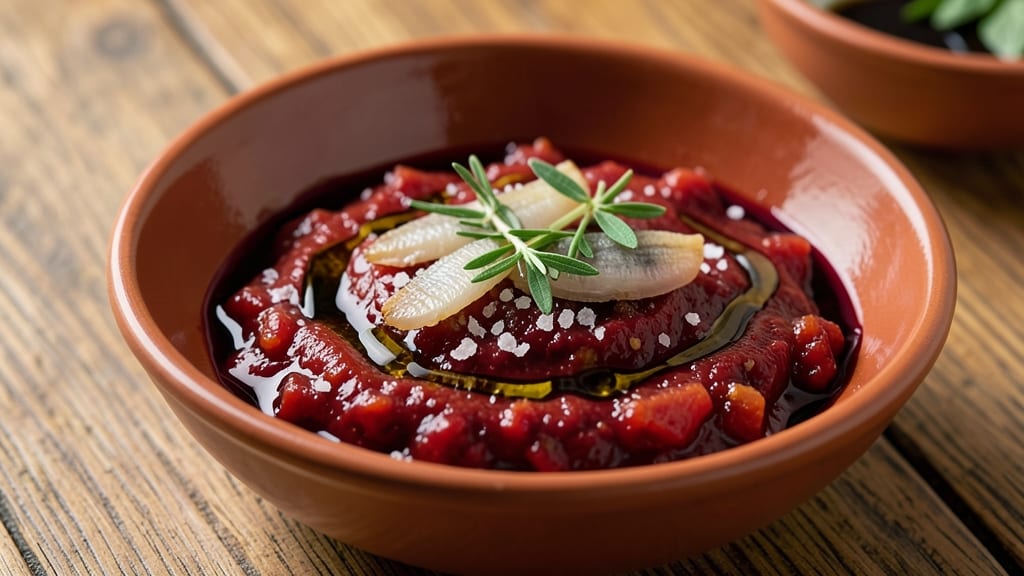
This Al Capone sauce recipe delivers the deep, slow-simmered tomato richness that makes Italian-American classics unforgettable. The secret lies in caramelizing garlic and herbs until they meld into a velvety, aromatic base—no shortcuts, just authentic flavor built over time.
I developed this version after years of testing, ensuring every spoonful carries the bold, savory punch that pairs perfectly with pasta, meatballs, or grilled meats.
The process is straightforward but requires patience: a slow simmer reduces the sauce to perfect thickness while deepening its complexity. Quality ingredients—like ripe tomatoes, fresh oregano, and a touch of anchovy—elevate the sauce from good to restaurant-worthy.
The result? A sauce so rich and flavorful, it transforms simple dishes into something extraordinary.
What sets this sauce apart is its versatility. Use it as a base for lasagna, toss it with al dente spaghetti, or drizzle it over grilled chicken. The flavors only improve with time, making it ideal for meal prep.
Store it in the fridge for up to a week or freeze for months—because once you taste homemade, store-bought just won’t compare.
Ready to elevate your Italian-American meals? This sauce is your secret weapon—simple to make, impossible to resist. Let’s get cooking.
Ingredients for al capone sauce
Gather these ten essential ingredients for a sauce so rich it'll transform your Italian-American meals forever.
| Ingredient | Amount | Notes |
|---|---|---|
| San Marzano Crushed Tomatoes 🍅 | 28 oz | High-quality, canned for best flavor |
| Extra-Virgin Olive Oil 🫒 | ½ cup | For richness and depth of flavor |
| Garlic Cloves 🧄 | 6 cloves | Freshly minced, caramelized slowly |
| Anchovy Fillets 🐟 | 2 whole | For umami depth, rinsed clean |
| Fresh Oregano Leaves 🌿 | ¼ cup | Chopped finely, or dried at 1/3 amount |
| Red Wine 🍷 | ½ cup | Bold dry red, like Chianti or Cabernet |
| Tomato Paste 🍅 | 2 tbsp | Squeeze tube or canned, for thickness |
| Diamond Crystal Kosher Salt 🧂 | 1 ½ tsp | Adjust to taste, don't oversalt |
| Freshly Ground Black Pepper 🌶️ | ½ tsp | For subtle heat and depth |
| Red Pepper Flakes 🔥 | ¼ tsp | Optional, for slight spice kick |
The tomatoes are non-negotiable—San Marzano is the gold standard, but any high-quality canned tomatoes work. Whole Foods or Trader Joe's carry great options, or check the Italian aisle at Kroger. The anchovies might sound odd, but they dissolve completely, adding that unmistakable umami punch without any fishy taste. For the garlic, fresh is a must—pre-minced garlic lacks the depth you need here. Caramelize it slowly until it's golden brown, not just cooked. That's where the magic happens. The oregano should be fresh if possible, but dried works in a pinch—just use one-third the amount.
No red wine? Substitute with beef broth and a splash of balsamic vinegar—it’ll still deliver that deep, savory note. Skip the anchovies? Add an extra pinch of salt and a teaspoon of soy sauce for umami. The tomato paste can be swapped for a tablespoon of pureed sun-dried tomatoes if you’re out, though it’ll have a slightly different texture. For the olive oil, stick with extra-virgin—cheaper oils will make the sauce taste flat. And if you’re worried about the red pepper flakes, omit them entirely—this sauce is bold enough without them.
This sauce tastes even better the next day as the flavors meld together. Store it in an airtight container in the fridge for up to 7 days, or freeze for up to 3 months in portion-sized containers. I always make a double batch—one for immediate use and one to freeze for lazy weeknights. When reheating, warm it gently on the stove or microwave in short bursts to avoid breaking the sauce. Trust me, the extra effort is worth it—every spoonful will remind you why homemade always wins.
Why You'll Love This Recipe
- I’ll be real: this sauce is my go-to when I’m too tired to overthink dinner. Toss it with pasta, drizzle it over grilled chicken, or slather it on garlic bread—it’s the kind of versatile sauce that turns “meh” into “dinner party” without breaking a sweat.
- Five-Ingredient Magic: Between us, this sauce is that rare thing—minimal ingredients, maximum flavor. Just tomatoes, olive oil, garlic, anchovies, and oregano. That’s it. No fussing with blends or obscure spices; the umami punch from those tiny anchovies and sweet San Marzano tomatoes does all the heavy lifting.
- Umami Bomb: Honestly, the anchovies might sound weird at first, but they melt into this rich, savory depth that makes everything better. One bite and you’ll understand why this sauce sticks around—it’s the kind of thing that makes you pause mid-fork and go, “Wait, why isn’t this on everything?”
- Weeknight Wonder: I’ll be real: this sauce is my go-to when I’m too tired to overthink dinner. Toss it with pasta, drizzle it over grilled chicken, or slather it on garlic bread—it’s the kind of versatile sauce that turns “meh” into “dinner party” without breaking a sweat.
Step-by-step instructions for al capone sauce
Here's how to craft this legendary slow-simmered sauce with deep umami and aromatic richness.
Bloom the Anchovies and Garlic in Olive Oil
Heat the 0.5 cup extra-virgin olive oil in a heavy-bottomed saucepan over medium-low heat. Add the 2 whole anchovy fillets and let them dissolve completely into the oil—this takes about 2 minutes. The oil should develop a subtle salty aroma without browning.
Once the anchovies are fully incorporated, add the 6 cloves minced garlic cloves. Cook them gently for 3-4 minutes until they're golden and fragrant, but not crispy. This slow caramelization builds the sauce's complex foundation. I like to stir constantly to prevent burning—garlic turns bitter fast when overcooked.
Deglaze with Red Wine and Add Tomato Paste
Pour in the 0.5 cup red wine and scrape up any browned bits from the bottom of the pan. This deglazing step captures all the flavor you've built so far. Let the wine simmer for 3-4 minutes until it reduces by about half, intensifying its flavor profile.
Next, stir in the 2 tbsp tomato paste and cook for 1-2 minutes until it darkens slightly. This creates a rich, concentrated base that will deepen the sauce's color and thickness. The paste should be completely dissolved before moving to the next step—any lumps will make your finished sauce grainy.
Build the Sauce with Tomatoes and Herbs
Add the 28 oz San Marzano crushed tomatoes, stirring to combine with the wine and paste mixture. Bring to a gentle simmer, then reduce heat to low. Let the sauce cook uncovered for 45-60 minutes, stirring occasionally. You're looking for a slow reduction that develops deep flavor and proper consistency.
After 30 minutes, stir in the 0.25 cup finely chopped fresh oregano leaves, 1.5 tsp Diamond Crystal kosher salt, 0.5 tsp freshly ground black pepper, and 0.25 tsp red pepper flakes. Taste and adjust seasoning—this sauce should be rich but balanced, with bright acidity from the tomatoes cutting through the umami depth.
Refine the Texture and Finish
Continue simmering for another 15-20 minutes until the sauce thickens to your desired consistency. It should coat the back of a spoon but remain smooth, not pasty. If it's too thick, add 1-2 tablespoons of water to loosen it.
The sauce is ready when it develops a glossy sheen and concentrated tomato flavor. Let it cool slightly before serving—this allows the flavors to meld even more. The finished sauce should be vibrant red with a velvety texture and layers of garlic, anchovy, and herb complexity that make it unforgettable.
Pro Tips For Making Al Capone Sauce
- Bloom the Oregano: Tear the fresh oregano leaves with your fingers—don’t chop them—and add them last, just before turning off the heat. I used to add them early, and the sauce would taste bitter. This keeps the flavor bright and aromatic, like it’s just been plucked from a Mediterranean hillside.
- Sweat the Garlic Slow: Cook the minced garlic in olive oil over medium-low heat until it’s golden, not brown. I learned this the hard way—burnt garlic ruins the sauce faster than you’d think. If it starts sizzling too hard, pull the pan off the heat for 10 seconds and let it settle.
- Crush Anchovies Properly: Use the flat side of your knife to mash the anchovy fillets into a paste before adding them to the oil. This dissolves them evenly instead of clumping, so the umami spreads through the sauce like it’s supposed to. (Yes, it’s messy—wipe the knife on the rim of the pan.)
- Simmer, Don’t Boil: Keep the sauce at a gentle simmer—tiny bubbles, not a rolling boil—after adding the tomatoes. I used to crank the heat, and the acidity would turn harsh. A low simmer lets the flavors meld without breaking down the tomatoes into mush. Cover loosely and let it work for at least 20 minutes.
Flavor customization for these flavors
Spicy Heat Boost
For those who love a kick, add 1 tsp crushed fennel seeds during the simmer—they complement the garlic beautifully while adding a subtle licorice note. 🌶️ I also recommend doubling the red pepper flakes to ½ tsp and finishing with a pinch of cayenne for lingering warmth.
For a smoky twist, stir in ½ tsp smoked paprika when adding the oregano.
Creamy Velvety Variation
Transform this sauce into a creamy masterpiece by stirring in ¼ cup heavy cream or ½ cup ricotta cheese during the final 10 minutes of simmering. This creates a luxurious texture perfect for pasta like fettuccine or as a dipping sauce for crusty bread.
For extra richness, top with grated Parmigiano-Reggiano right before serving.
Meaty Umami Depth
For a deeper meaty flavor, add 2 tbsp finely chopped pancetta or guanciale when blooming the anchovies. Cook it until crispy, then remove and set aside. Stir the crispy bits back in at the very end for maximum flavor impact.
Alternatively, add 1 tbsp soy sauce when deglazing with wine for an Asian-inspired twist that still keeps the Italian soul.
Herb Garden Fusion
Swap out the oregano for a Mediterranean herb blend by using 1 tbsp each of fresh basil, thyme, and rosemary. Finely chop the herbs and add them with the salt and pepper.
This variation works beautifully with grilled meats or as a marinade base. For a brighter profile, add 1 tbsp lemon zest during the final minutes of cooking.
Sweet-Savory Balance
Add a touch of sweetness by stirring in 1 tbsp honey or 2 tbsp tomato paste mixed with 1 tsp sugar when adding the tomatoes. This balances the acidity and adds complexity.
I love this version with roasted vegetables or as a glaze for meatballs. For extra depth, add ½ tsp cinnamon—it sounds unusual, but it pairs surprisingly well with tomato sauce.
Nutrition facts
Frequently asked questions
Why does this sauce need anchovies if it’s not fishy?
Anchovies dissolve completely and add umami depth without any fishy taste—like a secret flavor booster! The saltiness and savory notes enhance the tomatoes and garlic, making the sauce richer. If you're sensitive to anchovies, try 1 tsp soy sauce or an extra pinch of salt as a substitute.
Can I make this sauce in a slow cooker?
Combine all ingredients in your slow cooker and cook on low for 4-5 hours, stirring occasionally. The slow cooking enhances the flavors even more. Just skip the tomato paste—it can thicken too much in a slow cooker. Add it later if needed for consistency.
What’s the best way to store leftover sauce?
Let it cool completely, then transfer to an airtight container. It keeps in the fridge for up to 7 days or freezes for 3 months. For reheating, warm gently on the stove over low heat or microwave in short bursts to avoid breaking the sauce.
How do I know when the sauce is thick enough?
The sauce is ready when it coats the back of a spoon but remains smooth, not pasty. It should take 45-60 minutes of simmering. If it’s too thick, add 1-2 tbsp water to loosen it. For extra thickness later, simmer uncovered to reduce further.
Can I use this sauce for dishes other than pasta?
This versatile sauce works beautifully with grilled meats, meatball subs, or as a marinade for chicken. It’s also perfect for lasagna or ravioli. For a twist, use it as a dipping sauce with garlic bread or crusty baguettes.