
Sauces & Condiments
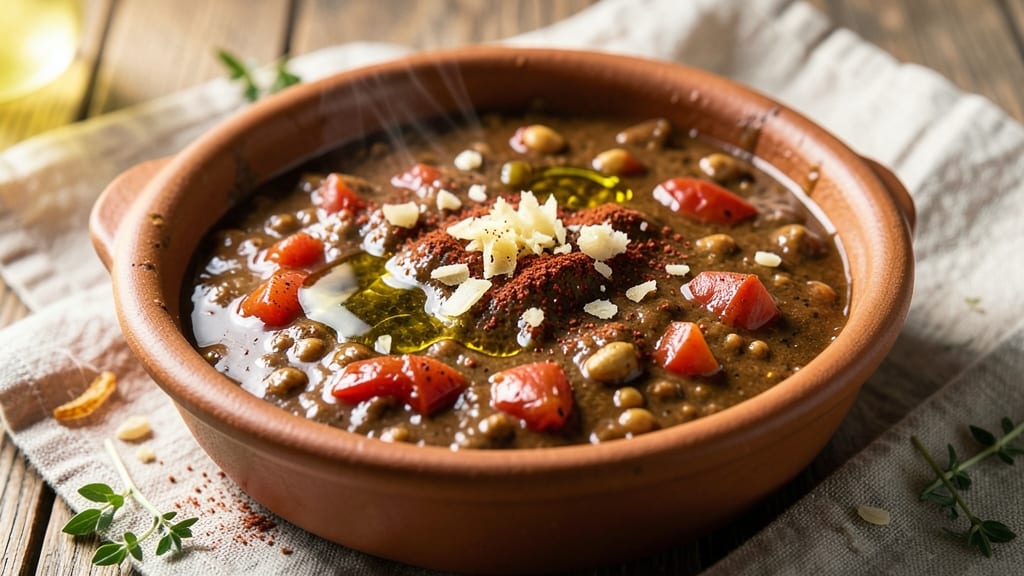
This African sauce recipe transforms one-pot meals into vibrant, flavor-packed experiences with just a few simple ingredients and precise technique. The bold spice blend—ground peanuts, tomatoes, and aromatic spices—creates a rich, complex sauce that elevates grilled meats, stews, and even sides.
I developed this version after years of refining traditional West African flavors, ensuring every spoonful delivers depth without overpowering the dish.
The beauty of this sauce lies in its versatility and simplicity. With just 15 minutes of active prep and 30 minutes of simmering, you’ll have a one-pot sauce that’s restaurant-quality but foolproof at home.
The peanuts add creaminess, while tomatoes and spices like ginger, garlic, and chili powder create a perfect balance of heat and sweetness. It’s the kind of sauce that turns ordinary ingredients into something extraordinary.
What you’ll end up with is a velvety, aromatic sauce that clings to proteins and vegetables, infusing them with layers of flavor. Whether you’re serving it over rice, drizzling it on grilled chicken, or using it as a dip, this sauce brings warmth and richness to every bite.
The best part? It keeps well in the fridge for up to a week, so you can make a big batch and enjoy it all week long.
Perfect for weeknight dinners, meal prep, or special occasions, this African sauce is a game-changer for anyone looking to add bold, authentic flavors to their cooking. Let’s get started—your taste buds will thank you.
Ingredients for african sauce
Peanuts, tomatoes, and aromatic spices create this velvety sauce that transforms ordinary meals into extraordinary experiences.
| Ingredient | Amount | Notes |
|---|---|---|
| Ground Peanuts 🥜 | ½ cup | Natural, unsalted preferred |
| Canned Diced Tomatoes 🍅 | 14 ½ oz | San Marzano if available |
| Extra-Virgin Olive Oil 🫒 | ¼ cup | High-quality, fruity variety |
| Fresh Ginger 🌿 | 2 tbsp | Finely grated, aromatic |
| Garlic Cloves 🧄 | 4 cloves | Peeled, minced finely |
| Dried Chili Powder 🌶️ | 1 tbsp | Medium heat preferred |
| Ground Cumin 🌿 | 1 tsp | Toasted for depth |
| Smoked Paprika 🌶️ | 1 tsp | For smoky richness |
| Diamond Crystal Kosher Salt 🧂 | ½ tsp | Fine grain preferred |
| Black Peppercorns 🌶️ | ¼ tsp | Freshly cracked |
| Fresh Lime Juice 🍋 | 1 tbsp | Bright, freshly squeezed |
| Fresh Cilantro 🌿 | ¼ cup | Chopped, for garnish |
The peanuts are the heart of this sauce—natural, unsalted gives the best flavor, but roasted peanuts work too. Trader Joe's and Whole Foods carry excellent options, or buy them in bulk at Asian markets for better prices. For the tomatoes, San Marzano is ideal—sweeter and less acidic—but any quality canned diced tomatoes will work. Look for brands with no added salt to control the seasoning. The ginger should be fresh, vibrant, and aromatic—if it smells musty, skip it. Penzeys sells pre-grated ginger if you're short on time, but freshly grated makes all the difference.
No ground peanuts? Peanut butter with no added sugar or oil works in a pinch—just measure carefully. Running low on San Marzano? Muir Glen or Del Monte are solid backups. The chili powder can be swapped for cayenne at half the amount if you want more heat. Fresh ginger too strong? Ground ginger at one-third the amount is a decent substitute. For the lime juice, Key Lime adds a unique twist, but regular limes work perfectly. The cilantro is optional but adds that final fresh pop—frozen cilantro works too if you're in a bind.
This sauce keeps beautifully—1 week in the fridge sealed tightly, or 3 months frozen in airtight containers. I like to make a big batch and freeze it in ice cube trays for easy portioning later. The flavors actually deepen over time, so leftovers often taste even better. Reheat gently on low to preserve that velvety texture—no boiling! Store any extra olive oil in a cool, dark place to keep it fresh for months.
Why You'll Love This Recipe
- Pantry Magic: I swear by this sauce because it’s built on ingredients I already have—no last-minute grocery runs. That jar of tomatoes, the peanut butter I keep for sandwiches, and a clove of garlic? Suddenly, dinner’s saved.
- Ginger-Garlic Punch: The moment that fresh ginger and garlic hit the pan in olive oil, my kitchen smells like a West African street market. It’s rich but bright, nutty from the peanuts but zesty enough to wake up any protein you toss in.
- Weeknight to Potluck: This sauce works over rice, with chicken, even as a dip—no fuss. I’ve served it at family dinners and packed it for work lunches, and it’s always the dish that disappears first. (Yes, even on a Tuesday night.)
- Leftovers That Lie: Between us, this sauce tastes better the next day. The flavors meld into something deeper, and it stretches perfectly over rice or pasta. I make double batches just to have it on hand—because reheating it is basically free flavor.
Step-by-step instructions for African sauce recipe
Here's how to create this vibrant, one-pot sauce that delivers deep flavor in minutes.
Bloom the Spices in Olive Oil
Heat the 0.25 cup extra-virgin olive oil in a large, heavy-bottomed pot over medium-low heat. Add the 4 cloves minced garlic cloves and 2 tbsp finely grated fresh ginger, stirring constantly for 1 minute until fragrant but not browned. This step unlocks their full aromatic potential without burning.
Immediately add the 1 tbsp dried chili powder, 1 tsp ground cumin, and 1 tsp smoked paprika, stirring vigorously for 30 seconds to toast the spices. You'll notice the mixture darken slightly and fill your kitchen with an intoxicating earthy aroma. This is the flavor foundation—don't rush it. The spices should be fully integrated and sizzling gently before moving forward.
Incorporate Peanuts and Tomatoes
Reduce heat to low and add the 0.5 cup ground peanuts, stirring constantly for 2 minutes until they begin to lightly brown. This step develops their nutty depth while preventing burning. The peanuts will release their oils, creating a rich base for the sauce.
Pour in the 14.5 oz canned diced tomatoes (with juices) and 0.5 tsp diamond crystal kosher salt, stirring to combine. Bring the mixture to a gentle simmer, then reduce heat to medium-low. Let it cook uncovered for 15 minutes, stirring occasionally, until the tomatoes break down and the sauce thickens slightly. You're looking for a consistency where the sauce coats the back of a spoon but still has some body.
Finish with Acid and Herbs
Add the 1 tbsp fresh lime juice and 0.25 tsp freshly cracked black peppercorns, stirring well to distribute. The acid brightens the flavors while the pepper adds a subtle heat. Let the sauce simmer uncovered for an additional 5 minutes to meld all the ingredients together.
Remove from heat and stir in the 0.25 cup chopped fresh cilantro. Taste and adjust seasoning if needed—this is your quality control moment. The sauce should be vibrant, complex, and balanced between sweet, spicy, smoky, and tangy notes. If it needs more depth, a pinch of salt or another squeeze of lime can perfect it.
Use Immediately or Store
For immediate use, ladle the sauce over grilled chicken, fish, or rice. The sauce's rich texture and layered flavors will elevate any protein. If storing, let it cool completely, then transfer to an airtight container. It keeps in the refrigerator for up to 5 days or can be frozen for 3 months. The flavors actually improve slightly with time as the spices continue to infuse.
This sauce is incredibly versatile—use it as a base for stews, drizzle over roasted vegetables, or serve with flatbreads. The peanut and tomato combination creates a perfect balance of richness and acidity that makes this sauce unforgettable. The one-pot method keeps cleanup minimal while delivering maximum flavor impact.
Pro Tips For Making African Sauce
- Toast Your Peanuts: I learned this the hard way—skipping this step makes the sauce taste flat. Dry-toast the ground peanuts in a clean pan over medium-low heat for 3-4 minutes until they smell nutty (not burnt). This deepens their flavor and prevents that raw-bean taste that ruins the whole dish.
- Blend Ginger-Garlic Paste: Fresh ginger and garlic lose their punch when chopped too early. Pulse them in a food processor with 1 tablespoon of olive oil until it’s a thick, sticky paste—no water needed. This keeps the sauce vibrant and stops it from separating later.
- Simmer, Don’t Boil: After adding the tomatoes and peanuts, keep the heat at a gentle simmer. I used to rush it, and the sauce would split or taste bitter. A slow simmer (5-7 minutes) lets the flavors meld without breaking the peanut oil.
- Strain for Smoothness: No one wants to bite into a chunk of tomato or garlic. After simmering, strain the sauce through a fine-mesh sieve into a clean bowl. It’s a little extra work, but the result is silky—like the difference between homemade and takeout.
Essential equipment for great african sauce
Heavy-Bottomed Pot
This sauce requires a 5-quart heavy-bottomed pot like the All-Clad Stainless Steel or Le Creuset Dutch Oven to prevent scorching. The thick peanut-tomato base can stick if you use nonstick—trust me, I’ve learned this the hard way!
A Lodge cast iron skillet works too if you’re cooking for smaller batches. Avoid thin aluminum pots—they heat unevenly and burn the spices before the sauce develops properly. 🌡️
Immersion Blender
For an ultra-smooth texture, an immersion blender like the Ninja Foodi is a game-changer. After simmering, blend the sauce directly in the pot for 30-60 seconds until silky. No blender? A high-speed blender (like the Vitamix) works—just transfer the cooled sauce in batches.
I avoid food processors because they can’t handle the sauce’s thickness. Pro tip: Strain through a fine-mesh sieve if you prefer a completely smooth finish. 💫
Measuring Spoons
Precision matters with spices—use stainless steel measuring spoons (like OXO Good Grips) for accurate measurements. The difference between 1 tsp cumin and 1 tbsp chili powder can make or break the balance. A spice grinder (like Penzeys Spice Grinder) is handy for fresh spices, but pre-ground works too.
I always double-check measurements because spices are potent, and you don’t want to overpower the sauce. 🧂
Fine-Mesh Sieve
A fine-mesh sieve (like Heston Blumenthal’s) helps strain out any unwanted bits if your sauce isn’t perfectly smooth. I use it to remove excess peanut skins or tomato seeds for a refined texture.
For a rustic look, skip straining—just whisk vigorously. If you’re short on time, a cheesecloth works too, but it’s slower. The sieve is my go-to for quick, professional results. ✨
Air-Tight Storage Containers
Store leftovers in glass airtight containers (like Le Parfait) to preserve flavor for up to 5 days in the fridge or 3 months frozen. Mason jars are perfect for portioning—just leave ½ inch headspace for expansion.
For freezing, I use silicone ice cube trays to portion single servings. Avoid plastic containers—they can absorb odors and shorten shelf life. 🥫
Wooden Spoon
A heat-resistant wooden spoon (like Ozeri Touch-Grip) is essential for stirring without scratching your pot. Wood distributes heat evenly and prevents scorching, especially when toasting the spices. Metal spoons can react with acidic ingredients like tomatoes, altering the flavor. I keep one dedicated to sauces to avoid cross-contamination. 🍵
Nutrition facts
Frequently asked questions
Can I make this sauce without peanuts?
Swap the 0.5 cup ground peanuts with 0.5 cup roasted cashews or sunflower seeds for a nut-free version. The texture will be slightly lighter, but the flavor profile remains rich and aromatic. For a dairy-free option, omit peanuts entirely and use 1 tbsp tomato paste to thicken the sauce instead.
How spicy is this sauce, and can I adjust it?
The recipe includes 1 tbsp chili powder for mild heat, but you can reduce it to ½ tbsp for a milder version. For extra kick, add ½ tsp cayenne pepper or a diced jalapeño. Always taste as you go—spices intensify during simmering.
What’s the best way to use leftover sauce?
This sauce is incredibly versatile! Drizzle it over grilled chicken or fish, stir into rice or couscous, or use as a dip for flatbreads or veggies. It also works as a marinade—coat proteins for 30 minutes before cooking. For extra richness, add a splash of coconut milk when reheating.
Why did my sauce turn out too thin?
Sauce consistency depends on simmering time. Let it cook uncovered for an extra 5-10 minutes to thicken naturally. If it’s still too thin, stir in 1 tbsp cornstarch mixed with 1 tbsp water and simmer for 2 minutes. Avoid boiling—it can break the sauce’s delicate balance.
Can I make this sauce in an Instant Pot?
Yes! Sauté the garlic, ginger, and spices on Sauté mode for 2 minutes, then add peanuts and tomatoes. Cook on High Pressure for 5 minutes, quick-release, and finish with lime juice. The texture will be slightly smoother, but taste is identical. For extra thickness, reduce pressure naturally.