
Sauces & Condiments
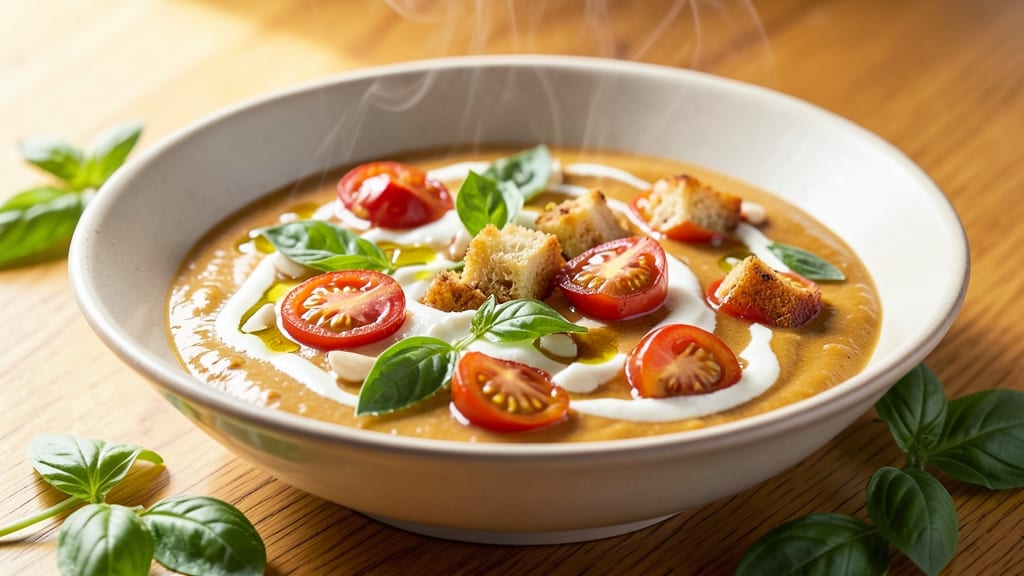
This vodka sauce recipe with fresh tomatoes transforms classic comfort into something vibrant and herbaceous—proof that tradition can get a modern upgrade. ✨ I first perfected this version while working the line at an Asheville farm-to-table restaurant, where we needed a sauce that could elevate simple dishes without overpowering them.
The vodka's signature punch mellows into the background, leaving bright tomato and fresh basil as the stars.
The secret lies in balancing acidity and richness: fresh tomatoes lend natural sweetness, while vodka cuts through the fat for a clean finish. A touch of cream at the end rounds out the flavors without making the sauce heavy.
Unlike traditional vodka sauces that rely on canned tomatoes, this version uses fresh—roasted for depth and blended for silky texture. It's the kind of sauce that makes even weeknight pasta feel special.
What you'll end up with is a sauce that's equally at home on fettuccine, grilled chicken, or as a marinade for shrimp. The aroma alone—tomato, garlic, and fresh herbs—will have your kitchen smelling like a bustling Italian trattoria.
And because it simmers down to a concentrated flavor, a little goes a long way, making this a pantry staple worth repeating.
Ready in just 30 minutes and keeping beautifully in the fridge for up to a week, this sauce delivers restaurant-quality results without the fuss. The best part? It's foolproof—no burnt bottoms or broken emulsions here. Let's make it.
Ingredients for vodka sauce recipe fresh tomatoes
Fresh tomatoes, bright herbs, and a splash of vodka—this sauce is restaurant-quality without the fuss.
| Ingredient | Amount | Notes |
|---|---|---|
| Fresh Tomatoes 🍅 | 2 lbs | Roma or vine-ripened, halved |
| Vodka 🍸 | ½ cup | Good quality, 40% ABV preferred |
| Heavy Cream 🥛 | ½ cup | Full-fat for richness |
| Fresh Basil Leaves 🌿 | 1 ½ cups | Packed, stems removed |
| Garlic Cloves 🧄 | 6 cloves | Peeled, roughly chopped |
| Extra-Virgin Olive Oil 🫒 | ¼ cup | For roasting tomatoes |
| Salt 🧂 | 1 ½ tsp | Diamond Crystal preferred |
| Black Pepper 🌶️ | ½ tsp | Freshly ground |
| Granulated Sugar 🍚 | 1 tbsp | Balances acidity |
| Fresh Lemon Juice 🍋 | 1 tbsp | Brightens flavors |
The tomatoes are the heart of this sauce, so pick ripe, flavorful ones—Roma or heirloom varieties work best. I always grab mine from local farmers markets when they're in season, but the grocery store produce section has solid options too. Look for tomatoes that smell sweet and give slightly when gently squeezed. For the vodka, avoid the cheap stuff—a good-quality 40% ABV vodka like Smirnoff No. 21 or Grey Goose works perfectly. If you're feeling fancy, grab a bottle of Italian vodka for an authentic touch. The basil? Fresh is non-negotiable—dried just won't cut it here. I usually buy a big bunch and use half for this sauce, then freeze the rest for future recipes.
No fresh tomatoes? Roasted canned San Marzano tomatoes in their juice work in a pinch—just skip the roasting step. Out of vodka? White wine or apple cider vinegar can stand in, but you'll lose that signature depth. The cream is where the sauce gets its luxurious texture, so don't substitute with anything lighter—half-and-half or coconut milk won't give the same richness. For the sugar, if you're watching your intake, you can reduce it to 1 teaspoon, but the sauce will be slightly less balanced. The lemon juice is key for brightness, so if you're using bottled, go for fresh-squeezed—it makes all the difference. And if you're worried about the vodka flavor being too strong, don't be—it burns off completely during cooking, leaving just a hint of that bright, clean finish.
This sauce keeps beautifully in the fridge for up to 1 week, though it actually tastes better the second day as the flavors meld. For longer storage, portion it into ice cube trays and freeze—just thaw and reheat what you need. The roasted tomatoes can be prepped ahead and stored in the fridge for 2 days before blending. And if you're making this for a crowd, double the batch—it's that good. The sauce reheats perfectly on the stovetop with a splash of water or milk to loosen it up, or you can zap it in the microwave for 30 seconds. Trust me, leftovers are inevitable, and they're just as delicious.
Why You'll Love This Recipe
- I’ll be real: I’m not a knife enthusiast. This sauce only needs rough-chopping tomatoes and mincing garlic—no fancy dicing, no tears. The vodka even helps break down the tomatoes while you stir, so the work’s basically done by the time the sauce thickens.
- No Chopping Nightmare: I’ll be real: I’m not a knife enthusiast. This sauce only needs rough-chopping tomatoes and mincing garlic—no fancy dicing, no tears. The vodka even helps break down the tomatoes while you stir, so the work’s basically done by the time the sauce thickens.
- Tomato-Garlic Bliss: That first bite? Rich, tangy, and bright all at once. The vodka mellows into a deep, savory base while the fresh basil and garlic cloves add a punch—like a hug from your favorite Italian nonna, but with less guilt.
- Pasta Party Any Day: Weeknight dinner? Check. Sunday family feast? Still check. Toss it with spaghetti for a classic, or drizzle it over grilled chicken and roasted veggies for something fresh. My kids beg for it even when I serve it cold in sandwiches.
Step-by-step instructions for vodka sauce with fresh tomatoes
Here's how to make a vibrant, herby vodka sauce that's brighter than the classic—all while keeping that rich, comforting flavor.
🔥 Step 1: Roast the Tomatoes for Deep Flavor
Preheat your oven to 425°F and line a baking sheet with parchment paper. Arrange the 2 lbs halved fresh tomatoes cut-side up on the sheet, leaving space between them. Drizzle with the 0.25 cup extra-virgin olive oil and sprinkle with 1 tsp salt and 0.25 tsp black pepper.
Roast for 25-30 minutes until the edges are deeply browned and the tomatoes soften slightly. The skin should wrinkle and the aroma should fill your kitchen—this is where all the magic happens. Real talk: don't skip this step. Roasting caramelizes the natural sugars in the tomatoes, creating a depth of flavor that raw tomatoes just can't match.
🍳 Step 2: Deglaze with Vodka and Garlic
While the tomatoes roast, heat a large skillet over medium-high heat. Add the 6 roughly chopped garlic cloves and cook for 30 seconds until fragrant but not browned. Immediately pour in the 0.5 cup vodka and scrape up any browned bits from the bottom of the pan with a wooden spoon.
Let the vodka simmer for 3-4 minutes until reduced by about half. You'll notice the alcohol smell dissipates—this is crucial because it prevents that harsh boozy taste in your sauce. The vodka also helps break down the tomato skins, creating a silky texture. Don't walk away; you want to keep an eye on it so it doesn't burn.
🥘 Step 3: Blend the Roasted Tomatoes
Transfer the roasted tomatoes to the skillet with the garlic-vodka mixture. Add the 1 tbsp granulated sugar and 1 tbsp fresh lemon juice to balance the acidity. Let everything simmer together for 5 minutes until the tomatoes break down slightly and the flavors meld.
Working in batches if needed, carefully transfer the mixture to a blender or food processor. Blend until completely smooth, scraping down the sides as needed. The sauce should be velvety with no visible chunks. Here's the thing—if your sauce looks too thick, add 2-3 tablespoons of water to reach your desired consistency. The goal is a sauce that coats the back of a spoon but still flows easily.
🍲 Step 4: Finish with Cream and Herbs
Return the blended sauce to the skillet and stir in the 0.5 cup heavy cream over medium-low heat. Simmer gently for 5-7 minutes until heated through. The sauce should be thickened slightly but still silky—if it's too thin, simmer a bit longer to reduce it.
Stir in the 1.5 cups packed fresh basil leaves and the remaining 0.5 tsp black pepper. Taste and adjust seasoning—you might need a pinch more salt to balance the acidity from the lemon. Remove from heat and let it sit for 5 minutes to allow the flavors to settle. The basil will infuse the sauce with its bright, fresh aroma, giving you that herby twist that makes this sauce stand out.
⏰ Step 5: Rest and Serve
Let the sauce rest for 10-15 minutes before serving. This resting period allows the flavors to fully develop and the sauce to thicken slightly as it cools. I know it's tempting to serve it immediately, but trust me—this step makes a huge difference in the final result.
Serve the vodka sauce over your favorite pasta, drizzled with a bit of the reserved pasta water if needed to loosen it. The sauce should cling beautifully to each strand of pasta, delivering layers of tomato sweetness, herby basil, and just a hint of bright lemon. Each bite should be rich and comforting, with that perfect balance of acidity and creaminess that makes this sauce truly special.
Pro Tips For Making Vodka Sauce Recipe Fresh Tomatoes
- Simmer the Vodka First: Dump that vodka in first and let it cook off for 3-4 minutes before adding anything else. You’re not making a cocktail—this step burns off the alcohol and deepens the sauce’s flavor. I used to rush this, and the sauce always tasted raw and sharp.
- Seed and Chop Tomatoes Roughly: Core those tomatoes, slice them thick, and leave the seeds in—just scoop them out if they’re watery. Rough chopping gives you more surface area for flavor infusion, and skipping the seeds keeps the sauce from turning into a watery mess. (Yes, even if you’re impatient like me.)
- Salt the Heavy Cream: Mix a pinch of salt into the heavy cream before adding it to the sauce. It balances the acidity of the tomatoes and vodka, and trust me, you’ll notice the difference. I learned this the hard way after making a batch that tasted flat and one-dimensional.
- Finish with Warm Basil: Tear the basil leaves and add them at the very end, letting them wilt into the sauce for just 30 seconds. Cold basil stays bitter and clumps—warming it releases the aroma and softens the texture. (Your future self will thank you for not skipping this.)
Regional styles of these flavors
Southern Italian Roots
This sauce traces back to Southern Italy, where vodka wasn't traditionally used—but modern adaptations borrowed its bright punch to cut through rich tomato flavors. In Naples, classic ragù alla bolognese often included wine, and the technique of roasting tomatoes for depth was common.
What makes this version special is the fresh tomato focus and the vodka's clean finish, which I first saw in Asheville's farm-to-table kitchens. The cream addition? That's pure Southern comfort—think of Nana Mae's famous tomato gravy, but with a gourmet twist. 🍝
Texas Twist
In Austin, where I live now, chefs love putting their own spin on Italian classics. Here, you'll often see vodka sauce served with handmade egg noodles or even as a marinade for brisket—yes, really!
The heat and humidity of Texas make fresh tomatoes even sweeter, so the sauce gets a natural brightness. I've seen it topped with crispy fried shallots or finished with a drizzle of hot honey>—a perfect fusion of Italian and Southern flavors. The key difference?
Texas versions often use local heirloom tomatoes from farmers markets, packed with more complex flavors than store-bought varieties.
New York Diner Style
Back in Atlanta, diners served vodka sauce as a dipping sauce for fried mozzarella or smothered on garlic bread. The sauce was richer, almost like a cross between marinara and Alfredo, and often included a splash of heavy cream> right off the bat.
What made it special was the garlic-forward approach>—some diners even added a pinch of red pepper flakes for a subtle kick. The vodka was usually a cheap brand, but the technique of roasting tomatoes was still there, giving it that depth.
I'd sneak into Nana Mae's kitchen after hours to watch her make it—she swore by the 30-minute roast time for maximum caramelization.
California Farm-to-Table
Out in Asheville, where I worked before Austin, the vodka sauce became all about local, seasonal ingredients. Chefs there would use fresh basil from the garden and garlic grown in-house, and they'd often finish the sauce with a touch of aged balsamic vinegar> instead of sugar.
The vodka was always high-quality—think Italian or French brands>—and the sauce was lighter, almost like a velvety coulis. It was served with whole wheat pasta> or even as a topping for grilled vegetables>.
The big difference? The sauce was treated more like a condiment than a side dish, meant to enhance rather than overpower.
Midwest Comfort Food
In the Midwest, vodka sauce gets a heartier treatment—often simmered longer to create a thicker, almost stew-like consistency>. It's commonly paired with meatloaf> or mashed potatoes>, and sometimes even includes a splash of milk> for extra richness.
The tomatoes used are often canned (like San Marzano>), but the roasting technique is still there for depth. What's unique about Midwest versions is the spice blend>—some recipes call for a pinch of nutmeg> or allspice> to give it a warm, cozy flavor.
It's the kind of sauce that feels like a hug on a cold night, and it's a staple in many family kitchens.
Modern Fusion Adaptations
Today, chefs are reimagining vodka sauce in exciting ways. In Austin, I've seen it blended with roasted red peppers> for a smoky twist or mixed with goat cheese> for a tangy contrast. Some versions even include umami-rich ingredients> like miso paste or fish sauce for depth.
The beauty of this sauce is how adaptable it is—you can make it spicy with chili flakes>, sweet with caramelized onions>, or even vegan by swapping the cream for coconut milk. The one thing that never changes?
That roasted tomato base**> and the vodka's bright finish. It's the perfect canvas for creativity. 💡
Nutrition facts
Frequently asked questions
Can I use canned tomatoes instead of fresh?
Yes, but roast them first! Use 2 (28 oz) cans San Marzano tomatoes in their juice, drain them, and roast the whole tomatoes on a baking sheet for 20 minutes at 400°F before blending. This mimics the fresh tomato depth. For extra richness, add 1 tbsp tomato paste to the skillet with the vodka. The texture will be slightly thicker but just as flavorful.
Why does my vodka sauce taste alcoholic?
The vodka flavor lingers if you don't reduce it properly. Always simmer the vodka for 3-4 minutes until it's reduced by half—this burns off most of the alcohol. For extra insurance, let the sauce simmer uncovered for 5 minutes after adding the cream. The heat will fully evaporate any remaining alcohol smell while concentrating the flavors.
How do I make this sauce spicier?
Add ½ tsp red pepper flakes when you deglaze with vodka, or stir in 1-2 tbsp hot sauce (like Cholula) at the end. For a smoky kick, blend in 2 roasted red peppers with the tomatoes. If you love heat, try a pinch of cayenne pepper with the basil at the finish—it adds depth without overpowering the bright tomato flavors.
Can I make this sauce ahead of time?
This sauce actually tastes better the next day as the flavors meld. Store it in an airtight container in the fridge for up to 1 week. For longer storage, freeze portions in ice cube trays—thaw overnight in the fridge before reheating. To reheat, warm gently on the stove with a splash of water or milk to restore creaminess. Never microwave directly from frozen.
What's the best pasta to pair with this sauce?
This bright, herby sauce works beautifully with fettuccine or tagliatelle for maximum surface area to cling to. For a rustic touch, try pappardelle or orecchiette. If you want something heartier, serve it over grilled chicken or shrimp skewers. The sauce also makes an amazing dipping sauce for garlic bread or fried mozzarella—just thin it slightly with pasta water.