
Sauces & Condiments
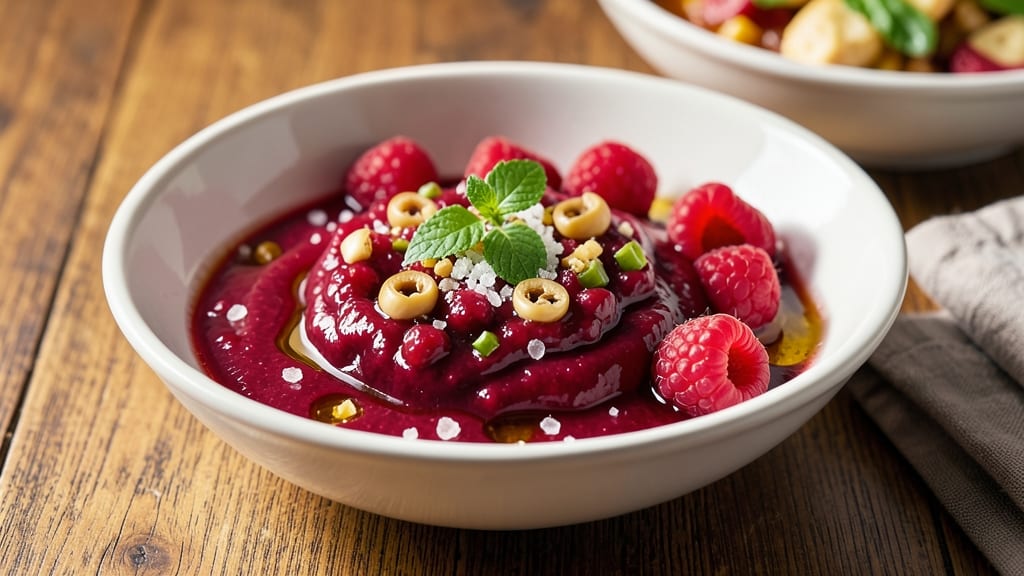
This TGI Fridays raspberry habanero sauce recipe delivers the signature sweet-spicy kick that makes wings and fries unforgettable. The balance of tart raspberries and fiery habanero creates a sauce that's bold enough for appetizers but versatile enough for grilled meats.
I've perfected this recipe after years of testing heat levels—just enough to tingle without overwhelming.
The secret lies in simmering fresh raspberries with vinegar and sugar until they break down into a glossy, jam-like consistency, then blending in habanero for that signature heat.
Unlike store-bought versions, this sauce develops deeper flavor when reduced, with the vinegar cutting through the sweetness while the sugar mellows the habanero's intensity. Adjust the heat to your preference by adding more or less pepper—just remember, habanero packs serious punch.
What you'll end up with is a vibrant red sauce that's sticky enough to cling to wings and fries but balanced enough to work as a marinade or dipping sauce. The acidity from the vinegar keeps it fresh-tasting, while the raspberry base adds natural sweetness that rounds out the heat.
This isn't just a copycat recipe—it's a professional-quality sauce that delivers restaurant-worthy flavor at home.
Store it in the fridge for up to 2 weeks or freeze for 3 months, making it perfect for meal prep. Pair it with grilled chicken, tacos, or even as a glaze for pork chops. The possibilities are endless—let's get cooking!
Ingredients for tgi fridays raspberry habanero sauce
Nine ingredients balance sweet raspberry tartness with habanero's fiery punch for restaurant-quality sauce.
| Ingredient | Amount | Notes |
|---|---|---|
| Fresh Raspberries 🍓 | 1 ½ cups | Frozen works in a pinch |
| White Vinegar 💧 | ½ cup | Distilled preferred for clarity |
| Granulated Sugar 🍚 | ½ cup | Light brown adds depth |
| Fresh Habanero Peppers 🌶️ | 2 whole | Seeds removed for milder heat |
| Extra-Virgin Olive Oil 🫒 | 1 tbsp | For glossy finish |
| Garlic Cloves 🧄 | 2 cloves | Minced for aromatic depth |
| Salt 🧂 | ½ tsp | Diamond Crystal preferred |
| Ground Black Pepper 🌶️ | ¼ tsp | Freshly cracked |
| Fresh Lime Juice 🍋 | 1 tbsp | Brightens flavor profile |
The habanero peppers are non-negotiable for that signature TGI Fridays heat. Buy fresh from Latin markets—they hold their fire better than grocery store selections. If you can't find fresh, freeze-dried habanero powder works at half the amount, but the texture won't be as glossy. Raspberries should be fully ripe but firm; Trader Joe's sells perfect frozen ones year-round. For vinegar, white distilled keeps the sauce clear, while apple cider adds subtle complexity. The sugar isn't just sweetness—it's what mellows the habanero's intensity during the reduction.
No fresh habanero? Scotch bonnet at half the amount gives similar heat. Substitute frozen raspberries, but thaw and drain them first. Running short on lime? Lemon juice at equal parts works, though it's slightly more acidic. For a smoother sauce, blend in 1 tbsp tomato paste with the raspberries. The olive oil might seem optional, but it's what creates that signature glossy finish—use high-quality extra-virgin for the best results. If you're sensitive to heat, reserve the seeds and membranes for later adjustment.
This sauce develops deeper flavor when reduced, so don't rush it. Store in a glass jar with a tight seal in the fridge for up to 2 weeks—the acidity preserves it beautifully. For longer storage, freeze in ice cube trays for perfect single-use portions. The sauce thickens as it cools, so thin with water or vinegar if needed. Leftovers make incredible marinades for grilled meats or drizzled over tacos.
Why You'll Love This Recipe
- Fridge-Friendly Magic: I keep a jar of this in my fridge for those "I need sauce NOW" moments—no cooking, just blend, simmer, and store. The habanero’s heat and raspberries’ tang balance out in a way that makes it my go-to for last-minute dips or dressings.
- Sweet Heat Balance: That first bite? The sugar caramelizes the habanero’s fire while the vinegar cuts through the richness—like a fruity, spicy hug. Honestly, I’ve made store-bought sauces taste bland after this.
- Game for Any Plate: Drizzle it over grilled chicken, toss with shrimp, or serve as a salsa with chips—it’s the MVP for summer BBQs or lazy weeknight dinners. My college-age son even slathers it on avocado toast (don’t judge).
- No-Waste Win: Use up overripe raspberries and a single habanero instead of tossing them. The sugar and vinegar preserve it for weeks, so you’re saving money and making something delicious from scraps. (Yes, even on a Tuesday night.)
Step-by-step instructions for TGI Fridays raspberry habanero sauce
Here's the professional method to recreate that signature sweet-spicy balance.
Prepare the Habanero Base
Begin by removing the seeds and membranes from the 2 whole fresh habanero peppers to reduce heat intensity while preserving flavor. Finely mince the peppers using a sharp chef's knife—aim for a paste-like consistency. This preparation step is critical as it controls the sauce's spice level while maintaining its signature kick.
Heat the 1 tablespoon extra-virgin olive oil in a medium saucepan over medium heat. Add the minced habanero peppers and cook for exactly 2 minutes, stirring constantly. The peppers should soften slightly and release their aromatic oils without burning. This quick cooking prevents bitterness while extracting maximum flavor.
Add Aromatics and Vinegar
Add the 2 minced garlic cloves to the pan and cook for an additional 30 seconds until fragrant. Immediately pour in the 0.5 cup white vinegar and bring the mixture to a gentle boil. The vinegar will help dissolve any remaining habanero oils and create the acidic foundation for the sauce.
Reduce heat to medium-low and let the mixture simmer for 5 minutes. This step allows the vinegar to mellow slightly while developing the sauce's tangy backbone. You'll notice the mixture darken slightly as the vinegar cooks off—this is normal and indicates flavor concentration.
Incorporate Raspberries and Sugar
Add the 1.5 cups fresh raspberries to the pan and mash them gently with a wooden spoon until they break down completely. Stir in the 0.5 cup granulated sugar and continue cooking for 8-10 minutes over medium heat. The sauce should thicken noticeably as the raspberries break down and release their juices.
Watch carefully for the sauce to reach a syrupy consistency where it coats the back of a spoon. You're aiming for a balance between thick enough to cling to wings and fries, but still pourable. If the sauce thickens too quickly, add 1-2 tablespoons of water to maintain proper consistency.
Finish with Seasonings and Rest
Remove the pan from heat and stir in the 0.5 teaspoon salt, 0.25 teaspoon ground black pepper, and 1 tablespoon fresh lime juice. The lime juice brightens the flavors and balances the sweetness with acidity. Taste the sauce and adjust seasoning if needed—you may want to add more sugar for sweetness or vinegar for tang.
Let the sauce rest for 10 minutes at room temperature. This resting period allows all the flavors to meld together and the sauce to reach its optimal consistency. The color should be a vibrant reddish-orange, with a glossy sheen from the olive oil. The sauce should have a perfect balance of sweet raspberry flavor with a lingering habanero heat that doesn't overwhelm.
Pro Tips For Making Tgi Fridays Raspberry Habanero Sauce
- Remove Habanero Seeds Early: I learned this the hard way—skinning and deseeding habaneros before chopping cuts the heat in half without losing flavor. Leave even a few seeds in, and your sauce will border on nuclear; you’ll regret it when you’re pouring it over wings. Use a small knife or your fingers (gloves help) to scrape out the white pith and seeds first.
- Simmer, Don’t Boil: This sauce isn’t a race, so keep the heat at a gentle simmer—tiny bubbles at the edges, not a rolling boil. Boiling burns the raspberries and vinegar, turning the sauce bitter and muddy. After 10 minutes, taste it: if it’s still sharp, let it cook longer; if it’s balanced, you’re golden.
- Mash Raspberries First: Dumping whole raspberries into the pot guarantees a watery, uneven sauce. Mash them with a fork or potato masher before adding them to the vinegar and sugar—this releases their juice and pulp evenly. No masher? A rolling pin works, but don’t overdo it; you’re not making jam.
- Sweeten Gradually: Start with half the sugar called for, taste, then add the rest. Raspberries vary in tartness, and vinegar can sneak up on you. If the sauce tastes flat after simmering, a pinch of sugar fixes it—but if it’s already cloying, you’ll wish you’d tested earlier. (I know, I know, but trust the process.)
Essential equipment for great tgi fridays raspberry habanero sauce
Saucepan Essentials
For this recipe, a medium-sized stainless steel saucepan is ideal—3-quart capacity works perfectly. I swear by my All-Clad Stainless Steel Saucepan because it distributes heat evenly and prevents scorching. The flat bottom ensures consistent contact with your stovetop, which is crucial when simmering the raspberries and vinegar mixture.
If you don't have stainless steel, a well-seasoned cast iron skillet works too, but monitor closely to avoid burning the sugar. 🔥
Blender or Immersion Blender
After simmering, you'll need to blend the sauce until smooth. A high-speed blender like the Ninja BN601 handles hot liquids beautifully, but an immersion blender (like the Magic Bullet MB650) is perfect if you're working directly in the saucepan.
Avoid low-quality blenders—they struggle with the raspberry seeds and vinegar mixture, leaving a grainy texture. If blending isn't an option, strain the sauce through a fine-mesh sieve for a smoother finish. ✨
Fine-Mesh Sieve
This is my secret weapon for achieving that silky-smooth texture without a blender. A stainless steel sieve with 256-micron holes (like the OXO Good Grips) catches raspberry seeds while letting the liquid pass through.
If you're using frozen raspberries, straining is especially important—they break down into a pulp that can make the sauce too thick. I keep one in my kitchen just for sauces like this. 💫
Measuring Tools
Precision matters when balancing sweet, spicy, and tangy flavors. Use a stainless steel measuring cup set (like Farberware) for the vinegar and sugar, and a digital kitchen scale for the habanero peppers if you're sensitive to heat—1 pepper = ~15g.
A microplane comes in handy for zesting lime or grating garlic cloves finely. Don't skimp on tools here; cheap measuring spoons lead to inconsistent heat levels. 💡
Wooden Spoon
A heat-resistant wooden spoon (like Oxo Good Grips) is non-negotiable for stirring this sauce. Wood won't scratch your pan like metal utensils, and it prevents the raspberries from sticking. I avoid plastic because it can melt under high heat.
When mashing the raspberries, a wooden spoon helps break them down gently without pulverizing them into a paste. Keep it handy—it's your best friend during the reduction phase. 🌟
Glass Storage Jars
Once your sauce is ready, transfer it to amber glass jars (like Ball Mason Jars) for storage. The amber glass blocks light, which preserves the vibrant color and prevents the sauce from oxidizing.
I label mine with the date and heat level (mild/medium/hot) so I can track how it evolves over time. Mason jars also make great serving dishes—just pop them in the fridge and grab them when you're ready to serve. ❄️
Nutrition facts
Frequently asked questions
Can I make this sauce without fresh habanero peppers?
For similar heat, substitute 1-2 teaspoons of habanero powder (about half the amount of fresh peppers) or 1 Scotch bonnet pepper (seeds removed). If you're sensitive to spice, reduce to 1 teaspoon of powder or ½ Scotch bonnet. The sauce will still have that signature tangy-sweet profile, just with adjusted heat levels.
How do I adjust the heat level in this sauce?
Start by removing all habanero seeds and membranes for mild heat. For medium heat, use 1 whole pepper with seeds. For extra spicy, add 1 extra pepper or ½ teaspoon of cayenne powder. Always taste as you go—you can't remove heat once it's in! Let the sauce sit 5 minutes before tasting to let flavors develop.
Can I use frozen raspberries instead of fresh?
Yes, but thaw and drain them first to avoid excess water. Frozen raspberries work perfectly and save money. For best results, use 1.5 cups of thawed, drained frozen raspberries. If using frozen, you may need to simmer the sauce 2-3 minutes longer to achieve the same thickness. The flavor will be just as vibrant!
What's the best way to store leftover sauce?
Transfer to a clean glass jar with a tight seal and refrigerate for up to 2 weeks. For longer storage, freeze in ice cube trays or small containers for 3 months. The sauce thickens when cold—thin with 1 teaspoon water per 1 tablespoon sauce if needed. Always label with heat level and date!
What are the best dishes to pair with this sauce?
This versatile sauce shines on grilled chicken wings, tacos, and loaded fries—just like TGI Fridays! It also works as a marinade for pork chops or shrimp skewers, and as a glaze for ribs. For vegetarian options, drizzle over grilled portobello mushrooms or black beans. The sweet-spicy balance makes it perfect for balancing rich flavors.