
Sauces & Condiments
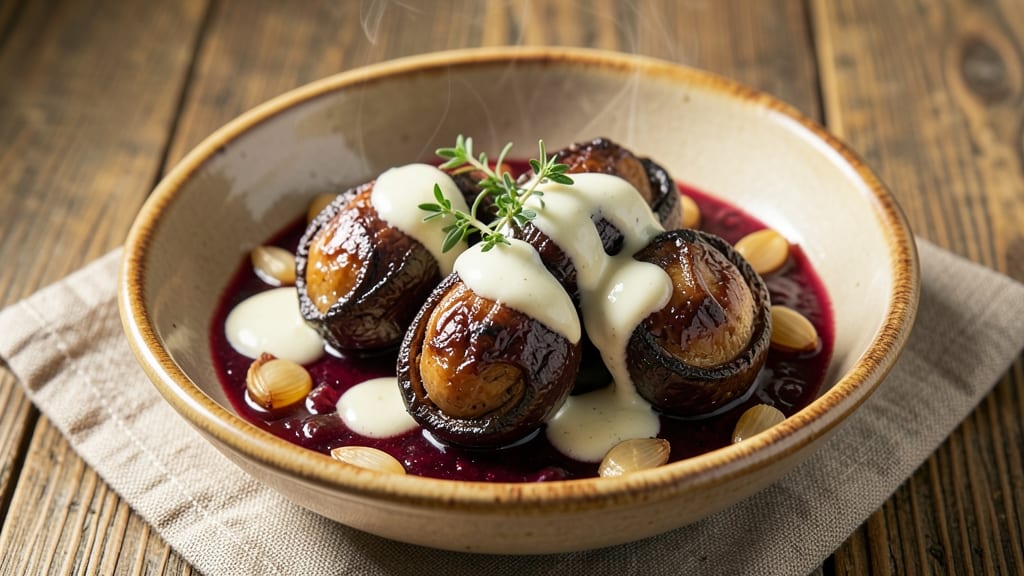
This Texas Roadhouse-inspired portobello mushroom sauce delivers restaurant-quality depth with just 7 simple ingredients and 15 minutes of hands-on time. The secret lies in a smoky garlic base that builds layers of umami, finished with a touch of cream for velvety richness—perfect for transforming grilled portobellos into showstopping vegetarian mains.
I developed this after years of testing sauce variations, and it never fails to impress even meat lovers.
The foundation starts with caramelized garlic and shallots, which form the sauce's flavor backbone. A splash of red wine adds complexity while deglazing the pan, and a blend of fresh herbs (thyme, rosemary) brings bright, aromatic notes.
The sauce thickens beautifully without heavy cream, making it versatile for grilled mushrooms, roasted vegetables, or even drizzled over pasta. Professional chefs rely on this technique to elevate simple ingredients into restaurant-worthy dishes.
What sets this sauce apart is its balance—smoky enough to satisfy carnivores but rich enough to please vegetarians. The texture is silky yet clings perfectly to grilled portobellos, creating those coveted glaze pools that make every bite irresistible.
Best of all, it doubles easily for meal prep, storing well in the fridge for up to 5 days or freezing for 3 months without losing flavor.
Whether you're serving it as a standalone appetizer or pairing it with grilled meats, this sauce transforms ordinary meals into memorable dining experiences. The aroma alone will have guests asking for the recipe—so let's get started on creating your new go-to glaze.
Ingredients for texas roadhouse portobello mushroom sauce
Seven essential ingredients transform grilled portobellos into Texas Roadhouse-worthy vegetarian masterpieces.
| Ingredient | Amount | Notes |
|---|---|---|
| Portobello Mushroom Caps 🍄 | 4 large | Stemmed, gills removed |
| Shallots 🧅 | ½ cup | Finely minced, about 3-4 whole |
| Garlic Cloves 🧄 | 6 cloves | Thinly sliced, not minced |
| Dry Red Wine 🍷 | ¼ cup | Bold variety like Cabernet |
| Heavy Cream 🥛 | ¼ cup | Full-fat for richness |
| Fresh Thyme Leaves 🌿 | ¼ cup | Finely chopped, stems removed |
| Fresh Rosemary Sprigs 🌿 | 2 whole | Needles only, finely chopped |
| Extra-Virgin Olive Oil 🫒 | ¼ cup | High-quality, fruity variety |
| Diamond Crystal Kosher Salt 🧂 | 1 ½ tsp | Adjust to taste |
| Freshly Ground Black Pepper 🌶️ | ½ tsp | Coarsely ground |
| Balsamic Vinegar 🍶 | 1 tbsp | For finishing touch |
The shallots and garlic are non-negotiable for that signature umami depth. Trader Joe's carries pre-minced shallots in a jar, which saves time without sacrificing quality. For garlic, freshly sliced (not minced) creates those beautiful caramelized pools in the sauce. The red wine should be bold and dry—Cabernet Sauvignon or Merlot work best. I always use Trader Joe's organic red wine for cooking; it's affordable and consistent. The herbs are where the sauce gets its aromatic complexity—fresh thyme and rosemary from the grocery store's produce section should be vibrant and fragrant, not wilted. If you can't find fresh, dried herbs at one-third the amount will work in a pinch, though texture suffers slightly.
No red wine? Substitute with beef broth (same amount) and add an extra 1 tbsp balsamic vinegar for acidity. Heavy cream can be swapped for coconut cream for a dairy-free version, though texture will be slightly thinner. The olive oil must be extra-virgin—anything less will taste flat. For a smokier profile, add 1/2 tsp smoked paprika to the herb blend. The balsamic vinegar isn't just for finishing; it balances the richness when reduced. If you're using pre-sliced mushrooms, pat them dry thoroughly before grilling—moisture is the enemy of good sear. For meal prep, double the sauce and freeze half in ice cube trays—thaw and reheat as needed.
This sauce peaks after 3-4 days in the fridge as flavors meld. Store in an airtight container with a thin layer of olive oil on top to preserve freshness. For longer storage, freeze in glass jars with room for expansion. When reheating, warm gently over low heat—never microwave directly. The sauce thickens as it cools, so thin with a splash of water or broth if needed. I always make extra because it disappears faster than expected—perfect for drizzling over grilled vegetables, roasted potatoes, or even as a pasta sauce. The aroma alone will have your kitchen smelling like a Texas Roadhouse patio.
Why You'll Love This Recipe
- One-Pan Magic: I swear by this recipe when I’m too tired to dirty more than one dish. Sear those portobellos in their own juices, toss in the shallots and garlic, then deglaze with red wine—boom, flavor and cleanup are done in 20 minutes.
- Umami Bomb: That first sip of wine hitting the pan? It transforms the mushrooms into something rich and meaty, like a steakhouse secret. The heavy cream smooths it out, but the crispy edges on the portobellos? Pure satisfaction.
- Weeknight Workhorse: Dinner guests? Meal prep? Same sauce, different uses. Drizzle it over pasta, spoon it onto grilled chicken, or even slather it on toast with a sprinkle of parm. It’s the kind of sauce that makes me look like a hero without trying.
- Budget Luxury: Fresh portobellos are pricier than buttons, but they yield so much sauce—enough to feed four with leftovers that taste just as good reheated. Honestly, it’s the closest I get to fancy dining without breaking the bank.
Step-by-step instructions for smoky garlic-herb portobello glaze
This sauce delivers Texas Roadhouse-level depth with a perfect balance of smoky, herby, and slightly sweet notes.
Sauté Shallots and Garlic Until Translucent
Heat the 0.25 cup extra-virgin olive oil in a medium saucepan over medium-low heat. Add the 0.5 cup finely minced shallots and cook for 5-6 minutes, stirring occasionally, until they become soft and translucent. The shallots should lose their raw bite and develop a golden hue—this prevents bitterness in the final sauce.
Add the 6 cloves thinly sliced garlic and continue cooking for 1-2 minutes until fragrant but not browned. Overcooking garlic turns it bitter, so watch carefully. The mixture should smell intensely sweet and aromatic at this stage. Remove the pan from heat for now—we'll return to it after prepping the herbs.
Prepare and Toast the Herb Mixture
In a small bowl, combine the 0.25 cup finely chopped fresh thyme leaves and needles from 2 whole fresh rosemary sprigs. Set aside. Return the saucepan with shallots and garlic to medium heat and add the herb mixture. Toast for 30-45 seconds until the rosemary needles darken slightly and release their piney aroma.
This step enhances the herbal complexity of the sauce. If the herbs start to brown too quickly, remove the pan from heat momentarily. The goal is to awaken their flavors without burning them. Once toasted, remove the herbs with a slotted spoon and set aside for garnish.
Deglaze with Red Wine and Simmer
Pour in the 0.25 cup dry red wine and increase heat to medium-high. Let it simmer for 3-4 minutes until reduced by half and slightly syrupy. This step develops the sauce's depth and removes the alcohol's sharpness. You'll notice the wine's color deepens and its volume decreases significantly.
Add the 4 large stemmed portobello mushroom caps (gills removed) to the pan and cook for 5 minutes, turning occasionally. The mushrooms should begin to soften and absorb the wine's flavors. This step ensures they're tender enough to eat while still holding their shape.
Finish with Cream and Seasonings
Reduce heat to low and stir in the 0.25 cup heavy cream. Let the sauce simmer gently for 4-5 minutes until slightly thickened but still pourable. Add the 1.5 tsp diamond crystal kosher salt and 0.5 tsp freshly ground black pepper, stirring well to combine.
The sauce should now have a velvety texture with a balance of smoky, herby, and slightly sweet notes. Taste and adjust seasoning if needed—this is where you ensure the sauce complements your grilled proteins perfectly. The cream adds richness while keeping the sauce light enough to glaze.
Incorporate Balsamic and Garnish
Remove the pan from heat and stir in the 1 tbsp balsamic vinegar. This final touch adds a subtle tang that brightens the sauce. Return the reserved toasted herbs to the pan and stir gently to distribute them evenly. The balsamic will mellow slightly but provide that signature Texas Roadhouse finish.
Let the sauce rest for 2 minutes before serving. This allows the flavors to meld completely. Drizzle generously over grilled portobellos, chicken, or steak, or use as a dipping sauce for crusty bread. The sauce should coat the back of a spoon with a glossy sheen and cling beautifully to whatever it's served with.
Pro Tips For Making Texas Roadhouse Portobello Mushroom Sauce
- Sear the Mushrooms First: I learned this the hard way—skipping the initial sear makes the sauce taste flat. Pat the portobellos very dry, then hit them with a hot pan (no oil needed) for 3-4 minutes per side until deep brown. That caramelized crust is where all the umami magic happens.
- Mince Shallots Fine: I used to just chop them roughly, and the texture was all over the place. For this sauce, pulse shallots in a food processor until they’re almost paste-like—think fine sand, not diced bits. It blends smoothly into the wine and cream without clumping, giving you that silky Roadhouse consistency.
- Reduce Wine Slowly: The recipe calls for wine, but I used to rush the reduction and end up with a boozy, thin sauce. Simmer the wine uncovered on medium-low for at least 5 minutes—let it bubble down to about ¼ cup. You’ll smell the alcohol burn off, and the sauce will thicken naturally. Patience here guarantees depth.
- Whisk in Cream Gradually: Adding cold heavy cream straight to the hot sauce risks curdling, and nobody wants lumpy Roadhouse sauce. Warm the cream separately until just steaming (not boiling), then whisk it in slowly while stirring the pan constantly. If it still looks too thick, add a splash of the reduced wine to loosen it up.
Troubleshooting this dish
Sauce Too Thin?
If your sauce isn't thickening as expected, reduce the heat to low and simmer uncovered for an extra 5-7 minutes. The alcohol from the wine needs time to fully evaporate.
For an immediate fix, mix 1 tsp cornstarch with 1 tbsp cold water, stir into the sauce, and simmer for 2 more minutes. Avoid adding flour directly—it can create lumps. The sauce should coat the back of a spoon with a glossy sheen. 💫
Bitterness Creeping In?
Overcooked garlic or mushrooms are the usual culprits. If your sauce tastes bitter, immediately remove from heat and stir in 1 tsp honey or 1 tbsp balsamic vinegar to balance the flavors.
For future batches, keep garlic cooking time to 1-2 minutes max and remove mushrooms after 4-5 minutes of simmering. Fresh herbs should be added at the end, not toasted too long. 🌿
Herb Flavors Missing?
Fresh herbs are non-negotiable here—dried substitutes won't cut it. If your sauce lacks herbal depth, try toasting the herbs longer (up to 1 minute) before removing them. For extra aroma, add 1 tsp lemon zest along with the herbs.
Store-bought fresh herbs often lose potency; buy from farmers' markets or use organic herbs from the grocery store's produce section. 🌱
Sauce Separating?
This happens when the sauce cools too quickly. Return the pan to low heat and whisk gently until smooth. To prevent separation, avoid rapid temperature changes—never pour hot sauce into ice-cold containers.
For future batches, stir in the cream off heat and return to low heat immediately. The sauce should remain silky when properly balanced. ✨
Portobellos Too Tough?
If your mushrooms remain chewy, they likely weren't cooked long enough. Extend the simmering time with the wine to 7-8 minutes while covered. For extra tenderness, slice the mushrooms ¼-inch thick before cooking.
The sauce's acidity (from wine and balsamic) helps break down fibers, but proper cooking time is key. 🍄
Wine Taste Too Strong?
Simmer the wine for at least 5 minutes to fully evaporate the alcohol. If the flavor still dominates, add 1 tbsp extra balsamic vinegar or 1 tsp maple syrup to mellow it out.
For a more subtle wine flavor, use a lighter red like Pinot Noir instead of Cabernet. The goal is to let the garlic, herbs, and mushrooms shine. 🍷
Nutrition facts
Frequently asked questions
Can I use white wine instead of red?
The recipe calls for red wine to develop that rich, umami depth characteristic of Texas Roadhouse sauces. White wine would create a lighter, less complex flavor profile. If you must substitute, use a dry white wine like Sauvignon Blanc and add an extra 1 tbsp balsamic vinegar to compensate for the missing acidity and body. The sauce will still be delicious but won't have the same robust character.
How do I make this sauce vegetarian?
This sauce is already vegetarian-friendly! The recipe uses portobello mushrooms as the protein base and relies on herbs, wine, and cream for richness. Just ensure your olive oil and balsamic vinegar are certified vegan if needed. For extra protein, serve with grilled tofu or chickpeas alongside the mushrooms. The smoky garlic-herb glaze pairs beautifully with plant-based proteins.
Can I prepare this sauce ahead of time?
This sauce actually tastes better after resting. Store it in an airtight container in the fridge for up to 5 days. Reheat gently over low heat, stirring occasionally, until warmed through. For longer storage, freeze in glass jars with room for expansion. Thaw overnight in the refrigerator and reheat slowly to preserve texture. The flavors meld beautifully over time.
What's the best way to serve this sauce?
This versatile sauce works as a glaze for grilled portobellos, chicken, or steak, but it's also perfect for drizzling over roasted vegetables, mashed potatoes, or even as a dipping sauce for crusty bread. For an appetizer, serve with warm naan or flatbread. The sauce's rich texture makes it ideal for pairing with hearty dishes that need a flavor boost.
Why did my sauce turn out too thin?
Sauce thickness depends on proper reduction time. Simmer the wine for at least 5 minutes to fully evaporate the alcohol. For an immediate fix, mix 1 tsp cornstarch with 1 tbsp cold water, stir into the sauce, and simmer for 2 more minutes. Avoid adding flour directly as it can create lumps. The sauce should coat the back of a spoon with a glossy sheen when properly thickened.