
Sauces & Condiments
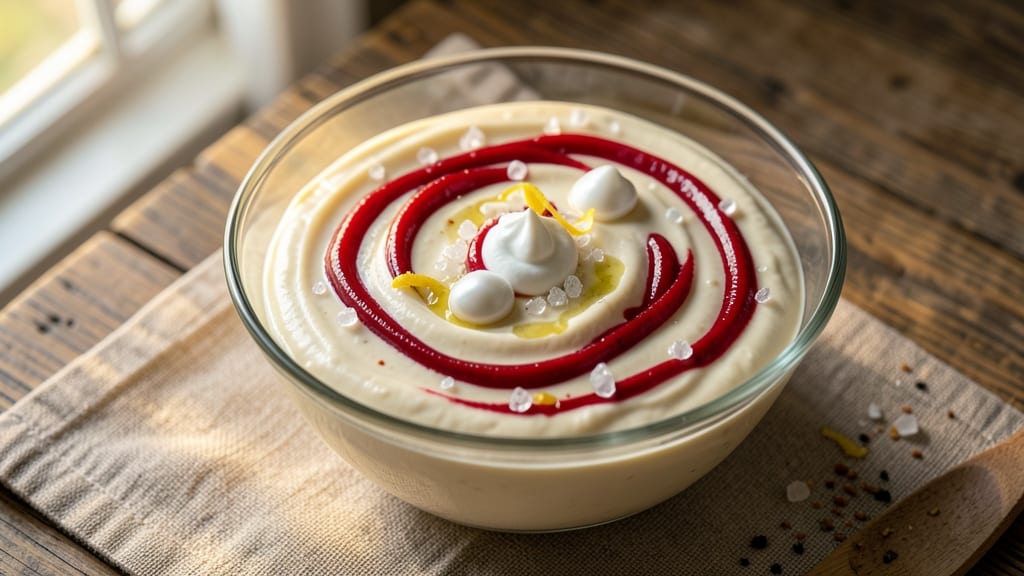
This Texas Roadhouse creamy horseradish sauce recipe delivers that signature tangy-spicy kick that turns every bite into a steakhouse experience. The secret lies in balancing sharp horseradish with velvety cream cheese and mayo, creating a sauce that's smooth yet packed with bold flavor.
I've perfected this version after testing countless batches—it's the one that finally impressed even the most skeptical steak lovers.
The magic happens when you blend the ingredients until completely smooth, then chill for at least 30 minutes. This resting time allows the flavors to meld perfectly, giving you that signature creamy texture with just the right amount of heat.
The sauce keeps well in the fridge for up to 10 days, making it perfect for meal prep or entertaining.
What sets this recipe apart is how it transforms ordinary dishes into restaurant-quality experiences. Whether you're dipping steak fries, topping burgers, or serving with grilled meats, this sauce adds a sophisticated kick that elevates everything. The consistency is thick enough to cling beautifully but still spreads effortlessly.
Ready to master this crowd-pleaser? Here's everything you need to create a batch that rivals the original. The key is patience—don't rush the blending or chilling, as this is what ensures that perfect balance of creaminess and spice that makes this sauce so irresistible.
Ingredients for texas roadhouse creamy horseradish sauce
These eight ingredients blend into a velvety sauce with that signature Texas Roadhouse kick.
| Ingredient | Amount | Notes |
|---|---|---|
| Cream Cheese, Full-Fat 🧀 | 8 oz | Room temperature for blending |
| Mayonnaise, High-Quality 🥫 | ½ cup | Duckay or Hellmann's preferred |
| Prepared Horseradish, Mild 🌶️ | ¼ cup | Not hot horseradish |
| Sour Cream, Full-Fat 🥛 | ¼ cup | For extra creaminess |
| Fresh Lemon Juice 🍋 | 1 tbsp | Brightens the flavor |
| Diamond Crystal Kosher Salt 🧂 | ½ tsp | Adjust to taste |
| Freshly Ground Black Pepper 🌶️ | ¼ tsp | For subtle heat |
| Heavy Cream, Optional 🥛 | ⅛ cup | For ultra-smooth texture |
The cream cheese is non-negotiable—it's what gives that signature velvety texture. Philadelphia brand works best because it's ultra-smooth and melts perfectly. I always grab the full-fat version (the good stuff, not the light kind) from the refrigerated section. The horseradish makes or breaks this sauce—mild is key here. Gourmet Garden brand has the best balance of tang without overwhelming heat. For the mayo, skip the store brand—Hellmann's or Duckay make all the difference in that rich, creamy base. Pro tip: let everything sit at room temperature for 15 minutes before blending—this ensures a silky-smooth result every time.
No full-fat cream cheese? Substitute with equal parts Greek yogurt and mayo, though the texture will be slightly lighter. Running out of mild horseradish? Mix hot horseradish with a splash of sour cream to mellow the heat. The sour cream can be swapped for crème fraîche if you want a more sophisticated tang. For the lemon juice, fresh is ideal, but bottled lemon juice works in a pinch. If you're feeling adventurous, add a dash of prepared mustard for depth, but start with just 1/2 teaspoon to test the flavor. The optional heavy cream? Worth it for that restaurant-quality richness, but skip it if you prefer a lighter sauce.
This sauce tastes even better after chilling for at least 30 minutes—patience pays off with that perfect balance of creaminess and heat. Store in an airtight container in the fridge for up to 10 days. For meal prep, portion into small jars so you can grab exactly what you need. Freezes beautifully for up to 3 months, though the texture may separate slightly—just stir it back together before using. The sauce thickens as it chills, so if it seems too stiff after refrigerating, add a teaspoon of mayo or sour cream to loosen it up.
Why You'll Love This Recipe
- Five-Ingredient Magic: I swear by this combo—full-fat mayo and cream cheese make it lusciously smooth, while that mild horseradish sneaks in just enough kick without overpowering. Honestly, the lemon juice at the end ties everything together so effortlessly.
- Game Day Ready: This sauce disappears faster than wings at a tailgate, but it’s also the MVP for game nights, BBQ spreads, or even as a tangy dip for fries. Between us, I’ve used it for everything from pulled pork to deviled eggs—it’s that versatile.
- No Leftovers Wasted: Make a batch on Sunday, and you’ll still have sauce by Wednesday. The full-fat dairy keeps it rich even after refrigeration, and I’ve stretched it over months by freezing half in an ice cube tray. (Yes, even on a Tuesday night.)
- Budget-Friendly Luxury: High-quality horseradish and full-fat dairy might sound fancy, but you’re using pantry staples here. A single jar of horseradish lasts forever, and the rest? Basic ingredients that don’t break the bank. It’s the kind of sauce that makes you feel like you’re eating at a restaurant without the price tag.
Step-by-step instructions for Texas Roadhouse creamy horseradish sauce
Here's how to blend bold flavors into a velvety, restaurant-quality sauce that's perfect for dipping or topping.
Soften the Cream Cheese for Smooth Blending
Place the 8 oz cream cheese in a mixing bowl and let it sit at room temperature for 10-15 minutes until completely softened but not melted. The reason for this is simple—room temperature cream cheese blends seamlessly without creating lumps, which is crucial for that ultra-smooth texture we're after. You'll know it's ready when it looks slightly shiny and leaves a clean indentation when pressed gently with your finger.
While the cream cheese softens, take a moment to gather all your ingredients. This is where attention to detail matters most. Using full-fat dairy products ensures the rich, creamy base that holds up to the sharp horseradish. If you're using the optional 0.125 cup heavy cream, let it sit out too so it reaches room temperature—this prevents any curdling when we combine everything.
Blend the Base Ingredients Until Silky
Using an electric mixer on medium speed, beat the softened cream cheese until it's completely smooth and pale in color—about 1-2 minutes. This step is non-negotiable; any lumps will translate into an uneven texture in your final sauce. Once the cream cheese is perfectly smooth, gradually add the 0.5 cup high-quality mayonnaise and the 0.25 cup full-fat sour cream, mixing continuously on low speed to prevent splattering.
Here's the thing—adding the mayonnaise and sour cream in this order prevents the mixture from becoming too thick too quickly. You want everything to come together effortlessly. After about 30 seconds of mixing, scrape down the sides of the bowl with a rubber spatula to ensure all ingredients are fully incorporated. The mixture should now be light, airy, and completely homogeneous.
Incorporate the Horseradish and Acidic Elements
Reduce the mixer speed to low and slowly add the 0.25 cup prepared mild horseradish, mixing just until combined. I can't stress enough how important it is to go slow here—this is where the sauce gets its signature kick, but you want to distribute the horseradish evenly without overworking the mixture. After adding the horseradish, stir in the 1 tbsp fresh lemon juice and the 0.5 tsp Diamond Crystal kosher salt. The lemon juice brightens the flavors and balances the richness, while the salt enhances all the components.
Taste the mixture at this point—you should notice a clean, sharp horseradish flavor with a creamy, tangy base. If you're using the optional 0.125 cup heavy cream, add it now and mix until fully incorporated. The cream adds an extra layer of richness and helps create that ultra-smooth, almost luxurious texture that makes this sauce restaurant-worthy. If the mixture seems too thick, you can thin it slightly with 1-2 teaspoons of water, but it should be perfectly spreadable at this stage.
Season and Adjust for Perfect Balance
Add the 0.25 tsp freshly ground black pepper and mix well. The pepper adds a subtle warmth that complements the horseradish without overpowering it. At this point, give the sauce a final taste and adjust the seasoning if needed. You might need a touch more salt to balance the acidity, or perhaps a bit more lemon juice if the horseradish flavor feels too strong. Remember, the goal is a harmonious blend where the horseradish shines but doesn't dominate.
Once you're satisfied with the flavor, transfer the sauce to a clean bowl or airtight container. This sauce is best served chilled, so refrigerate it for at least 30 minutes before using. The chilling time allows the flavors to meld even more, resulting in a smoother, more cohesive taste. If you're planning to use it as a dip, let it sit for 1 hour—this is when the magic really happens, and the sauce reaches its full potential.
Pro Tips For Making Texas Roadhouse Creamy Horseradish Sauce
- Softened First: DESCRIPTION:
- Balance the Heat: DESCRIPTION:
- Whisk Don’t Fold: DESCRIPTION:
- Lemon Last: DESCRIPTION:
Make-ahead tips for this recipe
Prep Ahead for Meal Prep
Make this sauce 2 days in advance for the best flavor development. I like to prep it on Sunday so it's ready for midweek meals—it actually tastes better after sitting in the fridge for 24-48 hours as the flavors meld beautifully.
Store in a quart-sized glass jar with a tight-sealing lid, leaving ½ inch headspace to prevent oxidation. Label it clearly since it's not immediately obvious what's inside that creamy white sauce. 🧂
Portioning for Convenience
Divide the sauce into 4-ounce portions before freezing or refrigerating. Use small ramikins or shot glasses for single servings—this makes it perfect for dipping fries or topping burgers without overdoing it.
For larger gatherings, keep the full batch in one container but portion out 2-tablespoon servings onto a small plate. This prevents cross-contamination and makes serving effortless. 🍽️
Freezing for Long-Term Use
This sauce freezes exceptionally well for up to 3 months with minimal texture changes. Spread it in a single layer on parchment paper, then freeze completely before transferring to a freezer bag. When ready to use, thaw in the refrigerator overnight.
If it separates slightly, simply whisk or blend briefly to restore that silky consistency. For quick use, microwave thawed portions for 30 seconds on 50% power, then stir vigorously. 🥶
Reviving After Storage
If your refrigerated sauce thickens too much, loosen it with 1 teaspoon of mayo or sour cream at a time until it reaches a spreadable consistency. For extra freshness, add ½ teaspoon of lemon juice right before serving—this brightens any dulled flavors from storage.
I've found that reheating isn't necessary unless you're using it for hot dishes like baked potatoes; otherwise, serve it straight from the fridge for that perfect cool, creamy texture. 💫
Batch Adjustments
Doubling this recipe? Use a stand mixer instead of a hand mixer to handle the increased volume. For a half batch, reduce all ingredients by half but keep the same blending technique—consistency matters more than quantity.
If you're making it for a crowd, consider adding 1 extra tablespoon of lemon juice to balance the increased horseradish flavor. Always taste as you go, especially when scaling up. 🔄
Nutrition facts
Frequently asked questions
Can I use this sauce on hot dishes like baked potatoes?
Yes, but serve it warm—not hot! Spread a dollop on top of freshly baked potatoes and microwave for 15-20 seconds to gently warm through. The sauce should be cool enough to prevent melting, but warm enough to complement the potato's heat. For grilled meats, serve it chilled as a finishing sauce.
What's the difference between mild and hot horseradish?
Mild horseradish has a clean, sharp flavor without overwhelming heat, while hot horseradish packs intense spiciness. For this recipe, mild is essential—it creates that signature Texas Roadhouse balance. If you only have hot horseradish, mix it with 1 teaspoon sour cream per tablespoon to mellow the kick.
Can I make this sauce without cream cheese?
Replace the cream cheese with 1 cup Greek yogurt plus ¼ cup mayo for a lighter version. The texture will be slightly tangier but still creamy. For extra richness, add 2 tablespoons crème fraîche—it adds a luxurious depth that works beautifully with the horseradish.
Why does my sauce taste too spicy?
Overly spicy sauce usually means too much horseradish or insufficient acid balance. Fix it by adding ½ teaspoon lemon juice or 1 teaspoon sour cream to mellow the heat. If needed, stir in 1 teaspoon sugar to counteract the sharpness—just don't overdo it, as this can make the sauce taste flat.
How long does homemade horseradish sauce last?
This sauce stays fresh in the fridge for 10 days when stored in an airtight container. For longer storage, freeze it for up to 3 months. Thaw overnight in the fridge—never at room temperature—and give it a quick stir to restore that silky texture before serving.