
Sauces & Condiments
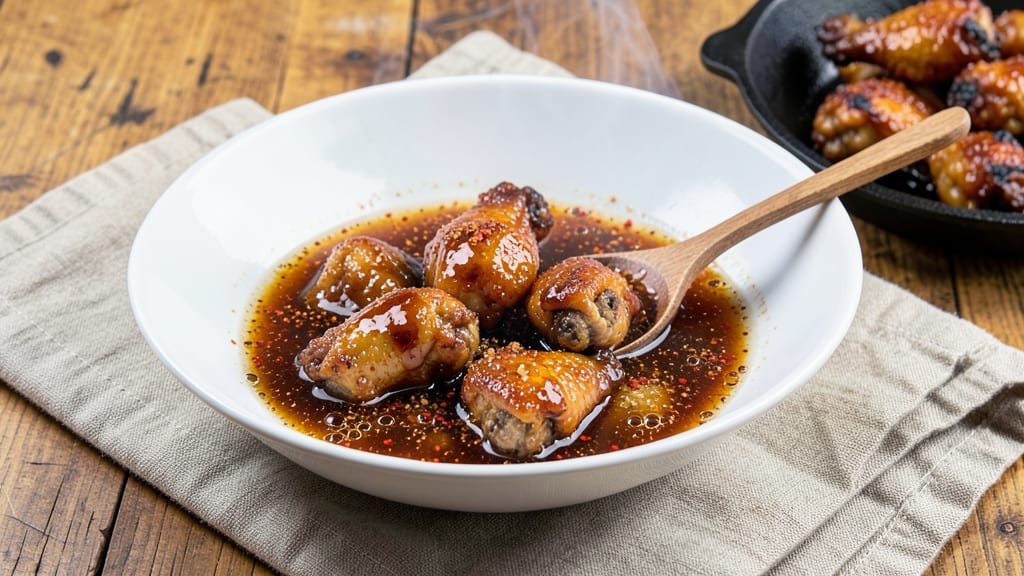
Capturing Syberg's signature wing sauce at home delivers that perfect balance of smoky-sweet heat that makes every bite unforgettable. This recipe uses a precise blend of soy sauce, vinegar, and spices to recreate the restaurant's signature tangy depth and subtle caramelized notes.
The key lies in simmering the ingredients until the flavors meld into a glossy, aromatic sauce with just the right amount of kick.
What sets this sauce apart is the careful combination of brown sugar for caramelization, liquid smoke for that signature smokiness, and cayenne for controlled heat. Unlike many store-bought versions, this recipe avoids artificial flavors while delivering the same bold, complex taste.
The process is straightforward—simmer, blend, and adjust—but the result is restaurant-quality sauce that elevates any dish from appetizer to wings.
Once you taste this sauce, you'll understand why it's become a cult favorite. The smoky-sweet profile coats every bite with a velvety sheen, while the underlying heat lingers just enough to keep your taste buds engaged.
Whether you're making a batch for game day or stocking your pantry for future cravings, this sauce delivers consistent, professional results every time.
For those who prefer to customize, you can easily adjust the heat level by adding more cayenne or reduce the sweetness by cutting back on the sugar. Store the sauce in an airtight container in the refrigerator for up to two weeks, or freeze it for longer storage.
Let's recreate that iconic Syberg's flavor at home—perfectly balanced and ready to transform your next meal.
Ingredients for syberg's wing sauce
Nine simple ingredients transform into Syberg's iconic smoky-sweet wing sauce.
| Ingredient | Amount | Notes |
|---|---|---|
| Kosher Soy Sauce 🍶 | ½ cup | Light or dark variety preferred |
| Apple Cider Vinegar 🍏 | ½ cup | For authentic tanginess |
| Light Brown Sugar 🍚 | ½ cup | Packed firmly for caramelization |
| Liquid Smoke 🔥 | 1 tbsp | High-quality, no artificial flavors |
| Cayenne Pepper 🌶️ | 1 ½ tbsp | Adjust for desired heat level |
| Garlic Powder 🧄 | 1 tsp | Freshly ground preferred |
| Ground Black Pepper 🌶️ | 1 tsp | Freshly cracked for depth |
| Ground Ginger 🌿 | ½ tsp | Freshly ground for warmth |
| Onion Powder 🧅 | ½ tsp | For subtle sweetness |
| Salt 🧂 | 1 ½ tsp | Diamond Crystal preferred |
The soy sauce and vinegar are your flavor anchors—Kikkoman or Bragg work best for that authentic depth. Liquid smoke is non-negotiable here; Columbus Craft or Queen City brands deliver the real smoky punch without artificial aftertaste. Brown sugar should be packed firmly—don't scoop it loosely, or you'll end up with a thinner sauce. For cayenne, Penzeys or McCormick ground varieties are reliable, but taste first—some brands run hotter than others. I always double-check the expiration date on spices; stale ginger or garlic powder can make the whole sauce taste flat.
No apple cider vinegar? White vinegar or balsamic in a pinch, but the flavor will shift slightly. Short on liquid smoke? Smoked paprika at half the amount adds color but lacks depth. The garlic and onion powders can be swapped for fresh, but toasted and ground for 30 seconds in a dry pan first—game changer. For heat control, start with less cayenne and add gradually. If your sauce tastes too sweet, balance with a splash more vinegar; too tangy? A pinch of sugar or extra soy sauce fixes it. And trust me, never skip the salt—it rounds out all the flavors.
This sauce keeps beautifully—2 weeks refrigerated in an airtight jar, or 6 months frozen in ice cube trays. The flavors actually improve with time as everything melds together. For game day, I make a big batch and freeze portions in 1-tablespoon servings—perfect for tossing wings or dipping. If you're making this ahead, let it cool completely before storing to prevent condensation. And if you're feeling fancy, strain it through a fine-mesh sieve for that ultra-smooth Syberg's texture.
Why You'll Love This Recipe
- Five-Ingredient Magic: I swear, this sauce comes together with just a whisk and a bowl—no fancy techniques, no measuring cups to lose. The brown sugar and vinegar caramelize in minutes, while the liquid smoke adds that smoky depth without needing a grill. Honestly, I’ve made it while waiting for pizza to bake.
- Smoky-Sweet Heat: That cayenne packs a punch, but the soy and apple cider vinegar balance it into something addictive—not too sharp, not too sweet. The liquid smoke gives it this unmistakable BBQ soul, like a campfire in a bottle. My husband licks the spoon between us.
- Game for Any Occasion: Use it on wings, sure, but I’ve tossed it with roasted Brussels sprouts, drizzled it over grilled chicken, even stirred it into fried rice. It’s the secret weapon for when you want flavor but don’t want to slave over a marinade. (Yes, even on a Tuesday night.)
- Leftovers That Last: This sauce keeps for weeks in the fridge—no waste, no stress. A little goes a long way, so you’re not drowning in extra. I’ll be real: I’ve had it last three weeks in my fridge, and it’s still brought people back for seconds. Budget-friendly? Absolutely.
Step-by-step instructions for Syberg's wing sauce
Here's how to craft that signature smoky-sweet heat that makes Syberg's wings legendary.
Combine Wet Ingredients for the Base
In a medium saucepan over medium-low heat, pour in the 0.5 cup kosher soy sauce and 0.5 cup apple cider vinegar. Stir gently to begin integrating these foundational flavors. The vinegar will add bright acidity that balances the sauce's richness, while the soy sauce provides that essential umami backbone.
Add the 0.5 cup light brown sugar and 1 tbsp liquid smoke, stirring constantly until the sugar begins to dissolve completely. This step is crucial—the sugar needs to caramelize slightly to develop that signature sticky, glossy texture. Let the mixture simmer for 5-7 minutes, watching closely as it thickens and darkens. You'll notice the aroma deepen with smoky-sweet notes—this is where the sauce starts taking shape.
Incorporate Dry Seasonings for Depth
Reduce the heat to low and sprinkle in the 1.5 tbsp cayenne pepper, 1 tsp garlic powder, 1 tsp ground black pepper, 0.5 tsp ground ginger, 0.5 tsp onion powder, and 1.5 tsp salt. Stir vigorously with a wooden spoon, making sure all the dry ingredients dissolve completely into the liquid. This is where the sauce gets its complex character—the cayenne delivers heat, while the ginger and onion powder add subtle warmth and sweetness.
Let the mixture simmer for an additional 3-4 minutes, stirring frequently. You'll see the sauce begin to thicken noticeably—this is the point where it starts developing that perfect balance between sticky and pourable. Taste as you go; if you want more heat, add a pinch more cayenne. If it needs brightness, a splash of apple cider vinegar works wonders. The goal is a sauce that's bold but not overpowering.
Simmer to Perfect Consistency
Continue simmering on low heat for 8-10 minutes, stirring occasionally, until the sauce reaches your desired thickness. It should coat the back of a spoon smoothly but still be pourable enough to glaze wings effectively. If it thickens too quickly, add 1-2 tablespoons of water to loosen it—this helps maintain the right balance for dipping and tossing.
Here's the thing—this sauce needs to rest. Once it reaches the right consistency, transfer it to a clean bowl and let it cool for 15-20 minutes at room temperature. This resting period allows the flavors to meld completely and the sauce to reach its ideal texture. The longer it sits, the more complex and harmonious the flavors become. Trust the process; patience here makes all the difference.
Pro Tips For Making Syberg'S Wing Sauce
- WHISK IT WELL: Don’t just stir this sauce—give it a proper whisking for 30 seconds after combining. The brown sugar takes forever to dissolve if you’re lazy, and you’ll end up with grainy bits that ruin the smoothness. I learned this the hard way after tasting clumps in my first batch.
- MEASURE THE CAYENNE: Start with half the cayenne called for, taste, then add more if needed. That powder is deceptive—what looks like a "light dusting" can turn your sauce into a mouth-on-fire disaster. Trust me, you’ll regret eyeballing it.
- LET IT REST: Walk away for 10 minutes after mixing—no peeking. The vinegar and soy sauce need time to mellow out, and rushing to taste it means you’ll either add more sugar or cayenne in panic. Patience here makes the sauce balanced.
- SMOKE IT RIGHT: Add the liquid smoke last, just before serving, and stir gently. Too early, and the smoky flavor gets lost in the cooking process. Too late, and it won’t distribute evenly—think of it like a whisper you don’t want to miss.
Serving suggestions for this recipe
Wings Perfection
Syberg's wing sauce shines brightest on crispy fried wings, whether you're making them from scratch or using store-bought. Toss wings in 1 cup sauce while still hot, letting them soak up that smoky-sweet goodness for 2-3 minutes.
For extra crispiness, toss them on a wire rack after frying before applying the sauce. I like to double-dip for maximum flavor—first in sauce, then back in sauce again after resting. 🍗
Dipping Sauce Magic
This sauce doubles as an incredible dipping sauce for everything from fries to mozzarella sticks. Serve it warm in a small crock pot or sauce boat for easy dipping. For presentation, drizzle a thin layer over the sauce and sprinkle with toasted sesame seeds or chopped scallions.
I often serve it with a side of celery sticks and carrot sticks for that classic wing night combo.
Grilled Meats
Brush this sauce on grilled chicken, pork chops, or even ribs during the last 5-7 minutes of cooking. The smoky notes complement grilled flavors beautifully. For ribs, apply sauce after the fall-off-the-bone stage and broil for 2-3 minutes to caramelize.
I love using it on grilled shrimp skewers too—just toss them in sauce during the final minute of grilling. 🔥
Breakfast Twist
Use this sauce to elevate breakfast dishes like fried eggs, bacon, or breakfast potatoes. Drizzle over scrambled eggs or use it as a marinade for breakfast sausage. For a fun presentation, create a "wing sauce" station with the sauce, hot sauce, and a sprinkle of crumbled bacon bits.
It's a game-changer for brunch crowds.
Vegetarian Options
This sauce works wonderfully on plant-based proteins too. Toss it with baked tofu, seitan, or even roasted cauliflower. For extra richness, mix 1 tbsp olive oil into the sauce before tossing.
I've had great success using it on grilled portobello mushrooms—just brush on sauce during the last few minutes of grilling. 🌱
Storage Hacks
Keep leftover sauce in an airtight container in the fridge for up to 2 weeks, or freeze in 1-tablespoon portions for easy single-use servings. To reheat, warm gently in a saucepan over low heat or microwave in 30-second bursts, stirring between each.
If the sauce thickens too much after refrigeration, thin with 1-2 teaspoons of water or apple cider vinegar before reheating.
Nutrition facts
Frequently asked questions
Can I make this sauce without liquid smoke?
Yes, but the flavor will be different. Use 1 tbsp smoked paprika plus ½ tsp garlic powder for a milder smoky note. For deeper smoke, add ½ tsp chipotle powder (adjust heat level). The sauce will still taste great, but it won't have that authentic Syberg's smokiness.
How do I adjust the heat level?
Start with the 1.5 tbsp cayenne as written for a balanced heat. For milder sauce, reduce to 1 tsp cayenne and add ½ tsp sweet paprika for color. For extra spice, increase to 2 tbsp cayenne or add a pinch of red pepper flakes. Always taste as you go!
Why did my sauce turn out too thick?
This usually happens from over-simmering or too much sugar. Thin with 1-2 tbsp water or apple cider vinegar while warm. For future batches, simmer on low heat and stir frequently. If it's still too thick after thinning, try reheating with 1 tbsp water next time.
Can I use this sauce on other proteins besides wings?
This versatile sauce works beautifully on grilled chicken, pork chops, or even tofu. For best results, apply during the last 5-7 minutes of cooking to prevent burning. It also makes an amazing marinade—let proteins soak for 1-2 hours before cooking for deeper flavor.
How long does it take to make this sauce?
About 25-30 minutes total, including simmering and resting time. The actual cooking takes only 15 minutes, but letting it cool for 15-20 minutes is crucial for flavors to meld. Plan ahead—this sauce tastes even better the next day as flavors develop!