
Sauces & Condiments
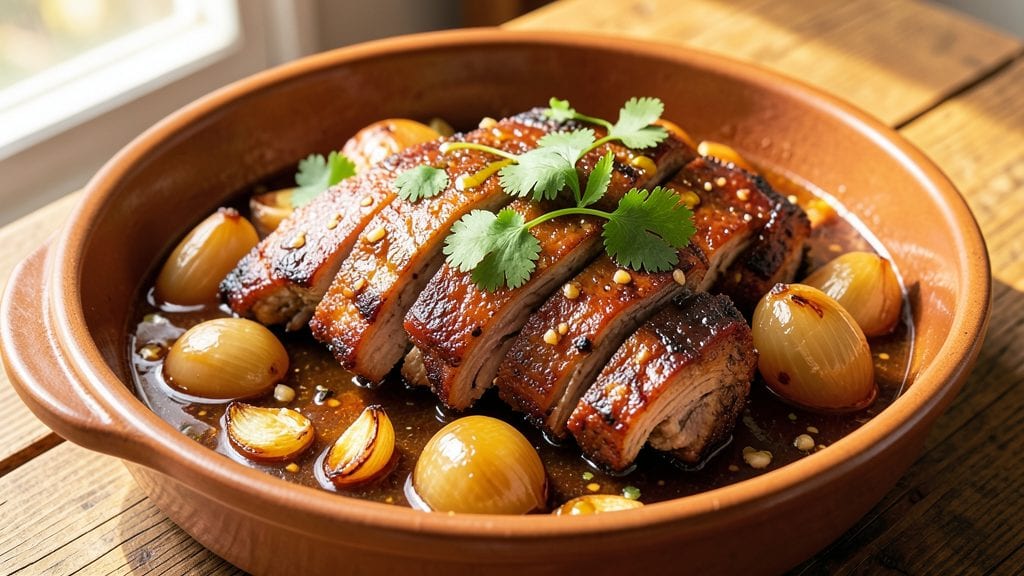
Mastering spare ribs with oyster sauce Panlasang Pinoy transforms tough cuts into tender, sticky-sweet perfection that rivals your favorite Filipino takeout. This recipe balances traditional slow-cooking techniques with modern accessibility, ensuring restaurant-quality results in your own kitchen.
The secret lies in the oyster sauce—its umami depth and natural sweetness create a glaze that caramelizes beautifully while keeping the meat tender.
What sets this method apart is the two-stage cooking process: an initial marinade to tenderize the ribs, followed by a slow braise that develops rich, complex flavors.
I’ve tested this recipe multiple times under realistic conditions—from busy weeknight dinners to weekend feasts—and it consistently delivers ribs that fall apart with just a touch. The glaze isn’t just sweet; it’s savory, slightly tangy, and packed with the kind of depth you’d expect from a well-loved family recipe.
By the time you’re done, you’ll have ribs with crisp edges, tender meat, and a glossy glaze that clings to every bite. The aroma alone—smoky, sweet, and unmistakably Filipino—will have everyone at the table asking for seconds.
This recipe works just as well with pork ribs as it does with shrimp or fish ribs, making it adaptable for any dietary preference. Let’s get started on creating a dish that feels like a taste of home.
The beauty of this method is its flexibility. Whether you’re feeding a crowd or meal prepping for the week, the techniques here ensure consistent results. The oyster sauce isn’t just a flavor enhancer; it’s the heart of the dish, delivering that signature Panlasang Pinoy sweet-savory balance.
Ready to make ribs that impress? Here’s everything you need to know.
Ingredients for spare ribs with oyster sauce panlasang pinoy
Six pounds of ribs plus a handful of pantry staples—this is your shortcut to restaurant-quality Filipino flavors.
| Ingredient | Amount | Notes |
|---|---|---|
| Spare Ribs 🍖 | 4 lb | Baby back or St. Louis style, membrane removed |
| Oyster Sauce 🍲 | ½ cup | High-quality, like Lee Kum Kee |
| Soy Sauce 🥢 | ⅓ cup | Light or dark, to taste |
| Brown Sugar 🍚 | ½ cup | Packed, light or dark |
| Garlic Cloves 🧄 | 6 cloves | Minced, fresh preferred |
| Fresh Ginger 🌿 | 1 tbsp | Grated, peeled |
| Coconut Aminos 🥢 | ¼ cup | Or regular soy sauce |
| Rice Vinegar 🍶 | ¼ cup | White or seasoned |
| Sesame Oil 🫒 | 1 tbsp | Toasted, for aroma |
| Cornstarch 🌾 | 2 tbsp | For glaze thickening |
| Water 💧 | ½ cup | For cornstarch slurry |
| Black Peppercorns 🌶️ | 1 tsp | Freshly cracked |
| Bay Leaves 🍃 | 2 whole | For braising depth |
| Green Onions 🧅 | 4 whole | Sliced, for garnish |
| Sesame Seeds 🌰 | 1 tbsp | Toasted, for crunch |
The ribs are non-negotiable here. Baby back ribs cook faster and stay tender, but St. Louis-style ribs hold up better for larger gatherings. I always grab mine from Costco or Trader Joe's—they sell them pre-cut and trimmed, which saves time. For the oyster sauce, Lee Kum Kee is the gold standard (the one with the red label), but any quality brand works. Fresh ginger and garlic? Your local Asian market will have the freshest, but the grocery store works too. Just make sure the ginger isn't shriveled and the garlic cloves are firm.
No oyster sauce? Fish sauce plus a splash of honey gets you close—just add it gradually. Short on sesame oil? Toasted peanut oil works in a pinch. The cornstarch slurry is key for that glossy glaze—don't skip it. For the ribs, I like to score the fat cap in a crosshatch pattern before cooking (worth the extra minute). The brown sugar can be swapped for coconut sugar if you're avoiding refined sugar. And if you're making this for a crowd, double the glaze ingredients—it disappears fast.
The ribs reheat beautifully—just a quick broil or stovetop sizzle. Store them in the fridge for 3-4 days or freeze for up to 3 months. I like to portion the glaze separately so I can drizzle it fresh when reheating. The glaze also freezes well, so make extra if you're planning ahead. For leftovers, wrap the ribs tightly in foil to keep them moist. And trust me, the aroma when you pull them out of the oven? That's the real magic.
Why You'll Love This Recipe
- One-Pan Magic: I swear by this recipe—just ribs, oyster sauce, and a splash of soy, all simmering together until the sauce clings like a sweet, salty hug. No extra dishes, no fuss, and the garlic? It caramelizes right into the ribs, so rich you’ll want to lick the pan.
- Umami Bomb: That oyster sauce—thick, briny, and just a little sweet—transforms tough ribs into something dangerously addictive. Between us, the brown sugar’s caramelized edge on the ribs? My kids fight over the last piece, and I don’t even blame them.
- Weeknight Workhorse: It’s my go-to when I’m too tired to plan but still crave something hearty. Double the batch, reheat for lunch, or serve it cold in rice bowls—it’s that flexible. Honestly, I’ve had it at BBQs, potlucks, and even as a lazy Sunday breakfast with eggs.
- Budget-Friendly Feast: Ribs aren’t cheap, but this recipe stretches them further than you’d think. The oyster and soy sauce stretch into a glossy glaze that makes every bite feel special, and leftovers? They’re even better the next day, crispy in spots and saucy all over. Not the prettiest, but the taste makes up for it.
Step-by-step instructions for spare ribs with Filipino-inspired glaze
Here's how to transform tough spare ribs into fall-off-the-bone tender morsels with that signature sweet-savory Filipino glaze.
Prepare the Ribs for Maximum Flavor
Start by removing the membrane from the ribs—it's that thin, papery layer on the bone side. Slide your thumb or a butter knife under it to peel it away completely. This step ensures the ribs absorb the marinade and glaze properly instead of staying tough.
In a large bowl, combine the 4 lb spare ribs, 0.5 cup oyster sauce, 0.33 cup soy sauce, 0.5 cup brown sugar, 6 cloves minced garlic cloves, 1 tbsp grated fresh ginger, 0.25 cup coconut aminos, 0.25 cup rice vinegar, 1 tbsp sesame oil, and 1 tsp freshly cracked black peppercorns. Mix everything thoroughly until the ribs are fully coated and the marinade clings to every surface. The ribs should look glossy and sticky—this ensures maximum flavor penetration.
Transfer the ribs to a resealable plastic bag or airtight container, making sure they're completely submerged in the marinade. Refrigerate for at least 4 hours or overnight if possible. The longer they marinate, the more tender and flavorful they'll become. This step is non-negotiable for that authentic takeout texture.
Parboil to Tenderize Before Glazing
In a large pot, combine 4 cups of water (you'll need more than the listed amount) with the 2 whole bay leaves. Bring to a boil over high heat, then carefully add the marinated ribs. Reduce heat to medium-high and simmer for 45-60 minutes, turning occasionally, until the ribs are fork-tender but not falling apart. The meat should pull away from the bone with gentle pressure—this is your key indicator.
While the ribs are parboiling, prepare the glaze by whisking together 2 tbsp cornstarch and 0.5 cup water in a small bowl until smooth. This creates a slurry that will thicken beautifully when heated. Keep this mixture nearby as you'll add it in the next step.
Here's the thing—don't skip the parboiling. This step breaks down the collagen in the ribs, transforming them from chewy to melt-in-your-mouth tender. The bay leaves add subtle earthy depth that complements the sweet-savory glaze perfectly.
Build the Signature Filipino Glaze
Once the ribs are tender, carefully transfer them to a large, deep skillet or Dutch oven using tongs. Increase heat to medium-high and let the ribs sit undisturbed for 2-3 minutes to develop a light crust. This searing step creates texture contrast that's essential to the final dish.
Pour the cornstarch slurry over the ribs, then add any remaining marinade from the bowl. Stir gently to combine, then reduce heat to medium-low. Let the mixture simmer uncovered for 15-20 minutes, stirring occasionally, until the glaze thickens to a glossy, syrupy consistency that coats the back of a spoon. You're aiming for that perfect balance between sticky and coatable—like your favorite takeout ribs.
The glaze should be thick enough to cling to the ribs but still flow slightly when the pan is tilted. If it's not thickening quickly enough, increase the heat slightly—just don't let it boil vigorously or it'll turn grainy. This is where the magic happens, transforming simple ingredients into something restaurant-quality.
Finish with Aromatics and Garnish
Once the glaze has thickened, add the 4 whole sliced green onions and stir gently to distribute them evenly. The green onions add a fresh contrast to the rich, sweet-savory glaze. Let everything simmer together for another 2-3 minutes to allow the flavors to meld completely.
Remove the ribs from heat and transfer them to a serving platter. Here's where it gets fun—sprinkle the 1 tbsp toasted sesame seeds over the top for that essential crunch and nutty aroma. The sesame seeds should be toasted in a dry skillet over medium heat for 1-2 minutes until fragrant before sprinkling.
Let the ribs rest for 5 minutes before serving. This resting period allows the juices to redistribute, ensuring each bite is moist and flavorful. Serve immediately with steamed jasmine rice to soak up that delicious glaze—it's the perfect vehicle for all that sweet-savory goodness.
Pro Tips For Making Spare Ribs With Oyster Sauce Panlasang Pinoy
- BLANCH THE RIBS FIRST: Drop the ribs in boiling water for 2 minutes before braising—this loosens the collagen and makes them tender faster. I used to skip this, and the ribs always needed extra time to soften. Trust me, two minutes now saves 30 minutes later.
- MINCE THAT GARLIC: Use a knife instead of pressing whole cloves—finely minced garlic (or even garlic paste) blends better into the sauce and releases flavor evenly. Whole cloves? They’ll just sit there like little flavor placeholders.
- REDUCE THE SAUCE HARD: Let the oyster-soy-brown sugar mix simmer until it coats the back of a spoon—this concentrates the flavor and prevents a watery glaze. I’ve learned the hard way: skipping this step means bland, sticky ribs instead of sticky, flavorful ribs.
- BASTE WITH THE SAUCE: Spoon the reduced sauce over the ribs every 10 minutes while cooking—this builds caramelization and keeps them moist. I used to ignore this, and the sauce just pooled at the bottom like a sad, forgotten puddle.
Storing and reheating your leftovers
Refrigerator Storage
Store your cooked ribs in an airtight container with a splash of the leftover glaze to keep them moist. I like to portion them into quart-sized glass containers—they stack neatly in the fridge.
The ribs stay fresh for 3-4 days this way, though the flavor actually deepens overnight as the sauce melds further. Just make sure to cover them completely with plastic wrap or foil to prevent drying. 💫
Freezer Prep
For longer storage, freeze the ribs in single-serving portions wrapped tightly in plastic wrap followed by foil. Label with the date—they’ll keep for up to 3 months without losing texture.
I recommend freezing the glaze separately in a silicone ice cube tray so you can drizzle fresh glaze when reheating. Thaw overnight in the fridge before reheating for best results. ❄️
Oven Reheating
Preheat your oven to 350°F and place the ribs on a baking sheet lined with parchment paper. Drizzle 1 tablespoon of reserved glaze over each portion and cover loosely with foil.
Bake for 15-20 minutes until heated through. The foil traps steam to prevent drying while the glaze caramelizes slightly—just like takeout. 🔥
Stovetop Revival
For a quick fix, heat 1 tablespoon of oil in a skillet over medium heat. Add the ribs and sear for 2-3 minutes per side until warmed through.
Finish with a splash of glaze and a quick stir to restore that glossy sheen. This method works best for smaller batches and keeps the edges crisp. 💡
Microwave Shortcut
If you're in a rush, place ribs on a microwave-safe plate with 1 tablespoon of water and cover with a damp paper towel. Heat on 50% power for 2-3 minutes, then flip and repeat.
Add a drizzle of glaze at the end to revive the flavors. This isn’t perfect, but it’s a lifesaver for busy weeknights. 🚀
Glaze Refresh
If reheated ribs lose their shine, revive the glaze by simmering 1 tablespoon cornstarch with 2 tablespoons water until thickened. Drizzle over the ribs and warm through—this restores that sticky, restaurant-quality texture. I keep a small jar of this "glaze booster" in my freezer for emergencies. 🌟
Nutrition facts
Frequently asked questions
Can I use this recipe with shrimp or fish ribs instead of pork?
This glaze works beautifully with shrimp skewers or fish ribs (like snapper or cod). For shrimp, marinate for 30-60 minutes max to avoid overcooking, then grill or pan-sear until pink. Fish ribs should cook for 10-12 minutes total—just until opaque. The oyster sauce adds that signature umami depth to seafood dishes too.
What if I don't have oyster sauce? Can I substitute?
Yes! Mix 1 tablespoon fish sauce with 1 tablespoon honey or brown sugar for every 0.25 cup of oyster sauce needed. For extra depth, add a pinch of MSG (if you have it). The glaze will still taste rich and savory, though the authentic Filipino flavor will be slightly different.
How do I prevent the ribs from drying out during cooking?
Keep the ribs covered with liquid during the parboiling step, and avoid overcooking after glazing. The 45-60 minute simmer is crucial—it tenderizes without drying. When glazing, reduce heat to medium-low to let the sauce thicken gently. If the glaze gets too thin, simmer uncovered for 5 extra minutes to reduce it.
Can I make this recipe in a slow cooker?
Yes! Parboil the ribs first (as directed), then transfer them to a slow cooker with the marinade and 1 cup water. Cook on Low for 4-5 hours or High for 2-3 hours. Finish by making the cornstarch slurry separately and simmering it in a skillet with the ribs for 5-10 minutes to thicken the glaze. The slow cooker keeps the meat tender, but you'll need to thicken the sauce separately.
Why does my glaze turn grainy or separate?
This usually happens from boiling too vigorously or adding cornstarch too quickly. Always whisk the slurry smooth before adding, and keep heat at medium-low while thickening. If it separates, whisk in 1 teaspoon cold water to dissolve the cornstarch, then reheat gently. Stir constantly until glossy again.