
Sauces & Condiments
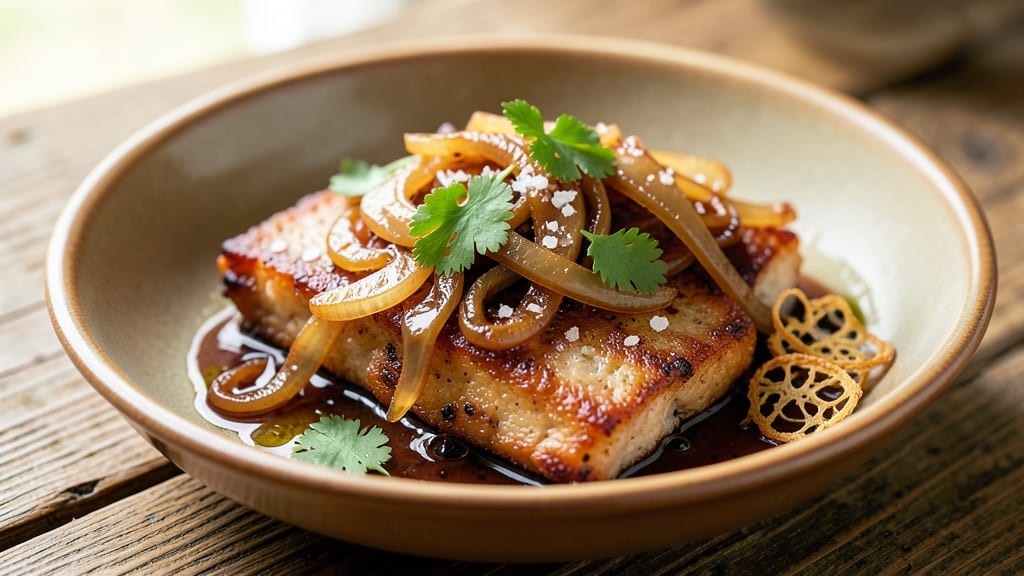
This Spam sauce recipe transforms humble canned meat into an umami-rich condiment that elevates everything from fried rice to grilled sandwiches.
The secret lies in balancing soy sauce, brown sugar, and vinegar for that signature sweet-sour depth, then finishing with caramelized onions for crispy texture contrast. My version simmers down to a thick, glossy sauce that clings perfectly—no lumps, no aftertaste, just pure flavor impact.
The crispy onion topping adds a satisfying crunch that cuts through the richness.
What you'll end up with is a versatile sauce that's perfect for stir-fries, noodle dishes, or even as a glaze for roasted vegetables. It keeps well in the fridge for up to a week, making it ideal for meal prep.
The caramelized onions develop deeper flavor the longer they sit, so making extra is always worth it.
This isn't just a sauce—it's a flavor multiplier that turns simple meals into restaurant-quality experiences. Let's make it.
Ingredients for spam sauce
Ten simple ingredients transform canned Spam into a restaurant-worthy sauce with crispy onion magic.
| Ingredient | Amount | Notes |
|---|---|---|
| Spam 🥓 | 1 lb | Diced into 1/2-inch pieces |
| Yellow Onions 🧅 | 1 whole | Thinly sliced for caramelizing |
| Soy Sauce 🍶 | ½ cup | High-sodium preferred for depth |
| Brown Sugar 🍚 | ½ cup | Light or dark works equally |
| Rice Vinegar 🍶 | ¼ cup | White or seasoned vinegar |
| Extra-Virgin Olive Oil 🫒 | ¼ cup | For caramelizing onions |
| Garlic Cloves 🧄 | 3 cloves | Minced for aromatic base |
| Fresh Ginger 🌿 | 1 tbsp | Finely grated, fresh preferred |
| Sesame Oil 🫒 | 1 tbsp | Toasted for nutty aroma |
| Cornstarch 🌾 | 1 tbsp | For thickening sauce |
The Spam is the star, but the onions make this sauce sing. Yellow onions caramelize best—avoid red or white, which turn mushy. Grab the sweetest yellows you can find at Trader Joe's or Whole Foods for deeper flavor. For the soy sauce, Japanese brands like Kikkoman have that perfect balance of salt and umami. Brown sugar should be packed—light or dark, but no substitutes like honey here. The ginger? Fresh is non-negotiable—dried powder lacks that bright zing. I always buy extra ginger at Costco since it keeps for months in the freezer.
No soy sauce? Coconut aminos at 1:1 ratio works in a pinch, though it's lighter. Running low on brown sugar? Maple syrup or agave can stand in, but reduce the rice vinegar by half to balance sweetness. Sesame oil out of reach? Toasted sesame seeds at 1/4 the amount add similar nuttiness. The cornstarch is crucial for that perfect glossy finish—don't skip it. For the onions, if you burn them, just start over. Patience is key here—the longer they caramelize, the deeper the flavor. The garlic and ginger can be prepped while the onions cook, saving time.
This sauce keeps beautifully—1 week in the fridge or 3 months frozen. I always make extra because it's perfect for leftovers. Store it in a glass jar with a tight lid to preserve that glossy sheen. The crispy onions? Transfer them to a paper towel-lined plate to keep them crunchy. Reheat the sauce gently on the stove—microwaving makes it watery. The longer it sits, the better it tastes. Trust me on this.
Why You'll Love This Recipe
- Pantry Magic: I swear by this sauce because it uses stuff I always have—no special trips to the store. Slice onions, chop Spam, toss in soy, sugar, and vinegar, then simmer. That’s it. No fancy gadgets, no stress.
- Sweet-Savory Magic: The brown sugar caramelizes with the soy sauce while the rice vinegar brightens it all up. It’s salty, sweet, and just a little tangy—like a grown-up version of that weirdly addictive snack mix you can’t stop eating.
- Leftover Hero: This sauce keeps for days in the fridge and only gets better as the flavors meld. Drizzle it over rice, stir into fried eggs, or even slather it on grilled cheese. I’ve made it last a week with zero complaints.
- Budget Stretch: Spam’s cheap, onions are dirt, and the rest cost pennies. Here’s what sold me—this feeds four for under $5, and I’ve turned it into everything from quick stir-fries to a last-minute BBQ glaze. No guilt, all flavor.
Step-by-step instructions for Spam sauce with crispy onion topping
Here's how to build a rich, umami-packed sauce with perfectly caramelized onions on top.
Caramelize the Onions for Crispy Topping
Heat the 0.25 cup extra-virgin olive oil in a large skillet over medium-low heat. Add the 1 whole yellow onions, sliced thinly, and cook undisturbed for 10 minutes until they begin softening at the edges. Here's the thing—you want them to stay intact while developing color, so resist the urge to stir too often.
After 10 minutes, reduce heat to low and continue cooking for another 20-25 minutes until the onions turn deep golden brown with crispy edges. They should smell intensely sweet and caramelized. If they start sticking, add 1 tablespoon water and scrape the bottom gently to deglaze. Spread the onions on a plate to cool while you prepare the sauce base.
Sear the Spam for Maximum Flavor
In the same skillet (no need to clean it—the browned bits add depth), increase heat to medium-high and add the 1 lb spam, diced into ½-inch pieces. Cook for 4-5 minutes until the edges turn golden brown and the pieces release easily from the pan. You're not fully cooking the spam here—just getting that initial sear that builds flavor.
Remove the spam with a slotted spoon and set aside. The residual fat in the pan will become the foundation of your sauce. If the pan looks dry, add 1 tablespoon water to scrape up any browned bits—this is where all the umami flavor hides.
Build the Sauce Base with Aromatics
Return the skillet to medium heat and add the 3 cloves garlic cloves, minced, and the 1 tbsp fresh ginger, finely grated. Cook for 30 seconds until fragrant—you should smell that bright, zesty aroma. Be careful not to let them burn; they cook fast and turn bitter quickly.
Pour in the 0.5 cup soy sauce and 0.5 cup brown sugar, stirring to combine. The mixture will bubble vigorously—let it cook for 2 minutes until the sugar begins to dissolve. Then add the 0.25 cup rice vinegar and 1 tbsp sesame oil, stirring well to incorporate. This is where the sauce starts to come together with that perfect balance of sweet, salty, and tangy.
Thicken and Finish the Sauce
Return the seared spam to the skillet and stir to coat in the sauce. Sprinkle the 1 tbsp cornstarch over the top and stir vigorously for 1-2 minutes until the sauce thickens to a glossy, coating consistency. You're looking for a sauce that clings to the back of a spoon—it should coat the spam pieces evenly without being gluey.
Taste and adjust seasoning if needed. I usually add a pinch more soy sauce if it tastes too sweet, or a splash of rice vinegar if it needs more acidity. The sauce should be rich, slightly sticky, and packed with umami flavor.
Assemble with Crispy Onion Topping
Transfer the sauce to a serving dish and let it cool slightly for 2 minutes. Then, top with the caramelized onions you prepared earlier. The contrast between the crispy onions and the glossy, thick sauce is what makes this dish special.
Serve immediately over rice or noodles for the best texture experience. The onions stay crispy on top while the sauce below remains warm and flavorful. If making ahead, store the sauce and onions separately and reheat gently before serving to maintain that perfect texture.
Pro Tips For Making Spam Sauce
- CRISP THE ONIONS FIRST: Slice those yellow onions paper-thin and cook them in a dry pan for 3-4 minutes before adding anything else. The caramelized bits at the bottom are where the flavor lives—don’t skip this step, even if you’re tempted to toss them in raw.
- CUT SPAM INTO SLICES: Instead of dicing or crumbling, slice the Spam into ¼-inch thick pieces. They’ll cook faster, absorb the sauce better, and stay tender—no more rubbery chunks ruining the dish.
- SWEAT THE SOY SAUCE: Add the soy sauce to the pan after the onions soften but before the Spam goes in. Let it bubble for 30 seconds to cook off some of the sharpness—this balances the sweetness later without overpowering.
- STIR IN SUGAR LAST: Hold off on the brown sugar until the very end. If you add it too early, it’ll burn before the Spam and onions get tender. A quick toss at the finish keeps it glossy and melty—not bitter.
Regional styles of this recipe
Hawaiian Spam Musubi Style
In Hawaii, Spam is a cultural icon, and this sauce transforms into the perfect musubi companion. The key is balancing the sauce with 1 tbsp mirin and 1 tbsp furikake seasoning (a Japanese rice seasoning blend) for that authentic island touch.
Serve the sauce over steamed rice in a poke bowl> or as a dipping sauce for Spam musubi—those crispy fried rice balls wrapped in nori. The caramelized onions add a sweet crunch that pairs perfectly with the salty Spam and umami-rich sauce. 🌺
Korean Gochujang Twist
For a Korean-inspired version, stir in 1 tbsp gochujang (Korean red pepper paste) and 1 tsp sesame seeds while building the sauce base. The gochujang adds a deep, spicy-sweet complexity that works beautifully with the crispy onions.
Serve this over steamed rice or as a dipping sauce for kimchi pancakes>. The heat from the gochujang cuts through the richness of the sauce, creating a perfect balance. 🌶️
Filipino Adobo Fusion
Filipino adobo sauce elevates this Spam sauce to new heights. After building the base, add ½ cup coconut vinegar> and 1 tsp black peppercorns> to the simmering sauce, letting it reduce for an extra 5 minutes.
The tangy, slightly sweet adobo flavor pairs perfectly with the crispy onions. Serve this over garlic fried rice> or as a glaze for grilled pork skewers. The Filipino twist makes this sauce feel like a comfort food classic. 🍛
Japanese Okonomiyaki-Inspired
For a Japanese street food vibe, blend the sauce with 1 tbsp Worcestershire sauce> and 1 tsp dashi powder> (for that unmistakable umami depth). Top with a fried egg and extra crispy onions for an okonomiyaki-inspired dish.
Serve it in a bowl with shredded cabbage> and bonito flakes> for a full-on savory experience. The sauce’s thickness makes it perfect for dipping or spreading over grilled meats. 🍳
Southern BBQ Glaze
Turn this sauce into a Southern-style BBQ glaze by swapping the rice vinegar for ¼ cup apple cider vinegar> and adding 1 tbsp smoked paprika> and ½ tsp liquid smoke> to the base.
Brush this glaze over grilled Spam slices or use it as a dipping sauce for fried Spam>. The crispy onions add a sweet contrast to the smoky, tangy glaze. Serve with cornbread> for a true Southern feast. 🔥
Nutrition facts
Frequently asked questions
Can I make this sauce without Spam?
The recipe is designed around Spam's unique umami flavor, but you can substitute with diced ham or pork shoulder if needed. For best results, choose a fatty cut that renders flavor as it cooks. The sauce will still work, though the texture and depth will differ slightly.
How long will the crispy onions stay crunchy?
The onions stay crispy for about 1 hour at room temperature when stored in a paper towel-lined container. For longer storage, keep them separate from the sauce in an airtight container and reheat the sauce gently before serving. The onions will soften if mixed into the sauce too soon.
Can I make this sauce in a slow cooker?
Yes! Caramelize the onions separately first, then combine all sauce ingredients in the slow cooker on low heat for 2-3 hours, stirring occasionally. The cornstarch should be added in the last 30 minutes to thicken properly. The slow cooker method works well for meal prep since it develops deeper flavor over time.
Why did my sauce turn out too thin?
This usually happens if the cornstarch wasn't cooked long enough or if the sauce was diluted with extra liquid. For best results, stir vigorously for 2-3 minutes after adding cornstarch and cook until the sauce reaches a thick, glossy consistency. If it's too thin, simmer uncovered for 5-10 minutes to reduce.
What's the best way to use leftover sauce?
This sauce is incredibly versatile! Use it as a dipping sauce for spring rolls, a glaze for grilled meats, or stir it into fried rice. It also makes an amazing marinade for tofu or chicken. Store leftovers in the fridge for up to 1 week or freeze for 3 months. The flavors actually improve with time!