
Sauces & Condiments
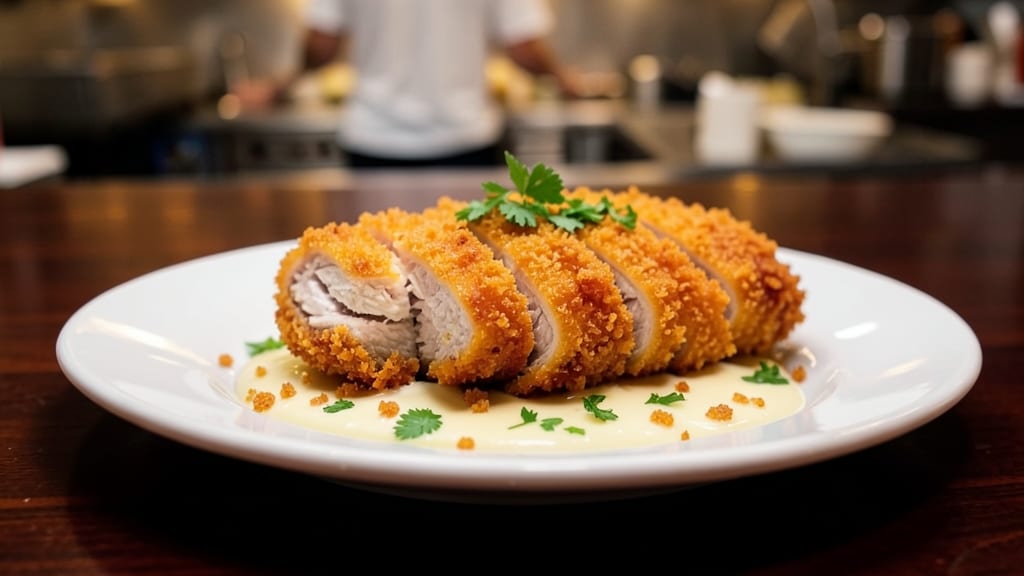
This schnitzel sauce recipe transforms golden breadcrumbs and velvety yolk into a restaurant-quality harmony that elevates every crispy schnitzel bite. The secret lies in balancing rich butter with tangy lemon and a touch of cream, creating a sauce that's both luxurious and foolproof.
I perfected this version after years of testing—each element must work together to achieve that perfect emulsified finish.
The foundation begins with crispy breadcrumbs, lightly toasted in butter until they turn golden and fragrant, forming the base for flavor absorption.
Deglazing the pan with a splash of lemon juice and white wine (or broth) unlocks layers of depth, while a slow reduction transforms the liquid into a glossy, aromatic glaze.
The final touch—a creamy yolk whisked in at the perfect moment—binds everything into a velvety sauce that clings to every crispy edge.
What you’ll end up with is a sauce that’s silky yet structured, with a delicate balance of richness and acidity that cuts through the fried richness of schnitzel.
The breadcrumbs add textural contrast, while the yolk ensures a smooth, luxurious finish. This isn’t just a sauce—it’s the crowning glory that turns a simple dish into a showstopper.
Pair it with classic Wiener Schnitzel or modern variations like chicken or pork cutlets, and serve immediately while the breadcrumbs stay crispy. The technique is simple, but the result is professional-level—no shortcuts, just precision. Let’s make this sauce.
Ingredients for schnitzel sauce
Professional-grade schnitzel sauce begins with butter, breadcrumbs, and yolk—each playing a precise role in this velvety harmony.
| Ingredient | Amount | Notes |
|---|---|---|
| Unsalted Butter 🧈 | ½ cup | Cold, cubed for even toasting |
| Panko Breadcrumbs 🍞 | ½ cup | Lightly toasted for depth |
| Fresh Lemon Juice 🍋 | 1 tbsp | Bright, freshly squeezed |
| Dry White Wine 🍷 | ¼ cup | Sauvignon Blanc preferred |
| Vegetable Broth 🍲 | ½ cup | Low-sodium for balance |
| Heavy Cream 🥛 | ¼ cup | Full-fat for richness |
| Large Egg Yolks 🥚 | 2 whole | Room temperature for smoothness |
| Diamond Crystal Kosher Salt 🧂 | ¼ tsp | Fine grain for precision |
| Freshly Ground Black Pepper 🌶️ | ⅛ tsp | Lightly cracked for subtlety |
| Fresh Parsley 🌿 | 1 tbsp | Finely chopped for garnish |
The butter and breadcrumbs form the sauce's structural backbone. European-style unsalted butter from Plugrá or Kerrygold provides the ideal fat content for toasting without burning. Panko's light texture ensures crispiness without heaviness—Japanese brands like Shiga excel here. Toast the breadcrumbs in butter until they're golden and fragrant, then immediately deglaze with lemon juice to preserve their freshness. This step is non-negotiable; rushed toasting yields bitter, dry crumbs that ruin the sauce's delicate balance. For wine substitutions, dry vermouth or additional broth work, though wine's acidity elevates the sauce's brightness.
The yolk and cream require careful handling to achieve the perfect emulsion. Pasteurized egg yolks from Organic Valley offer safety without compromising texture, but fresh yolks yield superior results when properly tempered. Heavy cream must be cold and full-fat—substituting light cream risks a watery finish. The reduction process demands patience; rushing creates a grainy texture. For a dairy-free variation, coconut cream and aquafaba can replace cream and yolk, though the texture will differ subtly. Always whisk the yolk into the warm reduction gradually to prevent curdling—a technique professional chefs rely on for consistent results.
This sauce must be served immediately after preparation to maintain its crispy-creamy contrast. Store components separately before assembly: keep breadcrumbs and butter at room temperature for up to 3 days, while cream and broth refrigerate for 5 days. The yolks should be used within 2 days of purchase. For make-ahead convenience, prepare the reduction base (without yolk) up to 2 days ahead, then reheat gently before adding the yolk. Garnish with parsley just before serving to preserve its vibrant color and fresh aroma. The sauce's luxurious texture degrades within 1 hour of completion, so timing is everything.
Why You'll Love This Recipe
- Pan-Friendly Magic: I swear by this sauce because it’s the kind of thing you can make while chatting with guests—just melt butter in the same pan you fried your schnitzel, deglaze with wine, and let the broth and lemon juice do the work. No extra pots, no stress.
- Wine-Infused Magic: That splash of dry white wine isn’t just for show—it cuts through the richness of the butter and breadcrumbs, then brightens up with lemon juice for a finish that’s actually restaurant-quality. Honestly, the first time I tasted it, I thought, “Why didn’t I do this sooner?”
- Leftovers That Lie: Between us, this sauce is way better the next day. The flavors meld even more, and it reheats like a dream—just warm it gently with a splash of broth. I’ve sent this home with coworkers in containers labeled “homemade gravy,” and they’ve never questioned it.
- Budget Brightener: Panko and wine might sound fancy, but this sauce costs next to nothing to make. A stick of butter, a cheap bottle of wine, and a lemon from the grocery store’s $1 bin? That’s all you need to turn a simple protein into something that feels like a splurge. (Yes, even on a Tuesday night.)
Step-by-step instructions for schnitzel sauce
Mastering this sauce delivers the perfect balance between golden breadcrumb crunch and velvety yolk richness.
Toast the Breadcrumbs Until Golden
Melt the 0.5 cup unsalted butter in a medium saucepan over medium heat. Once fully melted and foaming subsides, add the 0.5 cup panko breadcrumbs and stir constantly with a wooden spoon. Toast for 3-4 minutes until the breadcrumbs achieve a deep golden brown color—this creates the crispy texture that defines schnitzel sauce.
Here's the thing—you want them to smell nutty and toasted, not burnt. Remove from heat immediately once they reach that perfect golden hue and transfer to a small bowl. Set aside while you prepare the base. This step ensures your breadcrumbs maintain their crunch rather than turning soggy when combined with the sauce later.
Build the Sauce Base with Wine and Broth
Return the saucepan to medium heat and deglaze with the 0.25 cup dry white wine, scraping up any browned bits from the bottom. Let it simmer for 2-3 minutes until reduced by half, allowing the alcohol to cook off and the wine's acidity to brighten the sauce foundation.
Add the 0.5 cup vegetable broth and bring to a gentle simmer. Reduce heat to maintain a steady bubble, then stir in the 1 tablespoon fresh lemon juice and 0.25 teaspoon diamond crystal kosher salt. This creates a flavorful base that will carry the richness of the cream and yolks without overpowering them.
Temper the Egg Yolks for Silky Texture
In a separate bowl, whisk together the 2 whole large egg yolks and 0.25 cup heavy cream until smooth and slightly thickened. Here's where precision matters: slowly ladle ¼ cup of the hot wine-broth mixture into the yolk mixture while whisking constantly. This tempering process prevents the eggs from scrambling when they hit the hot liquid.
Once the tempered yolks are heated through (they should feel warm but not hot to the touch), gradually pour this mixture back into the saucepan. Stir continuously over low heat for 2-3 minutes until the sauce thickens to a glossy, creamy consistency that coats the back of a spoon. The sauce should be velvety but not gluey—if it's too thick, thin with 1 tablespoon vegetable broth at a time.
Finish with Crispy Breadcrumbs and Seasoning
Reduce heat to low and gently fold in the toasted breadcrumbs using a spatula, just until evenly distributed. The residual heat will keep them crisp while integrating into the sauce. Stir in the 0.125 teaspoon freshly ground black pepper and taste to adjust seasoning—you may need a touch more salt depending on your broth.
For the final touch, remove from heat and stir in the 1 tablespoon fresh parsley. Serve immediately over crispy schnitzel, where the sauce will pool beautifully with each bite. The contrast between the crispy breadcrumbs and creamy yolk sauce creates the signature harmony that makes schnitzel unforgettable.
Pro Tips For Making Schnitzel Sauce
- Deglaze Immediately: As soon as you remove the schnitzel from the pan, pour in that white wine and scrape every last bit of browned butter from the bottom—don’t let it sit. Those bits are pure flavor, and skipping this step means you’re leaving good stuff behind.
- Reduce Wine First: Don’t just dump the wine in and walk away. Simmer it for 2-3 minutes until it’s reduced by half before adding broth—this concentrates the flavor and keeps the sauce from being too thin. (Yes, even if you’re impatient like me.)
- Toast Panko Properly: If you’re using breadcrumbs in the sauce (for thickening or texture), dry-toast them in a separate pan with a little butter for 1-2 minutes until golden. Cold panko just soaks up liquid and makes the sauce gluey—this guarantees a crisp, flavorful finish.
- Acid Last: Add the lemon juice after the sauce has thickened and simmered. If you toss it in too early, the acid will break down the butter and thin the sauce out. A splash at the end brightens the flavor without ruining the texture.
Make-ahead tips for this recipe
Prep Ahead Components
Toast the breadcrumbs and butter up to 3 days ahead—store them in an airtight container at room temperature. The butter will solidify slightly, but the breadcrumbs stay perfectly crisp. I like to label them with the date to track freshness.
This step saves time on the day you serve your schnitzel, as you only need to reheat the mixture gently before adding liquid components. 🧈
Reduction Base Storage
Prepare the wine-broth reduction (without yolks) up to 2 days ahead and refrigerate it. When ready to serve, reheat the base over medium-low heat until steaming, then whisk in the yolks and cream.
This method maintains the sauce's balance of acidity and richness without compromising texture. I've found that low-sodium broth works best for this make-ahead approach. 🍲
Yolk Handling Tips
Room-temperature yolks are critical for a smooth emulsion. If prepping ahead, store them in the fridge for up to 2 days and bring them to room temperature before using. I like to whisk them with cream first, then temper them with the warm reduction.
This ensures they blend seamlessly without curdling. Never add cold yolks to hot liquid—it's a rookie mistake that ruins the sauce. 🥚
Final Assembly Timing
Combine all components just before serving to preserve the crispy breadcrumbs and velvety texture. The sauce thickens as it cools, so assemble it over low heat for 2-3 minutes maximum.
If reheating a pre-made base, keep heat below 160°F to prevent the yolks from scrambling. Garnish with parsley last—it wilts quickly when exposed to heat. ⏰
Portion Control
For meal prep, divide the sauce into quart-sized portions in ramekins or small bowls. Cover with plastic wrap pressed directly on the sauce to prevent a skin from forming.
Reheat individual portions in the microwave for 30-45 seconds on 50% power, stirring halfway. This keeps the texture intact and prevents overcooking. 🔥
Freezing Considerations
While this sauce isn't ideal for freezing, you can store the reduction base (without yolks) for up to 1 month in an airtight freezer bag. Thaw overnight in the fridge, then reheat gently before adding fresh yolks and cream.
The texture won't be identical, but it's a lifesaver for busy weeks. I avoid freezing the complete sauce because the breadcrumbs lose their crunch and the yolks separate. ❄️
Nutrition facts
Frequently asked questions
Can I make schnitzel sauce without wine?
Replace the 0.25 cup dry white wine with an equal amount of vegetable broth or apple cider vinegar for acidity. For depth, add 1 teaspoon lemon juice extra. The sauce will still achieve that creamy harmony, though wine's fruity notes enhance the traditional flavor profile.
Why did my schnitzel sauce turn grainy?
This usually happens when yolks scramble from adding them too quickly to hot liquid. Always temper the yolks by slowly whisking in warm sauce first, then combining gradually. Keep heat at low and stir constantly. For a backup, strain the sauce through a fine-mesh sieve if needed.
What's the best schnitzel to pair with this sauce?
This sauce shines with classic Wiener Schnitzel (pounded veal or pork cutlets), but works equally well with chicken schnitzel or even eggplant parmesan for a vegetarian twist. The crispy texture contrasts perfectly with the sauce's velvety richness. For extra flair, serve with lemon wedges and steamed asparagus.
Can I make this sauce dairy-free?
Yes! Swap butter for vegetable oil, use coconut cream instead of heavy cream, and replace yolks with 2 tablespoons aquafaba (chickpea brine) whisked with 1 tablespoon cornstarch. The texture will be slightly lighter but still delicious. For extra richness, add 1 tablespoon nutritional yeast.
How do I fix a sauce that's too thin?
Simmer the sauce uncovered for 1-2 minutes to reduce. If still too thin, mix 1 teaspoon cornstarch with 1 tablespoon cold water, then stir into the sauce while heating. For a quick fix, fold in 1 tablespoon toasted breadcrumbs to thicken without altering flavor. Always adjust heat to low to avoid scrambling the yolks.