
Sauces & Condiments
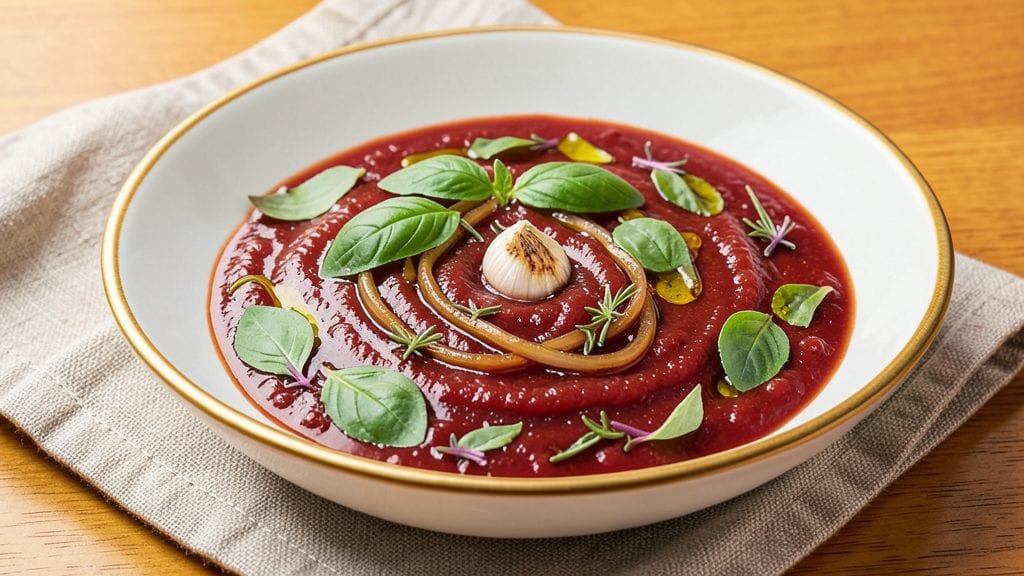
Rita’s simple sauce recipe transforms basic ingredients into a versatile, restaurant-quality base that elevates everything from pasta to grilled meats. This isn’t just another jarred sauce—it’s a homemade foundation built on fresh tomatoes, aromatic garlic, and bright herbs, simmered to perfection for depth without complexity.
The secret lies in balancing acidity and richness, ensuring every spoonful delivers bold flavor without overpowering the dish.
The beauty of this sauce is its adaptability—use it as-is for a quick marinade, thin it with broth for a light drizzle, or reduce it further for a concentrated paste.
With just 10 minutes of active prep and 30 minutes of simmering, you’ll have a batch that keeps in the fridge for up to a week, ready to transform any meal. The ingredients are simple: canned tomatoes, garlic, onions, olive oil, and herbs—but the result is anything but basic.
What makes this sauce truly special is how it enhances rather than dominates. The tomatoes provide a rich, umami backbone, while garlic and herbs add layers of brightness that cut through richness.
When simmered properly, the sauce develops a silky texture and a depth of flavor that jarred versions simply can’t match. It’s the kind of sauce that makes you reach for it again and again, knowing you’ve created something far superior to store-bought.
Whether you’re tossing it with al dente pasta, using it as a dip for crusty bread, or basting grilled chicken, this sauce delivers restaurant-quality results with minimal effort. The best part?
You can customize it—add a pinch of red pepper flakes for heat, a splash of balsamic for tang, or fresh basil at the end for freshness. Let’s get cooking with a sauce that’s as simple as it is impressive.
Ingredients for rita's simple sauce
Ten simple ingredients for a sauce that beats anything store-bought—fresh, bright, and endlessly adaptable.
| Ingredient | Amount | Notes |
|---|---|---|
| San Marzano Crushed Tomatoes 🍅 | 2 cans | 28 oz each, no salt added |
| Extra-Virgin Olive Oil 🫒 | ½ cup | Lightly fruity, not bitter |
| Garlic Cloves 🧄 | 6 cloves | Fresh, peeled, minced fine |
| Yellow Onion 🧅 | 1 whole | Medium, finely diced |
| Fresh Basil Leaves 🌿 | ½ cup | Packed, stems removed |
| Fresh Oregano Leaves 🍃 | ¼ cup | Packed, chopped fine |
| Diamond Crystal Kosher Salt 🧂 | 1 ½ tsp | Adjust to taste |
| Black Peppercorns 🌶️ | ½ tsp | Freshly cracked |
| Red Wine Vinegar 🍷 | 1 tbsp | Balsamic works too |
| Sugar 🍚 | 1 tsp | Balances acidity |
San Marzano tomatoes are the secret weapon here—their sweetness and low acidity create that perfect umami backbone. Trader Joe's and Whole Foods carry them year-round, but if you can't find them, any high-quality canned tomatoes will work. The garlic and onion need to be finely minced for even distribution—a food processor makes this step a breeze. Fresh herbs are non-negotiable for that bright, restaurant-quality flavor, but if you're in a pinch, dried oregano at half the amount will get you close. The olive oil matters too—skip the cheap stuff, and go for something with good fruity notes that won't overpower the sauce.
No red wine vinegar? White wine vinegar or lemon juice works just fine—just taste as you go. The sugar might seem odd, but it's essential for balancing the acidity from the tomatoes and vinegar. Brown sugar or honey can substitute, but white sugar dissolves cleanly. Want extra depth? Add a pinch of red pepper flakes for heat or a splash of balsamic vinegar for richness. The sauce thickens as it simmers, so if you prefer it thinner, just add a splash of water or broth. And if you're using this as a marinade, thin it with a little more olive oil for better cling.
This sauce tastes even better the next day as the flavors meld together. Store it in an airtight container in the fridge for up to 7 days, or freeze portions in ice cube trays for 3 months. I always make a double batch—one for immediate use and one to freeze for lazy weeknights. The basil and oregano will keep their vibrancy longer if you store them separately and add them back at the end when reheating. And if you're feeling fancy, finish with a drizzle of extra-virgin olive oil and a sprinkle of freshly cracked black pepper right before serving.
Why You'll Love This Recipe
- No-Fuss Simplicity: I swear, this sauce comes together while you’re waiting for the pasta to boil. Just crush the tomatoes, sauté the onion and garlic in olive oil until soft—not crispy, not burnt, just right—then toss in the basil at the end. Honestly, the hardest part is deciding whether to make a big batch or just enough for tonight.
- Sunshine in a Jar: That first spoonful of San Marzano tomatoes simmered with garlic and basil? It’s like summer in a saucepan. The acidity cuts through the richness of the olive oil, and the basil brightens everything up—no heavy cream, no weird spices, just pure, fresh Italian vibes. (Yes, even on a Tuesday night.)
- Pasta’s Best Friend: This sauce plays well with everything—toss it with spaghetti, drizzle it over grilled chicken, or use it as a marinara base for meatballs. I’ve even thrown it into a frittata when I’m lazy. The secret? The onions caramelize just enough to add depth, so it’s never one-note.
- Make-Ahead Magic: Between us, this sauce tastes better the next day. Let it cool, store it in the fridge, and reheat it gently—no lumps, no sad flavors. It’s my budget-friendly go-to: a 24-hour batch means dinner’s sorted for two nights, and the ingredients won’t break the bank. Plus, the basil stays vibrant if you add it fresh when reheating.
Step-by-step instructions for Rita's simple sauce recipe
Here's how to create a rich, flavorful homemade base that elevates any dish effortlessly.
Sauté the Aromatics in Olive Oil
Heat the 0.5 cup extra-virgin olive oil in a large saucepan over medium heat. Add the 1 whole yellow onion and cook for 5-6 minutes until the onion softens and begins to turn translucent. This foundational step develops sweetness that balances the acidity later.
Add the 6 cloves minced garlic cloves and cook for another 30-45 seconds until fragrant. Here's the thing—don't let the garlic brown, or it'll turn bitter. Keep the heat at medium and stir constantly. The garlic should smell like fresh spring gardens when ready.
Build the Tomato Base
Pour in the 2 cans san marzano crushed tomatoes, stirring to combine with the aromatics. Add the 1 tbsp red wine vinegar and 1 tsp sugar to balance the acidity and enhance the tomatoes' natural sweetness. This combination creates the perfect foundation for your sauce.
Bring the mixture to a gentle simmer over medium-low heat. Let it cook uncovered for 15-20 minutes, stirring occasionally. You'll notice the sauce thicken slightly as the tomatoes break down. This slow cooking develops deep, complex flavors—don't rush it.
Season and Simmer
Add the 1.5 tsp diamond crystal kosher salt and 0.5 tsp black peppercorns. Stir well to distribute the seasoning evenly throughout the sauce. The salt should be fully dissolved, and the peppercorns should be evenly dispersed for balanced flavor in every bite.
Now add the 0.5 cup fresh basil leaves and 0.25 cup fresh oregano leaves. Stir gently to incorporate the herbs without crushing them. Let the sauce simmer for another 10 minutes until the flavors meld together. The basil and oregano will release their aromatic oils, creating that signature Italian brightness.
Finish and Adjust
Taste the sauce and adjust the seasoning if needed. You might need a bit more salt or vinegar to achieve perfect balance. The sauce should be vibrant, slightly acidic, and deeply flavorful—not sweet, not bland, but perfectly complex.
Reduce the heat to low and let the sauce simmer for an additional 5 minutes. This final step allows all the flavors to come together harmoniously. If you're using this sauce immediately, it's ready to go. For maximum flavor development, you can let it cool and refrigerate for up to 3 days or freeze for up to 3 months.
Pro Tips For Making Rita'S Simple Sauce
- Sweat the Onion First: Don’t rush the onion—cut it into even ¼-inch slices and cook them in the olive oil over medium-low heat for 8-10 minutes until translucent but not browned. I learned this the hard way: skipping this step means your sauce will taste raw and sharp, like someone forgot to let the onion mellow out.
- Use Whole Garlic: Peel and smash the garlic cloves with the flat side of your knife instead of mincing them. This keeps the flavor concentrated and prevents it from burning before the sauce comes together. (Yes, even if you’re impatient like me.)
- Simmer, Don’t Boil: Once the tomatoes hit the pot, keep the heat at a gentle simmer—not a rolling boil. High heat breaks down the San Marzano’s natural sweetness and turns the sauce mealy. A steady simmer for 20-25 minutes builds depth without turning it into tomato paste.
- Add Basil Late: Tear the basil leaves and stir them in only in the last 5 minutes of cooking. If you add them earlier, they’ll turn bitter and sink to the bottom like a sad, mushy pile. (Your future self will thank you.)
Wine and beer pairings for this dish
Italian White Wines
For Rita’s simple sauce, I reach for crisp, medium-bodied Italian whites that complement its bright herbs and acidity.
A Vermentino from Sardinia—like Cantina Mesa’s—is my go-to: its citrus notes and mineral finish cut through the richness while enhancing the basil and garlic. Pinot Grigio from Alto Adige, such as Santa Margherita, also works beautifully, offering a clean, refreshing contrast that won’t overpower the sauce’s depth. 🍷
Light Red Wines
If you prefer red, opt for light, fruity options that won’t clash with the sauce’s acidity. A Chianti like Ruffino or a Sangiovese-based blend offers earthy undertones that pair wonderfully with the tomato base.
Avoid heavy, tannic reds—stick to wines aged less than 3 years for the best match. The acidity in the sauce will cleanse your palate beautifully.
Beer Pairings
A crisp Italian lager like Peroni or Moretti is my top choice—its light body and subtle maltiness highlight the sauce’s herbal brightness without competing. For craft beer lovers, a Belgian witbier (like Hoegaarden) adds a citrusy, spicy contrast that elevates the dish.
Avoid heavy stouts or IPAs, which can overpower the delicate flavors. 🍺
Non-Alcoholic Options
For a refreshing non-alcoholic match, try a sparkling blood orange soda like San Pellegrino Aranciata Rossa. The effervescence and citrus notes mirror the sauce’s brightness, while the slight sweetness balances its acidity.
Alternatively, a cucumber-mint infused water with a squeeze of lemon adds a palate-cleansing freshness that complements the herbs in the sauce.
Wine Service Tips
Serve white wines slightly chilled (45-50°F) to preserve their crispness, while reds should be at room temperature (60-65°F). For beer, chill lagers to 38-40°F and witbiers to 45°F to enhance their flavors.
I always pour a small amount of wine or beer into the glass first to "wake it up" before serving—this ensures the first sip is as vibrant as the last. ✨
Nutrition facts
Frequently asked questions
Can I make this sauce without fresh herbs?
Yes, but the flavor will be less vibrant. Use 1 teaspoon dried basil and 0.5 teaspoon dried oregano instead of fresh, and add them at the same time you'd add fresh herbs. For extra depth, stir in 1/4 teaspoon red pepper flakes or a pinch of smoked paprika to mimic the complexity of fresh herbs.
How can I adjust the thickness of the sauce?
If the sauce is too thick, thin it with 1-2 tablespoons warm water or broth at a time, stirring well after each addition. For a thicker consistency, simmer uncovered for 5-10 extra minutes to let excess moisture evaporate. The sauce should coat the back of a spoon but still be pourable—this works best for pasta and dips.
What are the best ways to store and reheat this sauce?
Store in an airtight container in the fridge for up to 7 days. For longer storage, freeze in ice cube trays or small containers for 3 months. To reheat, warm gently on the stove over low heat for 5-10 minutes, stirring occasionally. Add a splash of water if it thickens too much. Always add fresh herbs at the end when reheating for maximum flavor.
Can I use this sauce as a marinade?
Thin the sauce with 2 tablespoons olive oil per 1 cup of sauce for better cling and moisture retention. Marinate proteins like chicken or shrimp for 30-60 minutes in the fridge. The acidity in the tomatoes helps tenderize meat, while the herbs add flavor. For extra protection, cover the dish with plastic wrap and flip occasionally for even coating.
Why does my sauce taste bitter or overly acidic?
Bitter flavors often come from overcooked garlic or tomatoes. Keep heat at medium-low and avoid boiling. For acidity, balance with 1/2 teaspoon sugar or a splash of balsamic vinegar. If it's still too sharp, add a pinch of salt or a small piece of bread to absorb excess acidity. Taste as you go—this sauce should be bright, not sour!