
Sauces & Condiments
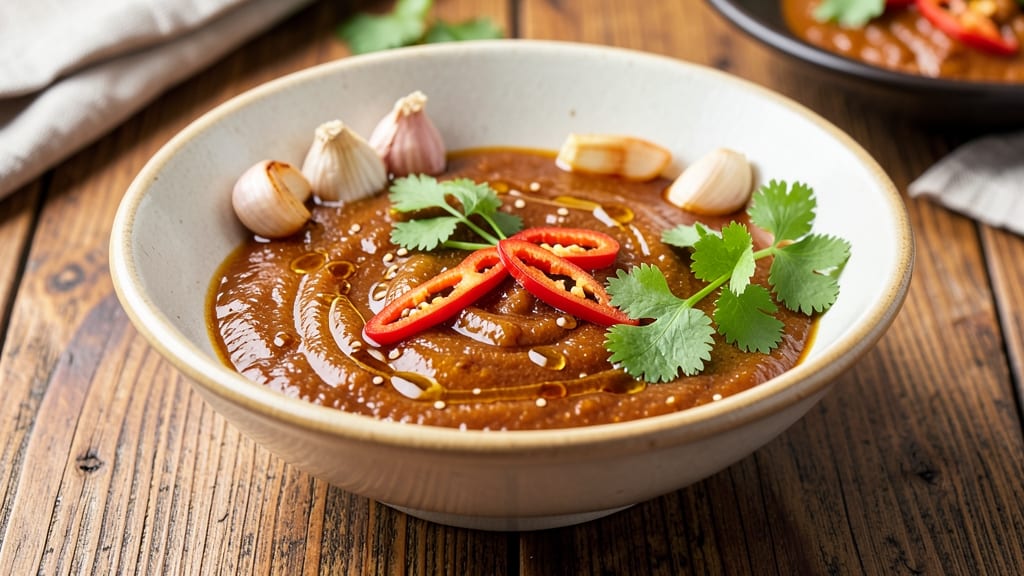
This rice paper sauce recipe transforms simple ingredients into a tangy, aromatic condiment that elevates every dish it touches. The secret lies in balancing fish sauce’s umami punch with bright lime juice and a touch of sweetness—creating a sauce that’s both complex and effortless to make.
What sets this apart is how quickly it comes together, yet delivers restaurant-quality depth in just minutes.
The foundation is a smooth blend of fish sauce (or vegetarian alternative), lime juice, garlic, and sugar, all whisked into a velvety consistency. This sauce isn’t just for dipping summer rolls—it’s a marinade for grilled meats, a drizzle for noodles, or a finishing touch for fresh herbs.
The key is letting the flavors meld for at least 10 minutes before using, which transforms it from good to extraordinary.
What you’ll end up with is a sauce that’s boldly tangy, with a perfect balance of sweet, sour, and salty notes. The texture is silky yet light enough to coat ingredients without overwhelming them.
It keeps beautifully in the fridge for up to a week, making it a versatile staple for any kitchen.
Whether you’re serving crispy spring rolls, grilled shrimp, or fresh vegetables, this sauce will take your dish from ordinary to unforgettable. Let’s get started—your taste buds will thank you.
Ingredients for rice paper sauce
Eight ingredients, one game-changing sauce that turns simple dishes extraordinary.
| Ingredient | Amount | Notes |
|---|---|---|
| Vegetarian Fish Sauce Substitute 🍶 | ½ cup | Or coconut aminos for gluten-free |
| Fresh Lime Juice 🍋 | ⅓ cup | About 3-4 limes, freshly squeezed |
| Garlic Cloves 🧄 | 4 cloves | Minced finely for smooth texture |
| Granulated Sugar 🍚 | 2 tbsp | Adjust to taste for sweetness |
| Water 💧 | ¼ cup | For thinning if needed |
| Fresh Chili Pepper 🌶️ | 1 piece | Thinly sliced, optional for heat |
| Fresh Cilantro Leaves 🌿 | ¼ cup | Chopped, for garnish and freshness |
| Sesame Oil 🫒 | 1 tbsp | Toasted for nutty aroma |
The vegetarian fish sauce substitute is the backbone here—Red Boat coconut aminos or Annie Chun's vegetarian fish sauce work perfectly. Grab fresh limes from the produce section (they should feel heavy for their size), and garlic that smells pungent, not dusty. Trader Joe's often has pre-minced garlic in jars, but fresh is always better if you've got the time. The sugar balances the tang, so don't skimp—this isn't a diet-friendly sauce, but it's worth every calorie.
No coconut aminos? Soy sauce plus a splash of apple cider vinegar gets you close, though the flavor won't be identical. Fresh lime juice is non-negotiable—bottled lime juice tastes flat. The chili pepper is optional, but if you add it, Thai bird's eye chilis (found in the international aisle) pack serious heat. For the cilantro, stems included—they're packed with flavor. If you're sensitive to sesame, toasted peanut oil works as a substitute, though it changes the aroma completely.
This sauce keeps for 1 week in the fridge, sealed tightly. I like to store it in a small jar with a tight lid—it's perfect for quick dips or marinades. Double the batch if you can; you'll want it on hand. If it thickens too much, just stir in a splash of water. The flavors actually improve after sitting for a few hours, so make it ahead if you're prepping for a meal.
Why You'll Love This Recipe
- Few Ingredients, Big Payoff: I swear by this—just five things in a bowl, no fancy gadgets. The vegetarian fish sauce substitute and lime juice do all the heavy lifting while I’m still deciding what to eat for dinner.
- Tangy-Sweet Magic: That sugar isn’t just sweetness—it balances the sharp lime and umami from the fish sauce substitute so well. Honestly, the first time I tasted it, I nearly spilled my drink.
- Dips Everything: Use it for spring rolls, grilled shrimp, or even as a marinade. Between us, I’ve drizzled it on avocado toast when I was that lazy, and it still worked.
- Stays Fresh for Days: Make a big batch on Sunday—it keeps in the fridge for at least five days. My wallet thanks me, and so does my taste buds when I’m too tired to cook.
Step-by-step instructions for quick rice paper sauce
This tangy, aromatic sauce comes together in minutes with just a few simple ingredients.
Toast the Garlic and Chili Pepper
Heat the 1 tablespoon sesame oil in a small saucepan over medium-low heat. Add the 4 cloves garlic cloves and 1 piece fresh chili pepper (thinly sliced, if using). Cook for 1-2 minutes until the garlic turns golden and fragrant—you'll smell it before you see it. This step builds the sauce's aromatic base.
Watch closely to avoid burning. The garlic should be golden but not browned, and the chili pepper should soften slightly. Remove from heat immediately once fragrant, as garlic burns quickly. Transfer the toasted mixture to a bowl and set aside.
Combine Wet Ingredients
In the same saucepan, add the 0.5 cup vegetarian fish sauce substitute and 0.33 cup fresh lime juice. Stir to combine, then bring to a gentle simmer over medium heat for 2-3 minutes. You'll notice the mixture bubbling softly and the lime juice starting to mellow.
Add the 2 tablespoons granulated sugar and stir until fully dissolved. This balances the tangy fish sauce with just the right amount of sweetness. The sauce should look glossy and slightly thickened at this point. Keep the heat low to prevent boiling.
Blend for Smooth Texture
Using an immersion blender, carefully blend the sauce directly in the saucepan until smooth. If you don't have an immersion blender, transfer the mixture to a regular blender and blend until completely smooth. This step ensures a velvety texture without any garlic or chili pieces.
Return the sauce to the saucepan and stir in the toasted garlic and chili mixture. Add the 0.25 cup water if the sauce is too thick—you want it to coat the back of a spoon but still be pourable. Taste and adjust seasoning if needed, adding a bit more lime juice for tang or sugar for sweetness.
Finish with Fresh Cilantro
Remove the sauce from heat and stir in the 0.25 cup chopped fresh cilantro leaves. This adds a bright, fresh finish that cuts through the richness of the fish sauce. Let the sauce cool slightly—it will thicken as it sits, so you may want to add a splash of water if it becomes too thick for dipping.
Serve immediately over rice paper rolls, noodles, or fresh spring rolls. The sauce should be tangy, slightly sweet, and aromatic with a subtle heat from the chili. If storing, keep it refrigerated for up to 3 days, but it's best enjoyed fresh!
Pro Tips For Making Rice Paper Sauce
- MINCE THAT GARLIC: I used to crush whole cloves and wonder why my sauce tasted dull—garlic needs surface area. Mince it finely (almost like a paste) so it dissolves completely into the sauce. No chunks, no excuses.
- BALANCE THE LIME: Fresh lime juice is non-negotiable, but don’t dump it all in at once. Start with half, taste, then add the rest—this sauce needs acidity to cut through the sweetness, not overpower it. (Yes, even if you’re impatient like me.)
- SIMMER DON’T BOIL: After mixing your ingredients, keep the heat low. A rolling boil turns this sauce flat and watery. A gentle simmer lets the sugar caramelize slightly and the flavors meld—about 5 minutes is all it takes.
- SUBSTITUTE SMARTLY: If your vegetarian fish sauce substitute tastes off, swap it for ½ tablespoon soy sauce + ½ tablespoon coconut aminos. It’s not identical, but it’ll save you from scraping the pot when the flavor falls short. (I’ve been there.)
Pro cooking tips for rice paper sauce
Garlic Toasting Mastery
Toast your garlic over medium-low heat for just 1-2 minutes—this is where the magic happens. The moment it turns golden and releases that irresistible aroma, remove it immediately. I’ve burned garlic more times than I’d like to admit, so keep a close eye.
The toasted garlic should be fragrant but not browned, as burnt garlic adds bitterness to your sauce. Use a small saucepan to control the heat better, and avoid overcrowding the pan.
Balancing Tang and Sweet
The key to this sauce is balancing the tangy fish sauce with sweetness and acidity. Start with the 2 tablespoons granulated sugar and 0.33 cup lime juice as written, but taste as you go. If your sauce tastes too sharp, add a pinch more sugar.
If it’s too sweet, squeeze in a little more lime. I often adjust the sugar first, then the lime, to avoid overpowering the delicate flavors. The goal is a harmonious blend where no single note stands out.
Blending for Velvety Texture
An immersion blender is your best friend here, but if you don’t have one, a regular blender works too. Pulse until the sauce is completely smooth—no chunks allowed! If your sauce thickens too much after blending, stir in 1 tablespoon water at a time until it reaches a pourable consistency.
The sauce should coat the back of a spoon but still flow easily. Pro tip: Let the sauce sit for 5-10 minutes after blending; it often thickens as it cools, so adjust before serving.
Chili Pepper Heat Control
If you’re adding chili pepper, start with just 1 thin slice and taste before committing. Thai bird’s eye chilis are spicy, so a little goes a long way. For a milder heat, use a jalapeño or serrano pepper instead.
If you accidentally add too much, balance the heat with an extra splash of lime juice or a pinch of sugar. The sauce should have a subtle kick, not overwhelming spice. Trust your taste buds—this is where personal preference comes into play!
Storing for Freshness
Store your rice paper sauce in an airtight container in the fridge for up to 3 days, but it’s best enjoyed fresh. The flavors actually deepen as it sits, so if you can, make it a day ahead.
When reheating, stir in a splash of water to loosen the texture. I like to keep a small jar of this sauce on hand—it’s perfect for quick dips, marinades, or finishing touches. If it thickens too much after refrigeration, just whisk in a little water to restore its pourable consistency.
Flavor Boosting Tricks
Want to elevate your sauce even more? Add a dash of soy sauce for extra umami depth or a pinch of black pepper for a subtle kick. For a smoky twist, stir in ½ teaspoon smoked paprika before blending.
If you’re feeling adventurous, a teaspoon of fish sauce (if using the vegetarian version) can add another layer of complexity. The beauty of this sauce is how adaptable it is—don’t be afraid to experiment and make it your own! 🌟
Nutrition facts
Frequently asked questions
Can I make this sauce without fish sauce?
For a vegetarian version, use ½ cup coconut aminos or ½ cup soy sauce plus 1 tablespoon apple cider vinegar. These alternatives mimic the umami depth while keeping the tangy profile. The sauce will still be delicious—just slightly different in flavor complexity.
How long should I let the sauce sit before using it?
Let it rest for at least 10 minutes after blending. This allows the flavors to meld and the texture to thicken slightly, which makes it more cohesive. If you're short on time, even 5 minutes helps, but the longer it sits, the better the flavor balance becomes.
What if my sauce is too thick or too thin?
For a thicker sauce, let it sit longer or simmer gently for 1-2 minutes to reduce. If too thin, stir in 1 tablespoon water at a time until it reaches a pourable consistency. The ideal texture should coat the back of a spoon but still flow easily for dipping.
Can I use bottled lime juice instead of fresh?
Fresh lime juice is ideal for brightness, but if you must use bottled, choose a high-quality brand with no added sugars or preservatives. You may need 1-2 extra tablespoons since bottled juice is less concentrated. The sauce will still taste good, but fresh lime gives the best tangy zing.
Is this sauce good for more than just rice paper rolls?
Oh absolutely! This versatile sauce works as a marinade for grilled shrimp or chicken, a drizzle for noodle dishes, or a dip for fresh spring rolls and summer rolls. It even elevates simple veggie platters—just toss your favorite raw veggies in it before serving!