
Sauces & Condiments
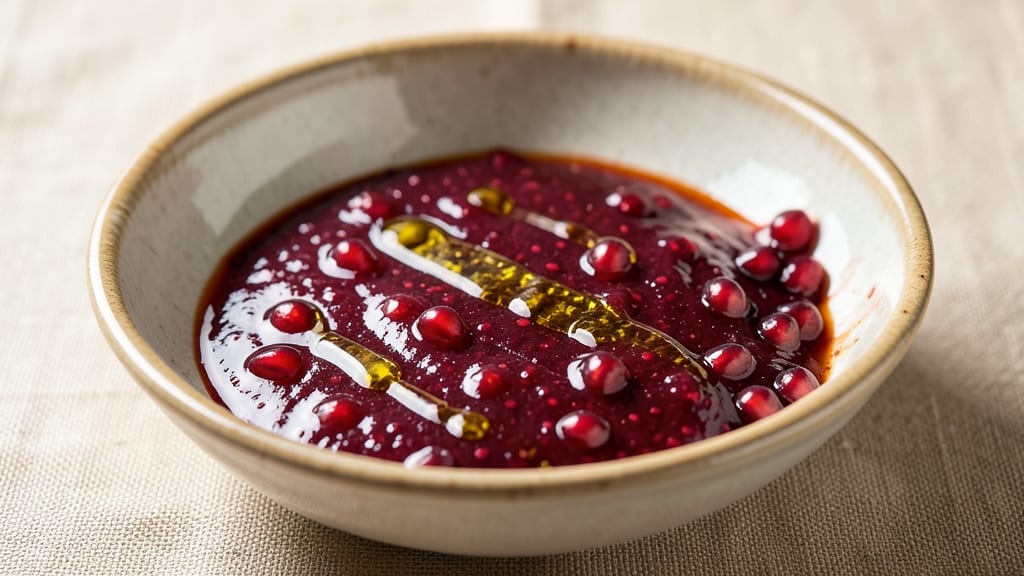
This pomegranate sauce recipe transforms ruby-red seeds into a vibrant glaze that elevates everything from grilled lamb to fresh fruit platters. The key lies in balancing sweetness with acidity—just a splash of lemon juice brightens the deep, earthy notes of pomegranate molasses while preserving those signature popping seeds.
I developed this version after years of experimenting with restaurant-style sauces, and it’s now my go-to for adding a sophisticated touch to both savory and sweet dishes.
The process is simpler than it sounds: blend fresh pomegranate seeds with molasses and a touch of sugar, then simmer until thickened into a glossy, spoonable consistency. No fancy equipment is needed—just a saucepan and a fine-mesh strainer to catch those precious seeds for garnishing.
What you’ll end up with is a sauce that’s rich enough to drizzle over roasted vegetables or seared meats, yet bright enough to balance rich desserts like cheesecake or yogurt.
What makes this sauce truly versatile is its ability to adapt to any dish. Use it as a glaze for game-day appetizers, a drizzle for Middle Eastern-inspired salads, or even a tangy companion to vanilla ice cream.
The seeds add texture and a burst of flavor in every bite, while the molasses base ensures depth. Best of all, it keeps well in the fridge for up to two weeks, so you can make a batch and enjoy it throughout the season.
Here’s the best part: this sauce requires just five ingredients and takes less than 20 minutes to prepare. Whether you’re hosting a dinner party or simply craving a flavor upgrade for your weeknight meals, this ruby glaze delivers restaurant-quality results with minimal effort.
Let’s get started on creating something that’ll make your dishes stand out.
Ingredients for pomegranate sauce
Five ingredients transform pomegranate's ruby magic into a versatile glaze for sweet and savory dishes.
| Ingredient | Amount | Notes |
|---|---|---|
| Fresh Pomegranate Seeds 🍇 | 1 ½ cups | Packed, no membrane pieces |
| Pomegranate Molasses 🍯 | ½ cup | High-quality, no additives |
| Granulated Sugar 🍚 | ¼ cup | White or raw preferred |
| Fresh Lemon Juice 🍋 | 2 tbsp | Strained, no pulp |
| Extra-Virgin Olive Oil 🫒 | 2 tbsp | Light fruity variety |
The pomegranate seeds are the star—freshly cracked from a whole fruit at a farmers market has the best flavor, but pre-seeded bags at Whole Foods work in a pinch. Look for seeds that are deep ruby, not dried out. Pomegranate molasses should be thick, syrupy, and smell intensely fruity—no artificial aftertaste. I grab mine from Middle Eastern markets or the international aisle at Trader Joe's. The sugar balances the tartness, but don't skip it—this isn't just a molasses reduction. And that lemon juice? Freshly squeezed makes all the difference (the bottled stuff tastes flat).
No fresh pomegranate seeds? Canned pomegranate juice reduced by half works, but you'll lose those signature pops of freshness. Ran out of molasses? Balsamic vinegar plus a pinch of sugar mimics the depth, though it won't be identical. The olive oil is non-negotiable for that silky finish—use something light and fruity, not the cheap cooking oil. Want to make it vegan? Skip the honey entirely and add an extra splash of lemon. The sauce thickens as it cools, so if it seems too runny while warm, let it sit 10 minutes before tasting.
This sauce keeps beautifully—2 weeks in the fridge sealed in a jar. The seeds settle to the bottom, so give it a good stir before using. For longer storage, freeze in ice cube trays—perfect for single-use portions. I always make double batches because it disappears fast. The first time I made this, I drizzled it over grilled chicken and roasted beets—game changer. It also freezes well for up to 6 months if you want to prep ahead for holiday entertaining.
Why You'll Love This Recipe
- Five-Ingredient Magic: This sauce comes together with just a handful of pantry staples—no fancy gadgets, no stress. I swear by the balance of pomegranate molasses and lemon juice for that perfect tang, while the olive oil ties everything in silky smooth.
- Bright & Tangy: That first bite of lemon-kissed pomegranate? It’s like sunshine in your mouth. The molasses adds depth, but the fresh seeds keep it bright—no heavy sweetness here, just pure, vibrant flavor.
- Elevates Everything: Drizzle it over grilled chicken, mix it into yogurt, or toss it with roasted veggies. Honestly, I’ve used it on everything from flatbreads to salads, and it never fails to make the dish feel special.
- Makes Leftovers Worth It: A batch lasts me nearly a week in small jars—perfect for quick breakfasts or last-minute dinner upgrades. The olive oil keeps it from drying out, so it stays fresh and delicious.
Step-by-step instructions for ruby pomegranate glaze
This vibrant sauce comes together in minutes with just five ingredients.
Simmer the Molasses and Sugar
In a medium saucepan, combine the 0.5 cup pomegranate molasses and 0.25 cup granulated sugar. Place over medium heat and bring to a gentle simmer, stirring constantly with a wooden spoon. You'll notice the mixture thicken slightly as it heats, creating a syrupy base for your sauce. Let it simmer for about 3-4 minutes until it reaches a warm, bubbling state - this ensures the sugar fully dissolves and the molasses develops its rich caramel notes.
Here's the thing - don't walk away. The molasses has a tendency to burn quickly, so keep your eye on the pan. You want it to smell sweetly aromatic without any bitter smoke developing. Once it reaches a gentle bubble and looks slightly thicker than when you started, it's ready for the next step. This simmering process is what gives the sauce its deep, complex flavor foundation.
Incorporate the Lemon and Olive Oil
Remove the pan from heat and let it cool for just 1 minute - you don't want to shock the mixture with cold ingredients. Then stir in the 2 tablespoons fresh lemon juice and 2 tablespoons extra-virgin olive oil. The lemon juice will brighten the flavors while the olive oil adds a silky texture. You'll see the sauce immediately become glossy and slightly thinner as the oil emulsifies with the warm molasses mixture.
This is where that zesty balance comes into play. The acidity from the lemon juice cuts through the natural sweetness of the molasses and sugar, creating a sophisticated flavor profile. Give it a taste at this stage - you should notice the tartness from the lemon and the richness from the molasses working together. If it's too sharp, you can add a tiny pinch more sugar, but it should be perfectly balanced with these exact measurements.
Fold in the Pomegranate Seeds
Gently fold in the 1.5 cups fresh pomegranate seeds using a rubber spatula. Be careful not to mash them - you want to preserve those beautiful, juicy bursts in every bite. The seeds should distribute evenly throughout the sauce, creating pockets of ruby red throughout the glossy glaze. You'll notice the sauce immediately takes on a stunning ruby color that's perfect for drizzling over dishes.
Let the sauce cool completely to room temperature before using. This cooling period allows all the flavors to meld together perfectly. The seeds will also soften slightly, making them easier to incorporate into your dishes while still maintaining that delightful pop of texture. The final sauce should have a thick, syrupy consistency that coats the back of a spoon but still flows freely when drizzled.
Adjust Consistency and Store
If the sauce is too thick for your liking, you can thin it slightly by adding 1-2 teaspoons of water at a time until you reach your desired consistency. The sauce should be thick enough to cling to proteins or coat vegetables but still flow smoothly when drizzled. Taste one final time and adjust the seasoning if needed - you might want to add a tiny pinch more sugar or lemon juice to perfect the balance.
Transfer the sauce to a clean glass jar and store it in the refrigerator for up to 2 weeks. The flavors actually improve as it sits, developing even more complexity. When ready to use, give it a good stir and warm gently in a small saucepan over low heat if you prefer it warm. This ruby glaze is perfect for drizzling over grilled meats, roasted vegetables, or even as a topping for yogurt and ice cream.
Pro Tips For Making Pomegranate Sauce
- Toast the Seeds: Lightly toast the pomegranate seeds in a dry pan for 30 seconds before adding liquid—it deepens their flavor without burning. I learned this the hard way after making sauce that tasted flat; a little warmth makes all the difference.
- Strain Twice: First pass through a fine-mesh sieve removes big seeds, but a second pass through cheesecloth catches the fine grit that ruins texture. Sounds tedious, but your sauce will be silky instead of grainy.
- Balance the Molasses: Start with half the molasses called for, taste, then add more—it’s sweeter and more concentrated than you’d think. I used to drown the sauce in it, thinking I needed extra depth, but it just turned cloying.
- Whisk in Oil Last: Add the olive oil after everything else is emulsified, then whisk vigorously for 10 seconds to break up any separation. This isn’t the prettiest method, but it keeps the sauce glossy and cohesive.
Make-ahead tips for this recipe
Batch Prep Strategy
Make this sauce in double batches—it disappears fast! I always prepare 4 cups total (double the recipe) because it’s perfect for game-day appetizers, holiday entertaining, or weekly meal prep. Divide the extra into 4-ounce portions in small glass jars for easy grab-and-go drizzling.
The seeds stay fresh longer when stored in smaller containers, and you won’t waste a drop. 💫
Freezer-Friendly Cubes
For maximum convenience, freeze the sauce in ice cube trays. Portion 1 tablespoon per cube—ideal for single-use drizzles over yogurt, salads, or grilled fish. Once frozen, transfer cubes to a ziplock bag and flatten to save space.
Thaw overnight in the fridge or microwave for 10-15 seconds to soften. This method keeps the sauce vibrant for up to 6 months without losing texture. ❄️
Seed Separation Hack
If you prefer seed-free sauce for drizzling, strain the cooled mixture through a fine-mesh sieve into a bowl. Press gently with a spoon to extract every last drop, then return the seeds to their jar for garnishes.
I save the strained sauce for desserts like cheesecake or savory dishes where texture isn’t critical. The seeds alone make a stunning garnish—sprinkle them over charred vegetables or seared duck for a pop of color. 🍇
Long-Term Storage Tips
For fridge storage, use amber glass jars to protect the sauce from light, which can degrade flavor over time. Seal tightly and label with the date—it’ll keep for 2 weeks at 40°F or below. If you notice the seeds sinking, stir vigorously before using.
For extended storage beyond 2 weeks, freeze the jar directly (leave ½ inch headspace for expansion). Thaw in the fridge overnight for best results. 💡
Reheating for Warm Drizzling
Warm the sauce gently in a small saucepan over low heat for 1-2 minutes, stirring constantly to prevent scorching. Avoid high heat—it can burn the molasses and turn bitter. For microwave reheating, use 30-second intervals on low power, stirring between each.
The warm sauce clings beautifully to grilled meats or roasted squash, enhancing their flavors. Always taste after reheating—adjust with a splash of lemon juice if needed. 🔥
Flavor Boost for Leftovers
If your sauce tastes flat after a few days, revive it by adding ½ teaspoon ground cinnamon or a pinch of smoked paprika. For a brighter twist, stir in 1 teaspoon fresh mint leaves (muddled) or a drop of orange blossom water.
These additions cut through any staleness while adding depth. I also like a tiny splash of vanilla extract for desserts—it pairs surprisingly well with the tartness. 💛
Nutrition facts
Frequently asked questions
Can I make this pomegranate glaze without fresh seeds?
Yes! Use 1 cup of 100% pomegranate juice reduced to ½ cup (simmer uncovered until syrupy). The texture will be smoother but lose those signature seed pops. For a compromise, add ½ cup frozen pomegranate juice concentrate thawed and strained to remove pulp. The flavor will still shine, just with less texture contrast.
How do I prevent the sauce from crystallizing in the fridge?
Store it in a sealed glass jar with ½ inch headspace—crystallization happens when exposed to air. Stir vigorously before using, and if crystals form, gently reheat over low heat while stirring until smooth. The seeds help prevent full crystallization, but the molasses base can separate slightly over time.
What's the best way to use this sauce with spicy dishes?
Drizzle it over spicy foods like harissa-marinated lamb or chili-lime shrimp—the bright acidity balances heat perfectly. For extra cooling power, add 1 teaspoon minced jalapeño to the warm sauce before serving. The ruby color also makes it a stunning garnish for spicy tacos or curries.
Can I substitute pomegranate molasses with something else?
For a similar depth, mix ¼ cup balsamic vinegar + ¼ cup honey—it won't be identical but works in a pinch. For a tangier version, use ¼ cup cranberry sauce—reduce it first to thicken. The molasses is key for that signature pomegranate complexity, though!
How much sauce should I make for a dinner party?
Plan for ¼ cup per person—this sauce disappears fast! For a 6-person spread, double the recipe. Use it as a dip for warm flatbread, drizzle over grilled halloumi, or serve as a dessert sauce with mascarpone. Make it ahead and store in small jars for easy serving.