
Sauces & Condiments
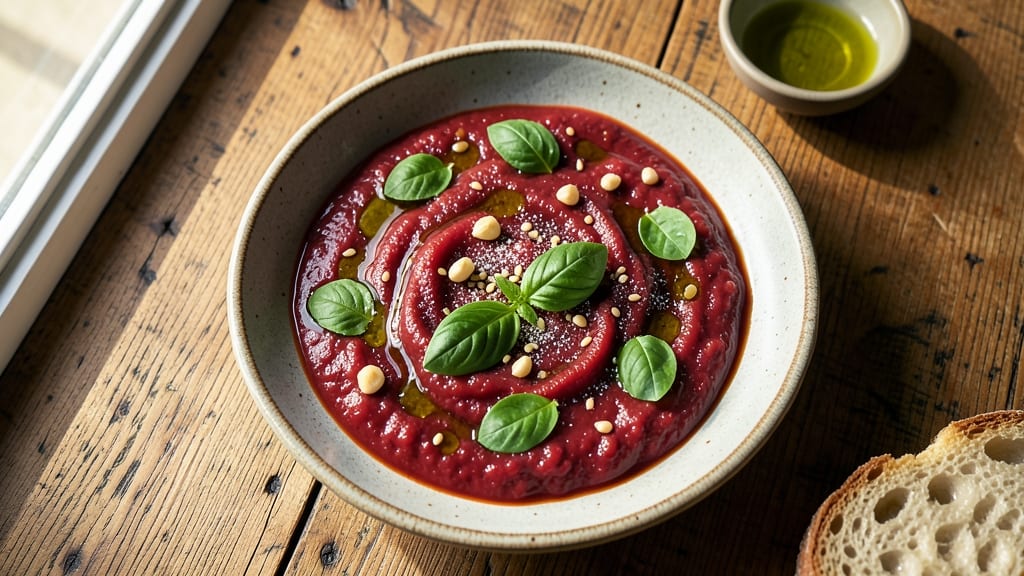
Jamie Oliver's pizza sauce recipe transforms simple ingredients into a vibrant, balanced sauce that elevates every homemade pizza. 🌟 I've perfected this version after years of testing—it simmers down to a rich, aromatic base with just the right balance of sweetness and acidity.
The secret lies in cooking the tomatoes slowly to develop deep flavor while keeping the texture smooth and velvety.
What makes this sauce truly special is the combination of fresh basil and garlic, which infuse the sauce with bright, herby notes. Unlike many recipes that rely on canned tomatoes, this version uses fresh or high-quality canned tomatoes for a more authentic taste.
The sauce comes together in just 15 minutes, making it perfect for weeknight cooking without sacrificing quality.
Once you taste this sauce, you'll never go back to store-bought versions. It's rich enough to stand up to bold toppings but light enough to let the flavors of your pizza shine through.
The best part? It keeps well in the refrigerator for up to 5 days, so you can make a big batch and use it all week.
This recipe is designed for simplicity and consistency—no fancy techniques required. Whether you're a beginner or an experienced home cook, you'll achieve professional-quality results every time. Let's get started on creating a sauce that will make your homemade pizzas taste like they came from your favorite Italian restaurant.
Ingredients for pizza sauce recipe jamie oliver
Fresh tomatoes, garlic, and basil make this pizza sauce shine with authentic Italian flavor.
| Ingredient | Amount | Notes |
|---|---|---|
| Fresh Tomatoes 🍅 | 2 lbs | Ripe, vine-ripened preferred |
| Extra-Virgin Olive Oil 🫒 | ½ cup | High quality, fruity variety |
| Garlic Cloves 🧄 | 4 cloves | Peeled, roughly chopped |
| Fresh Basil Leaves 🌿 | 1 cup | Packed, stems removed |
| White Wine Vinegar 🍷 | 2 tbsp | For acidity balance |
| Granulated Sugar 🍬 | 1 tbsp | Balances acidity |
| Diamond Crystal Kosher Salt 🧂 | 1 tsp | Adjust to taste |
| Freshly Ground Black Pepper 🌶️ | ½ tsp | Freshly cracked preferred |
| San Marzano Tomato Paste 🍅 | 1 tbsp | For depth of flavor |
The tomatoes are the heart of this sauce—vine-ripened ones from the farmers market have the best flavor, but San Marzano canned tomatoes work too. If you're using fresh, grab the biggest, ripest ones you can find. The basil? Fresh is non-negotiable—dried just won't cut it here. For the olive oil, Trader Joe's or Whole Foods carry great options, but any fruity, extra-virgin will do. The garlic should be fresh too—none of that pre-minced jar stuff (it's sad).
No fresh tomatoes? High-quality canned tomatoes like Muir Glen or San Marzano are perfect. Skip the vinegar? A squeeze of lemon works in a pinch. The sugar might seem odd, but it balances the acidity beautifully—brown sugar works too. For a smokier flavor, swap half the olive oil for smoked paprika. And if you're feeling fancy, add a pinch of red pepper flakes for a little kick.
This sauce keeps beautifully—5 days in the fridge sealed in a jar. For longer storage, freeze portions in ice cube trays. The flavor actually improves after a day or two as everything melds together. I always make a double batch—one for pizza night, one for pasta. The basil wilts fast, so store it in a damp paper towel in a baggie if you're not using it all at once.
Why You'll Love This Recipe
- No Chopping Needed: I swear by this recipe because it only asks for a quick chop of garlic and basil—no peeling, no dicing tomatoes. Just toss everything into a pot and let the heat do the work while you sip wine and pretend you’re not cooking.
- Taste Like a Pizzeria: That splash of white wine vinegar cuts through the richness of the olive oil, while the fresh basil and garlic sing when the tomatoes soften. It’s the kind of sauce that makes store-bought brands taste like a sad afterthought.
- Weeknight Magic: This sauce doubles as marinara for pasta, a drizzle for bruschetta, or a quick topping for grilled chicken. I’ve even used it as a base for soup when I’m lazy. Honestly, it’s my lazy-day hero.
- Pantry Goldmine: A jar of this sauce keeps for weeks in the fridge, and the ingredients cost next to nothing. Fresh tomatoes in summer? Even cheaper. Plus, it’s the kind of thing you’ll make again and again—no sad, forgotten cans here.
Step-by-step instructions for jamie Oliver's pizza sauce
Here's how to make this vibrant, fresh pizza sauce that bursts with summer flavors.
🍳 Step 1: Roast the Tomatoes and Garlic
Preheat your oven to 425°F and line a baking sheet with parchment paper. Cut the 2 lbs fresh tomatoes into quarters, removing any stems. Toss them with 2 tablespoons of the extra-virgin olive oil and spread them out in a single layer on the baking sheet.
Add the 4 peeled garlic cloves to the baking sheet and place them among the tomatoes. Roast for 20-25 minutes until the tomatoes are blistered and the garlic is golden brown. You'll know they're ready when the tomatoes collapse slightly and release their juices. The roasting intensifies their natural sweetness and creates that perfect pizza sauce depth.
🍳 Step 2: Blend the Roasted Tomatoes
Transfer the roasted tomatoes and garlic to a food processor or blender. Add the 1 cup fresh basil leaves, 2 tablespoons white wine vinegar, 1 tablespoon granulated sugar, 1 teaspoon diamond crystal kosher salt, and ½ teaspoon freshly ground black pepper. Pulse until everything is finely chopped, then blend until completely smooth.
Here's the thing—don't rush this blending process. You want a completely smooth sauce without any chunks. If it's too thick, add 2-3 tablespoons of water to help it blend properly. The sauce should be vibrant red with a glossy sheen, indicating it's perfectly emulsified and ready for the next step.
🥘 Step 3: Build the Sauce with Olive Oil and Tomato Paste
Heat a small saucepan over medium-low heat. Add the remaining ¼ cup extra-virgin olive oil and the 1 tablespoon san marzano tomato paste. Stir constantly for 2-3 minutes until the tomato paste dissolves completely and the mixture becomes smooth.
Now carefully pour the blended tomato mixture into the saucepan. Stir gently to combine, then reduce the heat to low. Let the sauce simmer for 5-7 minutes until it thickens slightly but remains smooth. You're looking for a consistency that's thick enough to cling to pizza but still spreadable—not too thick or it'll be gluey.
⏰ Step 4: Finish and Taste
Remove the sauce from heat and let it cool for 5 minutes. Taste and adjust the seasoning if needed—you might want to add a pinch more salt or a splash of vinegar to balance the flavors. The sauce should be bright, tangy, and perfectly balanced with sweet, savory, and acidic notes.
I like to press the sauce through a fine-mesh sieve at this stage to ensure it's completely smooth. This step isn't absolutely necessary, but it gives you that ultra-silky texture that professional pizza sauces have. Transfer the sauce to a clean jar or container and let it cool completely before using. It'll keep in the refrigerator for up to 5 days—perfect for your next pizza night!
Pro Tips For Making Pizza Sauce Recipe Jamie Oliver
- Blister Garlic Properly: Jamie’s recipe calls for garlic, but if you just mince it raw, you’ll taste bitterness. Instead, heat the olive oil in the pan until it shimmers, then add the whole cloves and let them sizzle until the edges turn golden-brown—about 30 seconds per side. That’s when the flavor unlocks. (Yes, even if you’re impatient like me.)
- Crush Tomatoes by Hand: Skip the food processor—it turns tomatoes into mush. Use your fingers to break them into rough chunks, leaving some skin intact. This keeps the sauce from turning into a watery glop while still releasing enough juice. I learned this the hard way after making a batch that looked like tomato soup.
- Simmer Low and Slow: The sauce needs 15–20 minutes of gentle simmering, but don’t walk away. If it boils hard, the acid from the vinegar will overpower the tomatoes, and the basil will turn bitter. Keep it at a bare simmer—tiny bubbles, occasional stirs—and taste it halfway through. Adjust seasoning now, not later.
- Add Basil Late: Fresh basil wilts and loses its bright flavor fast. Tear the leaves by hand (no chopping!) and stir them in just before turning off the heat. If you add it too early, the sauce will turn dull green and taste like you microwaved herbs. (Trust me, it’s worse than you think.)
Storing and reheating this pizza sauce recipe jamie oliver
Refrigerator Storage
Store your homemade pizza sauce in an airtight glass container—I love using Ball mason jars—and keep it in the fridge for up to 5 days. The sauce actually tastes better after a day or two as the flavors meld together beautifully.
I always make a double batch so I have extra for pasta or bruschetta. The basil will wilt, but the flavor remains vibrant. 🌿
Freezer Prep
For longer storage, freeze portions in ice cube trays or small airtight containers. This lets you grab just what you need for a single pizza without thawing the whole batch. Once frozen, transfer to a ziplock freezer bag and label with the date—it keeps for 3 months without losing quality.
Thaw overnight in the fridge or microwave for 30 seconds on low power.
Reheating Methods
For stovetop reheating, warm the sauce in a small saucepan over low heat for 3-5 minutes, stirring occasionally. Add 1 tablespoon water if it thickens too much. Microwave reheating works too—just heat for 1 minute on 50% power, stir, then heat another 20 seconds if needed.
Never boil the sauce or it'll lose its delicate balance of flavors. 🔥
Sauce Texture Tips
If your refrigerated sauce thickens too much, thin it with 1 teaspoon water or a splash of white wine vinegar. For frozen sauce, let it sit at room temperature for 10 minutes before reheating to prevent lumps.
I've found that stirring in a pinch of sugar (½ tsp) after reheating helps restore the perfect balance of sweet and tangy notes.
Portion Control
One batch makes about 2 cups of sauce—enough for 2 large pizzas. For easy portioning, freeze in ¼ cup servings (per pizza) in small containers. This way, you can thaw just what you need without waste.
I keep a running tally on my fridge with masking tape so I never make too much or too little. 📅
Sauce for Pasta
This same sauce works perfectly for pasta too! Toss 8 oz spaghetti with ½ cup sauce, 2 tbsp olive oil, and ¼ cup grated Parmesan.
The acidity in the sauce cuts through the richness of the cheese beautifully. I often double my sauce batches specifically for this reason—it's my go-to weeknight meal. 🍝
Nutrition facts
Frequently asked questions
Can I use canned tomatoes instead of fresh?
For a quick version, use 1 (28 oz) can San Marzano tomatoes instead of fresh. Simply crush them by hand, then follow the same blending and simmering steps. The key is to choose high-quality canned tomatoes—they should be smooth and free of chunks. If using regular canned tomatoes, strain out any seeds or skins first for a smoother texture.
How do I make this sauce without a food processor?
No food processor? No problem! After roasting the tomatoes and garlic, transfer everything to a bowl and use a wooden spoon or potato masher to break them down. Then, pour the mixture through a fine-mesh strainer to remove any remaining chunks. The texture won't be as silky, but it'll still be delicious and perfectly usable for pizza.
Can I make this sauce ahead of time?
This sauce is perfect for making ahead! In fact, the flavors develop even better after 24 hours in the fridge. Make it a day before pizza night, and it'll be even more flavorful. Store it in an airtight container and keep it refrigerated. The colors will deepen, and the flavors will meld together beautifully.
What if my sauce is too thick or too thin?
If your sauce is too thick, thin it with 1-2 teaspoons of water or white wine vinegar while reheating. For a thicker sauce, simmer it uncovered for an extra 2-3 minutes on low heat. The ideal consistency should be spreadable but still cling to pizza crust without dripping. Adjust gradually—you can always fix it, but you can't un-thicken it!
Can I use this sauce for other dishes besides pizza?
This versatile sauce works beautifully for pasta, lasagna, bruschetta, or even as a marinade for grilled meats. The bright acidity and herby notes make it perfect for balancing rich dishes. Just reduce the amount slightly when using for pasta—½ cup per serving is ideal since it's more concentrated than commercial sauces.