
Side Dishes
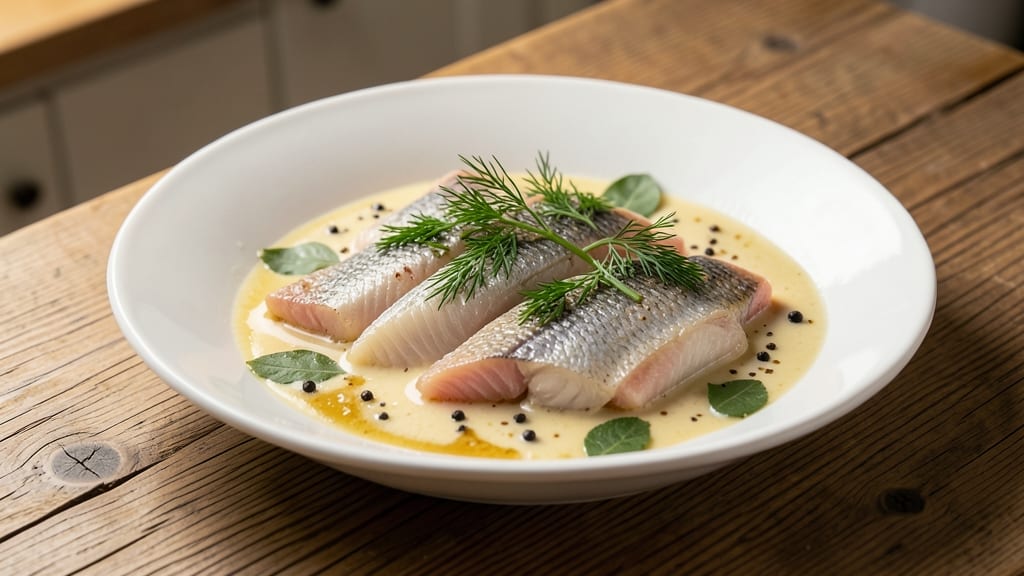
This Scandinavian pickled herring in cream sauce transforms humble fish into a bistro-worthy dish that captures Nordic tradition in every bite.
The secret lies in balancing the herring's briny tang with a velvety cream sauce infused with fresh dill and white wine—a technique I perfected after years of studying authentic Swedish recipes.
What makes this dish truly special is how the pickling process preserves the herring's delicate texture while the cream sauce elevates it to something restaurant-worthy.
The recipe begins with properly pickling the herring, whether you're starting with fresh fish or using pre-pickled fillets. A simple brine of vinegar, sugar, and spices tenderizes the fish while adding subtle depth.
The cream sauce, meanwhile, combines heavy cream, sour cream, and a splash of white wine for brightness, all finished with a generous handful of fresh dill—the aromatic heart of Scandinavian cuisine. This isn't just a side dish; it's a flavor experience that turns simple ingredients into something extraordinary.
When plated, the herring sits in a pool of that luscious cream sauce, garnished with extra dill and a sprinkle of black pepper. The contrast between the herring's preserved texture and the sauce's richness creates a perfect balance—tangy yet creamy, light yet satisfying.
It's the kind of dish that pairs beautifully with crusty rye bread or steamed potatoes, making it a complete meal on its own. The technique is straightforward, but the results are anything but ordinary.
Perfect for holiday gatherings or a cozy weeknight dinner, this recipe delivers authentic Nordic flavors without requiring specialized ingredients. The pickling process can be done ahead of time, and the sauce comes together in minutes.
Whether you're serving it at a festive table or enjoying it as a simple supper, this dish proves that Scandinavian cuisine is both approachable and unforgettable.
Ingredients for pickled herring in cream sauce
Nordic flavors meet bistro elegance with these simple yet transformative ingredients for herring in cream sauce.
| Ingredient | Amount | Notes |
|---|---|---|
| Fresh Herring Fillets 🐟 | 1 ½ lb | Skin-on preferred, fresh or pre-pickled |
| White Wine Vinegar 🍷 | 1 cup | Dry variety for proper acidity |
| Granulated Sugar 🍚 | ½ cup | Light brown works too |
| Fresh Dill 🌿 | ½ cup | Finely chopped, stems removed |
| Bay Leaves 🌿 | 2 whole | Dried works in a pinch |
| Black Peppercorns 🌶️ | 1 tsp | Freshly cracked preferred |
| Heavy Cream 🥛 | 1 ½ cups | Full-fat for best texture |
| Sour Cream 🥛 | ½ cup | Full-fat preferred |
| Dry White Wine 🍷 | ½ cup | Sauvignon Blanc ideal |
| Shallots 🧅 | 2 whole | Minced, or substitute onions |
| Unsalted Butter 🧈 | 2 tbsp | Cold, for sauce finishing |
| Salt 🧂 | 1 ½ tsp | Adjust to taste |
| Fresh Lemon Juice 🍋 | 1 tbsp | Brightens the sauce |
The herring is the foundation, so quality matters. Fresh fillets from a trusted fishmonger yield the best texture, but pre-pickled herring works too—just skip the vinegar in the brine. For sourcing, Scandinavian specialty stores like Nordic Foods Market carry authentic herring, but most grocery stores stock pre-pickled fillets. The dill should be vibrant green with a strong aroma—farmers markets often have the freshest bunches. If using fresh herring, soak the fillets in cold water for 10 minutes to remove any surface slime before pickling. The white wine vinegar should be dry, not sweet—Bartles & Jaymes or Bertolli are reliable brands.
No fresh dill? Dried dill at one-third the amount works, but the flavor won't be as bright. Substitute shallots with onions or garlic, though shallots add a subtle sweetness. Running out of white wine? Apple cider vinegar can replace the vinegar in the brine, but it'll alter the flavor slightly. For the wine in the sauce, dry vermouth or even chicken broth can stand in, though wine adds that essential acidity. The butter should be cold when added to the sauce—this creates those beautiful ribbons. If you're short on time, microwave the butter 30 seconds to soften it before adding, but don't melt it completely.
Pickled herring keeps in the fridge for up to 2 weeks if submerged in its brine. The cream sauce, once made, reheats beautifully—just warm it gently on the stove, stirring constantly to prevent curdling. For longer storage, freeze the sauce in ice cube trays and thaw as needed. The herring and sauce pair perfectly with crusty rye bread or boiled potatoes. To serve, spoon the sauce over the herring and garnish with extra dill and cracked black pepper. The dish tastes even better the next day as flavors meld.
Why You'll Love This Recipe
- No-Fuss Marinade: The herring soaks in vinegar, sugar, and dill while you chop—no active cooking required. Honestly, I let it sit overnight for maximum flavor, but even 30 minutes makes a difference.
- Tangy Creamy Magic: That balance of sharp vinegar and rich cream sauce? It’s what turns simple herring into something irresistible. The dill’s bright punch cuts through the richness like a cool breeze.
- Party-Ready in Minutes: Serve it on toasted rye with a squeeze of lemon for a crowd-pleasing appetizer, or pile it high on a charcuterie board. Between us, it’s my go-to when guests drop by unexpectedly.
- Budget-Friendly Luxury: Fresh herring is affordable, and this recipe stretches it further with the creamy sauce. I’ll be real: the leftovers reheat beautifully for quick lunches—no waste, all flavor.
Step-by-step instructions for Scandinavian herring in cream sauce
Here's the method for balancing bright acidity with rich creaminess—every step ensures perfect texture and flavor.
Prepare the Herring for Pickling
Rinse the 1.5 lb fresh herring fillets under cold water and pat them completely dry with paper towels. Using a sharp knife, cut each fillet into 4 equal portions, keeping the skin intact. This creates uniform pieces that pickle evenly.
In a medium bowl, combine the 1 cup white wine vinegar, 0.5 cup granulated sugar, and 1.5 tsp salt. Stir until the sugar and salt fully dissolve—this creates the pickling brine. Add the 2 whole bay leaves and 1 tsp black peppercorns to the mixture. The bay leaves and peppercorns will infuse subtle aromatic notes during the pickling process.
Place the herring portions in a single layer at the bottom of a glass or ceramic dish. Pour the prepared brine evenly over the herring, ensuring each piece is fully submerged. Cover the dish with plastic wrap and refrigerate for at least 4 hours, or preferably overnight. This allows the herring to develop that signature tangy flavor while remaining tender.
Create the Cream Sauce Base
In a medium saucepan, melt the 2 tbsp unsalted butter over medium heat. Add the 2 minced shallots and cook for 3-4 minutes until they become translucent and slightly golden. This step develops their natural sweetness and removes any raw bite.
Pour in the 0.5 cup dry white wine and increase the heat to medium-high. Allow the wine to simmer for 2-3 minutes until it reduces by half and the alcohol cooks off. This reduction concentrates the wine's flavor and forms the foundation of your sauce.
Reduce the heat to low and gradually whisk in the 1.5 cups heavy cream. Stir constantly for 5-7 minutes until the sauce thickens slightly but doesn't boil. The sauce should coat the back of a spoon smoothly—this indicates proper emulsification. Remove from heat and stir in the 0.5 cup sour cream, mixing until fully incorporated. The sour cream adds tangy depth and prevents the sauce from becoming too heavy.
Finish and Combine
Drain the pickled herring, reserving the pickling liquid but discarding the bay leaves and peppercorns. Add the herring to the warm cream sauce and gently stir to coat each piece. Return the sauce to low heat and simmer for an additional 3-4 minutes, allowing the herring to absorb the creamy flavors.
Remove from heat and stir in the 0.5 cup finely chopped fresh dill and 1 tbsp fresh lemon juice. The lemon juice brightens the dish, cutting through the richness of the cream sauce. Taste and adjust seasoning with additional salt if needed—Scandinavian herring dishes should balance sweet, tangy, and savory elements perfectly.
Serve immediately while the herring is still warm and the sauce maintains its velvety texture. The contrast between the tender, pickled herring and the luxurious cream sauce creates a dish that's both comforting and sophisticated—ideal for serving with crusty rye bread or as part of a Scandinavian-inspired meal.
Pro Tips For Making Pickled Herring In Cream Sauce
- Cure the Herring First: Skip the raw fillets straight into vinegar—this recipe needs herring with some bite. Brine the fillets in 10% saltwater (1 cup salt to 1 gallon water) for 12–24 hours before pickling. I learned this the hard way when my first batch turned mushy; pre-curing keeps the texture firm and the flavor sharp.
- Simmer Vinegar Slow: Don’t boil the pickling liquid—simmer it gently for 5 minutes after combining vinegar, sugar, and bay leaves. Boiling turns vinegar harsh and burns off the sugar’s caramel notes. My grandmother swore by this, and she was right: the sauce stays bright and balanced.
- Strain the Dill: Finely chop the dill, but strain the leaves after pickling to avoid a slimy texture in the cream sauce. Whole sprigs infuse flavor; chopped dill releases oils that make the sauce clingy. Sounds weird, but it works—your sauce will be silky, not gluey.
- Temper the Cream: Warm the cream separately to 160°F (71°C) before folding it into the pickling liquid. Cold cream curdles like a science experiment gone wrong. I was skeptical until I tried it—now I never risk it. Just a quick dip in the hot (not boiling) vinegar mixture does the trick.
Best sauces and condiments for this pickled herring in cream sauce
Classic Cream Sauce
The velvety cream sauce is the heart of this dish, blending heavy cream and sour cream for a luxurious texture. I start by melting 2 tbsp unsalted butter with minced shallots until golden, then deglaze with ½ cup dry white wine to build depth.
The key is simmering the cream on low heat for 5-7 minutes—this creates a smooth, emulsified base without curdling. 🥛
Dill-Infused Variations
For extra dill flavor, I sometimes blend ¼ cup fresh dill directly into the warm cream sauce using an immersion blender. This creates a vibrant green sauce with intense aroma.
Alternatively, steep 1 tbsp dried dill in the warm cream for 10 minutes before straining—this works in a pinch but lacks freshness. 🌿
White Wine Reduction
The wine reduction transforms the sauce from ordinary to extraordinary. I use ½ cup Sauvignon Blanc because its citrus notes complement the herring's tang. For a non-alcoholic version, substitute with ½ cup chicken broth> plus 1 tbsp lemon juice—the acidity remains, though the flavor profile shifts slightly. 🍷
Sour Cream Swaps
If you're avoiding dairy, replace the ½ cup sour cream with ½ cup Greek yogurt> for tangy brightness. For a vegan option, blend ½ cup silken tofu> with 1 tsp lemon juice until smooth. The texture won't be identical, but it adds necessary creaminess. 🥛
Brightening Agents
Fresh lemon juice is essential for cutting through the richness. I add 1 tbsp at the end, but you can also use ½ tsp lemon zest> for extra aroma. For a herbaceous twist, stir in 1 tsp chopped chives> alongside the dill. 🍋
Spiced Cream Sauce
For warmth, I sometimes add ½ tsp ground cardamom> or ¼ tsp cinnamon> to the sauce base while simmering. These spices pair beautifully with herring, adding a subtle Nordic warmth. Just be sure to taste as you go—spices can intensify during cooking. 🌶️
Nutrition facts
Frequently asked questions
Can I use pre-pickled herring instead of fresh?
Pre-pickled herring works perfectly—just skip the vinegar brine step and proceed directly to the cream sauce. The key is ensuring the herring is properly drained and patted dry before adding it to the sauce. This maintains the right texture contrast between the preserved fish and velvety cream.
How do I prevent the cream sauce from curdling?
Never let the cream boil—keep heat at low-medium while stirring constantly. Add sour cream off the heat to prevent temperature shock. If it starts to separate, whisk in 1 tsp cold butter or 1 tbsp reserved pickling liquid to re-emulsify. The acidity in the brine helps stabilize the sauce too!
What's the best way to store leftovers?
Store the herring and sauce separately in airtight containers for up to 3 days. Reheat the sauce gently on low heat, stirring often, and warm the herring separately. The flavors actually improve overnight as the tangy herring and creamy sauce meld. For longer storage, freeze the sauce in portions—it reheats beautifully!
Can I make this dish ahead of time?
Yes! Prepare the pickled herring up to 2 days ahead and store it in its brine. Make the sauce fresh before serving, or reheat pre-made sauce gently. The herring can be pickled for 1 week ahead—just adjust the brine ratio if storing longer than 4 hours (use 1.5 cups vinegar per 1 lb herring).
What are good serving suggestions?
This dish shines with crusty rye bread or boiled potatoes for a complete Scandinavian meal. For extra flair, serve with pickled red onions or creamy mashed potatoes. The herring's briny notes pair beautifully with sweet elements like lingonberry jam or applesauce on the side.