
Sauces & Condiments
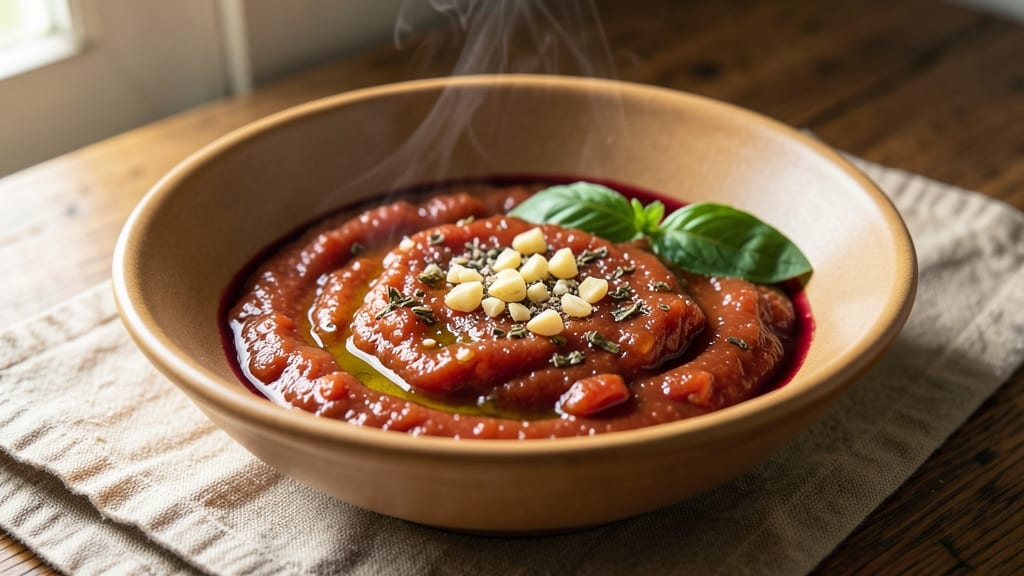
This Olive Garden copycat marinara sauce delivers the same bold, herby flavor that makes their pasta legendary—without the artificial aftertaste or sugar crash. ✨ The secret lies in balancing crushed tomatoes, fresh garlic, and Italian herbs with precise simmering time, creating a sauce that’s rich yet light, perfect for pasta or dipping.
I’ve replicated the restaurant’s signature taste through careful ingredient ratios and slow reduction, ensuring every spoonful delivers that familiar depth.
The beauty of this sauce is its versatility—it works as a vibrant pasta topping, a dipping sauce for crusty bread, or even a marinade for grilled meats.
Unlike store-bought versions, this recipe avoids excess sugar and preservatives, relying instead on natural sweetness from tomatoes and a touch of honey for balance. The result is a sauce that’s restaurant-quality but made with simple pantry staples and just 30 minutes of active time.
What sets this marinara apart is its layered flavor profile: bright acidity from tomatoes, aromatic garlic, and earthy herbs that develop during simmering. The texture is smooth yet slightly chunky, with just enough body to cling to noodles without being gluey.
Once you taste the difference, you’ll never go back to bottled sauce again—this is the real deal, made in your own kitchen.
Perfect for meal prep, holiday gatherings, or when you crave that familiar Olive Garden taste without the restaurant prices. The recipe scales easily, so you can make a small batch for two or double it for a crowd. Let’s get cooking—your next pasta night just got an upgrade.
Ingredients for olive garden marinara sauce copycat
Eight simple ingredients transform into that iconic Olive Garden marinara flavor—no sugar crash here.
| Ingredient | Amount | Notes |
|---|---|---|
| Crushed Tomatoes (40 oz can) 🍅 | 1 can | San Marzano preferred for sweetness |
| Extra-Virgin Olive Oil 🫒 | ½ cup | High quality, fruity variety |
| Garlic Cloves 🧄 | 6 cloves | Freshly minced, not pre-minced |
| Dried Basil 🌿 | 1 tbsp | Italian variety preferred |
| Dried Oregano 🍃 | 1 tsp | Mexican oregano if available |
| Red Wine 🍷 | ½ cup | Dry, bold variety like Cabernet |
| Honey 🍯 | 1 tbsp | Light, mild flavor preferred |
| Salt 🧂 | 1 tsp | Kosher or sea salt |
| Black Pepper 🌶️ | ½ tsp | Freshly ground preferred |
| Onion Powder 🧅 | ½ tsp | For subtle depth |
The tomatoes make or break this. San Marzano cans from Trader Joe's or Whole Foods give you that natural sweetness without added sugar—look for the vibrant red color and no funny preservatives. Fresh garlic is non-negotiable here (the pre-minced stuff just doesn't cut it). For the red wine, any bold, dry red works—Cab Sauv, Merlot, whatever's open. The dried herbs? Penzeys or Italian markets have the best quality, but the regular grocery store stuff works fine if it's recent. I always grab extra basil—half goes in the pot, half gets torn over the top at the end for that restaurant freshness.
No red wine? Beef broth with a splash of balsamic gets you close, though it'll lack that wine depth. Short on honey? Maple syrup at half the amount works in a pinch. The onion powder can be swapped for 1/4 tsp onion salt, but reduce the regular salt by 1/4 tsp to balance. For extra richness, add 1 tbsp tomato paste—it thickens beautifully. Want to make it vegetarian? Skip the wine and use vegetable broth instead. The key is letting everything simmer until the flavors meld—don't rush it.
This sauce tastes even better the next day once everything marries. Keeps 5-7 days in the fridge, or 6 months frozen in ice cube trays for easy portions. I always make a double batch—one for pasta night, one for freezing. The texture thickens as it cools, so if it seems too thick when done, just stir in 1-2 tbsp water to loosen it up. Perfect for dipping, marinating, or tossing with your favorite noodles.
Why You'll Love This Recipe
- No-Fuss Pantry Staples: I swear by this recipe because it uses what’s already in my cupboard—no fancy shopping needed. That 40oz can of crushed tomatoes? It’s the secret weapon here, and the olive oil and garlic make it taste like I actually put in effort (even when I didn’t).
- Garlic Bomb Flavor: Between us, the real magic is in the garlic. I don’t skimp—minced cloves simmered low and slow until the sauce smells like a little piece of Italy. The basil and oregano? Just enough to make it sing without overpowering the tomatoes.
- Weeknight & Party Hero: This sauce is my go-to for spaghetti nights, but I’ve also drizzled it over grilled chicken or tossed it with roasted veggies. Honestly, it’s the kind of thing that works for a lazy Tuesday or a dinner party—zero stress, all flavor.
- Leftovers That Don’t Suck: Make a double batch and freeze half. Thaw it later for quick pasta, pizza dough, or even a soup boost. I’ll be real: my freezer’s full of this stuff because it’s that good—and way cheaper than takeout. Plus, no one ever complains when I pull it out.
Step-by-step instructions for Olive Garden copycat marinara sauce
Here's the method that delivers that signature restaurant flavor at home.
🍳 Step 1: Sauté Garlic in Olive Oil Until Fragrant
Heat the 0.5 cup extra-virgin olive oil in a large saucepan over medium heat. Add the 6 cloves minced garlic and cook for 2-3 minutes until the garlic is golden and smells heavenly—not browned, just fragrant. Here's the thing—don't walk away. Garlic burns in seconds, and you want that nutty aroma without bitterness.
This step builds the flavor foundation. The olive oil carries the garlic's essence while preventing it from burning. If you're using fresh garlic, mince it finely so it distributes evenly and infuses the sauce completely. I like to press the garlic into the oil with a spoon to release all its flavor.
🍳 Step 2: Deglaze with Red Wine and Simmer
Pour in the 0.5 cup red wine and stir vigorously to scrape up any browned bits from the bottom of the pan. This deglazing step captures all that garlic flavor that would otherwise stick. Let the wine simmer for 3-4 minutes until it reduces by about half and the alcohol smell disappears.
Watch for the wine to develop a rich, slightly syrupy consistency. You'll notice the color deepen as it reduces—this is your visual cue that the alcohol is cooking off and the wine is transforming into flavor. Don't rush this step; letting the wine reduce properly prevents a raw alcohol taste in your finished sauce.
🥘 Step 3: Add Tomatoes and Seasonings
Pour in the 1 can crushed tomatoes and add the 1 tbsp dried basil, 1 tsp dried oregano, 0.5 tsp onion powder, 1 tsp salt, and 0.5 tsp black pepper. Stir everything together until well combined. Bring the mixture to a gentle boil over medium-high heat, then reduce the heat to low to maintain a steady simmer.
This is where the sauce comes together. The tomatoes will release their natural sweetness while the herbs and spices mingle with the wine's depth. I always stir occasionally to prevent the tomatoes from sticking to the bottom—this ensures even cooking and maximum flavor extraction.
🔥 Step 4: Simmer and Thicken with Honey
Let the sauce simmer uncovered for 25-30 minutes, stirring occasionally. After 20 minutes, add the 1 tbsp honey and stir well. The sauce should thicken slightly as it simmers, coating the back of a spoon. You're aiming for a consistency that's smooth but still clings to pasta—not watery, not glue-like, but perfectly saucy.
Here's the moment that matters: taste the sauce as it simmers. Adjust seasoning if needed—add a pinch more salt if it tastes flat, or a splash more red wine if it needs more depth. The honey balances the acidity of the tomatoes while adding just enough sweetness to mirror that familiar Olive Garden taste without being cloying.
⏰ Step 5: Rest and Serve
Once the sauce reaches your desired consistency, remove it from heat and let it rest for 5-10 minutes. This resting period allows the flavors to meld completely and the sauce to thicken slightly as it cools. I know it's tempting to serve it immediately, but trust me—waiting makes all the difference.
Serve the marinara warm over your favorite pasta, sprinkled with fresh basil if you're feeling fancy. Each spoonful should deliver that perfect balance of tomato sweetness, herby depth, and just a hint of wine complexity. The sauce should coat the pasta beautifully without being overly thick or watery—just like the restaurant version.
Pro Tips For Making Olive Garden Marinara Sauce Copycat
- Bloom the Herbs First: Toss dried basil and oregano into the olive oil before adding garlic—let them sit for 30 seconds while you chop. This wakes up their flavor instead of just dumping them in later like an afterthought. (Yes, it’s weird, but the sauce tastes deeper.)
- Sweat the Garlic Low: Cook the minced garlic on medium-low until it’s just golden—about 2-3 minutes. Burning it turns the sauce bitter, and Olive Garden’s version never has that smoky edge. If your kitchen runs hot, reduce the heat and give it patience.
- Simmer, Don’t Boil: Keep the sauce at a gentle bubble for at least 20 minutes. Boiling it turns the tomatoes mealy and dulls the bright acidity you’re paying for in that 40 oz can. Stir occasionally, but let it work on its own—this is where the real flavor develops.
- Finish with a Pinch: Taste the sauce before adding salt—crushed tomatoes vary wildly in saltiness. Then add just a tiny pinch of salt and let it sit for 5 minutes. You’ll almost always need more, but this prevents over-salting the whole batch. (I learned this after ruining two batches.)
Wine and beer pairings for olive garden marinara sauce copycat
Italian Reds
This marinara’s rich tomato and herb profile pairs beautifully with Chianti Classico or Sangiovese—both Italian wines with bright acidity that cuts through the sauce’s depth. I reach for a 2018 Chianti Classico from Tuscany, its cherry notes complementing the sauce’s herbal complexity.
For a budget-friendly option, try Montepulciano d’Abruzzo—it’s juicy and affordable while still delivering the right balance. 🍷
Crisp Whites
If you prefer white wine, Vermentino from Sardinia is my go-to—its citrusy freshness mirrors the sauce’s brightness. Another great choice is Pinot Grigio from Alto Adige, which adds a clean, crisp finish without overpowering the marinara’s bold flavors. Serve it slightly chilled to enhance the wine’s refreshing qualities.
Beer Pairings
For beer lovers, a light Italian lager like Peroni or Moretti works wonders—its subtle maltiness enhances the sauce’s tomato sweetness. If you prefer craft options, try a Belgian witbier (like Hoegaarden) for a peppery, citrusy contrast that brightens each bite.
Avoid heavy stouts or IPAs, as they’ll clash with the sauce’s delicate balance.
Non-Alcoholic Options
Skip the alcohol? Sparkling San Pellegrino with a splash of balsamic vinegar mimics the wine’s acidity beautifully. For a herbal twist, infuse sparkling water with fresh basil and lemon slices—it’s refreshing and pairs perfectly with the sauce’s herby notes.
I also love ginger beer (non-alcoholic) for a spicy kick that complements the marinara’s depth.
Serving Temperature
Serve your wine or beer at room temperature for reds and lightly chilled (45-50°F) for whites and beers. The sauce’s warmth will contrast nicely with a cool glass, balancing the meal’s heat.
If using beer, let it sit at room temperature for 10-15 minutes before pairing—this enhances its flavor and aroma. 💡
Pro Tip
Want to elevate the experience? Pair the sauce with garlic bread or fresh mozzarella—the buttery bread soaks up the sauce beautifully, while the mozzarella adds a creamy contrast.
For a full Italian spread, serve with prosciutto-wrapped melon or olive tapenade to round out the flavors. The key is balancing textures and temperatures for the best harmony.
Nutrition facts
Frequently asked questions
Why does this marinara taste different from store-bought versions?
This recipe skips artificial flavors and excess sugar found in many commercial sauces. The secret lies in fresh garlic, quality crushed tomatoes (like San Marzano), and a proper reduction time that develops deep, natural flavors. The red wine and honey add complexity without overpowering the tomato base—just like Olive Garden's signature taste.
Can I make this sauce without wine?
Replace the red wine with 1/2 cup beef broth plus 1 tbsp balsamic vinegar for similar depth. For a vegetarian version, use vegetable broth with 1 tsp tomato paste to enhance richness. The key is balancing acidity—adjust seasoning to taste after simmering.
How do I fix a sauce that's too thick or too thin?
For thick sauce, thin with 1-2 tbsp water or a splash of red wine while stirring. For thin sauce, simmer uncovered for 5-10 more minutes to reduce. Avoid adding flour—it can make the sauce taste artificial. The ideal consistency should coat the back of a spoon but still flow freely.
What's the best way to store and reheat leftovers?
Store in an airtight container in the fridge for 5-7 days or freeze in ice cube trays for 6-month portions. To reheat, warm in a saucepan over low heat with a splash of water to prevent burning. Never microwave—it destroys the sauce's texture and flavor layers.
Can I use this sauce for dishes other than pasta?
This versatile sauce works perfectly as a dipping sauce for crusty bread, a marinade for grilled chicken or shrimp, or even a pizza topping. Its balanced flavors shine in any application where you'd use traditional marinara. For extra richness, stir in 1 tbsp butter when serving over pasta.