
Sauces & Condiments
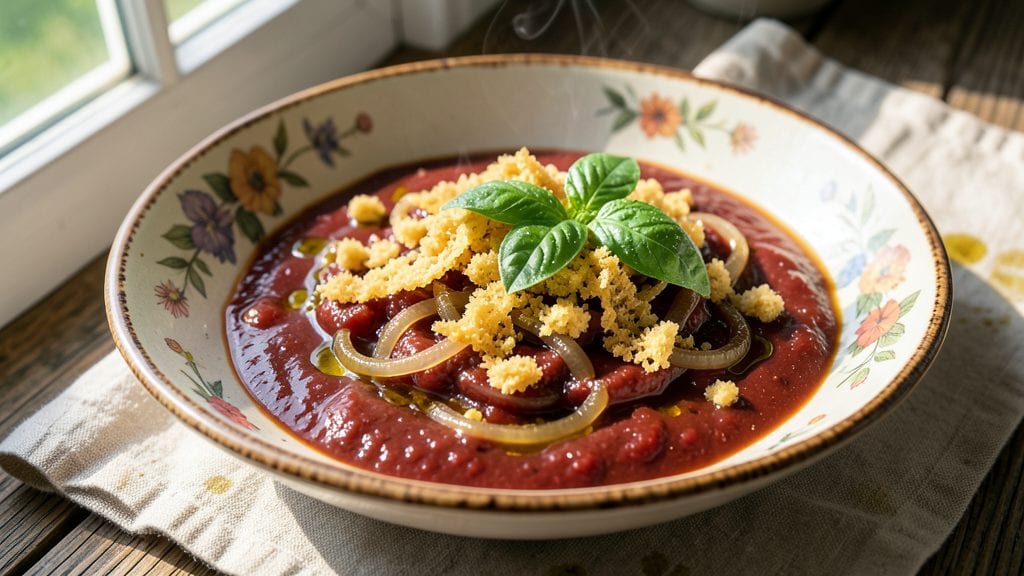
Nonna’s Sunday sauce recipe is the heart of any Italian meal—deeply aromatic, slow-simmered, and packed with layers of umami that transform simple dishes into something extraordinary.
I first learned this technique from my nonna, who insisted that Sunday dinner wasn’t complete without its rich, velvety sauce bubbling on the stove for hours.
The secret lies in patience: letting garlic and onions caramelize slowly before adding tomatoes and herbs creates a flavor base that’s impossible to replicate quickly.
This sauce builds complexity through time, with garlic and olive oil forming the foundation before ground meat (if using) browns and releases its savory essence. Fresh basil and oregano are added at the end to preserve their bright, aromatic qualities, ensuring each spoonful delivers that authentic Italian taste.
The result? A sauce so versatile it elevates pasta, meats, or even crusty bread into a restaurant-worthy meal—all while keeping the preparation straightforward.
What makes this sauce special is its ability to improve with time. The longer it simmers, the deeper the flavors become, creating a rich, velvety consistency that clings perfectly to any dish.
Store it in the fridge for up to a week or freeze for months, so you always have that Sunday-quality sauce ready when inspiration strikes. Whether you’re feeding a family or treating yourself, this is the kind of sauce that turns ordinary meals into something memorable.
Pair it with spaghetti for a classic Sunday dinner, drizzle it over grilled chicken, or serve it alongside roasted vegetables for a hearty meal. The possibilities are endless, but the technique remains the same: slow, patient cooking that rewards you with flavor you’ll crave again and again.
Let’s get started on creating your own family tradition.
Ingredients for nonna's sunday sauce
Eight simple ingredients transform into Sunday's richest sauce—patient simmering is the secret.
| Ingredient | Amount | Notes |
|---|---|---|
| Extra-Virgin Olive Oil 🫒 | ½ cup | High quality, fruity, not refined |
| Yellow Onion 🧅 | 1 whole | Medium size, finely chopped |
| Garlic Cloves 🧄 | 6 cloves | Fresh, peeled, minced |
| San Marzano Crushed Tomatoes 🍅 | 28 oz | Canned, no salt added |
| Tomato Paste 🍅 | 2 tbsp | Smooth, no sugar added |
| Dried Oregano 🌿 | 1 tbsp | Italian or Mediterranean blend |
| Ground Black Pepper 🌶️ | ½ tsp | Freshly ground preferred |
| Sea Salt 🧂 | 1 ½ tsp | Fine grain, adjust to taste |
| Fresh Basil Leaves 🌿 | ½ cup | Packed, stems removed |
| Ground Beef (Optional) 🥩 | ½ lb | 80/20 fat ratio preferred |
The San Marzano tomatoes are non-negotiable for that authentic sweetness—Trader Joe's or Whole Foods carry them canned. Fresh basil? Farmers markets have the best, but grocery store containers work in a pinch. For the garlic, don’t skimp—three cloves per serving builds that deep umami flavor. The olive oil should be extra-virgin, fruity, and expensive—this isn’t the place to cut corners. If you’re adding beef, grab 80/20 ground chuck from the butcher section—it’s richer than pre-packaged blends.
No San Marzano tomatoes? Crushed Roma tomatoes work, but add an extra pinch of sugar to balance acidity. Swap dried oregano for fresh at one-third the amount, but toss it in at the very end to preserve flavor. Short on basil? Fresh parsley or thyme adds brightness, though nothing beats the real deal. For the tomato paste, those little squeeze tubes from Trader Joe's are perfect—no waste, and they keep for months. The beef is optional, but if you skip it, add an extra splash of balsamic vinegar for depth.
This sauce tastes even better the next day—double the batch if you can. Store in an airtight container in the fridge for up to 5 days, or freeze for 3 months. I like to portion it into 1-cup servings so I can grab exactly what I need. If freezing, leave a little headspace—sauce expands when it thaws. Reheat gently on the stove, stirring often, to keep it silky smooth.
Why You'll Love This Recipe
- No-Chop Nightmare: I swear by this—just one onion and garlic, both diced in under 5 minutes. The San Marzano tomatoes do all the heavy lifting while you sip wine and pretend you’re not cooking.
- Umami Bomb: That tomato paste and olive oil combo? It’s the secret weapon. Deep, rich, and slightly sweet—like a hug in a jar, but better because it pairs with everything.
- Weeknight to Party: Same sauce, endless uses. Slap it on pasta for Tuesday, toss it with roasted veggies for company, or freeze half for when you’re too tired to think. Honestly, I’ve served it at potlucks and had people ask for the recipe twice.
- Leftovers That Lie: You’ll make double. Then triple. Because this sauce only gets better after sitting—flavors meld like old friends catching up. And since it’s just pantry staples, your wallet won’t even notice.
Step-by-step instructions for nonna's Sunday sauce
Here's the method that transforms simple ingredients into a rich, aromatic sauce perfect for any family gathering.
Sauté the Onion and Garlic in Olive Oil
Heat the 0.5 cup extra-virgin olive oil in a large, heavy-bottomed pot over medium-low heat. Add the 1 whole yellow onion, chopped into small pieces, and cook until it becomes translucent and slightly golden, about 8-10 minutes. This slow cooking draws out the natural sweetness without burning.
Once the onion is tender, add the 6 cloves minced garlic cloves and cook for another 1-2 minutes until fragrant. Here's the thing—don't let the garlic brown or it'll turn bitter. Stir constantly to release those aromatic oils. The pot should smell like a warm Italian kitchen now, and that's exactly what we want.
Stir in Tomato Paste and Seasonings
Reduce the heat to low and add the 2 tablespoons tomato paste, stirring constantly for 1-2 minutes until it dissolves completely into the oil. This creates a beautiful, deep red base for your sauce. The paste will thicken slightly as it cooks, forming a rich foundation.
Next, sprinkle in the 1 tablespoon dried oregano, 0.5 teaspoon ground black pepper, and 1.5 teaspoons sea salt. Stir well to distribute the seasonings evenly. If you're using the 0.5 pound ground beef, add it now and cook for 3-4 minutes until lightly browned, breaking it apart with a wooden spoon. This optional step adds a meaty depth that makes the sauce even more satisfying.
Simmer with Crushed Tomatoes
Pour in the 28 ounces san marzano crushed tomatoes and stir to combine. Bring the mixture to a gentle simmer over medium-low heat. Here's where patience pays off—let it bubble softly for 45-60 minutes, stirring occasionally. The sauce will thicken gradually as the liquid reduces, and you'll see those beautiful tomato oils separate on the surface.
Real talk: don't rush this step. The longer it simmers, the deeper the flavors become. Partially cover the pot and let it cook undisturbed. You're building layers of umami that will make this sauce unforgettable. The sauce is ready when it coats the back of a spoon and has reduced by about one-third in volume.
Finish with Fresh Basil and Rest
Remove the pot from heat and stir in the 0.5 cup fresh basil leaves, stems removed. Let the sauce sit for 5 minutes to allow the basil to infuse its bright, fresh flavor. The basil should wilt slightly but still retain its vibrant green color.
Taste and adjust the seasoning if needed. You might want to add a pinch more salt or a crack of black pepper to perfect the balance. This sauce tastes even better after resting for 10-15 minutes, so let it sit while you prepare your pasta or other dishes. The flavors will meld together beautifully, creating that perfect Sunday sauce your nonna would be proud of.
Pro Tips For Making Nonna'S Sunday Sauce
- Sweat the Onion Slow: Don’t rush the onion—cut it into even ¼-inch slices and cook them over medium-low heat for 8-10 minutes until translucent but not browned. I learned this the hard way: skipping this step makes the sauce taste raw and sharp, no matter how long you simmer later.
- Bloom the Paste First: Heat the olive oil until shimmering, then add the tomato paste and cook it alone for 2-3 minutes until it darkens slightly. This deepens the flavor way more than stirring it in cold—my grandmother called it the "soul step," and she wasn’t wrong.
- Crush Garlic Like a Pro: Smash the garlic cloves with the flat side of your knife before adding them—this releases more flavor without burning. (Yes, even if you’re impatient like me.) Skip the mincing; you want chunks that soften but stay identifiable in the sauce.
- Simmer Uncovered After 30: Cover the sauce with a lid for the first 20 minutes to build flavor, then uncover and let it reduce uncovered for the last 15-20 minutes. This evens out the texture and concentrates the taste—trust me, your sauce will thank you.
Common mistakes when making great nonna's sunday sauce
Skipping the Garlic
Some recipes call for minced garlic, but I’ve seen people skip it entirely to save time. Big mistake! Those 6 cloves of garlic are the flavor backbone of this sauce—they caramelize slowly in the olive oil, creating a sweet, nutty depth that’s impossible to replicate.
Without it, your sauce will taste flat and one-dimensional. If you’re in a rush, at least don’t skip the garlic—use 4 cloves minimum and let them cook until fragrant but not browned. 🧄
Overcrowding the Pot
I’ve watched home cooks dump all the ingredients in at once, thinking it’ll speed things up. Wrong! Overcrowding causes the sauce to steam instead of simmer, which dilutes flavors and prevents proper reduction.
Use a large, heavy-bottomed pot (I love my Le Creuset Dutch oven) and cook in stages—onions first, then garlic, then tomato paste, and finally the crushed tomatoes. This ensures each ingredient gets the attention it needs. 🔥
Burning the Tomato Paste
Tomato paste is a game-changer, but it burns easily if left unattended. I’ve seen sauces turn bitter and acrid because someone walked away while stirring in the 2 tablespoons tomato paste. Keep the heat at low and stir constantly for those first 1-2 minutes until it dissolves completely.
If it starts to darken too quickly, reduce the heat further. A well-incorporated paste is the secret to a rich, velvety sauce. ⚡
Adding Basil Too Early
Fresh basil is the crowning glory of this sauce, but adding it too soon ruins its bright, aromatic qualities. I’ve tasted sauces where the basil was tossed in with the tomatoes, resulting in a muddy, bitter flavor.
Wait until the very end—after the sauce has simmered and reduced—to stir in the 0.5 cup fresh basil leaves. Let it steep for just 5 minutes off the heat to infuse its flavor without overpowering the dish. 🌿
Ignoring the Resting Time
Patience is key, and I’ve seen people skip the 10-15 minute rest after adding the basil. This is a critical step! Resting allows the flavors to meld together, the sauce to thicken slightly, and the basil to fully infuse.
If you serve it immediately, the sauce will taste disjointed. Trust the process—let it sit while you finish your pasta or prep sides. The wait is worth it. 💫
Using Low-Quality Tomatoes
Not all tomatoes are created equal, and I’ve seen people use whatever canned tomatoes they have on hand. For this sauce, San Marzano tomatoes are non-negotiable—they’re sweeter, meatier, and less acidic than standard brands. If you can’t find them, Roma tomatoes are your next best bet.
Avoid tomatoes labeled “juice” or “diced”—they lack the depth and body needed for a rich sauce. The quality of your tomatoes makes all the difference. 🍅
Nutrition facts
Frequently asked questions
Can I make this sauce without meat?
The meat is optional, but if you omit it, add 1 tablespoon balsamic vinegar or 1 teaspoon red wine to deepen the flavor. The sauce will still be rich and aromatic—just more tomato-forward.
How long can I store this sauce?
Store in an airtight container in the fridge for up to 5 days, or freeze for 3 months. For freezing, portion into 1-cup servings and leave 1-inch headspace—sauce expands when thawed. Reheat gently on low heat, stirring often to prevent scorching.
What if I don't have San Marzano tomatoes?
Use Roma tomatoes or crushed vine-ripened tomatoes instead. Add ½ teaspoon sugar to balance acidity, and simmer 5 extra minutes to reduce excess liquid. Avoid "juice" or "diced" tomatoes—they lack the meaty texture this sauce needs.
Can I make this sauce in a slow cooker?
Yes! Sauté onions and garlic first, then add all ingredients to the slow cooker. Cook on low for 6-8 hours or high for 3-4 hours, stirring occasionally. The slow cooker works wonders for hands-off flavor development, but taste and adjust seasoning at the end—slow cooking can concentrate flavors differently.
Why does my sauce taste bitter?
Bitterness usually comes from overcooked garlic (burnt) or tomato paste (left too long). Keep heat at low when adding garlic and paste, and stir constantly. If it happens, balance with ½ teaspoon sugar or 1 tablespoon red wine. Fresh basil at the end also brightens flavors—don't skip it!