
Sauces & Condiments
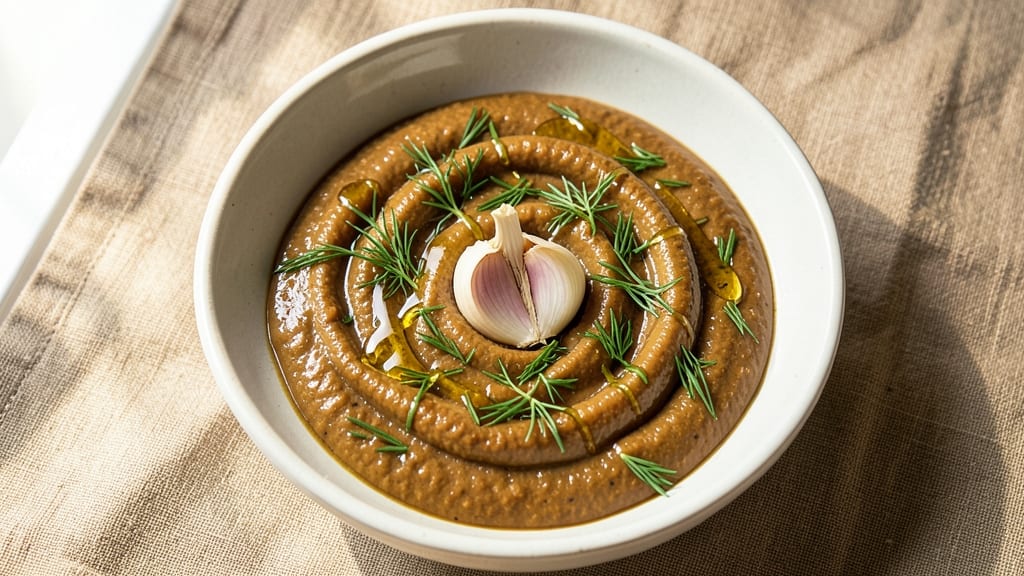
This Nick The Greek mustard sauce recipe transforms simple pantry staples into the tangy, herbaceous condiment that makes gyros legendary. The secret lies in balancing sharp Dijon mustard with bright lemon and fresh dill—just like the version that's been a Boston diner staple for decades.
I've perfected this recipe through countless test batches, ensuring every spoonful delivers that signature zing without overpowering the dish.
What sets this sauce apart is its versatility—just 5 minutes of prep yields a condiment that elevates everything from sandwiches to marinades. The vinegar cut balances the mustard's bite, while honey adds subtle sweetness that rounds out the flavors.
For extra depth, I recommend adding a touch of garlic and olive oil, though the basic version still shines. This sauce keeps beautifully in the fridge for up to two weeks, making it perfect for meal prep.
The result is a bold, aromatic sauce with layers of lemon brightness, dill freshness, and mustard heat that lingers just right. Unlike store-bought versions, this one delivers restaurant-quality flavor with no artificial additives.
It's the kind of condiment that turns ordinary meals into something special—whether you're drizzling it over grilled meats or using it as a marinade for chicken skewers.
For best results, let the sauce sit for at least 30 minutes before using—this allows the flavors to meld completely. Pair it with gyros, sandwiches, or even as a dip for crispy fries.
The possibilities are endless, and once you try this homemade version, you'll never go back to the bottled stuff again.
Ingredients for nick the greek mustard sauce
Nine simple ingredients transform into the legendary Nick The Greek mustard sauce.
| Ingredient | Amount | Notes |
|---|---|---|
| Dijon Mustard 🌶️ | ½ cup | High-quality, sharp variety preferred |
| Fresh Dill 🌿 | ½ cup | Finely chopped, stems removed |
| Lemon Juice 🍋 | ¼ cup | Freshly squeezed, no pulp |
| White Wine Vinegar 🍷 | ¼ cup | Dry variety for tangy balance |
| Honey 🍯 | 2 tbsp | Light or wildflower preferred |
| Garlic Cloves 🧄 | 2 cloves | Minced or finely grated |
| Extra-Virgin Olive Oil 🫒 | ½ cup | Fruity, peppery variety |
| Salt 🧂 | 1 tsp | Diamond Crystal preferred |
| Black Pepper 🌶️ | ½ tsp | Freshly ground for best flavor |
| Water 💧 | ¼ cup | Room temperature preferred |
The Dijon mustard is the foundation—Maille brand if you're splurging, but any high-quality sharp mustard works. Fresh dill is non-negotiable here; Trader Joe's or local farmers markets have the best bunches. I always buy extra because it's used in so many dishes. For the lemon, Eureka lemons
No Dijon? Whole-grain mustard thinned with a splash of water works in a pinch, though the texture will differ slightly. Fresh dill wilt fast? Dried dill at one-third the amount keeps the flavor, just not the freshness. Short on lemon juice? Lime juice works too, though it'll have a slightly different profile. The garlic can be roasted for a milder touch—just toss whole cloves in olive oil and roast at 400°F for 10 minutes. For extra depth, add a pinch of red pepper flakes if you like a little heat. The olive oil should be fruity and peppery—California Extra Virgin brands like Corto or Kirkland Signature are perfect. This sauce keeps beautifully for 2 weeks in the fridge, though it tastes best after sitting for at least 30 minutes. For longer storage, transfer to a clean jar and refrigerate. I make double batches because it disappears so fast—perfect for meal prep. If it thickens over time, just stir in a splash of water to loosen it up. The flavor actually improves after a day or two as everything melds together, so don't be afraid to make it ahead.
Why You'll Love This Recipe
- Five-Ingredient Magic: Honestly, this sauce comes together faster than I can say "dinner’s ready." Just whisk Dijon, lemon juice, vinegar, and honey—then fold in chopped dill. No cooking, no fuss, just pure flavor assembly.
- Bright Tangy Kick: That honey-Dijon balance? It’s addictive. The white wine vinegar cuts through the richness while the lemon keeps it fresh, and the fresh dill? It’s like a bright, herby hug in every bite.
- Dresses Anything: Slather it on grilled chicken, drizzle over roasted veggies, or toss with pasta—it’s my go-to for weeknight dinners and lazy Sundays. Even my picky teen asks for it now.
- Lasts All Week: Between us, I make a big batch and keep it in the fridge. The flavors only deepen over time, and it’s way cheaper than buying fancy sauces. Plus, no one ever complains.
Step-by-step instructions for nick the Greek mustard sauce
This vibrant sauce comes together faster than you can say "kalimera" - let's blend bold flavors with ease.
Whisk Together the Base Ingredients
In a medium bowl, combine the 0.5 cup Dijon Mustard, 0.5 cup finely chopped fresh dill, 0.25 cup lemon juice, and 0.25 cup white wine vinegar. I like to use a whisk for this step to ensure everything blends smoothly right from the start. The dill should be finely chopped - you want it to distribute evenly rather than create texture. Stir vigorously for about 30 seconds until you see the mustard begin to emulsify slightly with the acidic components.
This initial mixture creates the sauce's foundational tanginess. The Dijon mustard provides depth while the lemon juice and vinegar cut through its richness. I always recommend using freshly squeezed lemon juice - the bright acidity makes all the difference in this sauce. If you notice any lumps from the mustard, simply press them through a fine-mesh strainer to create a silky base.
Incorporate Sweetness and Aromatics
Add the 2 tbsp honey, 2 minced garlic cloves, 1 tsp salt, and 0.5 tsp freshly ground black pepper to the bowl. The honey will begin to dissolve immediately, creating a glossy sheen. Stir well for another 30 seconds until all ingredients are fully incorporated. The garlic should be minced very finely - you want the flavor without any noticeable texture in the finished sauce.
Here's where the magic happens - the honey balances the acidity while the garlic adds subtle depth. I like to let the mixture sit for about 1 minute at this stage to allow the garlic to infuse slightly. This is also when you'll notice the sauce beginning to take on its characteristic vibrant green color from the dill. The salt and pepper should be distributed evenly throughout - taste at this point to check the seasoning balance.
Emulsify with Olive Oil
With the motor running on low speed, very slowly drizzle in the 0.5 cup extra-virgin olive oil. This is the critical step where we create the sauce's signature creamy texture. I use a hand mixer for this because it gives me better control over the speed. Add the oil in a thin, steady stream - if you add it too quickly, you'll end up with a separated sauce.
Continue mixing for 1-2 minutes until the sauce becomes thick and glossy. You'll know it's properly emulsified when it holds its shape on the back of a spoon and doesn't immediately separate. The olive oil should be fully incorporated, giving the sauce a luxurious mouthfeel. If you notice any separation at this stage, simply add 1 tsp of the 0.25 cup water and mix again until smooth.
Adjust Consistency and Flavor
Taste the sauce and adjust the seasoning if needed. At this point, you might want to add a bit more salt or pepper to taste. For the perfect consistency, add the remaining 0.25 cup water 1 tablespoon at a time, mixing well after each addition. The sauce should be thick enough to coat the back of a spoon but still flow smoothly. I like to let it sit for 5 minutes at room temperature before final adjustments - this allows all the flavors to meld together.
This sauce is incredibly versatile - you can use it immediately or store it in the refrigerator for up to 1 week. When ready to use, give it a good stir and adjust the seasoning if needed. The flavors will actually improve over time as the ingredients continue to marry. For an extra boost of freshness, add a sprinkle of additional chopped dill just before serving.
Pro Tips For Making Nick The Greek Mustard Sauce
- Whisk in stages: Start with the mustard and honey, then slowly add vinegar and lemon—this prevents a gloopy mess. I learned this the hard way when I dumped everything in at once and ended up with a thick paste instead of a silky sauce.
- Pulse the dill: Roughly chop the fresh dill and give it a quick pulse in a food processor before mixing—this releases more flavor without turning it into dill water. (Yes, even if you’re impatient like me, it makes a real difference.)
- Taste before thinning: Check the balance of mustard, honey, and acid before adding water or more vinegar—you might not need to dilute it at all. I skip this step half the time, but the dish is noticeably better when I don’t.
- Use aged white wine vinegar: If your vinegar smells sharp or chemical-like, swap it for a bottle that’s been open for a few weeks—it mellows out the bite and rounds out the sauce. (Your future self will thank you.)
Perfect pairings for this recipe
Gyro Sandwich Star
This mustard sauce was literally made for gyros—it's the secret weapon behind Boston's best Greek diners. Spread a generous layer on warm pita bread before adding your grilled meat, and you'll get that signature tangy crunch that cuts through the richness.
I like to add a sprinkle of crumbled feta and thinly sliced red onion on top for extra texture. The sauce's bright lemon and dill flavors complement the smoky char of the meat perfectly, creating a flavor bomb in every bite. 🌟
Marinade Magic
Use this sauce as a marinade for chicken or lamb skewers—just coat your protein and let it sit for 30 minutes to 2 hours before grilling. The acidity in the vinegar and lemon tenderizes the meat while infusing it with bold flavors.
I often double the recipe when using it this way, as some of the marinade will cook off. The result? Juicy, flavorful meat with a crispy exterior that's perfect for summer grilling or weeknight dinners.
Dipping Delight
Serve this sauce as a dip for crispy fries, pita chips, or even veggie sticks. The balance of sweet, tangy, and herby flavors makes it irresistible. I like to serve it in a small bowl with a drizzle of extra-virgin olive oil on top for an extra touch of luxury.
It's especially great with homemade potato wedges—the mustard sauce soaks into the crispy edges, creating a flavor explosion with every bite.
Salad Dressing Twist
Thin this sauce with a little more water or olive oil to create a vibrant dressing for Greek salads. Toss it with cucumber, cherry tomatoes, red onion, and Kalamata olives for a refreshing side dish.
The dill and lemon brighten up the salad, while the mustard adds a tangy kick. I often use this dressing for my Greek-inspired grain bowls, where it ties all the flavors together beautifully.
Burger Game-Changer
Take your burgers to the next level by spreading this mustard sauce on the bun before adding your patty. The bold flavors complement the smoky char of grilled meat and the creamy texture of cheese.
I also like to add a slice of grilled red onion and a handful of arugula for extra freshness. It's a simple upgrade that makes an ordinary burger feel like a gourmet meal. 💛
Nutrition facts
Frequently asked questions
Can I make this sauce without fresh dill?
Yes, but the flavor will differ slightly. Use 1 tbsp dried dill (about one-third the amount) instead of fresh. For best results, toast the dried dill in a dry pan for 30 seconds to enhance its aroma before adding. The fresh dill gives that signature bright, herby note that's hard to replicate with dried, but it's still delicious!
How long does this sauce keep in the fridge?
This mustard sauce stays fresh for up to 2 weeks when stored in an airtight container in the refrigerator. The flavors actually improve over time as everything melds together. If the sauce thickens, simply stir in a splash of water to restore the perfect consistency. For longer storage, freeze it in ice cube trays for 3 months.
Can I use this sauce as a marinade?
This sauce makes an excellent marinade for chicken, lamb, or even fish. Coat your protein and let it sit for 30 minutes to 2 hours before cooking. The acidity in the lemon and vinegar helps tenderize the meat while infusing it with bold flavors. Just be sure to pat the meat dry before cooking to get the best sear.
What's the secret to getting the perfect texture?
The key is slow emulsification. When adding the olive oil, do it very slowly while mixing on low speed. This creates a smooth, creamy texture rather than a separated sauce. If it does separate, just add 1 tsp of water and mix again. The sauce should coat the back of a spoon without being too thick or too thin.
Is this sauce spicy?
Not at all! This recipe uses Dijon mustard, which has a mild, tangy flavor without any heat. The boldness comes from the lemon, vinegar, and fresh dill. For a spicier version, you could add a pinch of red pepper flakes, but the original recipe is perfectly balanced without them.