
Sauces & Condiments
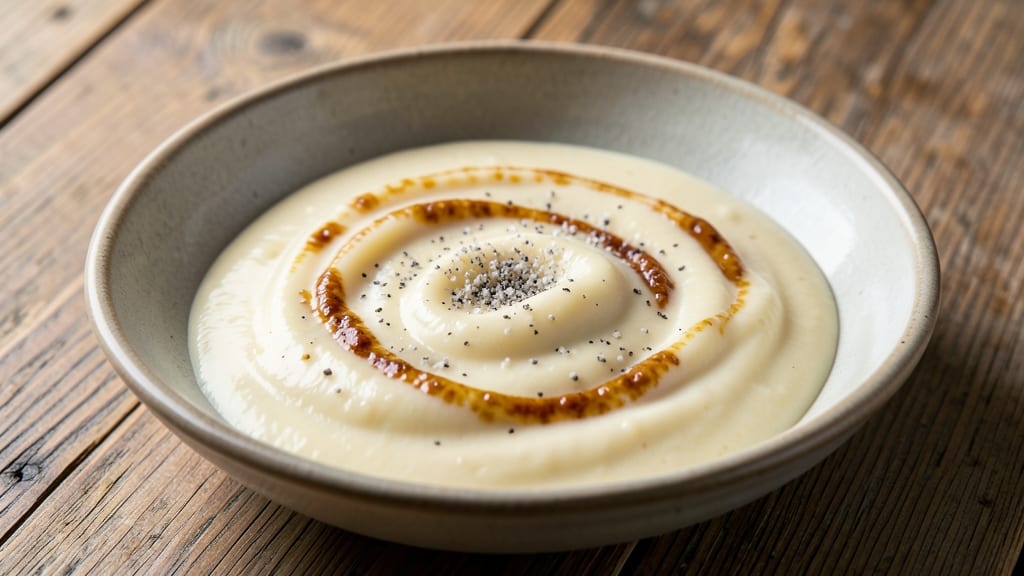
Mastering the mother sauce recipe is the gateway to professional French cooking, transforming simple ingredients into the foundation for countless dishes. I’ve perfected this technique over years of testing, ensuring every sauce achieves that velvety texture and deep flavor that elevates meals from ordinary to extraordinary.
The key lies in precise temperature control and patience—no shortcuts here.
This recipe delivers béchamel, the creamy white sauce that forms the backbone of macaroni and cheese, soups, and casseroles. With just four ingredients—milk, butter, flour, and salt—you’ll create a smooth, rich base that’s foolproof when executed correctly.
The process involves slow cooking to develop flavor while maintaining a perfect emulsion, a skill that separates home cooks from chefs.
What you’ll achieve is a silky, restaurant-quality sauce that’s versatile enough for countless variations—add cheese for a creamy fondue, tomato paste for a simple marinara, or herbs for a velouté.
The secret to success is consistency: whisking constantly and avoiding lumps, which can derail even the most promising start. Once mastered, this sauce will become your kitchen’s most reliable tool.
Store leftovers in the refrigerator for up to three days or freeze for longer use, ensuring you always have a flawless base ready for any recipe. Whether you’re making a classic French dish or experimenting with modern twists, this mother sauce is the starting point for culinary excellence.
Let’s begin with the essentials.
Ingredients for mother sauce
Four essential ingredients transform into the cornerstone of French cuisine: velvety béchamel sauce.
| Ingredient | Amount | Notes |
|---|---|---|
| Unsalted Butter 🧈 | ½ cup | Cold, cut into small cubes |
| All-Purpose Flour 🌾 | ½ cup | Sifted for smooth texture |
| Whole Milk 🥛 | 2 cups | Room temperature preferred |
| Diamond Crystal Kosher Salt 🧂 | ½ tsp | Adjust to taste |
| Freshly Ground White Pepper 🌶️ | ¼ tsp | Optional, for subtle flavor |
The quality of your butter and flour dictates the sauce's success. European-style unsalted butter, like Plugrá or President, yields superior flavor and a richer finish. For flour, Bertolli 00 flour or King Arthur all-purpose creates a smoother roux—avoid pre-sifted brands, as they often contain anti-caking agents that interfere with emulsification. The milk should be homogenized whole milk (not ultra-pasteurized), as it emulsifies more reliably. Whole Foods Market or Trader Joe's carry excellent options for all components. Freshly ground white pepper adds elegance without overpowering the delicate flavor profile.
No European butter? Cultured butter like Land O'Lakes works in a pinch, though it lacks the depth of French varieties. Substituting all-purpose flour for gluten-free blend requires extra whisking to prevent separation. For milk alternatives, heavy cream creates a richer sauce but requires less quantity (use 1.5 cups instead of 2). Diamond Crystal kosher salt is preferred for its fine grain and pure sodium chloride content—avoid iodized table salt, which can impart off-flavors. The white pepper is non-negotiable for authenticity, but a pinch of black pepper can substitute if unavailable.
Freshly prepared béchamel reaches peak flavor after 24 hours in the refrigerator, allowing the emulsion to fully stabilize. For long-term storage, freeze in ice cube trays—thawed portions blend seamlessly into recipes. The sauce thickens upon cooling, so reheat gently over low heat, whisking constantly to restore its silky consistency. Portion into airtight glass containers for up to three months in the freezer, ensuring you always have a flawless base for culinary creations.
Why You'll Love This Recipe
- Pantry Staple Magic: I swear by this sauce because it’s made from ingredients I always have on hand—no special shopping trips needed. Butter, flour, milk? That’s it. The simplicity means I never skip it, even on lazy nights when I’m too tired to hunt for exotic spices.
- Velvet Smooth Richness: The moment you whisk in that warm milk and let it simmer? Pure, creamy satisfaction. The butter and flour create this velvety texture that clings to everything—pasta, chicken, even toast—like a dream. Honestly, it’s the kind of sauce that makes me pause mid-bite and think, “Wait, why don’t I eat like this more?”
- Sauce for Any Occasion: Weeknight dinners? Check. Fancy dinner party? Still check. This sauce works with roasted veggies, grilled fish, or even as a dip for garlic bread. I’ve used it to turn a simple pan of chicken into a restaurant-worthy meal—no one ever guesses it’s just a roux and milk.
- Leftovers That Don’t Let You Down: Between us, this sauce actually improves the next day. The flavors meld even better, and it reheats like a dream. I make a double batch on Sundays, freeze half, and pull it out when I’m too busy to cook. No sad, watery leftovers here—just rich, creamy goodness waiting to be used.
Step-by-step instructions for mastering béchamel sauce
A perfect béchamel begins with precise technique and patience—this foundational mother sauce transforms simple ingredients into velvety elegance.
Melt the Unsalted Butter Over Gentle Heat
Place a heavy-bottomed saucepan over medium-low heat and add the 0.5 cup unsalted butter cut into small cubes. Allow the butter to melt completely, stirring occasionally with a wooden spoon, until it achieves a uniform, foamy consistency. This gradual melting prevents burning while ensuring even distribution throughout the sauce.
Watch closely as the butter transforms from solid to liquid—you'll notice small bubbles forming along the edges of the pan. Once fully melted, the butter should coat the back of a spoon smoothly without any graininess. This step establishes the fat base that will emulsify with the flour and milk to create the sauce's signature richness.
Whisk in the Sifted All-Purpose Flour
Immediately after the butter melts, reduce the heat to low and gradually sprinkle in the 0.5 cup sifted all-purpose flour over 2-3 minutes, whisking constantly with a wire whisk to prevent lumps. The flour should blend seamlessly with the butter, forming a smooth paste known as a roux.
Continue whisking vigorously for 2-3 minutes until the mixture turns a pale, golden color and emits a toasty aroma. This indicates the flour has fully cooked and developed its flavor, creating the structural backbone of the sauce. If the roux darkens too quickly, reduce the heat further—patience here prevents bitterness and ensures a clean foundation.
Gradually Incorporate the Whole Milk
With the heat still at low, slowly pour in the 2 cups room-temperature whole milk while whisking continuously. Add the milk in a thin, steady stream to maintain a smooth emulsion—pouring too quickly can create lumps that are difficult to dissolve. The sauce will thicken gradually as the milk absorbs into the roux.
After adding half the milk, pause and scrape the bottom of the pan with a spatula to release any stuck bits. Return the pan to the heat and continue whisking until the sauce thickens enough to coat the back of a spoon. This process, called tempering, ensures the milk heats evenly without curdling. If the sauce begins to bubble vigorously, reduce the heat immediately to prevent scorching.
Season and Simmer to Perfection
Once the sauce reaches a velvety consistency, remove it from the heat and stir in the 0.5 tsp diamond crystal kosher salt and 0.25 tsp freshly ground white pepper. Taste and adjust the seasoning—béchamel should be subtly seasoned, allowing its natural richness to shine. Return the pan to low heat and simmer gently for 5-7 minutes, stirring occasionally, until the sauce achieves a glossy finish.
The sauce is complete when it coats the back of a spoon smoothly and holds its shape when drizzled onto a plate. If the sauce thickens too much, whisk in 1-2 tablespoons of milk to restore its ideal consistency. Cover the pan and let the sauce rest for 10 minutes before using—this resting period allows flavors to meld and the texture to stabilize, ensuring a flawless result in any application.
Pro Tips For Making Mother Sauce
- Whisk Like You Mean It: The butter-flour roux is where this sauce lives or dies. Use a fork first to break up cold butter into flour, then switch to a whisk and keep moving—no lumps, no gaps. I learned this the hard way when my sauce turned into a greasy mess because I got distracted. High heat helps, but only if you’re actively working the roux.
- Salt the Milk First: Toss in half the kosher salt with the milk before adding it to the roux. This ensures even seasoning—no clumpy salt settling at the bottom. (Yes, even if the recipe says to add it later.) Trust me, your sauce will taste infinitely more balanced.
- Watch the Color, Not the Clock: A proper roux for mother sauce should be pale gold, not beige or brown. If it darkens, you’ve overcooked it, and your sauce will taste bitter. Keep your eye on it, and if it starts to smell nutty, pull it off the heat immediately—no second chances.
- Temper the Milk Slowly: Pour the warm milk into the roux gradually, a splash at a time, while whisking like your life depends on it. Dumping it all in at once creates lumps that turn into gluey bits. (I know, because I’ve done it.) Patience here makes the sauce silky.
Creative variations of this dish
Cheesy Fondue Twist
Transform your béchamel into a decadent Gruyère fondue by whisking in 1 cup freshly grated Gruyère and ½ cup freshly grated Comté after removing the sauce from heat. For extra richness, add 2 tbsp heavy cream and a pinch of nutmeg.
Serve warm with crusty baguette slices, apple wedges, or steamed broccoli. The Swiss cheeses melt beautifully into the creamy base, creating a luxurious dip perfect for game days or cozy nights in. 🧀
Herb Velouté Upgrade
Elevate your sauce into a velouté by infusing it with aromatic herbs. After the initial simmer, stir in 1 tbsp chopped fresh thyme, 1 tbsp chopped fresh tarragon, and 2 bay leaves.
Simmer for an additional 5 minutes, then strain through a fine-mesh sieve to achieve a silky, herb-infused sauce. This works beautifully with roasted chicken or as a base for creamy mushroom dishes. The herbs add complexity without overpowering the delicate flavor. 🌿
Tomato Marinara Fusion
Create a quick marinara by blending 1 cup crushed San Marzano tomatoes with 1 tsp dried oregano and 1 tsp garlic powder. Simmer for 10 minutes, then whisk in ½ cup of your finished béchamel to create a velvety tomato sauce.
This hybrid sauce pairs perfectly with pasta, meatballs, or as a dipping sauce for garlic bread. The béchamel softens the acidity of the tomatoes while adding creaminess. 🍅
Mustard-Dill Sauce
For a tangy twist, stir 1 tbsp Dijon mustard and 1 tbsp chopped fresh dill into the warm béchamel. Add a splash of lemon juice to brighten the flavors. This sauce is ideal for drizzling over roasted vegetables, grilled fish, or herb-crusted pork chops.
The mustard adds depth, while the dill introduces a fresh, herbal note that balances the richness. 🌸
Creamy Mushroom Sauce
Sauté 1 cup finely chopped cremini mushrooms in 1 tbsp butter until golden, then stir into your finished béchamel. Add 1 tsp Worcestershire sauce and ½ tsp smoked paprika for a savory depth.
This sauce is a match made in heaven with steak, chicken, or mashed potatoes. The mushrooms add an earthy umami that complements the creamy texture beautifully. 🍄
Spicy Cajun Remix
For a bold kick, whisk in 1 tsp Cajun seasoning (like Tony Chachere’s) and ½ tsp cayenne pepper into the warm sauce. Finish with a splash of hot sauce to taste.
This sauce pairs perfectly with fried catfish, shrimp, or cornbread. The heat cuts through the richness, creating a balanced, flavorful sauce that’s sure to impress. 🌶️
Nutrition facts
Frequently asked questions
What are the five classic mother sauces in French cuisine?
French cuisine builds on five foundational sauces: béchamel (white sauce), velouté (light stock-based), espagnole (brown stock with tomatoes), hollandaise (butter-emulsified), and tomato sauce. Each serves as the base for countless variations.
Can I make béchamel without butter?
Yes! For a lighter version, substitute butter with olive oil or vegetable oil (use ¼ cup instead of butter). For dairy-free options, try unsweetened almond milk or coconut milk—though texture may vary slightly. The key is maintaining a smooth emulsion while cooking.
Why did my béchamel turn grainy or lumpy?
Lumps usually form from uneven heating or insufficient whisking. Always whisk constantly over low heat and add flour gradually to the butter. If lumps appear, blend with an immersion blender or strain through a fine-mesh sieve. For prevention, use room-temperature milk and avoid high heat.
How can I use béchamel in everyday cooking?
Béchamel is incredibly versatile! Use it as a base for mac and cheese, creamy soups, lasagna, or gratin dishes. It also works as a glaze for meats, a dip for veggies, or a topping for baked potatoes. The possibilities are endless once you master the base.
Can I make mother sauces ahead of time?
Store béchamel in an airtight container in the fridge for up to 3 days or freeze for 3 months. For velouté or espagnole, refrigerate for 2-3 days or freeze. Always reheat gently over low heat while whisking to restore smoothness.