
Sauces & Condiments
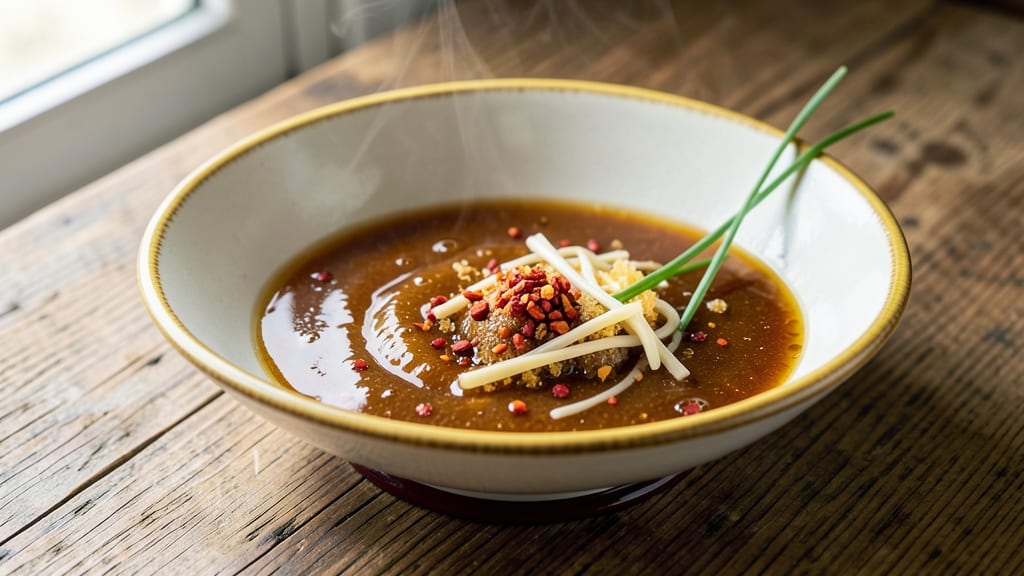
This mirin sauce recipe transforms simple glazes into restaurant-worthy masterpieces with just five ingredients and 15 minutes of simmering time. The balance of sweet mirin, sugar, and optional dashi creates a glossy, umami-rich sauce perfect for drizzling over grilled meats, glazing vegetables, or enriching soups.
I developed this version after years of experimenting with Japanese cooking techniques—it’s the one sauce that elevates every dish it touches.
The beauty of this sauce lies in its versatility and simplicity. You’ll need just mirin, granulated sugar, water, and optional dashi stock to create a foundation that reduces into a thick, syrupy consistency.
The key is simmering gently until the sugar fully dissolves and the sauce thickens to a glossy finish—no complicated techniques required. It stores well in the fridge for up to two weeks, making it a pantry staple for quick flavor boosts.
What sets this mirin sauce apart is its ability to enhance rather than overpower. Drizzle it over teriyaki-glazed salmon for extra shine, toss it with seared scallops for a caramelized finish, or use it as a marinade for grilled chicken thighs.
The sauce’s natural sweetness and umami depth make it a game-changer for home cooks who want professional results without the fuss.
For extra depth, add a splash of soy sauce or a pinch of red pepper flakes to customize the flavor. Once you master this sauce, you’ll find yourself reaching for it anytime you need a quick, elegant touch. Let’s get simmering—your dishes are about to get a serious upgrade.
Ingredients for mirin sauce
Five ingredients, 15 minutes—this glossy sauce transforms everyday dishes into restaurant-worthy masterpieces.
| Ingredient | Amount | Notes |
|---|---|---|
| Mirin 🍶 | ½ cup | High-quality, sweet mirin preferred |
| Granulated Sugar 🍚 | ½ cup | White or raw sugar works |
| Water 💧 | ½ cup | Filtered or bottled preferred |
| Dashi Stock 🍜 | ¼ cup | Optional, for umami depth |
| Soy Sauce 🥢 | 1 tbsp | For extra depth (optional) |
| Red Pepper Flakes 🌶️ | ½ tsp | Adjust for heat preference |
| Extra-Virgin Olive Oil 🫒 | 1 tsp | For glossy finish (optional) |
Mirin is the heart of this sauce, so don’t skimp on quality. Look for high-quality mirin at Asian markets—brands like Kikkoman or Hirata are reliable. Granulated sugar should be fine, but raw cane sugar adds subtle molasses notes if you're feeling fancy. Water is just a base, but filtered or bottled prevents off-flavors. The dashi stock? If you’re skipping it, a splash of kombu broth or even chicken stock works in a pinch. Pro tip: Measure mirin and sugar precisely—they’re the flavor anchors here.
No mirin? Substitute with 2 tbsp rice vinegar + 1 tbsp honey, but the sauce will lack depth. Dashi missing? Mushroom broth or a dash of fish sauce adds umami. Soy sauce is optional but worth it for extra complexity—use light soy if you want subtlety, dark soy for richness. Red pepper flakes are for heat, but a pinch of smoked paprika gives a different smoky twist. The olive oil at the end isn’t just for shine—it rounds out the sauce’s texture, making it cling beautifully to proteins or veggies.
This sauce keeps like a dream. Store it in a clean glass jar in the fridge for up to two weeks, though it’ll likely disappear faster. For longer storage, freeze in ice cube trays—just thaw and stir. The consistency will thicken as it cools, so warm it gently on the stove before using. A splash of water thins it back out if needed. I always make a double batch—one for immediate use, one to stash for next week’s meals.
Why You'll Love This Recipe
- Pantry Magic: I swear by this sauce because it’s made with stuff I already have—mirin, sugar, soy, and dashi. No specialty shopping, no last-minute grocery runs. Just open the cabinet and go.
- Umami Bomb: That combo of mirin and dashi stock? It’s like a flavor explosion in your mouth. Sweet, salty, and savory all at once—no one ingredient overpowers the other, just pure harmony.
- Weeknight Workhorse: I use this on stir-fries, glazes, even drizzled over rice bowls. It’s my go-to for busy nights when I need something fast but still feels special. Honestly, it’s the only sauce I keep on hand.
- Doubles as Stock: Make a big batch and store it—it keeps for weeks. Use it for cooking grains, deglazing pans, or even as a quick broth. Between us, I’ve saved money by stretching this sauce across three meals.
Step-by-step instructions for creating a glossy mirin glaze
This simple method delivers a silky, aromatic sauce perfect for glazing proteins or simmering with dishes.
Combine Base Ingredients in a Saucepan
In a medium saucepan, pour in the 0.5 cup mirin and 0.5 cup granulated sugar. Stir gently over medium-low heat until the sugar begins to dissolve completely—this usually takes about 2-3 minutes. You'll notice the mixture will look cloudy at first, then gradually clear as the sugar incorporates.
Here's the thing—don't rush this step. If you see any undissolved sugar crystals at the bottom, add 1 tablespoon of water and stir until fully combined. The sugar should dissolve evenly, creating a translucent syrup base for your glaze. This foundational step ensures your sauce won't grain or separate later.
Add Water and Dashi for Depth of Flavor
Once the sugar is fully dissolved, pour in the 0.5 cup water and 0.25 cup dashi stock. Bring the mixture to a gentle simmer over medium heat, stirring occasionally to prevent scorching. You'll see small bubbles form around the edges of the pan—this is your signal that the liquid is heating properly.
Simmer for 5-7 minutes until the mixture reduces by about one-third, or until it reaches a syrupy consistency. The sauce should coat the back of a spoon smoothly when you lift it. If you're using dashi stock, this is where its umami richness will develop—don't skip this reduction step, as it concentrates the flavors dramatically.
Incorporate Soy Sauce and Red Pepper Flakes
Remove the pan from heat and stir in the 1 tablespoon soy sauce and 0.5 teaspoon red pepper flakes. The soy sauce adds a deep, savory dimension while the red pepper flakes introduce a subtle heat that balances the sweetness. Let the mixture sit off the heat for 2-3 minutes to allow the flavors to meld together.
Here's where you can adjust to taste: If you prefer more heat, add an extra 0.25 teaspoon red pepper flakes. If the sauce needs more depth, stir in 1 additional teaspoon soy sauce. The goal is a harmonious balance of sweet, salty, and slightly spicy notes. Taste as you go—this is the moment that matters for achieving the perfect flavor profile.
Finish with Olive Oil for Gloss and Stability
Return the pan to low heat and stir in the 1 teaspoon extra-virgin olive oil. The oil will create a glossy sheen and help stabilize the sauce, preventing it from becoming too thick or stringy. Simmer gently for 1-2 minutes until the oil is fully incorporated and the sauce reaches a smooth, velvety consistency.
For the best results, strain the sauce through a fine-mesh sieve to remove any red pepper flakes if you prefer a completely smooth texture. Transfer to a clean jar or bowl and let it cool to room temperature. This sauce keeps well in the refrigerator for up to 5 days, making it perfect for batch cooking and glaze prep ahead of time.
Pro Tips For Making Mirin Sauce
- Simmer Slow and Steady: I learned this the hard way—boiling mirin sauce turns it bitter. Keep the heat at a gentle simmer (tiny bubbles, not rolling) until the sugar fully dissolves. If it’s too aggressive, you’ll end up with a sauce that tastes like overcooked rice vinegar.
- Use Real Mirin, Not Substitute: That "mirin-style" bottle from the Asian aisle? Skip it. Real mirin has natural sweetness and depth that substitutes lack. If you’re in a pinch, reduce 1:1 mirin with sugar and a splash of water, but it won’t be the same—your sauce will taste flatter.
- Balance the Soy Early: Add soy sauce last and taste as you go. Too much too soon ruins the delicate sweet-savory harmony. Start with half the recipe’s amount, then adjust—you can always add more, but you can’t take it out.
- Strain the Dashi First: Dashi stock often has sediment that makes your sauce look cloudy. Strain it through a fine-mesh sieve or cheesecloth before mixing—it’s a 30-second step that makes the final sauce look (and taste) polished. Yes, even if you’re serving it to just yourself.
Pro cooking tips for perfect results
Heat Control Secrets
Mirin sauce demands gentle, consistent heat—never let it boil vigorously, or you’ll risk burning the sugar and creating bitter flavors. I use medium-low heat when dissolving sugar and medium heat during reduction. A wide, shallow saucepan helps prevent scorching by giving the liquid more surface area to evaporate.
If your sauce starts to darken too quickly, immediately reduce heat to low and stir continuously until it stabilizes. 🌡️
Reduction Timing
Timing the reduction is everything—simmer for 5-7 minutes until the sauce thickens enough to coat the back of a spoon. For a thicker glaze, reduce longer (up to 10 minutes). If it thickens too much, add 1 teaspoon water and stir until smooth.
Pro tip: Use a digital kitchen timer to avoid over-reducing, which can make the sauce grainy. I’ve ruined batches by walking away for just 2 extra minutes—don’t make my mistake!
Straining for Smoothness
For a silky, restaurant-quality finish, strain the sauce through a fine-mesh sieve after adding olive oil. This removes any red pepper flakes or undissolved sugar crystals, giving you a flawless glaze. If you’re using dashi stock, straining also clarifies the liquid.
I like to press the sauce through with a spoon for maximum smoothness. For extra refinement, chill the strained sauce for 30 minutes before using—it’ll thicken further and develop deeper flavor. ✨
Flavor Layering
The magic happens in layering flavors. Start with mirin’s sweetness, then balance with soy sauce’s saltiness, and finish with red pepper flakes for heat. For extra depth, add 1 teaspoon grated ginger or 1 minced garlic clove during the simmer.
I often make two batches—one with white miso paste (½ teaspoon) for umami richness and another with a splash of rice vinegar for brightness. Taste as you go, adjusting in small increments to avoid overpowering the sauce.
Equipment Upgrades
While a basic saucepan works, a heavy-bottomed stainless steel pan prevents hot spots and scorching. I swear by my All-Clad 3-quart saucepan—it distributes heat evenly and handles high temperatures without warping. For precision, a candy thermometer helps track reduction (aim for 220-230°F).
If you’re short on time, a microwave reduction works in a pinch: heat in 30-second bursts on high, stirring between each, until syrupy. Just don’t skip the stovetop method for the best results. 💡
Sauce Consistency Fixes
If your sauce is too thick, thin with 1 teaspoon water or mirin at a time. For too thin sauce, return it to low heat and simmer uncovered for 2-3 minutes to evaporate excess liquid.
A cornstarch slurry (½ teaspoon cornstarch + 1 teaspoon water) can thicken stubborn batches, but use sparingly—it can make the sauce taste pasty. For a glossy finish, brush the sauce onto proteins or veggies with a silicon pastry brush while still warm.
The heat helps the glaze set beautifully. 🍴
Nutrition facts
Frequently asked questions
Can I make this mirin sauce without dashi stock?
Skip the dashi and use ¼ cup chicken or vegetable broth instead for umami depth. For a vegetarian version, try ½ teaspoon kombu powder dissolved in water. The sauce will still taste delicious—dashi just adds that signature Japanese richness.
How do I prevent my mirin glaze from crystallizing?
Crystallization happens when sugar doesn't fully dissolve. Stir constantly over medium-low heat until completely clear, then reduce heat immediately. If you see crystals forming later, gently reheat the sauce with 1 teaspoon water and stir until smooth. For extra insurance, strain through a fine-mesh sieve before using.
What's the best way to store leftover mirin sauce?
Transfer to a clean glass jar and refrigerate for up to 2 weeks. For longer storage, freeze in ice cube trays—thaw and stir before using. The sauce may thicken when chilled; warm gently on low heat with 1 teaspoon water to restore consistency. Always store in airtight containers to preserve freshness.
Can I use this sauce for non-Japanese dishes?
This versatile glaze works beautifully on everything from grilled pork chops to roasted Brussels sprouts. The sweet-savory balance pairs well with Western flavors too—try it on seared steak or baked chicken wings. For non-Asian dishes, reduce the red pepper flakes to ¼ teaspoon for milder heat.
Why did my sauce turn cloudy after refrigerating?
Cloudiness usually means the sugar didn't fully dissolve during cooking. Reheat the sauce gently with 1 tablespoon water until clear, then strain through a fine-mesh sieve. For future batches, stir constantly while heating the sugar and mirin to prevent this issue. The sauce should be translucent when properly made.