
Sauces & Condiments
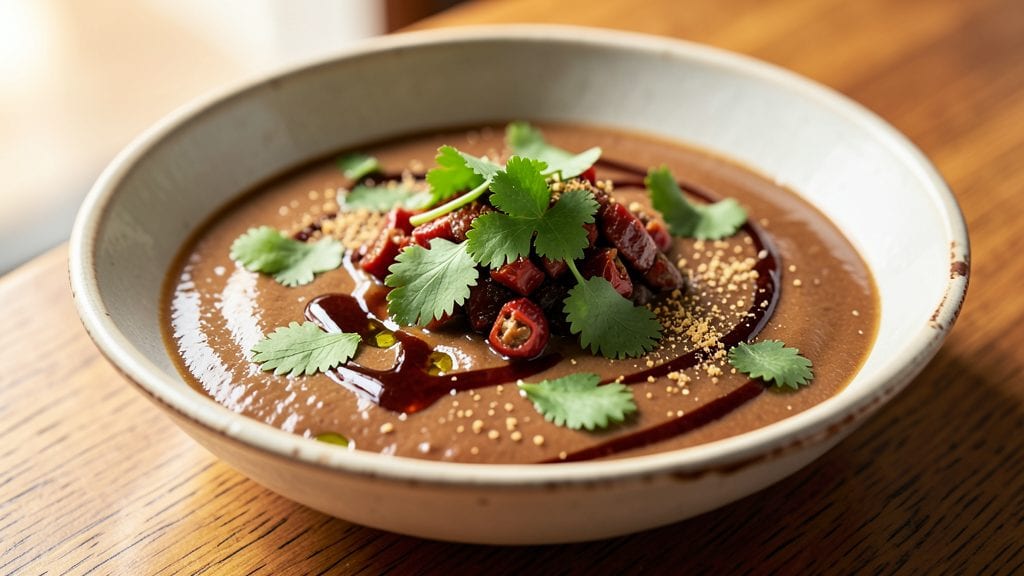
Creating Milo’s sauce recipe transforms simple pantry staples into a bold, smoky chipotle-cilantro sauce that elevates everything from tacos to grilled meats. The magic lies in balancing sweet malt powder with tangy vinegar and heat from chipotle, resulting in a sauce that’s both complex and easy to make.
I developed this version after years of experimenting with Asian-inspired sauces—this one became my go-to for adding depth without overpowering dishes.
This sauce relies on just six core ingredients—malt powder, soy sauce, vinegar, sugar, chipotle peppers, and fresh cilantro—to deliver restaurant-quality flavor. The process is straightforward: simmer until reduced, then blend until smooth for a velvety texture that clings perfectly to proteins or vegetables.
Unlike store-bought versions, this recipe stays fresh for up to a week in the fridge, making it ideal for meal prep.
What sets this sauce apart is its versatility. Use it as a dipping sauce for spring rolls, a marinade for grilled chicken, or a finishing touch on noodle bowls. The smoky chipotle pairs beautifully with the bright cilantro, creating a flavor profile that’s both familiar and exciting.
The best part? It’s foolproof—no special techniques required, just patience during the reduction.
Once you try this sauce, you’ll never reach for bottled versions again. The malt powder adds a subtle sweetness that rounds out the heat, while the cilantro keeps it fresh and vibrant. Let’s get started—your taste buds will thank you.
Ingredients for milo's sauce
Six pantry staples create this restaurant-worthy smoky chipotle-cilantro sauce.
| Ingredient | Amount | Notes |
|---|---|---|
| Malt Powder 🌾 | 2 tbsp | Sweet malt powder, not bitter |
| Soy Sauce 🥢 | ½ cup | Light or dark, your choice |
| White Vinegar 💧 | ¼ cup | For tangy brightness |
| Granulated Sugar 🍚 | 2 tbsp | Adjust for sweetness preference |
| Chipotle Peppers in Adobo 🌶️ | 4 whole | Adjusted for medium heat |
| Fresh Cilantro Leaves 🌿 | ½ cup | Stems removed, packed |
| Water 💧 | ½ cup | For thinning if needed |
| Salt 🧂 | ½ tsp | Diamond Crystal preferred |
The malt powder is non-negotiable—it’s what gives this sauce its signature depth. Bob’s Red Mill or Anthony’s Goods carry the best quality in bulk bins, but the store-brand stuff works fine if it’s fresh. Chipotles in adobo are a must; canned versions lose their smokiness over time, so grab a fresh can from the Latin market if possible. The cilantro should be vibrant green with no wilting—Trader Joe’s or local farmers markets usually have the freshest. If you’re worried about heat, remove the chipotle seeds before blending, but leave them in for full smoky flavor. This sauce is all about balance, so don’t rush the reduction—let it simmer until it thickens naturally.
No malt powder? Substitute 1 tbsp of honey or molasses for sweetness, but you’ll lose that unique malt depth. Short on cilantro? Coriander seeds toasted and ground add a similar earthy note, though it’s not the same. The vinegar can be swapped for apple cider vinegar if you prefer a fruitier tang. For extra smokiness, add ½ tsp of smoked paprika to the blend. If your sauce turns out too thick, thin it with water or a splash of soy sauce. The sugar is key for cutting the acidity—adjust to taste, but don’t skip it entirely or the sauce will taste sharp.
This sauce keeps beautifully in the fridge for up to 1 week, though it tastes best within the first 3 days. Store it in an airtight jar, and the flavors will meld even more over time. For longer storage, freeze it in ice cube trays—perfect for single-use portions. If you make a big batch, divide it into smaller containers to prevent freezer burn. The sauce reheats well, so it’s perfect for meal prep. Just give it a quick stir after reheating to restore that velvety texture.
Why You'll Love This Recipe
- Pantry Magic: I swear by this sauce because it lives in my cabinet. Just dump malt powder, soy sauce, and a splash of vinegar—no fresh herbs, no fancy prep. The chipotle peppers add heat without the hassle of roasting them yourself.
- Sweet Heat Bomb: That balance of smoky chipotle and caramelized sugar? It’s ridiculously addictive. One taste and you’ll want to slather it on everything—grilled chicken, fries, even scrambled eggs. (Yes, I’ve done it.)
- Meal Prep MVP: This sauce keeps for weeks in the fridge, so I make a big batch and use it all week. Toss it with rice, stir into soups, or drizzle over tacos—it’s my secret weapon for lazy nights when I don’t want to cook from scratch.
- Budget Game-Changer: Malt powder and adobo peppers stretch my grocery budget further than I thought possible. A little goes a long way, and the flavor punches way above its price point. Honestly, it’s the kind of sauce that makes cheap ingredients taste like a restaurant dish.
Step-by-step instructions for Milo's sauce recipe
Here's the method to create this perfectly balanced chipotle-cilantro sauce with deep smoky flavor.
Prepare the Chipotle Peppers
Begin by removing the stems and seeds from all 4 whole chipotle peppers in adobo. This step is crucial for controlling the heat level—keeping the seeds prevents an overly spicy sauce. Finely mince the peppers using a sharp knife or pulse in a food processor until you achieve a smooth paste. The texture should be consistent, with no visible chunks remaining.
Transfer the minced chipotles to a small bowl. Here's the thing—if you prefer less heat, you can remove some of the paste before proceeding. The adobo sauce they come in adds natural sweetness and depth, so don't discard it completely unless you're using a very sweet adobo variety. For this recipe, we'll use all of it to build complexity.
Combine Wet Ingredients
In a medium saucepan, combine the minced chipotles with the 0.5 cup soy sauce and 0.25 cup white vinegar. Bring this mixture to a gentle simmer over medium heat, stirring occasionally to ensure even heating. You'll notice the soy sauce starts to darken slightly as it cooks, which indicates the development of those rich umami flavors we want in the final sauce.
Simmer for 5 minutes while stirring frequently. This step allows the vinegar to mellow slightly and the soy sauce to deepen in flavor. The mixture should reduce by about 10%—you'll see it thicken just enough to coat the back of a spoon. If it reduces too quickly, reduce the heat slightly to maintain a gentle simmer.
Add Sweetness and Malt Powder
Remove the saucepan from heat and stir in the 2 tbsp granulated sugar and 2 tbsp malt powder. The malt powder will dissolve quickly, adding a subtle sweetness and depth that complements the smoky chipotle. Here's where it gets interesting—the malt powder also helps stabilize the sauce's color and prevents it from becoming too acidic.
Return the saucepan to low heat and stir continuously for 3-4 minutes until the sugar and malt powder are completely incorporated. You'll see the mixture become slightly glossy as the malt powder hydrates fully. This is the moment that matters: the flavors are now melding together. Taste the sauce at this point—it should be tangy, slightly sweet, and developing that smoky depth.
Incorporate Cilantro and Water
Reduce the heat to lowest setting and add the 0.5 cup fresh cilantro leaves and 0.5 cup water. The cilantro should be finely chopped to distribute evenly throughout the sauce. Stir gently to avoid breaking up the leaves too much—we want visible flecks of green in the final product for that fresh, vibrant appearance.
Simmer for an additional 2-3 minutes, stirring occasionally. The water helps thin the sauce to your desired consistency—if it becomes too thick, you can add a splash more later. The cilantro will release its bright, citrusy notes as it cooks, balancing the smoky chipotle perfectly. You'll notice the aroma change dramatically as the cilantro integrates with the other flavors.
Season and Adjust
Remove the saucepan from heat and stir in the 0.5 tsp salt. Let the sauce sit for 5 minutes to allow all the flavors to fully meld together. This resting period is essential—it lets the heat from the chipotle mellow slightly while the other flavors develop.
Taste the sauce and make any final adjustments. If it needs more sweetness, add a pinch more of the granulated sugar. If it's too tangy, a small amount of water can help balance it. The sauce should be vibrant, with a perfect balance of smoky heat, fresh cilantro brightness, and underlying sweetness. Serve immediately over tacos, grilled meats, or use as a marinade for added depth of flavor.
Pro Tips For Making Milo'S Sauce
- Bloom the Malt First: Skip the urge to dump malt powder straight into hot liquid—it clumps like glue. Whisk it into cold water first (about 1 part malt to 2 parts water), let it sit 5 minutes until smooth, then add to your sauce. This avoids grainy texture and lets the malt’s flavor develop properly.
- Toast the Chipotles: Don’t just mince those chipotles in adobo—give them a quick dry toast in a hot pan for 30 seconds. This deepens their smoky flavor and prevents the sauce from tasting raw. (Yes, it’s an extra step, but your sauce will taste like it’s been simmering for hours.)
- Simmer Slow and Low: This sauce isn’t a race—bring it to a gentle simmer (tiny bubbles, not a rolling boil) and let it cook uncovered for at least 20 minutes. Rushing it makes the vinegar taste harsh and the malt powder bitter. Patience here makes all the difference.
- Balance the Vinegar: Vinegar is the wild card—add it gradually, tasting as you go. If the sauce tastes too sharp, a pinch of sugar or a splash of soy sauce can fix it. I’ve ruined batches by overdoing it, so start with half the recipe’s amount and adjust.
Wine and beer pairings for this recipe
Wine Pairings
This smoky chipotle-cilantro sauce pairs beautifully with light to medium-bodied red wines that can stand up to its bold flavors. I reach for a Mexican Tempranillo like Casa Madero—its dark fruit and subtle earthiness complement the sauce’s smokiness without overpowering the cilantro’s brightness.
The wine’s acidity also cuts through the sauce’s richness, creating a harmonious balance. 🍷
For a white wine option, try a dry Riesling from Germany or Washington State. The crisp acidity and slight sweetness in these wines mirror the sauce’s tangy-sweet profile, while their mineral notes enhance the cilantro’s freshness.
A Dr. Loosen Blue Slate Riesling is my go-to—it’s vibrant enough to match the sauce’s complexity.
Beer Pairings
A Mexican lager like Modelo Especial or Pacífico Clara is my top choice for beer lovers. The clean, crisp profile of these lagers lets the sauce’s smoky and spicy notes shine without competition.
The carbonation also helps cleanse the palate between bites, making it perfect for tacos or grilled meats. 🍺
For a craft beer twist, opt for a wheat beer with a hint of citrus, like Allagash White. The beer’s bright, slightly tangy flavor mirrors the sauce’s vinegar and cilantro, while its light body keeps the focus on the dish.
If you prefer something bolder, a hoppy IPA with notes of citrus or pine can stand up to the chipotle’s heat.
Non-Alcoholic Options
For a refreshing non-alcoholic match, try a sparkling hibiscus iced tea—the tartness of the hibiscus tea balances the sauce’s sweetness, while the bubbles keep the palate fresh.
I like to add a splash of lime juice for extra brightness. This pairing is perfect for warm-weather meals or when you want to avoid alcohol entirely. 💧
A ginger beer with a touch of honey works wonders too. The ginger’s spice complements the chipotle’s heat, while the honey rounds out the sauce’s tanginess. Look for a high-quality brand like Feather Ginger Beer—it’s got just the right amount of kick to match this sauce.
Nutrition facts
Frequently asked questions
Can I make this sauce without malt powder?
The malt powder is key for that signature depth, but you can substitute 1 tbsp honey or molasses for sweetness. Just know the flavor will be slightly different—malt adds a unique maltiness that's hard to replicate. For a similar earthy note, try ½ tsp toasted coriander seeds blended into the sauce.
How spicy will this sauce be with 4 chipotle peppers?
With seeds removed, this recipe yields a medium heat level—noticeable but not overwhelming. For milder heat, reduce to 2 chipotles and keep the seeds in for extra smokiness. The sauce's tangy-sweet balance helps temper the spice, making it perfect for dipping or marinating.
Can I use this sauce as a marinade?
This sauce marries beautifully with proteins like chicken or shrimp. For best results, marinate for 30 minutes to 2 hours—longer marinating won't harm the sauce but may soften delicate fish. The chipotle and cilantro infuse the meat with smoky depth while keeping it tender.
Why does my sauce look too thin after blending?
The sauce should coat the back of a spoon but remain pourable. If it's too thin, simmer uncovered for 5-10 minutes to reduce. For extra thickness, blend in 1 tbsp cornstarch mixed with 2 tbsp water and stir until glossy. The malt powder also helps stabilize texture as it cools.
How long will this sauce keep in the fridge?
Store in an airtight container for up to 1 week, though flavors peak within 3 days. The vinegar and malt powder act as natural preservatives. For longer storage, freeze in ice cube trays—perfect for single-use portions. Thaw overnight in the fridge before using.