
Sauces & Condiments
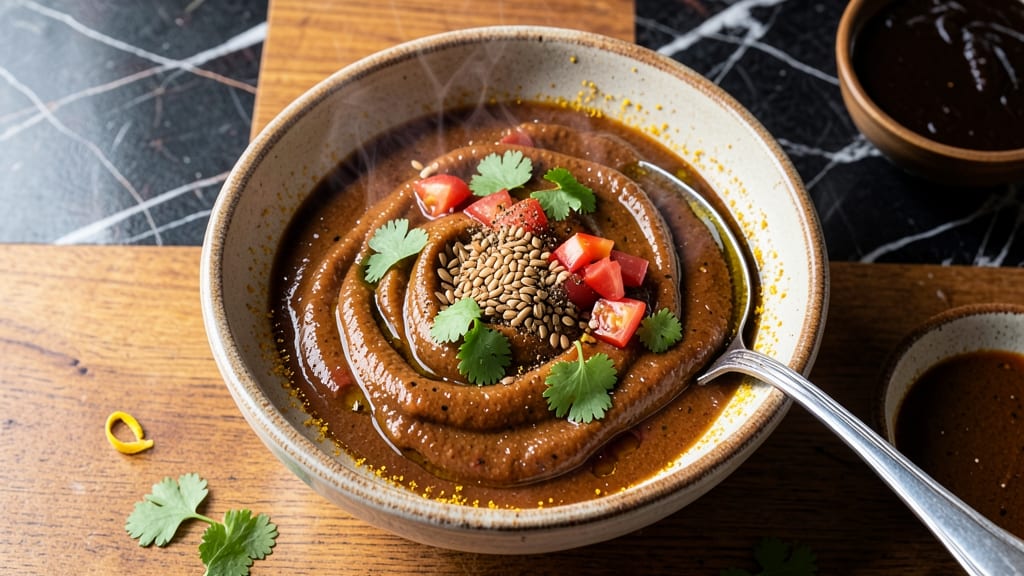
McDonnell's curry sauce transforms ordinary meals into restaurant-quality dishes with just a few simple ingredients and a little patience. This bold spiced tomato base—rich with turmeric, coriander, and cumin—builds deep flavor through slow simmering, creating a versatile sauce that elevates everything from grilled meats to roasted vegetables. The secret lies in balancing heat, acidity, and sweetness, resulting in a sauce that’s complex yet approachable for home cooks.
The recipe starts with a fragrant blend of whole spices toasted in oil, releasing their essential aromas before being blended with tomato paste and broth. A splash of vinegar brightens the depth, while a touch of sugar rounds out the natural acidity.
What sets this sauce apart is its adaptability—use it as a marinade, glaze, or finishing drizzle, or let it simmer into a thick, spoonable condiment for dipping or drizzling over curries.
Once prepared, this sauce keeps beautifully in the refrigerator for up to two weeks or can be canned for long-term storage, making it a pantry staple. The slow reduction process concentrates the flavors, ensuring every spoonful delivers that signature McDonnell’s warmth.
Whether you’re cooking for a crowd or meal prepping for the week, this sauce is your shortcut to bold, restaurant-worthy flavor.
For extra depth, toast the spices until fragrant, and for a smoother finish, blend the sauce until silky. The result? A versatile, deeply flavorful sauce that turns simple dishes into standout meals with minimal effort. Ready to elevate your cooking?
Ingredients for mcdonnells curry sauce
Nine simple ingredients for a sauce that tastes like a restaurant secret.
| Ingredient | Amount | Notes |
|---|---|---|
| Extra-Virgin Olive Oil 🫒 | ¼ cup | High quality, fruity |
| Ground Cumin 🌿 | 1 tbsp | Toasted for deeper flavor |
| Ground Coriander 🌿 | 1 tbsp | Freshly ground preferred |
| Turmeric Powder 🧡 | 1 tbsp | Bright yellow for color |
| Garam Masala 🌶️ | 1 tbsp | Store-bought or homemade blend |
| Tomato Paste 🍅 | ½ cup | San Marzano preferred |
| Low-Sodium Vegetable Broth 💧 | 2 cups | Homemade or quality store-bought |
| Apple Cider Vinegar 🍎 | 1 tbsp | For brightness and acidity |
| Granulated Sugar 🍬 | 1 tbsp | Balances acidity |
| Red Curry Paste 🌶️ | 1 tbsp | Adjust for heat preference |
The spices are where the magic happens—toast the cumin, coriander, and turmeric in olive oil until fragrant (about 30 seconds) to wake up their flavors. Penzeys or bulk bins at Whole Foods have the best quality for this. Red curry paste adds depth, but if you're avoiding heat, use half the amount. The tomato paste? San Marzano is worth the splurge—its sweetness shines through. Don’t skip the vinegar; it cuts through the richness and brightens everything. For extra warmth, add a pinch of cayenne or chili flakes.
No garam masala? Mix 1 tsp each of cinnamon, cardamom, cloves, and black pepper—it’s a classic blend. Running low on broth? Water plus a bouillon cube works in a pinch, but homemade is always better. The sauce can be made milder by reducing the red curry paste or sweeter by adding a touch more sugar. For a smoother finish, blend it until silky—immersion blender makes this easy. If you love texture, leave it chunky with a quick pulse. The sugar balances the acidity, so don’t skip it unless you’re using very sweet tomatoes.
This sauce tastes even better the next day as the flavors meld. Store in an airtight container in the fridge for up to 2 weeks—it thickens as it cools, so thin with a splash of water or broth if needed. For long-term storage, canning is ideal—follow standard procedures for acidified tomato products. Freezes beautifully for up to 6 months, though texture may soften slightly. Double the batch and freeze half; you’ll thank yourself later when you’re short on time.
Why You'll Love This Recipe
- Pantry Magic: I swear by this sauce because it lives in my spice rack—no fresh herbs, no last-minute grocery runs. Just toast those whole spices in olive oil until the cumin pops like tiny fireworks, then grind them down. That’s the secret: the aroma alone makes everything taste like a restaurant.
- Warm Spice Hug: The garam masala and turmeric don’t just flavor—they wrap your dish in warmth. That earthy cumin and coriander combo? It’s the kind of depth that turns plain chicken or lentils into something you’d pay extra for. (Yes, even on a Tuesday night.)
- Leftovers That Lie: This sauce thickens beautifully when reheated—so much that my family thinks I made it fresh. Drizzle it over rice, toss it with roasted veggies, or freeze half for next month. It’s my lazy genius for when you know you’ll want seconds but don’t want to cook again.
- Budget Boost: A jar of garam masala and a bag of ground spices cost less than takeout—but this sauce outshines any delivery. Honestly, I make it just to drizzle on toast with yogurt. That’s how good it is.
Step-by-step instructions for McDonnell's curry sauce
Here's how to build this aromatic tomato base from scratch—deep, complex, and ready in minutes.
Bloom the Spices in Olive Oil
Heat the 0.25 cup extra-virgin olive oil in a medium saucepan over medium-low heat. Add 1 tablespoon ground cumin and 1 tablespoon ground coriander, stirring constantly for 30 seconds until fragrant. The spices should release their essential oils and fill your kitchen with warm, earthy aroma—this is where the magic begins.
Next, add 1 tablespoon turmeric powder and 1 tablespoon garam masala, stirring for another 30 seconds. Watch closely as the spices deepen in color—this indicates they're properly bloomed and ready to infuse the sauce. If you notice any burning smell (usually from overheating), immediately reduce the heat to low and let the spices cool slightly before proceeding. Properly bloomed spices create a flavor foundation that's far more complex than simply tossing them in later.
Cook the Tomato Paste and Build Depth
Add the 0.5 cup tomato paste to the spice-oil mixture, stirring vigorously to break up any lumps. Cook over medium heat for 3-4 minutes, stirring frequently, until the paste darkens slightly and becomes glossy. This step develops the sauce's rich, concentrated tomato flavor—don't rush it, as proper cooking time ensures the paste fully incorporates with the spices.
Now add 1 tablespoon red curry paste and stir for 1 minute to distribute evenly. The curry paste will deepen the sauce's complexity with its signature heat and umami notes. Here's where I like to taste the base—you should notice a balance of spicy, sweet, and earthy flavors. If it needs more depth, this is your last chance to adjust before adding liquids.
Simmer with Broth and Balance Flavors
Pour in the 2 cups low-sodium vegetable broth and 1 tablespoon apple cider vinegar, stirring to combine. Bring the mixture to a gentle simmer over medium heat, then reduce to low heat and let it cook uncovered for 10-12 minutes. The sauce should reduce slightly, becoming thicker and more concentrated—this is when the flavors meld together beautifully.
Add 1 tablespoon granulated sugar and stir well. The sugar balances the acidity from the vinegar and enhances the natural sweetness of the tomatoes. Simmer for another 5 minutes, then taste again. The sauce should now have a perfect balance of spice, sweetness, acidity, and umami. If it's too thick for your liking, whisk in 1-2 tablespoons water to reach your desired consistency.
Finish and Prepare for Use
Remove the sauce from heat and let it cool slightly for 5 minutes—this resting period allows the flavors to settle and the sauce to thicken naturally. The texture should be smooth and velvety, with a rich tomato base that carries all the spice notes beautifully. I like to give it one final taste and adjust seasoning if needed, adding a pinch more salt or sugar as necessary.
This sauce is now ready to use immediately or store for later. For best results, use it within 3-4 days when refrigerated, or freeze for up to 3 months. The flavors actually deepen over time, making it perfect for batch cooking. Whether you're using it as a base for curries, marinades, or even pasta, this aromatic tomato foundation will elevate any dish to restaurant-quality status.
Pro Tips For Making Mcdonnells Curry Sauce
- Bloom the Spices Slow: I learned this the hard way—dumping all the spices at once just makes a bitter, one-note paste. Instead, toast the cumin and coriander in olive oil on medium-low for 30 seconds until fragrant (not brown), then add turmeric and garam masala. The heat wakes up their flavors without burning them—trust the process, even if it feels slow.
- Use Fresh Garam Masala: That jarred garam masala you’ve had for a year? It’s basically sawdust. For McDonnell’s curry sauce, grind your own blend (cinnamon, cardamom, cloves, black peppercorns) or buy a recently opened high-quality one—it makes a real difference. If you’re lazy, at least check the date; if it’s older than 6 months, toss it.
- Simmer, Don’t Boil: This sauce is about depth, not speed. After adding the spices and liquid, keep the heat at a gentle simmer—tiny bubbles, occasional swirls. Boiling burns the spices and makes the sauce taste harsh. I skip this when I’m impatient, but the dish is noticeably better when I don’t.
- Toast the Olive Oil First: Yes, even extra-virgin. Heat the oil until it shimmers at the edges (about 2 minutes), then add the spices. This removes any raw olive oil bitterness and gives the curry a richer, nuttier base. Sounds weird, but it works—your sauce will taste like it’s been simmering for hours, not minutes.
Essential equipment for perfect results
Spice Blooming Pan
Start with a medium stainless steel saucepan—I love my All-Clad 3-quart for its even heat distribution. The stainless steel surface prevents spices from sticking during the 30-second blooming phase, where you toast cumin, coriander, and turmeric.
A non-reactive pan is critical here to avoid metallic flavors that can ruin the delicate balance of spices. 🌶️
Immersion Blender
For a silky-smooth sauce, an immersion blender is my secret weapon. The Ninja 1200-watt handles the thick tomato-spice mixture effortlessly, creating a velvety texture without transferring to a separate blender. If you prefer chunkier texture, skip blending entirely—just stir vigorously with a wooden spoon after simmering.
Fine-Mesh Strainer
A fine-mesh strainer (like the OXO Good Grips) comes in handy if you prefer a smoother sauce without visible spice particles. After simmering, pour the hot mixture through the strainer into a bowl, pressing gently with a rubber spatula to extract maximum flavor.
This step is optional but ideal for elegant presentations or when serving to kids.
Measuring Spoons
Precision matters with spices! Invest in a set of stainless steel measuring spoons—I recommend the West Bend 18-piece—to accurately measure 1 tablespoon each of cumin, coriander, turmeric, and garam masala.
Even small variations can throw off the sauce's balance. A digital scale (like the OXO Good Grips) is even better for spice blends, as volume measurements can be inconsistent.
Air-Tight Storage Containers
For long-term storage, glass airtight containers (like Le Parfait 16-ounce jars) preserve flavor and prevent freezer burn. Label containers with the date—this sauce keeps for 2 weeks refrigerated or 3 months frozen.
Mason jars are perfect for gifting or batch cooking. For short-term use, a small glass jar with a tight-sealing lid works beautifully on your spice rack.
Thermometer (Optional)
A kitchen thermometer (like the Thermoworks Thermapen) ensures you maintain the simmering range of 190-200°F during reduction. This prevents scorching while concentrating flavors. While not essential, it’s a game-changer for consistency, especially if you’re adjusting the recipe for altitude or humidity. 🌡️
Nutrition facts
Frequently asked questions
Can I make this sauce without tomato paste?
You can substitute with 1 cup crushed tomatoes or 2 large fresh tomatoes, but the texture will be thinner and less concentrated. The paste creates that signature thick, velvety consistency—if you skip it, add 1 teaspoon cornstarch mixed with water as a thickener at the end. For extra depth, simmer the tomatoes down to 0.5 cup before adding other ingredients.
How can I adjust the heat level?
Reduce heat by cutting the red curry paste in half or removing the seeds from fresh chili peppers. For extra kick, add ½ teaspoon cayenne pepper or 1 teaspoon chili flakes at the end. Always taste before serving—you can easily balance spice with a splash of coconut milk or a pinch of sugar.
What's the best way to use this sauce?
Use it as a marinade for chicken or lamb (30 minutes before cooking), a glaze for roasted veggies, or a base for curries. Thin with broth or water for soups, or drizzle over grilled meats. The sauce also makes an amazing dip for naan or samosas—simmer it longer for a thicker consistency. For extra richness, stir in 1 tablespoon butter at the end.
Why did my sauce turn out too thin?
This usually happens from over-simmering or insufficient reduction time. To fix it, simmer uncovered for 10-15 extra minutes until thickened, or stir in 1 teaspoon cornstarch mixed with 2 tablespoons water and cook for 2 minutes. For prevention, reduce heat to low during simmering and stir occasionally to prevent splattering.
Can I make this sauce vegan?
Use vegetable broth instead of chicken broth and vegan butter or olive oil. For extra umami, add 1 tablespoon soy sauce or 1 teaspoon miso paste at the end. The original recipe is already vegan-friendly except for potential animal-based broth—just swap for plant-based alternatives.