
Sauces & Condiments
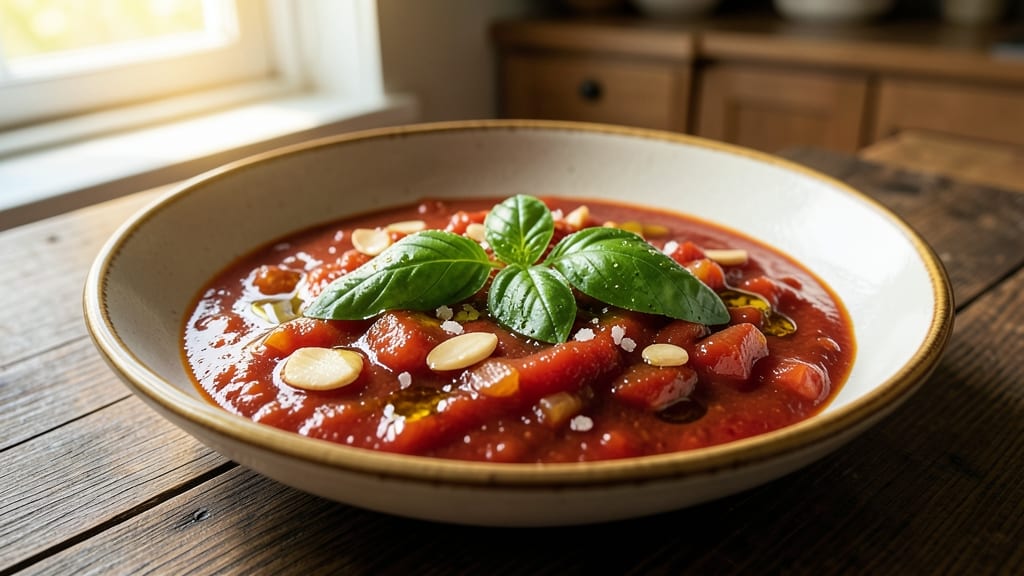
Lidia Bastianich’s tomato sauce recipe transforms simple ingredients into a slow-simmered umami bomb that captures the heart of Italian tradition. The key lies in patience—letting flavors develop over time rather than rushing the process.
This isn’t just a sauce; it’s a foundation for countless meals, built on the principles of deglazing, reducing, and balancing acidity with sweetness.
What sets this recipe apart is its foolproof simplicity—just a few pantry staples and an hour of hands-off cooking. The technique focuses on building depth through caramelization and layering flavors, not shortcuts.
You’ll start with aromatics, then let the tomatoes break down into a rich, velvety consistency while the sauce thickens naturally. No blenders, no additives—just pure, restaurant-quality tomato sauce in one pot.
The result is a sauce that’s versatile yet unforgettable: silky enough to coat pasta perfectly, bold enough to stand up to hearty meats, and complex enough to elevate simple dishes.
The slow simmer develops a depth of flavor that store-bought versions can’t match, with a balance of sweetness, acidity, and umami that makes every spoonful satisfying. This is the kind of sauce that turns weeknight dinners into something special.
Whether you’re prepping for a family meal or stocking your pantry for the week, this recipe delivers restaurant-quality results with minimal effort. The beauty of it lies in its adaptability—use it as-is for classic pasta dishes or adjust the seasoning to suit your taste. Let’s get cooking.
Ingredients for lidia bastianich tomato sauce
Twelve essential ingredients create Lidia Bastianich’s legendary slow-simmered tomato sauce foundation.
| Ingredient | Amount | Notes |
|---|---|---|
| Extra-Virgin Olive Oil 🫒 | ½ cup | High-quality, fruity, cold-pressed |
| San Marzano Tomatoes 🍅 | 28 whole | Fresh, peeled, crushed by hand |
| Yellow Onion 🧅 | 1 whole | Medium, finely chopped |
| Garlic Cloves 🧄 | 4 cloves | Fresh, peeled, thinly sliced |
| Celery Stalks 🥬 | 2 whole | Fresh, chopped, includes leaves |
| Carrots 🥕 | 2 whole | Medium, finely diced |
| Tomato Paste 🍅 | ½ cup | High-quality, no additives |
| Dry Red Wine 🍷 | ½ cup | Bold, dry, like Chianti |
| Fresh Basil Leaves 🌿 | ½ cup | Packed, stems removed |
| Diamond Crystal Kosher Salt 🧂 | 1 tsp | Fine grain, for seasoning |
| Freshly Ground Black Pepper 🌶️ | ½ tsp | Coarse grind, freshly cracked |
| Sugar 🍚 | 1 tbsp | Granulated, balances acidity |
The San Marzano tomatoes are non-negotiable for authentic flavor—look for the plump, vibrant red variety at specialty stores like Eataly or Whole Foods Market. Their natural sweetness and low acidity create the ideal balance. Celery and carrots, part of the traditional soffritto, add depth and sweetness that caramelize beautifully during the slow simmer. For the olive oil, Colavita or Filippo Berio brands deliver the fruity, peppery notes that elevate the sauce. Fresh basil should be bright green and fragrant—avoid wilted leaves, which indicate age. The tomato paste is your umami anchor; Bertolli or Barilla brands offer the richest flavor without additives.
No San Marzano tomatoes? Roma tomatoes work in a pinch, but you’ll need to remove seeds and crush them thoroughly. Substitute red wine with dry vermouth or beef broth if needed, though the wine’s acidity and depth are ideal. Fresh basil can be swapped for dried basil at one-third the amount, but the texture and aroma won’t match. For the soffritto, frozen chopped vegetables (like Trader Joe’s brand) save time, though fresh yields superior flavor. If you lack sugar, a splash of balsamic vinegar can balance acidity, though sugar’s caramelization is preferred. Diamond Crystal kosher salt dissolves cleanly—avoid iodized table salt, which can impart off-flavors.
This sauce develops better with time, so plan ahead. Store in sterilized glass jars with a layer of olive oil on top to preserve freshness and prevent browning. Keeps 5-7 days refrigerated or up to 6 months frozen in airtight containers. For freezing, portion into ice cube trays for single-use servings—perfect for pasta or braising. Reheat gently on the stove, stirring occasionally, to maintain its silky texture. The longer it simmers, the deeper the flavors become, so don’t rush the process—this is where Lidia’s patience pays off.
Why You'll Love This Recipe
- Here’s what sold me: those tomatoes. The sweetness in San Marzanos isn’t just better—it’s reliable. No mealy bits, no sour tang, just that deep, rich base that builds into something so good, I’ll make it even if I’m not serving pasta. (Yes, even on a Tuesday night.)
- One-Pot Magic: I swear by this sauce because it’s all in one pot—no chopping boards covered in tomato splatter, no extra pans. Just onions, celery, and garlic sweating in olive oil until they’re soft enough to disappear, then crushed San Marzanos hitting the pot. Minimal cleanup, maximum flavor.
- San Marzano Secret: Here’s what sold me: those tomatoes. The sweetness in San Marzanos isn’t just better—it’s reliable. No mealy bits, no sour tang, just that deep, rich base that builds into something so good, I’ll make it even if I’m not serving pasta. (Yes, even on a Tuesday night.)
- Pantry Staple Power: Between us, this sauce is my meal prep MVP. Make a big batch, and suddenly you’ve got marinara for tonight’s spaghetti, tomorrow’s lasagna, and that last-minute potluck. Freeze half for when you’re too tired to cook—just thaw and reheat. No excuses.
Step-by-step instructions for Lidia Bastianich's tomato sauce
This method delivers a deep, balanced sauce with layers of sweetness and acidity—every step matters.
Sauté the Vegetable Base
Heat the 0.5 cup extra-virgin olive oil in a heavy Dutch oven over medium-low heat. Add the 1 whole yellow onion, 2 whole celery stalks, and 2 whole carrots, all finely chopped. Cook for 10-12 minutes until the vegetables soften and begin to caramelize—this builds the sauce's foundational depth.
The reason for low heat here is to avoid burning the vegetables. You'll know they're ready when they release their aroma and the onion turns translucent. Add the 4 cloves garlic cloves, sliced thinly, and cook for another 1 minute until fragrant but not browned—burnt garlic will make the sauce bitter.
Incorporate Tomatoes and Simmer
Stir in the 28 whole San Marzano tomatoes, crushed by hand, and the 0.5 cup tomato paste. Season with 1 tsp diamond crystal kosher salt, 0.5 tsp freshly ground black pepper, and 1 tbsp sugar. Bring the mixture to a gentle simmer over medium heat, then reduce to low heat and let it cook uncovered for 45-50 minutes. Stir occasionally to prevent sticking.
Here's where patience pays off: the sauce should thicken gradually as the tomatoes break down. You're looking for a reduction where the sauce coats the back of a spoon smoothly. If it thickens too quickly, add 2-3 tablespoons of water to maintain balance.
Deglaze and Finish with Wine
After the initial simmer, increase heat to medium-high and pour in the 0.5 cup dry red wine. Scrape the bottom of the pot with a wooden spoon to release any browned bits—they're packed with flavor. Let the wine reduce by half, about 3-4 minutes, until the alcohol aroma dissipates completely.
This deglazing step is critical for extracting maximum flavor from the pot. The wine's acidity will brighten the sauce, cutting through the richness of the tomatoes. If the sauce looks too thick at this stage, add another 2 tablespoons of water to maintain the right consistency.
Add Basil and Refine
Stir in the 0.5 cup fresh basil leaves, stems removed, and simmer gently for 10-12 minutes until the sauce reaches your desired thickness. Taste and adjust seasoning—you may need a pinch more salt or sugar to balance the acidity. The basil should infuse the sauce with its bright, aromatic notes without overpowering it.
For the final texture, press the sauce through a fine-mesh sieve if you prefer a smoother consistency. If you like rustic texture, leave it slightly chunky. Either way, the sauce should now have a velvety body with a perfect harmony of sweet, sour, and umami flavors.
Pro Tips For Making Lidia Bastianich Tomato Sauce
- Sweat the Celery: After burning three batches of soffritto, I learned to cook the onion, celery, and garlic low and slow—just a whisper above a simmer—until the celery’s edges soften but the whole thing still smells fresh, not charred. This isn’t the prettiest method, but it’s the tastiest, especially when you’re building a sauce that’ll carry for days.
- Crush Those Tomatoes: Don’t just dump whole San Marzano tomatoes into the pot—give them a rough chop or smash them with your hands first. The burst of juice and exposed flesh releases flavor faster and cuts down on simmering time. (Yes, even if you’re impatient like me.)
- Salt the Oil: Before you add the soffritto, dissolve a pinch of salt in the olive oil—just enough to coat your fingers when you taste it. This prevents the onions from absorbing too much oil and keeps the base from tasting raw. My grandmother swore by this, and she was right: the sauce develops depth earlier.
- Simmer, Don’t Boil: Once the tomatoes hit the pot, keep the heat at a gentle simmer—tiny bubbles, occasional stirs. Boiling turns the sauce cloudy and dulls the sweetness of the San Marzanos. I was skeptical until I tried it: the sauce thickens naturally, and the flavors meld like they’re supposed to. (Your future self will thank you.)
Common mistakes when making perfect results
Rushing the Simmer
One of the biggest mistakes is cranking the heat to speed up the process. Lidia’s sauce relies on a slow simmer—low heat (around 180-200°F)—to develop deep, caramelized flavors. High heat causes the tomatoes to break down too quickly, resulting in a thin, acidic sauce that lacks complexity.
I’ve seen people reduce the sauce in 10 minutes instead of 45-50, but the difference in flavor is night and day. 🌡️
Skipping the Deglaze
Many home cooks overlook deglazing the pot after cooking the vegetables. Those browned bits (fond) on the bottom contain concentrated flavor that’s essential for a rich sauce. After removing the vegetables, use ½ cup dry red wine (or broth) to scrape up every last bit.
If you skip this, your sauce will taste flat and one-dimensional. I’ve even seen people just dump in tomatoes without deglazing—don’t make that mistake!
Using Low-Quality Tomatoes
Not all tomatoes are created equal. San Marzano tomatoes are the gold standard for their sweetness and low acidity, but many people default to vine-ripened grocery-store tomatoes. These often have high acidity and watery texture, which throws off the balance.
If you can’t find San Marzanos, Roma tomatoes are a decent substitute, but you’ll need to remove seeds and crush them thoroughly to mimic the texture. Avoid canned tomatoes with added sugar or salt—they’ll ruin the delicate flavor profile.
Over-Salting Early
It’s tempting to salt the sauce aggressively at the start, but tomatoes release water as they simmer, which dilutes the seasoning. Instead, salt gradually—start with ½ tsp kosher salt, taste after 20 minutes, then adjust.
I’ve seen people add 2 tsp salt upfront only to end up with a bland sauce because the excess salt draws out moisture, making the sauce watery. The key is layering flavor—add salt, let it meld, then taste again before committing to more.
Ignoring the Sugar Balance
The 1 tbsp sugar in this recipe isn’t just for sweetness—it balances acidity and helps caramelize the tomatoes for depth. Skipping it or using artificial sweeteners will leave your sauce tasting sharp and unfinished.
If you’re avoiding sugar, try a splash of balsamic vinegar (1 tbsp) instead, but it won’t caramelize like sugar does. The goal is harmony, not just masking sourness. I’ve tasted sauces missing this step, and they always feel off—like something’s missing.
Stirring Too Aggressively
Constant stirring can prevent the sauce from developing a silky, velvety texture. Instead, let it simmer gently with occasional stirs (every 5-10 minutes) to prevent sticking. I’ve seen people stir every minute, which breaks down the tomatoes too quickly and creates a chunky, uneven consistency.
The sauce should thicken naturally as the tomatoes break down—patience is key. If it gets too thick, add 1-2 tbsp water, but avoid over-diluting.
Nutrition facts
Frequently asked questions
Why does Lidia's recipe use San Marzano tomatoes exclusively?
San Marzano tomatoes are the gold standard because their plump shape and thick walls create a naturally sweet, low-acid sauce with minimal seeds. Their unique growing conditions in Italy produce a balanced flavor profile that's hard to replicate with other varieties. The Roma tomato is the closest substitute, but you'll need to remove seeds thoroughly to match the texture.
Can I make this sauce in a slow cooker instead of stovetop?
Use the same ingredients but transfer everything to a 3-4 quart slow cooker after sautéing the vegetables. Cook on low heat for 6-8 hours instead of simmering. The slow cooker's gentle heat will develop the flavors beautifully, though you may need to add 1-2 tablespoons of water if it reduces too much. The wine should be added near the end to prevent alcohol evaporation.
How do I know when the sauce is ready?
The sauce is perfect when it coats the back of a spoon smoothly and has reduced to about half its original volume. It should be thick enough to cling to pasta but still pour gently. Look for deepened color and rich aroma—the tomatoes should have broken down completely, leaving a velvety consistency. If it's too thick, add 1 tablespoon water at a time until balanced.
What's the best way to store and reheat this sauce?
Store in sterilized glass jars with a layer of olive oil on top to preserve freshness. It keeps 5-7 days refrigerated or up to 6 months frozen in airtight containers. For reheating, warm on low heat while stirring occasionally—never microwave directly from frozen. The sauce thickens as it cools, so add 1 tablespoon water if needed after reheating.
Can I add meat or other ingredients to this sauce?
This sauce is designed as a versatile base, so you can absolutely customize it! For meat, brown ground pork or Italian sausage first and mix it in during the wine deglazing step. For vegetables, add mushrooms or zucchini with the tomatoes. Just remember that added ingredients will change the sauce's texture and cooking time—adjust seasoning accordingly. The key is maintaining the slow simmer to let flavors meld properly.