
Sauces & Condiments
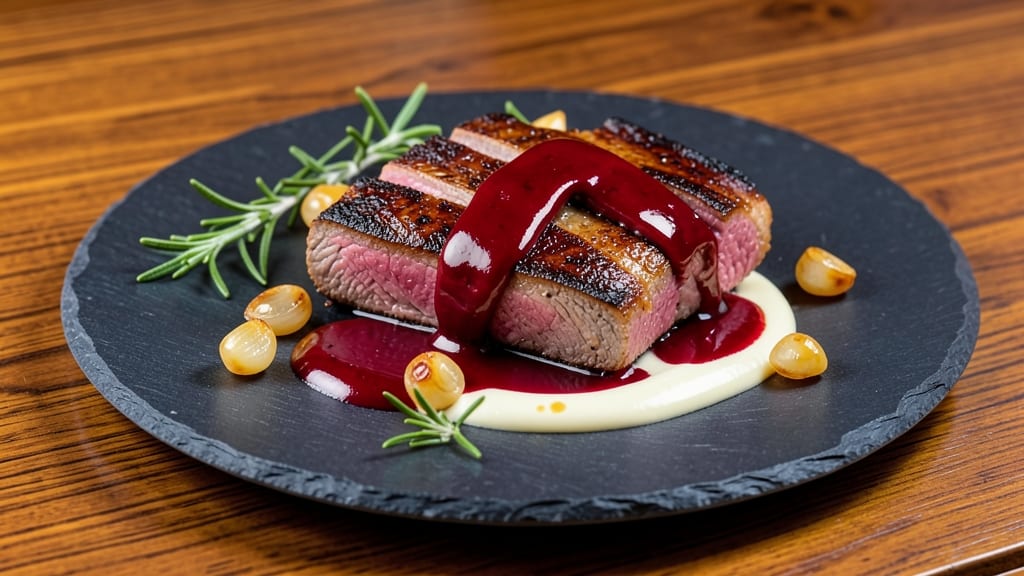
A lamb sauce Gordon Ramsay recipe transforms a simple roast into a showstopping centerpiece with its velvety red wine reduction and herbed butter finish. The secret lies in precise timing—searing the lamb to lock in juices while building layers of flavor in the sauce. This isn’t just a condiment; it’s the star of the plate, elevating every bite with rich, complex notes that balance the meat’s natural richness.
The recipe begins with a classic red wine reduction, where shallots caramelize before being deglazed with wine and stock. As the lamb roasts to medium-rare perfection, the sauce simmers into a glossy, velvety consistency.
The herbed butter finish adds a bright, aromatic contrast, ensuring the sauce stays vibrant and cohesive. Every step is designed to deliver restaurant-quality results at home—no shortcuts, just technique.
What sets this apart is the harmony between the lamb’s tender interior and the sauce’s depth. The red wine reduction cuts through the meat’s richness, while the herbed butter adds a touch of freshness that keeps the dish from feeling heavy.
Plating matters too: a pool of sauce around the lamb, garnished with fresh herbs, turns a simple roast into a dish worthy of any special occasion.
Whether you’re cooking for a dinner party or treating yourself to a Sunday roast, this method delivers consistent, professional-grade results. The key is patience—letting the sauce reduce slowly and the lamb rest before slicing.
Master these techniques, and you’ll have a dish that rivals Ramsay’s own, with every element in perfect balance.
Ingredients for lamb sauce gordon ramsay
Twelve ingredients, restaurant-quality technique. This sauce transforms lamb into a showstopping centerpiece.
| Ingredient | Amount | Notes |
|---|---|---|
| Lamb Loin 🐑 | 2 lb | Bone-in, medium-rare preferred |
| Shallots 🧅 | 1 cup | Finely chopped, about 10-12 cloves |
| Red Wine 🍷 | 1 cup | Bold dry red, like Cabernet Sauvignon |
| Beef Stock 🍲 | 1 cup | Homemade or high-quality store-bought |
| Butter 🧈 | ½ cup | Unsalted, cold for herbed butter |
| Fresh Rosemary 🌿 | ¼ cup | Finely chopped, stems removed |
| Fresh Thyme 🌿 | ¼ cup | Leaves only, finely chopped |
| Garlic Cloves 🧄 | 4 cloves | Minced, for herbed butter |
| Olive Oil 🫒 | 2 tbsp | Extra-virgin, for searing |
| Salt 🧂 | 1 ½ tsp | Kosher or sea salt |
| Black Pepper 🌶️ | 1 tsp | Freshly ground, coarse |
| Red Wine Vinegar 🍶 | 1 tsp | For brightness in reduction |
The lamb loin is non-negotiable—bone-in ensures maximum flavor, and medium-rare delivers that perfect tenderness. Look for a cut with visible marbling at Whole Foods or your butcher shop; Costco often has excellent options too. If you can't find bone-in, a well-marbled boneless loin works, but sear it longer to compensate. The shallots are the foundation of the sauce—fresh, firm ones with no sprouting. Trader Joe's sells pre-chopped shallots in a jar, which saves time but lacks the depth of freshly chopped. For the red wine, bold, dry options like Cabernet Sauvignon or Malbec work best—avoid sweet varieties that’ll throw off the balance.
No beef stock? Vegetable stock plus 1 tsp soy sauce mimics the umami depth, though purists will notice the difference. Fresh herbs are ideal, but dried rosemary and thyme at half the amount will suffice in a pinch. The herbed butter deserves special attention—cold butter incorporates better, and freshly minced garlic (not jarred) adds brightness. For the red wine reduction, deglaze the pan immediately after searing—this captures all the meaty bits for maximum flavor. If you don’t have red wine vinegar, lemon juice at double the amount adds acidity, though it won’t have the same depth.
This sauce is best made fresh, but it reheats beautifully—simmer gently on the stove for 2-3 minutes until warmed through. For make-ahead prep, reduce the sauce to a thicker consistency and store it in the fridge for up to 3 days, or freeze for 3 months. The herbed butter can be prepped ahead and stored between parchment paper in the fridge for 1 week. When plating, let the lamb rest for 10 minutes before slicing—this ensures juices redistribute, and the sauce pools elegantly around the meat. Garnish with a sprig of fresh rosemary for that final restaurant touch.
Why You'll Love This Recipe
- No-Fuss Weeknight Win: I swear by this when I’m too tired to fuss—just sear the lamb, toss in shallots and wine, and let it simmer. The red wine cuts through the richness like a dream, and honestly? Even if you burn the shallots a little, the sauce still tastes chef’s kiss.
- Wine-Infused Magic: That splash of red wine isn’t just for flavor—it transforms the dish. The acidity brightens the lamb, the beef stock deepens it, and the butter? Pure velvet. It’s the kind of sauce that makes you close your eyes and think, “This is why I cook.”
- Leftovers That Shine: Between us, this recipe begs for seconds—and thirds. The lamb stays tender, the sauce thickens beautifully, and reheating it? Zero drama. Pack it for lunch or freeze it; it’s just as good cold (yes, really).
- Budget Luxury Feel: You’re basically making restaurant-quality food for half the price. A single lamb loin stretches for two meals, and the ingredients? Basic but elevated. It’s the kind of dish that makes you feel fancy without breaking the bank—or your patience.
Step-by-step instructions for velvety red wine lamb sauce
Master this technique and you’ll transform simple ingredients into a restaurant-quality sauce that elevates any lamb dish.
Sear the Lamb Loin to Perfection
Pat the 2 lb lamb loin dry with paper towels—this ensures a perfect sear. Heat 2 tablespoons olive oil in a large skillet over medium-high heat until shimmering. Season the lamb generously with 1.5 teaspoons salt and 1 teaspoon black pepper, pressing the seasoning into the meat so it adheres.
Place the lamb in the skillet and sear for 4-5 minutes per side until it develops a deep golden-brown crust. The internal temperature should reach 130°F for medium-rare—use an instant-read thermometer to check. Remove the lamb and let it rest on a cutting board while you build the sauce. Don’t skip this step; a well-seared crust locks in flavor and prevents drying.
Build the Red Wine Reduction
In the same skillet (no need to clean it—the browned bits are flavor gold), add the 1 cup finely chopped shallots and cook over medium heat for 5-6 minutes until softened and lightly caramelized. Stir occasionally to prevent burning, but don’t rush this—sweetness is key.
Pour in the 1 cup red wine and scrape up any stuck bits from the bottom of the pan with a wooden spoon. Bring to a simmer and reduce by half, which should take about 5 minutes. The wine should coat the back of a spoon and smell rich and concentrated. If it reduces too quickly, lower the heat slightly—you want depth, not alcohol sharpness.
Develop the Sauce with Stock and Herbs
Add the 1 cup beef stock and the 1 teaspoon red wine vinegar to the skillet. Bring to a gentle simmer and let it reduce by two-thirds, stirring occasionally, until the sauce thickens to a syrupy consistency. This should take about 8-10 minutes. The sauce should coat the back of a spoon smoothly—if it’s too thin, simmer longer; if too thick, add a splash of water.
In a small bowl, combine the 0.25 cup fresh rosemary, 0.25 cup fresh thyme, 4 minced garlic cloves, and the 0.5 cup cold butter. Stir until the butter is fully incorporated and the herbs are evenly distributed. This herbed butter will add a luxurious finish to the sauce.
Finish and Serve the Sauce
Remove the skillet from heat and stir in the herbed butter until fully melted and emulsified. The sauce should glisten and coat the back of a spoon like silk. Taste and adjust seasoning with additional salt or pepper if needed—this is your chance to balance the flavors before serving.
Slice the rested lamb into ½-inch thick medallions and drizzle generously with the sauce. The lamb should be juicy and tender, with a sauce that clings beautifully to each bite. Serve immediately with roasted vegetables or crusty bread to soak up every last drop of this velvety reduction. The herbed butter adds a bright, aromatic finish that elevates the dish from good to exceptional.
Pro Tips For Making Lamb Sauce Gordon Ramsay
- SEAR THE LOIN HARD: Don’t treat this like a gentle warm-up—get that lamb loin screaming in the pan. A deep, golden crust locks in flavor and keeps the meat juicy, so crank the heat to medium-high and let it sit undisturbed for 3-4 minutes per side. I used to rush this, and the sauce always tasted flat afterward.
- SWEEP OUT BROWNED BITS: After searing the lamb, don’t just toss in the shallots—grab a spoon and scrape every last bit of browned goodness from the pan. That’s where the depth of flavor lives, and skipping it means your sauce will taste like it’s missing something. (Yes, even if it looks like a lot of work.)
- DEGLACE WITH COLD WINE: Pour in the red wine after removing the lamb, but don’t let it boil right away—add a splash of cold water first to mellow the alcohol. This keeps the sauce from turning harsh or evaporating too fast, and the shallots will soften properly. I learned this the hard way when my first attempt tasted like a wine cooler.
- STRAIN THE STOCK LATER: Let the beef stock simmer with the wine and shallots for 10-15 minutes first—this builds flavor before you strain it. If you’re short on time, use a fine-mesh sieve instead of cheesecloth, but don’t skip the straining entirely. A cloudy sauce is forgivable; a gritty one isn’t.
Essential equipment for great lamb sauce gordon ramsay
Skillet Essentials
A heavy-bottomed stainless steel skillet (like All-Clad or Mauviel M'Cook) is non-negotiable for this recipe—it distributes heat evenly and prevents scorching during the sear. I’ve used my 12-inch Mauviel for years, but a 10-inch All-Clad works too if you prefer.
Avoid nonstick pans—they can’t handle the high heat needed for a proper sear. 🔥
Thermometer Precision
An instant-read thermometer (I swear by ThermoWorks Thermapen One) is your best friend for nailing the lamb’s doneness. The 130°F internal temp for medium-rare is critical—any lower and it’ll be undercooked; any higher and it risks drying out.
For the sauce, use a kitchen thermometer with a probe (like Meater) to monitor the pan’s heat—keep it between medium and medium-high during reductions.
Wooden Spoon Must-Have
A heat-resistant wooden spoon (I prefer Oxo Good Grips) is essential for deglazing and stirring the sauce without scratching your skillet. Avoid metal utensils—they can react with the acidity in the red wine and stock.
The spoon should be long enough to reach all corners of the pan while you’re scraping up those flavorful browned bits. Keep one dedicated to sauce-making to avoid cross-contamination.
Fine-Mesh Strainer
For an ultra-smooth sauce, strain it through a fine-mesh sieve (like OXO Good Grips) before finishing with the herbed butter. This removes any herb stems or shallot bits that could make the texture uneven. I like to press the strained sauce through with a rubber spatula for maximum clarity.
Pro tip: Line your sieve with a cheesecloth for even finer results, though it’s not strictly necessary for this recipe. ✨
Butter Chiller Hack
The herbed butter needs to be completely cold when mixed with the herbs to prevent melting too quickly. I keep mine in the freezer for 10 minutes before chopping, then store the finished compound butter between parchment paper in the fridge.
For extra freshness, wrap it in plastic wrap and press it flat—this makes slicing easier when you’re ready to use it. 🧈
Resting Rack
While the lamb rests, use a wire cooling rack (like Amazon Basics) to elevate it on a baking sheet. This allows air to circulate, preventing sogginess from condensation.
I place mine on the middle rack of my oven (turned off) for 10-15 minutes) before slicing. For extra crispiness, I sometimes sear the lamb on a cast-iron skillet and transfer it directly to the rack—just be careful with hot handles!
Nutrition facts
Frequently asked questions
Can I substitute red wine with another liquid for the sauce?
Yes, but the flavor will change. For a similar depth, use 1 cup dry white wine or 1 cup beef broth + 1 tsp soy sauce. Avoid sweet wines or fruit juices—they’ll throw off the balance. If using broth, reduce it by half before adding stock to maintain concentration.
How do I fix a sauce that's too thin or too thick?
For a thin sauce, simmer uncovered for 3-5 minutes to evaporate excess liquid. If it's too thick, whisk in 1-2 teaspoons warm water or stock, one spoon at a time, until it reaches a velvety consistency. The key is patience—rushing leads to lumps or uneven texture.
What's the best way to reheat leftovers?
Gently reheat the sauce in a saucepan over low heat for 2-3 minutes, stirring constantly. Never microwave it—this breaks the sauce's emulsion and makes it grainy. For the lamb, warm it separately in a skillet with a splash of stock to keep it moist. Reheat only what you plan to eat immediately.
Can I make this sauce ahead of time?
Prepare the sauce up to 2 days in advance and store it in an airtight container in the fridge. Reheat gently, then finish with fresh herbed butter. For longer storage, freeze the sauce (without butter) for up to 3 months. The lamb should be cooked fresh day-of for best results.
Why does my lamb turn out dry?
Overcooking is the #1 cause. Use an instant-read thermometer and remove the lamb when it hits 130°F for medium-rare. Let it rest for 10 minutes before slicing—this redistributes juices. Also, avoid cutting into it too soon, and pat it dry before searing to prevent steaming.