
Sauces & Condiments
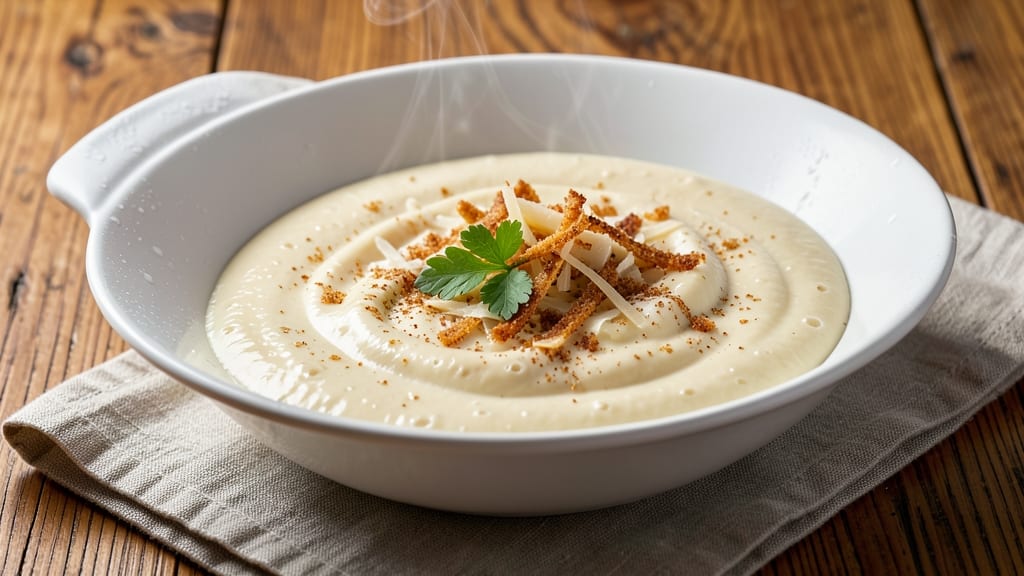
This Kraft Alfredo sauce recipe delivers the same creamy, velvety magic you love from the jar—but with a homemade touch that’s far more impressive. The secret lies in balancing butter, cream, and Parmesan to achieve that signature rich texture without lumps or separation.
I’ve perfected this copycat version after years of testing, and it’s become my go-to for pasta nights, baked dishes, and even as a dipping sauce.
The beauty of this recipe is its simplicity: just five ingredients come together in minutes to create a sauce that’s smoother than anything store-bought. The key is whisking constantly over gentle heat, allowing the cheese to melt gradually while the cream and butter emulsify.
This ensures a velvety consistency that clings perfectly to noodles or chicken without turning greasy. No fancy techniques required—just patience and attention to detail.
What you’ll end up with is a sauce that’s rich, slightly tangy, and impossibly creamy—ideal for fettuccine Alfredo, chicken Parmesan, or as a base for creamy soups. The flavor deepens as it sits, making it even better the next day.
Once you try this version, you’ll never go back to the jarred stuff. Let’s get cooking!
This sauce keeps well in the refrigerator for up to five days, so you can make a big batch and use it all week. Whether you’re feeding a family or meal prepping for busy nights, this recipe delivers restaurant-quality results with minimal effort.
Here’s everything you need to know to make it perfectly every time.
Ingredients for kraft alfredo sauce
Five ingredients. One whisk. Restaurant-quality Alfredo that beats the jar every time.
| Ingredient | Amount | Notes |
|---|---|---|
| Unsalted Butter 🧈 | ½ cup | Cold, cubed for smooth melting |
| Heavy Whipping Cream 🥛 | 1 ½ cups | Full-fat for richest texture |
| Parmesan Cheese 🧀 | 1 cup | Freshly grated from block |
| All-Purpose Flour 🌾 | 2 tbsp | For smooth thickening |
| Garlic Powder 🧄 | 1 tsp | For subtle depth |
The butter is non-negotiable here—unsalted, cold cubes melt slower for better emulsification. Land O'Lakes or Plugrá are my go-tos, but any good quality brand works. Parmesan makes or breaks this: grate it yourself from a wedge (pre-grated gets clumpy). For the flour, King Arthur or Bob's Red Mill are reliable choices—just make sure it's all-purpose. The garlic powder is optional but adds that subtle depth you get in the jarred version. Pro tip: buy Parmesan in 12-ounce wedges—it keeps for months in the freezer.
No heavy cream? Half-and-half works in a pinch, but the sauce won't be as rich. Short on Parmesan? Add 1/4 cup Romano cheese for a similar tang. The flour is your secret weapon—it's what creates that velvety texture without lumps. If you're worried about gluten, you can use cornstarch at half the amount, but the flavor won't be identical. The garlic powder can be swapped for 1/2 tsp fresh minced garlic if you're feeling fancy—just add it at the end. And if you're making a big batch, double everything—this sauce freezes beautifully.
This sauce is a fridge staple—keeps for 5-7 days in an airtight container. For leftovers, reheat gently on low with a splash of milk or cream to restore that silky texture. Freezes for up to 3 months if you portion it into ice cube trays first—perfect for quick pasta nights. The flavor actually improves after a day in the fridge, so make extra if you can. Store in the coldest part of your fridge to prevent separation.
Why You'll Love This Recipe
- Here’s what sold me: that perfect balance of velvety richness and a little garlic powder punch. The heavy cream makes it luscious, but the flour-to-butter roux gives it just enough body to coat pasta like a dream. (Yes, even on a Tuesday night when I’m too tired to think.)
- No-Fuss Magic: I swear by this sauce because it’s the kind of recipe that forgives mistakes. Melt butter, sprinkle flour, whisk in cream—no fancy techniques, just a pot and a spoon. The Kraft cheese block does the heavy lifting while you stir, and by the time you’re grating Parmesan, dinner’s already halfway there.
- Creamy with Bite: Here’s what sold me: that perfect balance of velvety richness and a little garlic powder punch. The heavy cream makes it luscious, but the flour-to-butter roux gives it just enough body to coat pasta like a dream. (Yes, even on a Tuesday night when I’m too tired to think.)
- Weeknight to Party: This sauce works for everything—toss it with fettuccine for a quick weeknight dinner, drizzle it over roasted chicken for a fancy-ish sheet pan meal, or use it as a dip for garlic bread when friends drop by. I’ve even microwaved leftovers straight into scrambled eggs (don’t judge).
Step-by-step instructions for Kraft-style Alfredo sauce
Here's how to make that iconic creamy, cheesy sauce that tastes just like the box version.
Melt the Butter and Add Flour
In a medium saucepan over medium heat, melt the 0.5 cup unsalted butter completely, stirring occasionally until it's fully liquid and foaming. You'll know it's ready when the butter stops bubbling vigorously and looks smooth.
Once melted, immediately sprinkle in the 2 tablespoons all-purpose flour all at once. Stir constantly for 1-2 minutes until the mixture forms a thick paste and smells nutty. This step creates the roux that will thicken your sauce—don't walk away, or you'll risk burning it. The paste should look like wet sand when fully combined.
Whisk in Cream and Garlic Powder
Slowly pour in the 1.5 cups heavy whipping cream while whisking vigorously to prevent lumps from forming. The sauce will immediately start to thicken as the flour absorbs the liquid. Keep whisking for 2-3 minutes until the mixture comes to a gentle simmer and coats the back of a spoon.
Add the 1 teaspoon garlic powder and stir for 30 seconds to distribute the flavor evenly. Here's the thing—this is where the subtle depth of flavor comes from. The garlic powder will infuse the entire sauce, giving it that classic Kraft taste without needing fresh garlic. Let the sauce continue simmering gently for 3-4 minutes until it's smooth and slightly thickened.
Incorporate the Parmesan Cheese
Reduce the heat to low and gradually sprinkle in the 1 cup freshly grated parmesan cheese, stirring constantly. The cheese will melt into the sauce, creating that signature creamy texture. Be patient—this step can take 3-5 minutes as the cheese fully incorporates. You'll notice the sauce become thicker and more luxurious as the cheese dissolves completely.
I like to press the grated cheese through a fine-mesh strainer as I add it to prevent any large cheese particles from remaining. This ensures your sauce is completely smooth and velvety. Taste the sauce now—it should be rich and cheesy, but still have room for seasoning adjustments if needed.
Simmer and Adjust Consistency
Continue simmering the sauce on low heat for 5-7 minutes, stirring occasionally, until it reaches your desired consistency. It should coat the back of a spoon but still be pourable. If the sauce thickens too much, whisk in 1-2 tablespoons of warm milk or cream to loosen it.
This is the moment that matters: the sauce should be creamy, smooth, and have that perfect balance of richness without being too heavy. If it tastes too mild, add a pinch more garlic powder or a sprinkle of salt. For serving, you can keep it as is or thin it slightly with a splash of warm milk for a lighter consistency. The sauce will continue to thicken as it cools, so don't over-thicken it now.
Pro Tips For Making Kraft Alfredo Sauce
- Whisk Like You Mean It: The moment you add the flour to the butter, stop stirring like you’re folding laundry. Use a wire whisk and go aggressive—this isn’t a delicate roux. You’re chasing a smooth, lump-free sauce, and half-hearted whisking guarantees gritty texture. (Yes, even if you’re impatient like me.)
- Grate Parmesan Fresh: Pre-shredded Parmesan is a crime in Alfredo. It’s coated in anti-caking agents that turn your sauce into a grainy mess. Grab a microplane or box grater and work in batches—freshly grated cheese melts cleaner and adds real depth. (Your future self will notice the difference.)
- Simmer Low and Slow: After combining everything, resist the urge to blast the heat. A gentle simmer—just until the sauce thickens—keeps the cream from curdling and the butter from separating. Too hot, and you’ll end up with a broken sauce that looks like cottage cheese. (Trust me, I’ve made that mistake.)
- Salt the Butter First: Unsalted butter needs seasoning before it hits the pan. Toss in a pinch of salt (about ¼ teaspoon per ¼ cup butter) while melting it—this flavors the entire sauce from the ground up. Skipping this means your Alfredo will taste flat, no matter how much Parmesan you add later. (It’s the thing that matters most.)
Wine and beer pairings for these flavors
Creamy White Wine
A dry Italian white wine like Pinot Grigio or Vermentino complements the richness of this Alfredo sauce beautifully. The crisp acidity cuts through the creaminess while enhancing the Parmesan's nutty depth.
I recommend chilling the wine to 45-50°F before serving—this temperature brings out its bright citrus notes that pair perfectly with the sauce's savory profile. 🍷
Rich Chardonnay
For a bolder pairing, opt for an unoaked Chardonnay with 2-3 years of aging. The wine's buttery texture mirrors the sauce's creaminess, while its subtle vanilla undertones complement the garlic powder.
Look for a California or New Zealand Chardonnay—brands like Kim Crawford or Oyster Bay work wonderfully. Serve slightly cooler than room temperature to balance the sauce's richness.
Light Lager Beer
If wine isn't your thing, a crisp Italian lager like Peroni or Birra Moretti provides a refreshing contrast. The light maltiness cleanses your palate between bites, while the subtle hop bitterness balances the sauce's richness.
For a craft option, try a Belgian witbier—the coriander and citrus notes create an unexpected but delightful pairing. Serve the beer ice-cold to enhance its crispness.
Sparkling Wine
For a festive touch, serve Prosecco or Cava alongside your Alfredo dish. The effervescence cuts through the sauce's richness, while the wine's fruity notes provide a bright contrast. I like to pour a small glass before the meal to whet the appetite and then serve it alongside the pasta.
The bubbles also help cleanse the palate between rich bites of creamy Alfredo. 🥂
Seasonal Adjustments
In summer, opt for a Sauvignon Blanc with its zesty acidity to balance the sauce's richness. During winter, a full-bodied Viognier adds warmth and floral notes that complement the dish's cozy vibe.
For beer lovers, a winter ale with caramel and spice undertones pairs beautifully with the sauce's depth. Always taste the wine or beer alongside the sauce to find your perfect match.
Nutrition facts
Frequently asked questions
Why does my homemade Alfredo sauce get grainy?
Graininess usually happens when cheese doesn't melt smoothly or when the sauce separates. Always grate Parmesan fresh and whisk constantly over low heat while adding it. If the sauce thickens too fast, reduce heat immediately and stir in 1 tablespoon warm cream to restore silkiness. Never let it boil.
Can I make this sauce without flour?
Yes! For a gluten-free version, replace the 2 tablespoons flour with 2 teaspoons cornstarch mixed with 1 tablespoon cold butter. Whisk this mixture into the cream first, then proceed as directed. The texture will be slightly thinner but still creamy. The sauce may separate slightly when cold—just reheat gently with a splash of milk.
How do I keep the sauce from separating when reheating?
Separation happens when sauce gets too hot or sits too long. To fix it, whisk in 1 tablespoon warm cream or milk while heating on low. For prevention, store sauce in a shallow container and refrigerate within 2 hours of making. When reheating, never exceed 160°F—use a thermometer if needed. A splash of cream before serving also helps restore smoothness.
What's the best way to use leftover Alfredo sauce?
This sauce is incredibly versatile! Use it for baked chicken Parmesan, as a dip for garlic bread, or as a creamy base for soups. For pasta, toss with fettuccine and top with grilled chicken or sautéed mushrooms. Freeze extras in ice cube trays for easy portioning—just pop out what you need and toss into hot dishes. The flavor actually improves after 2-3 days in the fridge.
Can I make this sauce dairy-free?
Swap butter for vegan butter or olive oil, use full-fat coconut milk instead of cream, and replace Parmesan with nutritional yeast (2 tablespoons) plus 1/4 cup cashew cheese. For thickness, add 1 tablespoon cornstarch to the coconut milk before mixing. The texture will be lighter but still rich—perfect for vegan pasta dishes!