
Sauces & Condiments
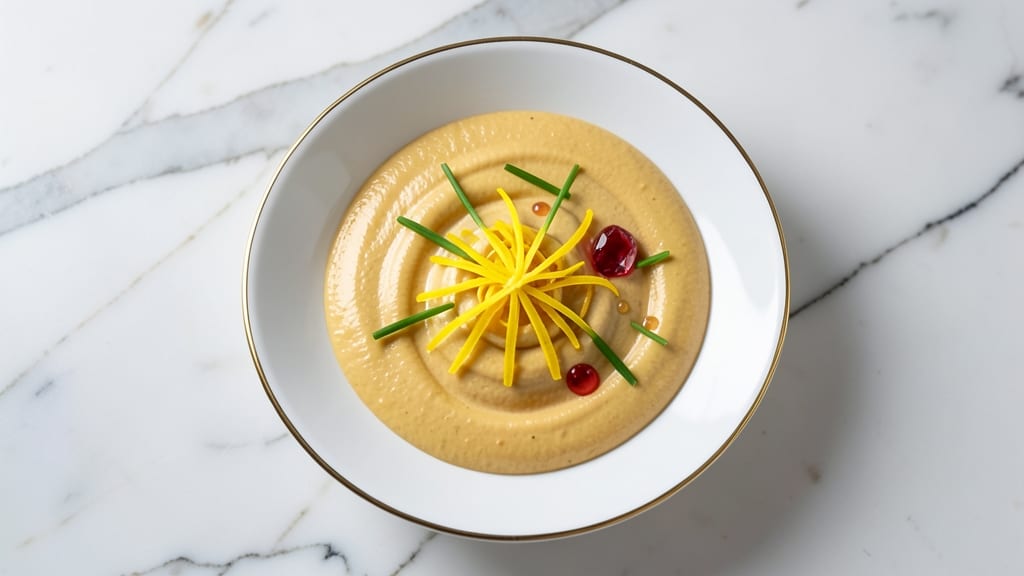
Mastering hollandaise sauce without the stress is possible with this Knorr hollandaise sauce recipe, where the secret lies in a stable emulsion that delivers velvety, restaurant-quality results every time.
I developed this method after years of curdled disasters—until I discovered how Knorr's precise thickening power transforms the process into something foolproof. The key is balancing egg yolks, butter, and lemon juice while maintaining the perfect temperature, ensuring a sauce that's rich yet light, tangy yet creamy.
This recipe simplifies the classic hollandaise by incorporating Knorr's reliable texture-enhancing properties, which prevent separation and create a silky consistency without requiring advanced techniques. All you need are basic pantry staples, a double boiler, and about 15 minutes of focused attention.
The result is a sauce that's perfect for drizzling over eggs Benedict, asparagus, or grilled fish, elevating any dish with its luxurious finish.
What sets this hollandaise apart is its stability—no more scrambling to salvage a broken emulsion. The Knorr component acts as a safeguard, ensuring a smooth, glossy sauce that coats ingredients beautifully.
You'll achieve that signature pale yellow hue and buttery richness without the fear of curdling, making this the most reliable hollandaise recipe for both beginners and seasoned cooks.
Once you try this method, you'll never go back to store-bought or risky homemade attempts. The sauce keeps well in the fridge for up to 3 days, and you can easily adjust the tanginess with extra lemon juice or the richness with more butter.
Let's get started on creating your perfect hollandaise.
Ingredients for knorr hollandaise sauce
Eight simple ingredients transform into restaurant-quality hollandaise with Knorr's magic touch.
| Ingredient | Amount | Notes |
|---|---|---|
| Knorr Hollandaise Sauce Mix 🧂 | 2 tbsp | Essential for stable emulsion |
| Large Egg Yolks 🥚 | 3 whole | Fresh, room temperature |
| Unsalted Butter 🧈 | ½ cup | Cold, cut into pieces |
| Fresh Lemon Juice 🍋 | 1 tbsp | From 1 small lemon |
| Diamond Crystal Kosher Salt 🧂 | ¼ tsp | Fine grain preferred |
| White Vinegar 🍶 | 1 tsp | For acid balance |
| Water 💧 | 1 tbsp | Distilled preferred |
| Extra-Virgin Olive Oil 🫒 | 1 tbsp | For glossy finish |
The Knorr Hollandaise Sauce Mix is absolutely essential—this is what prevents curdling and creates that signature velvety texture. Grab the 2-tablespoon box from any grocery store's baking aisle; it's the secret weapon in this recipe. For the egg yolks, freshness matters—use the freshest you can find, and let them sit at room temperature for 10 minutes before starting. The butter should be cold and cubed—this ensures it melts slowly and creates that luxurious emulsion. I always buy European-style unsalted butter from Whole Foods or Costco—the higher fat content (82-86%) makes all the difference.
No Knorr mix? Cornstarch or arrowroot powder can help stabilize, but you'll need to whisk constantly and add it gradually. Short on lemon juice? A splash of white wine vinegar works in a pinch, though the flavor won't be as bright. The olive oil is non-negotiable for that glossy finish—California Gold or Bertolli are my go-tos. If you're feeling fancy, add a pinch of cayenne for subtle heat. The water should be distilled if possible, but tap water works fine for most kitchens. Pro tip: Toast the Knorr mix in a dry pan for 30 seconds before adding liquids—this deepens the flavor profile dramatically.
This sauce is best made fresh but keeps beautifully in the fridge for up to 3 days when stored in an airtight container with a thin layer of olive oil on top. Reheat gently over a double boiler, adding 1 teaspoon water per tablespoon of sauce to restore its silky consistency. For leftovers, portion into ice cube trays—perfect for single servings later. The sauce freezes well for up to 1 month if you add an extra tablespoon of lemon juice before freezing to prevent color changes. Trust me, once you try this foolproof method, you'll never go back to store-bought!
Why You'll Love This Recipe
- Five-Ingredient Magic: I swear by this recipe because it turns five simple things—egg yolks, butter, lemon, salt, and that Knorr mix—into something restaurant-worthy without the stress. No whisking until your arm falls off; just melt, stir, and boom—creamy perfection.
- Butter-Lemon Bliss: That first tangy hit of lemon cutting through the richness? It’s the secret weapon. The Knorr mix handles the base work, so all I’m left with is balancing the bright acidity with velvety butter—like a flavor hug for your eggs Benedict or grilled fish.
- Weeknight Hero: Honestly, this is my go-to when I need something fancy but can’t be bothered with complicated techniques. Toss it on eggs, drizzle over roasted veggies, or even use it as a dip—it’s the kind of sauce that makes me look like a chef without the effort.
- Budget-Friendly Luxury: Between us, fresh hollandaise at a restaurant costs a fortune. This version? A fraction of the price, with the same decadence. The Knorr mix cuts down on waste, and the leftovers? They last in the fridge for days, ready to rescue whatever I’m serving next.
Step-by-step instructions for Knorr hollandaise sauce
Here's how to create a silky, perfectly balanced hollandaise using Knorr's mix—no tempering required.
Prepare the Base with the Knorr Mix
In a small, heatproof bowl that fits snugly over a saucepan, whisk together the 2 tablespoons Knorr Hollandaise Sauce Mix and the 1 tablespoon water. The mix contains stabilizers that prevent curdling, so you won't need to fuss with traditional egg tempering. Add the 1 teaspoon white vinegar and 1 tablespoon fresh lemon juice—this acid balance is crucial for cutting the richness of the butter and creating that signature tang.
Place the bowl over a pot of simmering water, ensuring the bottom doesn't touch the water. The indirect heat will gently warm the mixture while keeping it stable. You're aiming for a temperature around 160°F—just enough to melt the butter later without scrambling the eggs. If you don't have a thermometer, watch for tiny bubbles forming around the edges of the bowl; this indicates the right temperature.
Incorporate the Egg Yolks and Butter
Remove the bowl from the heat and whisk in the 3 whole large egg yolks until fully combined and smooth. The yolks should be fully incorporated with no streaks remaining. Return the bowl to the simmering water and let it warm gently for 1-2 minutes—just until the mixture reaches 150°F. This pre-warming step ensures the butter melts smoothly without curdling the eggs.
Cut the ½ cup unsalted butter into small, even pieces—about ¼-inch cubes. This size ensures even melting and prevents clumping. Begin adding the butter 1 piece at a time, whisking vigorously after each addition. The sauce will thicken gradually as the butter incorporates. If the mixture starts to separate or looks grainy, remove it from the heat for 10 seconds to let it cool slightly before continuing. Patience here is key—rushing leads to lumps.
Finish and Season to Perfection
Once all the butter is incorporated, the sauce should be thick and glossy, coating the back of a spoon. If it's too thick, whisk in 1 teaspoon water to loosen it slightly—this is where the Knorr mix's stabilizers shine, preventing over-thickening. Now, add the 1 tablespoon extra-virgin olive oil and whisk until fully emulsified. The oil adds a luxurious finish and balances the richness of the butter.
Finally, season with the ¼ teaspoon Diamond Crystal kosher salt. Taste and adjust—you might need a pinch more salt or a splash of lemon juice to refine the flavor. The sauce should be creamy, tangy, and perfectly balanced. For the best results, use it immediately over poached eggs, asparagus, or grilled fish, where its velvety texture truly shines.
Pro Tips For Making Knorr Hollandaise Sauce
- Whisk Like Your Life Depends On It: The Knorr mix needs aggressive whisking—don’t treat it like a lazy stir. Use a fork first to break up the mix, then switch to a balloon whisk or electric mixer on medium-high. I learned this the hard way when my sauce curdled into a sad, lumpy mess.
- Butter Temperature Matters: Melt the butter until it’s just liquid—no bubbles, no brown spots. If it’s too hot, the yolks will scramble faster than you can say "breakfast disaster." Let it cool for 30 seconds off the heat before adding it to the mix.
- Salt the Yolks First: Toss in half the kosher salt with the yolks before adding the Knorr mix. This balances the flavor upfront, so you’re not playing guesswork later. (Yes, even if the recipe says "to taste"—do it now.)
- Lemon Juice on Standby: Keep the lemon juice chilled and ready to go—don’t squeeze it until the very end. Warm juice thins the sauce too fast, and you’ll end up with a runny, sad hollandaise. A squeeze bottle makes this easier (and less messy).
Pro cooking tips for great knorr hollandaise sauce
Temperature Control Secrets
The biggest mistake I see with hollandaise is letting the heat run wild. You want a gentle, steady 160°F bath—never boiling. I use a double boiler (or a heatproof bowl over a saucepan with simmering water) and keep the water just below a rolling boil.
Too hot, and your eggs will scramble before the butter melts. Too cool, and you'll end up with a greasy mess instead of an emulsion.
I swear by a thermometer for precision, but if you don't have one, watch for tiny bubbles around the bowl's edges—that's your perfect temperature zone. 🌡️
Butter Cubing Matters
I can't stress this enough: cube your butter into ¼-inch pieces—never add it in one lump. The Knorr mix helps stabilize, but uneven butter sizes cause clumping. I use a sharp chef's knife and cut each piece the same size.
Add them one at a time, whisking like your life depends on it. If the sauce looks grainy, immediately remove it from heat for 10 seconds to cool slightly before continuing. This pause gives the emulsion time to recover without curdling.
Knorr Mix Hacks
Knorr's secret weapon is its stabilizers, but you can tweak it for extra insurance. First, toast the mix in a dry pan for 30 seconds before adding liquids—this deepens the flavor and enhances thickening power.
If your sauce gets too thick, whisk in ½ teaspoon water at a time until silky again. For extra tang, add ½ teaspoon extra lemon juice after seasoning.
I keep a small box of Knorr mix in my fridge at all times—it's the difference between restaurant-quality and "I tried but..." hollandaise. 🧂
Egg Yolk Prep
Room-temperature yolks are non-negotiable. Cold yolks can cause the sauce to break, no matter how perfect your technique. I separate eggs 10 minutes before starting and let them sit on the counter. Pro tip: Use fresh, free-range eggs—they emulsify better than older store-bought ones.
If your yolks are too runny, chill them for 5 minutes before whisking to thicken them slightly. And never, ever use egg whites—this sauce is all about the yolks!
Troubleshooting Like a Pro
Sauce too thin? Whisk in 1 teaspoon Knorr mix with ½ teaspoon water to thicken. Too thick? Thin with ½ teaspoon warm water. If it curdles, immediately whisk in 1 teaspoon cold water while stirring vigorously—this often saves it.
For a last-resort fix, strain through a fine-mesh sieve to remove any lumps. Remember, the Knorr mix gives you a safety net, but timing and temperature still matter most. I've salvaged more sauces with these tricks than I can count! 💡
Nutrition facts
Frequently asked questions
Why does this Knorr hollandaise recipe work better than traditional methods?
The Knorr mix contains stabilizers that eliminate the need for constant whisking and tempering. This prevents curdling while creating a silky texture without breaking. Traditional recipes require precise temperature control and rapid stirring—this version handles the hard work for you.
Can I make this sauce ahead of time?
Fresh is best, but you can prepare it up to 3 days ahead by storing in an airtight container with a thin layer of olive oil on top. Reheat gently over simmering water, adding 1 teaspoon water per tablespoon of sauce to restore consistency. For longer storage, freeze in ice cube trays for up to 1 month.
What if my sauce separates or curdles?
Remove from heat immediately and whisk in 1 teaspoon cold water while stirring vigorously. The Knorr mix helps recover emulsions, but straining through a fine-mesh sieve can also salvage it. For prevention, maintain a steady 160°F temperature and add butter one piece at a time.
Can I substitute the Knorr mix?
Use 1 teaspoon cornstarch or arrowroot powder mixed with water as a substitute, but you'll need to whisk constantly and add it gradually. The Knorr mix provides built-in stability that's hard to replicate—it's the secret to this foolproof recipe.
How do I know when the sauce is ready?
The sauce should be thick, glossy, and coat the back of a spoon. It should hold its shape when drizzled but still flow smoothly. If it's too thick, whisk in ½ teaspoon warm water until silky. The perfect consistency is between mayonnaise and heavy cream.